Professional Sheet Metal Prototyping Services - Precision Manufacturing & Rapid Development Solutions

All Categories

sheet metal prototyping

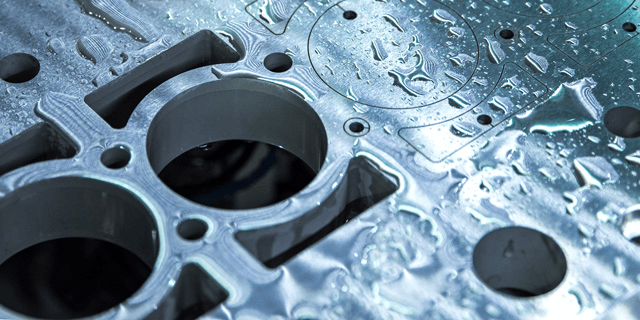
Sheet metal prototyping represents a revolutionary manufacturing process that transforms flat metal sheets into three-dimensional components through various forming, cutting, and shaping techniques. This advanced fabrication method serves as a bridge between initial design concepts and full-scale production, enabling engineers and designers to validate their ideas before committing to expensive tooling and mass manufacturing. The process encompasses multiple sophisticated technologies including laser cutting, CNC punching, press brake forming, stamping, and welding operations. Sheet metal prototyping utilizes materials such as aluminum, steel, stainless steel, copper, and brass, each offering distinct properties for specific applications. The main functions of sheet metal prototyping include design validation, functional testing, fit and finish verification, and market evaluation. Engineers rely on this process to identify potential design flaws, optimize material usage, and refine manufacturing processes before production scaling. Technological features of sheet metal prototyping include computer-aided design integration, precision cutting systems, automated bending equipment, and quality control mechanisms. Modern sheet metal prototyping facilities employ state-of-the-art machinery capable of achieving tolerances within 0.1mm, ensuring exceptional accuracy and repeatability. The process supports complex geometries, intricate patterns, and multi-part assemblies, making it suitable for diverse industries. Applications span across automotive components, aerospace parts, electronics enclosures, architectural elements, medical devices, and consumer products. Sheet metal prototyping enables rapid iteration cycles, allowing designers to make modifications quickly and cost-effectively. The technology supports both simple brackets and complex assemblies, accommodating various thickness ranges and material specifications. This versatile manufacturing approach facilitates innovation by providing tangible prototypes that stakeholders can evaluate, test, and refine before final production decisions.
New Products

Sheet metal prototyping delivers numerous practical benefits that directly impact project timelines, costs, and overall success rates for businesses across multiple industries. The most significant advantage lies in its ability to accelerate product development cycles by providing physical prototypes within days rather than weeks or months required by traditional manufacturing methods. This rapid turnaround enables design teams to iterate quickly, test multiple concepts simultaneously, and respond swiftly to market demands or customer feedback. Cost efficiency represents another major benefit of sheet metal prototyping, as it eliminates the need for expensive production tooling during the development phase. Companies can validate their designs and make necessary adjustments without investing in costly dies, molds, or specialized equipment that may require modifications later. The process significantly reduces financial risks associated with product development by identifying potential issues early in the design cycle. Sheet metal prototyping offers exceptional design flexibility, allowing engineers to experiment with different geometries, materials, and configurations without constraints imposed by mass production requirements. This freedom enables innovative solutions and optimization opportunities that might otherwise be overlooked. The technology supports complex assemblies and intricate details that closely mirror final production parts, providing accurate representations for testing and evaluation purposes. Quality assurance benefits emerge through the ability to conduct comprehensive testing on prototype components before committing to full-scale manufacturing. Teams can evaluate mechanical properties, dimensional accuracy, surface finishes, and functional performance under real-world conditions. This thorough validation process prevents costly recalls, redesigns, or production delays that could damage brand reputation and market position. Communication advantages become apparent when presenting prototypes to stakeholders, investors, or customers, as physical components convey design intent more effectively than drawings or digital models. Sheet metal prototyping facilitates better decision-making by providing tangible evidence of design capabilities and performance characteristics. The process also enables concurrent engineering practices, where multiple development activities occur simultaneously, further compressing project timelines and improving resource utilization efficiency throughout the entire product development lifecycle.

Practical Tips

The cleaning of precision components is crucial to ensuring their smoothness and functionality.

29

Nov

The cleaning of precision components is crucial to ensuring their smoothness and functionality.

View More
Methods to Improve the Efficiency of Precision Component Processing

29

Nov

Methods to Improve the Efficiency of Precision Component Processing

View More
Kindness Warms the Heart, Responsibility in Action

29

Nov

Kindness Warms the Heart, Responsibility in Action

View More
Design Knowledge for Shaft Pin Components

29

Nov

Design Knowledge for Shaft Pin Components

View More

Get a Free Quote

Our representative will contact you soon.
Email
Name
Company Name
WhatsApp
Message
0/1000

sheet metal prototyping

Precision Manufacturing Excellence

Precision Manufacturing Excellence

Sheet metal prototyping achieves unparalleled precision through advanced manufacturing technologies that deliver exceptional accuracy and consistency across all project requirements. Modern fabrication facilities utilize computer-controlled laser cutting systems capable of maintaining tolerances within 0.1mm, ensuring that every prototype component meets exact specifications and quality standards. This precision manufacturing excellence extends beyond simple cutting operations to include complex forming processes, intricate bending sequences, and sophisticated joining techniques that produce components with professional-grade finish and dimensional stability. The integration of CAD/CAM software systems enables seamless translation of digital designs into physical prototypes, eliminating human error and ensuring perfect reproduction of intended geometries. Precision manufacturing capabilities encompass various material thicknesses, from thin gauge sheets used in electronics applications to heavy-duty plates required for industrial components. Advanced measurement and inspection systems validate every dimension, angle, and surface characteristic throughout the manufacturing process, providing comprehensive quality documentation and traceability. This commitment to precision manufacturing excellence ensures that sheet metal prototyping delivers prototypes that accurately represent final production parts, enabling reliable testing, evaluation, and decision-making processes. The sophisticated equipment used in precision manufacturing includes multi-axis CNC machines, automated material handling systems, and environmental controls that maintain consistent production conditions. Quality management systems incorporate statistical process control methods, continuous monitoring protocols, and corrective action procedures that guarantee consistent results across multiple prototype iterations. Precision manufacturing excellence also encompasses surface finish quality, with options ranging from standard mill finishes to specialized treatments such as powder coating, anodizing, or plating processes that enhance both appearance and performance characteristics of prototype components.
Rapid Development Acceleration

Rapid Development Acceleration

Sheet metal prototyping revolutionizes product development timelines by implementing streamlined processes that dramatically reduce the time required to transform concepts into functional prototypes. Traditional manufacturing approaches often require weeks or months to produce prototype components, creating bottlenecks that slow innovation and delay market entry opportunities. Sheet metal prototyping eliminates these delays through optimized workflows, automated systems, and flexible production capabilities that can accommodate urgent project requirements and tight deadlines. The rapid development acceleration begins with efficient design processing systems that quickly convert CAD files into manufacturing instructions, minimizing setup times and reducing administrative overhead. Advanced scheduling systems prioritize projects based on customer requirements and production capacity, ensuring optimal resource allocation and maximum throughput efficiency. Rapid development capabilities extend to material procurement processes, with extensive inventory management systems that maintain readily available stock of common materials and specifications, eliminating waiting periods associated with special orders or custom materials. The manufacturing processes themselves incorporate high-speed equipment and automated operations that maximize productivity while maintaining quality standards, enabling completion of complex prototypes within compressed timeframes. Rapid development acceleration also encompasses post-processing operations such as finishing, assembly, and quality inspection procedures that are integrated into streamlined workflows, preventing delays between manufacturing stages. This comprehensive approach to rapid development enables companies to respond quickly to changing market conditions, competitive pressures, or customer requirements that demand immediate attention. The acceleration benefits extend to revision cycles, where design modifications can be implemented and new prototypes produced rapidly, supporting iterative development processes that optimize final product performance and marketability through multiple refinement cycles.
Cost-Effective Innovation Solutions

Cost-Effective Innovation Solutions

Sheet metal prototyping provides exceptional value through cost-effective innovation solutions that maximize return on investment while minimizing financial risks associated with product development initiatives. The elimination of expensive tooling requirements during the prototyping phase represents a fundamental cost advantage, as traditional manufacturing methods often require significant upfront investments in dies, molds, and specialized equipment before any prototype production can begin. This cost-effective approach enables companies to allocate resources more efficiently, directing funds toward design optimization, market research, and other value-adding activities rather than premature tooling investments. The flexible nature of sheet metal prototyping supports multiple design iterations without additional tooling costs, encouraging thorough exploration of design alternatives and optimization opportunities that might otherwise be financially prohibitive. Cost-effective innovation solutions extend to material utilization efficiency, where advanced nesting software and optimized cutting patterns minimize waste and reduce raw material expenses across all prototype projects. The ability to test and validate designs thoroughly before committing to production tooling prevents costly mistakes, redesigns, and manufacturing delays that could significantly impact project budgets and timelines. Economies of scale benefits emerge when multiple prototype components can be produced simultaneously, spreading setup costs across larger quantities and reducing per-unit expenses for complex assemblies or multi-part systems. Cost-effective innovation solutions also encompass reduced labor requirements through automated processes and efficient workflows that minimize manual intervention and associated labor costs. The comprehensive nature of sheet metal prototyping services includes design consultation, material selection guidance, and manufacturing process optimization that add value without additional charges, providing complete solutions that address all aspects of prototype development requirements. Long-term cost benefits become apparent through reduced time-to-market periods that enable earlier revenue generation and competitive advantage establishment in target markets.