Premium CNC Machined Components - Precision Manufacturing Solutions

All Categories

cnc machined components

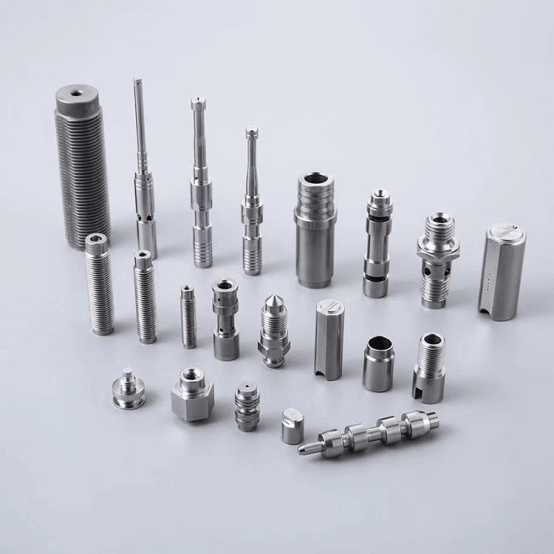
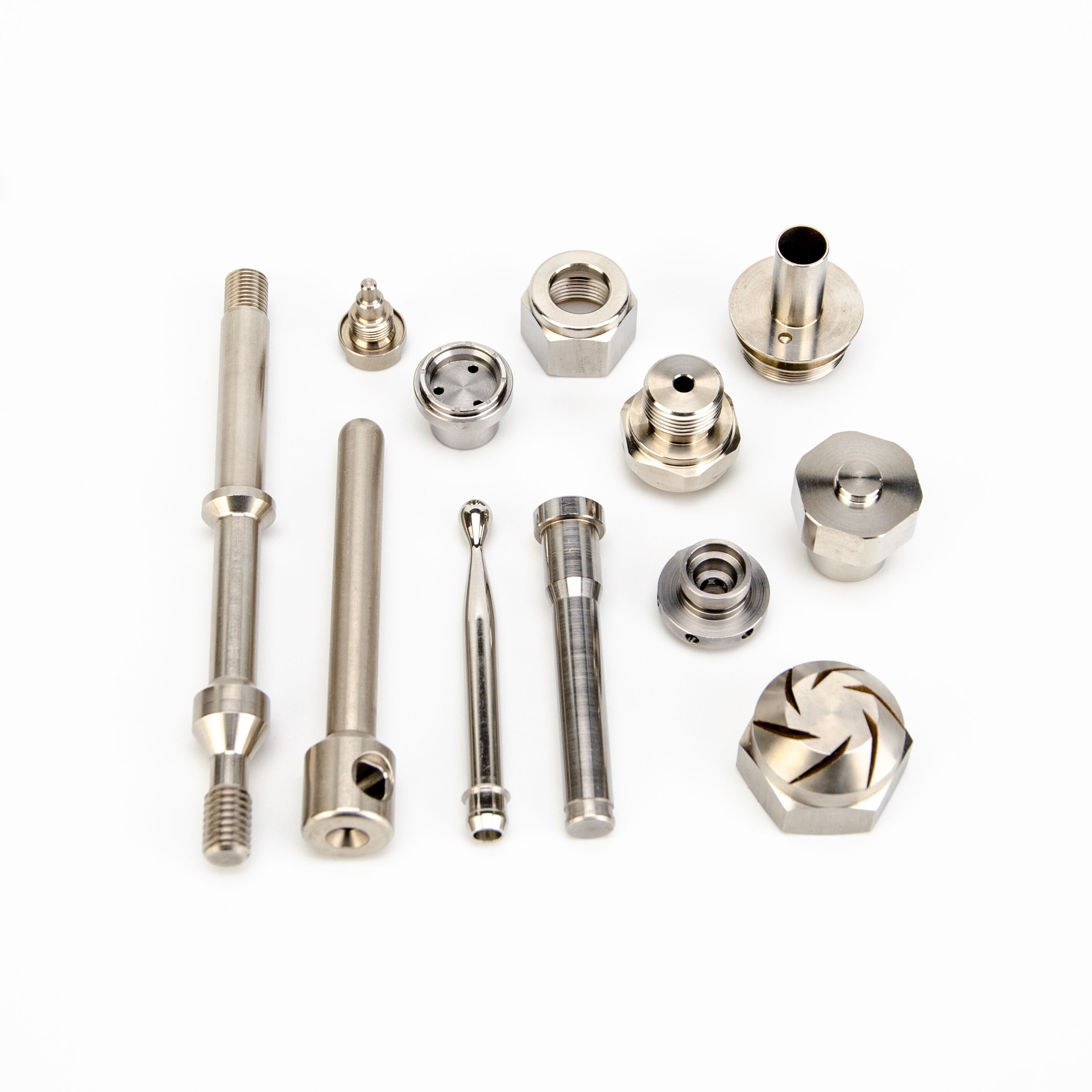
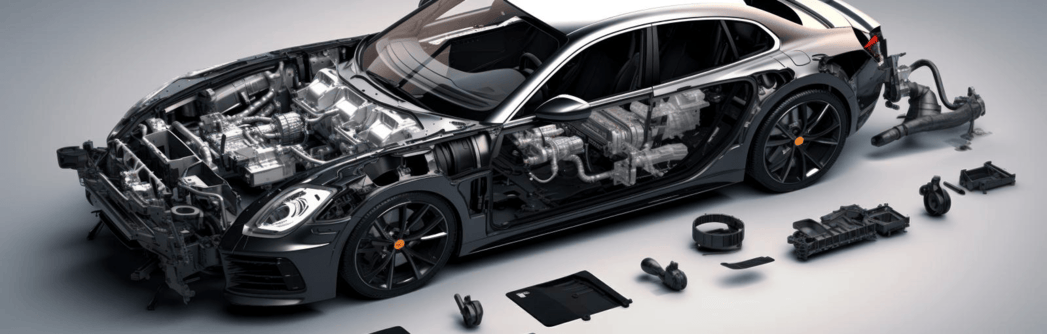
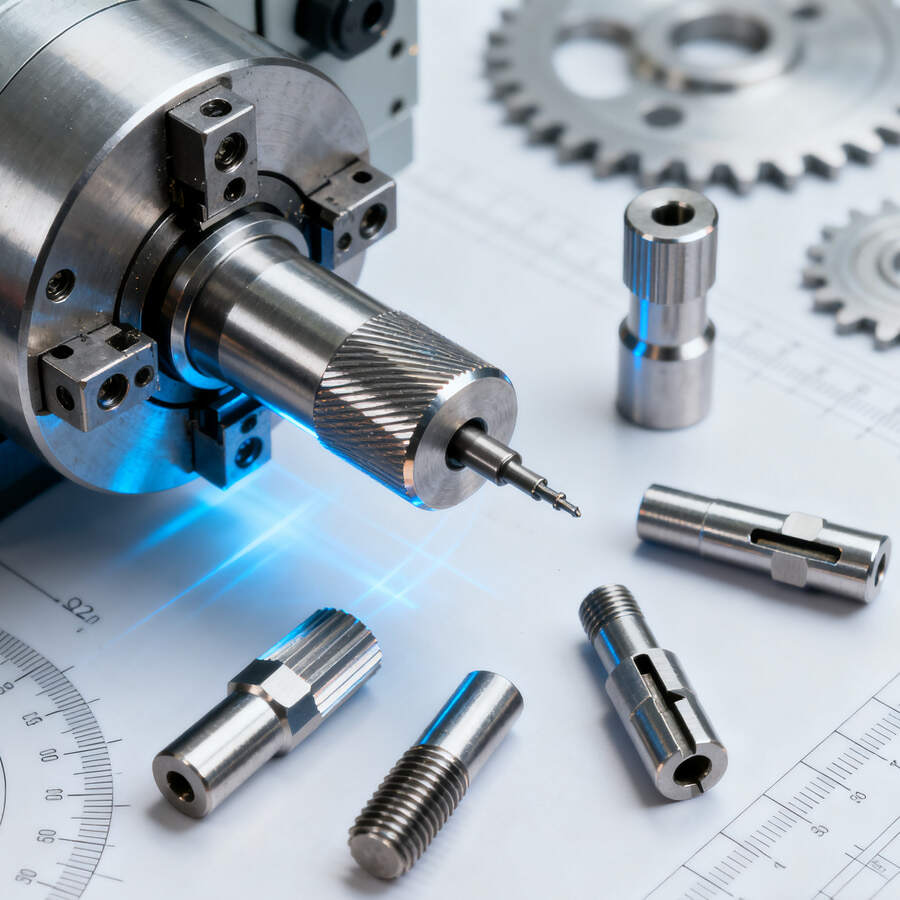
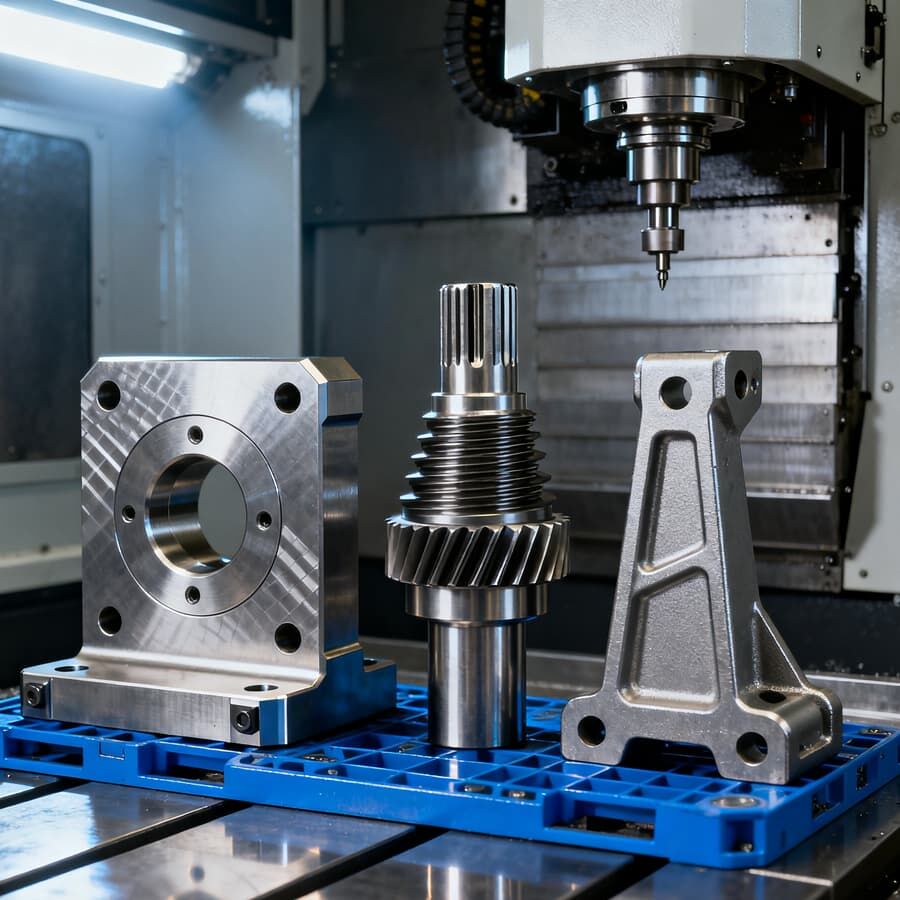
CNC machined components represent the pinnacle of precision manufacturing technology, delivering unparalleled accuracy and reliability across diverse industrial applications. These sophisticated parts are produced using Computer Numerical Control systems that translate digital designs into physical components with exceptional dimensional precision. CNC machined components serve as critical elements in aerospace, automotive, medical devices, electronics, and countless other sectors where quality and performance cannot be compromised. The primary function of cnc machined components involves providing exact specifications that meet stringent engineering requirements while maintaining consistent quality throughout production runs. Modern CNC technology enables manufacturers to create complex geometries, intricate features, and tight tolerances that would be impossible to achieve through traditional manufacturing methods. The technological backbone of cnc machined components lies in advanced computer-controlled machinery that operates with minimal human intervention, ensuring repeatable results and eliminating human error variables. These systems utilize sophisticated software programs that guide cutting tools along predetermined paths, creating parts that match digital blueprints with microscopic accuracy. CNC machined components incorporate multiple materials including aluminum, steel, titanium, plastics, and exotic alloys, each selected based on specific application requirements. The versatility of this manufacturing approach allows for rapid prototyping, small batch production, and large-scale manufacturing operations. Quality assurance protocols integral to cnc machined components production include dimensional inspection, material verification, and performance testing to guarantee each component meets exact specifications. Applications span from miniature electronic components requiring micron-level precision to large structural elements demanding exceptional strength and durability. The integration of advanced sensors and monitoring systems within CNC equipment ensures real-time quality control during the manufacturing process of cnc machined components, preventing defects before they occur and maintaining consistent output quality.

Popular Products

CNC machined components deliver substantial benefits that transform manufacturing efficiency and product quality for businesses across multiple industries. The precision capabilities of cnc machined components eliminate costly rework and material waste, directly impacting your bottom line through reduced production costs and improved resource utilization. When you choose cnc machined components, you gain access to tolerances measured in thousandths of an inch, ensuring perfect fit and function in your final assemblies. This level of accuracy translates to enhanced product performance, longer service life, and reduced maintenance requirements for your customers. The consistency offered by cnc machined components means every part produced matches identical specifications, eliminating quality variations that plague traditional manufacturing methods. Your production schedules become more predictable with cnc machined components because automated processes reduce cycle times and increase throughput capacity. Material versatility represents another significant advantage, as cnc machined components can be manufactured from virtually any machinable material, allowing you to select optimal materials for specific applications without changing production methods. The flexibility of CNC systems enables rapid design changes and customization without expensive tooling modifications, giving you competitive advantages in responsive manufacturing. Cost-effectiveness emerges through reduced labor requirements, minimized setup times, and elimination of specialized fixtures needed for conventional machining. CNC machined components support both prototype development and full-scale production using identical processes, streamlining your product development timeline. Quality assurance becomes simplified with cnc machined components because built-in measurement systems provide real-time feedback and automatic corrections during production. The reliability of CNC equipment ensures consistent availability and reduces unplanned downtime that disrupts production schedules. Environmental benefits accompany cnc machined components through optimized material usage, reduced energy consumption per part, and minimized waste generation compared to alternative manufacturing approaches. Your competitive positioning improves with cnc machined components because you can offer superior quality, faster delivery, and more competitive pricing to your customers.

Tips And Tricks

The cleaning of precision components is crucial to ensuring their smoothness and functionality.

29

Nov

The cleaning of precision components is crucial to ensuring their smoothness and functionality.

View More
Methods to Improve the Efficiency of Precision Component Processing

29

Nov

Methods to Improve the Efficiency of Precision Component Processing

View More
Kindness Warms the Heart, Responsibility in Action

29

Nov

Kindness Warms the Heart, Responsibility in Action

View More
Design Knowledge for Shaft Pin Components

29

Nov

Design Knowledge for Shaft Pin Components

View More

Get a Free Quote

Our representative will contact you soon.
Email
Name
Company Name
WhatsApp
Message
0/1000

cnc machined components

Unmatched Precision and Dimensional Accuracy

Unmatched Precision and Dimensional Accuracy

The precision capabilities of cnc machined components set new standards for manufacturing excellence, delivering dimensional accuracy that surpasses traditional machining methods by significant margins. This exceptional precision stems from computer-controlled operations that eliminate human error variables while maintaining consistent performance throughout extended production runs. CNC machined components achieve tolerances as tight as ±0.0001 inches, enabling manufacturers to create parts that fit together perfectly without adjustment or modification. The significance of this precision extends beyond mere dimensional compliance, directly impacting product functionality, assembly efficiency, and long-term reliability. When components fit precisely as designed, stress concentrations decrease, wear patterns become predictable, and maintenance intervals extend substantially. The precision of cnc machined components proves particularly valuable in aerospace applications where safety margins depend on exact specifications and where even microscopic variations can compromise performance. Medical device manufacturers rely on this precision for creating implants and surgical instruments that must interface seamlessly with human anatomy. The automotive industry benefits from cnc machined components precision through improved fuel efficiency, reduced emissions, and enhanced performance characteristics that result from optimal component interactions. Electronic manufacturers depend on this accuracy for creating housings and heat sinks that protect sensitive components while maintaining thermal management capabilities. The consistent precision of cnc machined components eliminates the need for secondary operations such as grinding, honing, or hand fitting, reducing production costs and delivery times. Quality control becomes streamlined because cnc machined components maintain dimensional stability throughout the manufacturing process, reducing inspection requirements and rejection rates. This precision advantage creates cascading benefits throughout your supply chain, as downstream operations can rely on consistent inputs that eliminate variability and reduce process complexity. The precision of cnc machined components ultimately translates to customer satisfaction through products that perform as intended, last longer than expected, and require minimal maintenance throughout their service life.
Superior Material Utilization and Cost Efficiency

Superior Material Utilization and Cost Efficiency

CNC machined components optimize material utilization through advanced programming techniques that minimize waste while maximizing the value extracted from raw materials. This efficiency advantage represents a fundamental shift from traditional manufacturing approaches that often result in significant material waste and increased production costs. The precision cutting capabilities of CNC systems enable manufacturers to nest parts efficiently, utilize material remnants, and achieve near-zero waste production scenarios that directly impact profitability. CNC machined components benefit from optimized toolpath planning that reduces machining time while maintaining surface finish quality and dimensional accuracy. The efficiency gains compound through reduced setup times, as CNC systems can switch between different part geometries without extensive retooling or reconfiguration procedures. This flexibility allows manufacturers to respond quickly to customer demands while maintaining cost-effective production volumes. The automation inherent in cnc machined components production eliminates labor-intensive manual operations that increase costs and introduce quality variability. Energy efficiency represents another cost advantage, as modern CNC equipment incorporates power management systems that optimize consumption based on cutting requirements and operational demands. The consistency of cnc machined components reduces inspection costs because statistical process control techniques can verify quality without measuring every part produced. Material traceability becomes seamless with CNC systems that document material usage, cutting parameters, and quality metrics for each batch of cnc machined components. The reduced need for secondary operations such as deburring, surface treatment, or dimensional correction translates to lower overall production costs and shorter lead times. Inventory management becomes more efficient because cnc machined components can be produced on-demand without maintaining large stocks of finished goods. The predictable production costs associated with cnc machined components enable accurate pricing strategies and improved profit margins through better cost control. Long-term cost benefits emerge through reduced maintenance requirements, extended equipment life, and improved overall equipment effectiveness metrics that enhance return on investment calculations.
Exceptional Versatility and Rapid Adaptability

Exceptional Versatility and Rapid Adaptability

The versatility of cnc machined components extends across an unprecedented range of applications, materials, and design requirements, providing manufacturers with unmatched flexibility to address diverse market demands. This adaptability advantage enables businesses to pivot quickly between different product lines, accommodate custom specifications, and explore new market opportunities without significant capital investment in specialized equipment. CNC machined components can be produced from virtually any machinable material, including aluminum alloys, stainless steel, titanium, engineering plastics, composites, and exotic materials required for specialized applications. The programming flexibility of CNC systems allows for complex geometries, intricate internal features, and multi-axis operations that create parts impossible to manufacture using conventional methods. This versatility proves invaluable for prototype development, where design iterations occur frequently and traditional tooling costs would be prohibitive. CNC machined components support both low-volume specialty applications and high-volume production runs using identical equipment and programming, eliminating the need for separate manufacturing strategies. The rapid setup capabilities of modern CNC systems enable quick transitions between different part numbers, allowing manufacturers to respond to urgent customer requirements without disrupting scheduled production. Custom modifications become straightforward with cnc machined components because programming changes can accommodate design revisions without hardware modifications or tooling expenses. The versatility extends to surface finishing options, as CNC systems can incorporate various cutting strategies, tool selections, and finishing passes to achieve specific texture requirements or cosmetic appearances. Integration capabilities allow cnc machined components to incorporate features such as threaded holes, counterbores, and complex contours in single operations, reducing assembly requirements and potential failure points. The adaptability of CNC technology enables manufacturers to explore new markets and applications without significant investment in alternative manufacturing technologies. Quality requirements can be adjusted based on application needs, with cnc machined components capable of meeting both commercial standards and critical aerospace or medical device specifications. The versatility advantage creates opportunities for value-added services such as assembly, testing, and finishing operations that enhance customer relationships and increase profit margins through comprehensive manufacturing solutions.