Premium Custom Aluminum Machining Services - Precision CNC Manufacturing Solutions

All Categories

custom aluminum machining

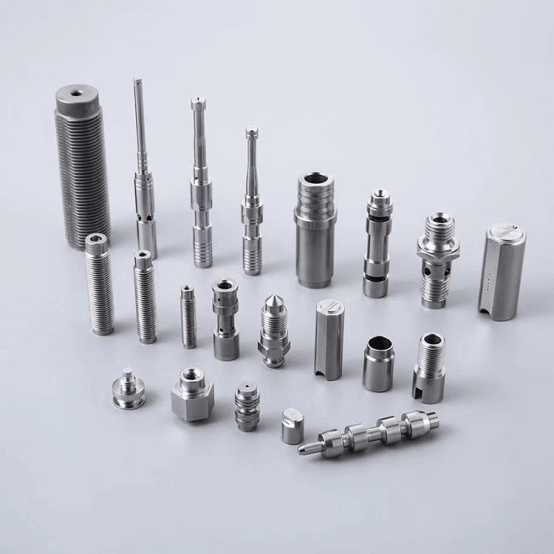
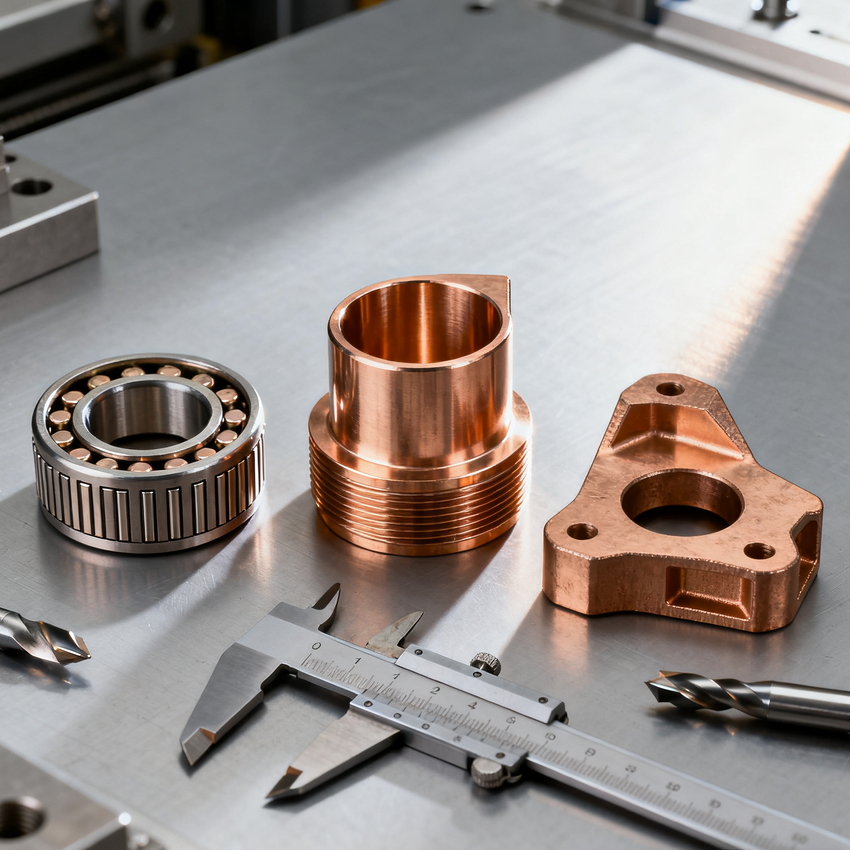
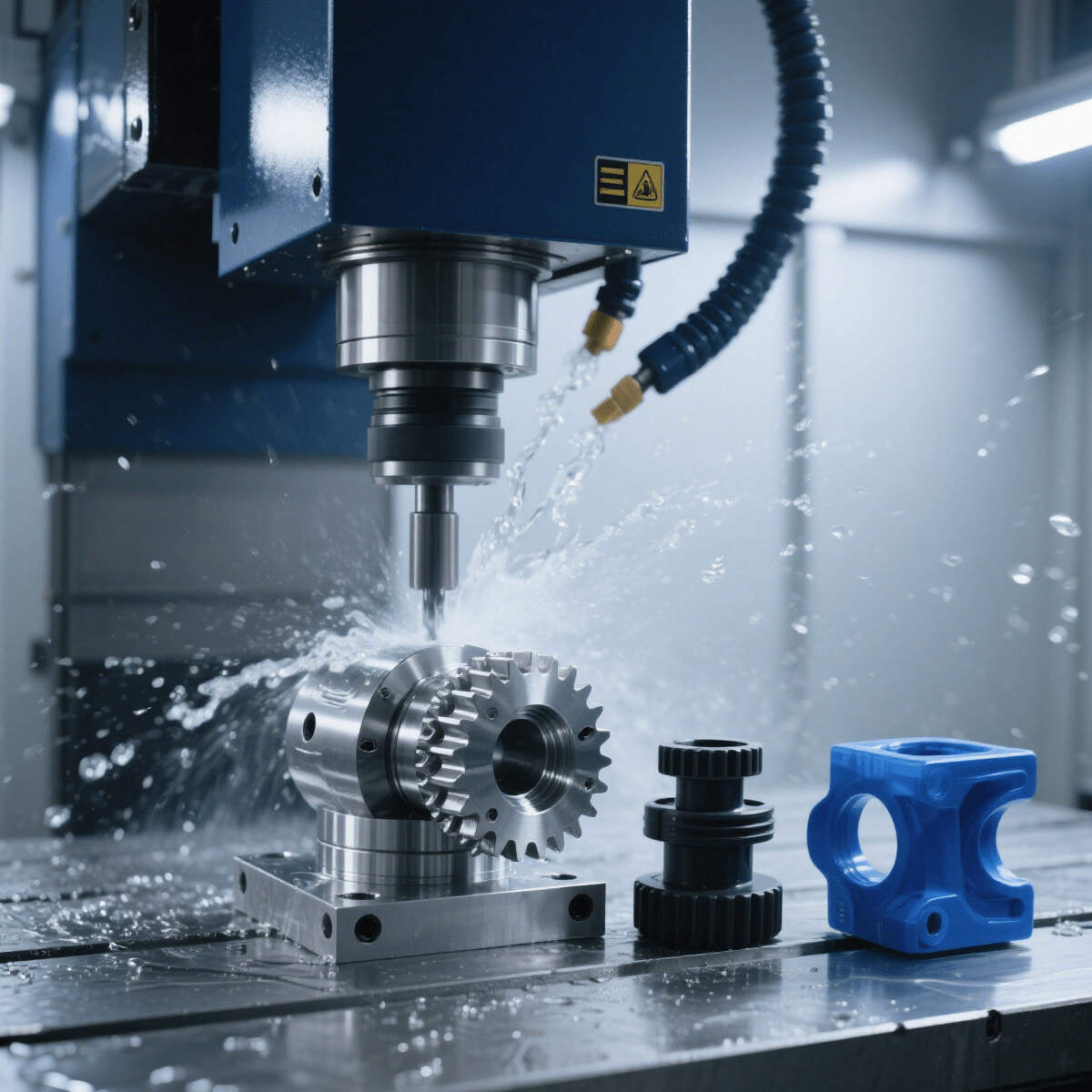
Custom aluminum machining represents a sophisticated manufacturing process that transforms raw aluminum materials into precisely engineered components tailored to specific requirements. This advanced fabrication technique combines computer numerical control technology with specialized tooling to create intricate parts that meet exact dimensional tolerances and surface finish specifications. The process encompasses various machining operations including milling, turning, drilling, and threading, all performed on aluminum alloys selected for their optimal properties. Modern custom aluminum machining facilities utilize state-of-the-art equipment capable of achieving micron-level precision while maintaining cost-effectiveness for both prototype and production runs. The technological foundation relies on programmable machinery that interprets digital designs and executes complex cutting patterns with remarkable consistency. Advanced software integration enables seamless transition from computer-aided design files to finished products, eliminating human error and ensuring repeatability across large production volumes. Custom aluminum machining serves diverse industries including aerospace, automotive, electronics, medical devices, and architectural applications. The versatility of aluminum as a base material, combined with precision machining capabilities, makes it ideal for creating lightweight yet durable components. Heat treatment processes can be integrated to enhance mechanical properties, while surface treatments provide corrosion resistance and aesthetic appeal. Quality control systems monitor every stage of production, from material verification through final inspection, ensuring components meet stringent specifications. The process accommodates complex geometries that would be impossible or prohibitively expensive using traditional manufacturing methods. Multi-axis machining centers enable creation of intricate internal passages, undercuts, and compound angles in single setups, reducing assembly requirements and improving overall part integrity. Custom aluminum machining represents the convergence of material science, precision engineering, and advanced manufacturing technology.
Popular Products

Custom aluminum machining delivers exceptional precision that surpasses conventional manufacturing methods, enabling production of components with tolerances measured in thousandths of an inch. This level of accuracy ensures perfect fit and function in critical applications where even minor deviations could compromise performance or safety. The process eliminates the need for expensive tooling associated with casting or forging, making it economically viable for small to medium production runs and prototype development. Companies can validate designs quickly and cost-effectively before committing to high-volume manufacturing processes. Material waste reduction represents another significant advantage, as computer-controlled machining removes only necessary material, maximizing utilization efficiency and minimizing environmental impact. The subtractive manufacturing approach allows for real-time adjustments during production, enabling immediate correction of any dimensional variations or surface finish issues. Custom aluminum machining accommodates design changes without lengthy lead times or costly retooling, providing unprecedented flexibility for product development cycles. Engineers can iterate designs rapidly, testing multiple configurations to optimize performance characteristics. The process supports complex internal geometries that would be impossible to achieve through conventional methods, enabling innovative product designs that enhance functionality while reducing weight. Surface finish quality achievable through custom aluminum machining often eliminates secondary operations, reducing production time and costs while ensuring consistent aesthetic appearance. The inherent properties of aluminum, including excellent strength-to-weight ratios and corrosion resistance, combine with precision machining to create components that perform reliably in demanding environments. Thermal conductivity characteristics make machined aluminum components ideal for heat dissipation applications in electronics and automotive systems. The scalability of custom aluminum machining allows seamless transition from prototype quantities to full production volumes using identical processes and tooling, ensuring consistency throughout product lifecycle. Lead times remain predictable and relatively short compared to alternative manufacturing methods, enabling responsive supply chain management and reduced inventory requirements. Quality assurance integrated throughout the machining process provides immediate feedback and correction capabilities, virtually eliminating defective parts and ensuring customer satisfaction.

Tips And Tricks

The cleaning of precision components is crucial to ensuring their smoothness and functionality.

29

Nov

The cleaning of precision components is crucial to ensuring their smoothness and functionality.

View More
Methods to Improve the Efficiency of Precision Component Processing

29

Nov

Methods to Improve the Efficiency of Precision Component Processing

View More
Kindness Warms the Heart, Responsibility in Action

29

Nov

Kindness Warms the Heart, Responsibility in Action

View More
Design Knowledge for Shaft Pin Components

29

Nov

Design Knowledge for Shaft Pin Components

View More

Get a Free Quote

Our representative will contact you soon.
Email
Name
Company Name
WhatsApp
Message
0/1000

custom aluminum machining

Unmatched Precision and Dimensional Accuracy

Unmatched Precision and Dimensional Accuracy

Custom aluminum machining achieves extraordinary dimensional accuracy that sets the standard for precision manufacturing across multiple industries. Advanced computer numerical control systems guide cutting tools with positioning accuracy measured in micrometers, ensuring that every dimension meets specified tolerances consistently. This level of precision becomes crucial in aerospace applications where component failure could have catastrophic consequences, or in medical device manufacturing where patient safety depends on exact specifications. The multi-axis capabilities of modern machining centers allow simultaneous cutting operations from multiple angles, maintaining geometric relationships between features that would be nearly impossible to achieve through sequential operations on conventional equipment. Temperature-controlled environments eliminate thermal expansion variables that could affect dimensional accuracy, while sophisticated measurement systems provide real-time feedback to maintain tolerances throughout extended production runs. The precision advantage extends beyond basic dimensions to include surface finish specifications, with achievable roughness values that often eliminate the need for secondary finishing operations. This dimensional control enables custom aluminum machining to produce components for high-performance applications including satellite systems, Formula 1 racing components, and precision optical equipment. The ability to machine features with tolerances tighter than human hair thickness demonstrates the technological sophistication available through modern custom aluminum machining processes. Quality control protocols integrated into each machining operation ensure that dimensional accuracy remains consistent from the first part to the last, regardless of production volume. This reliability in dimensional control translates directly into reduced assembly time, improved product performance, and enhanced customer satisfaction across all applications.
Superior Material Properties and Performance Characteristics

Superior Material Properties and Performance Characteristics

Custom aluminum machining maximizes the inherent advantages of aluminum alloys while addressing their specific machining requirements to deliver components with exceptional performance characteristics. Aluminum's natural properties including lightweight construction, excellent thermal conductivity, and superior corrosion resistance become optimized through precision machining techniques that preserve and enhance these beneficial attributes. The machining process allows selection from a wide range of aluminum alloys, each engineered for specific performance requirements, from the high strength of 7075 alloy used in aerospace applications to the excellent machinability of 6061 alloy preferred for general engineering purposes. Heat treatment processes can be integrated before, during, or after machining operations to achieve desired mechanical properties including increased hardness, improved tensile strength, and enhanced fatigue resistance. Surface treatments applied to machined aluminum components provide additional protection and functionality, including anodizing for corrosion resistance and aesthetic appeal, or specialized coatings for specific environmental requirements. The controlled machining environment prevents contamination that could compromise material properties, while proper cutting parameters minimize heat generation that might affect the aluminum's metallurgical structure. Custom aluminum machining enables creation of components that maintain consistent material properties throughout their geometry, unlike casting processes where property variations can occur due to cooling rate differences. The process preserves the aluminum's natural ability to dissipate heat effectively, making machined components ideal for thermal management applications in electronics, automotive, and industrial equipment. Stress relief operations can be integrated into the machining process to eliminate residual stresses that might cause dimensional instability over time. The combination of aluminum's beneficial properties with precision machining creates components that deliver reliable performance in demanding environments while maintaining the weight advantages crucial for modern engineering applications.
Cost-Effective Manufacturing Flexibility and Rapid Turnaround

Cost-Effective Manufacturing Flexibility and Rapid Turnaround

Custom aluminum machining provides unparalleled manufacturing flexibility that enables cost-effective production across diverse volume requirements while maintaining rapid turnaround times that support aggressive development schedules. The elimination of expensive tooling requirements associated with casting or forging processes makes custom aluminum machining economically viable for prototype development, small batch production, and specialized components where traditional high-volume methods would be prohibitively expensive. Programming changes can be implemented quickly to accommodate design modifications without significant setup costs or lead time delays, enabling iterative design processes that optimize product performance before finalizing specifications. The ability to machine complex geometries in single setups reduces handling time, eliminates multiple fixturing operations, and minimizes the potential for cumulative tolerancing errors that could compromise final part quality. Advanced machining centers equipped with automatic tool changers and multi-axis capabilities can complete intricate parts in single operations that would previously require multiple machines and extensive setup time. Just-in-time manufacturing becomes feasible through custom aluminum machining, as parts can be produced on demand without maintaining expensive inventory or committing to large minimum order quantities. The scalability inherent in machining processes allows seamless transition from prototype quantities to production volumes using identical programming and tooling, ensuring consistency while eliminating the risks associated with process changes. Rush orders can be accommodated through flexible scheduling and efficient setup procedures, providing customers with responsive service that supports critical project timelines. The predictable nature of machining operations enables accurate delivery commitments and reliable supply chain planning, reducing the uncertainty that often accompanies new product introductions. Cost effectiveness extends throughout the product lifecycle, as machined components typically require minimal secondary operations and demonstrate excellent durability that reduces maintenance and replacement costs over their operational lifetime.