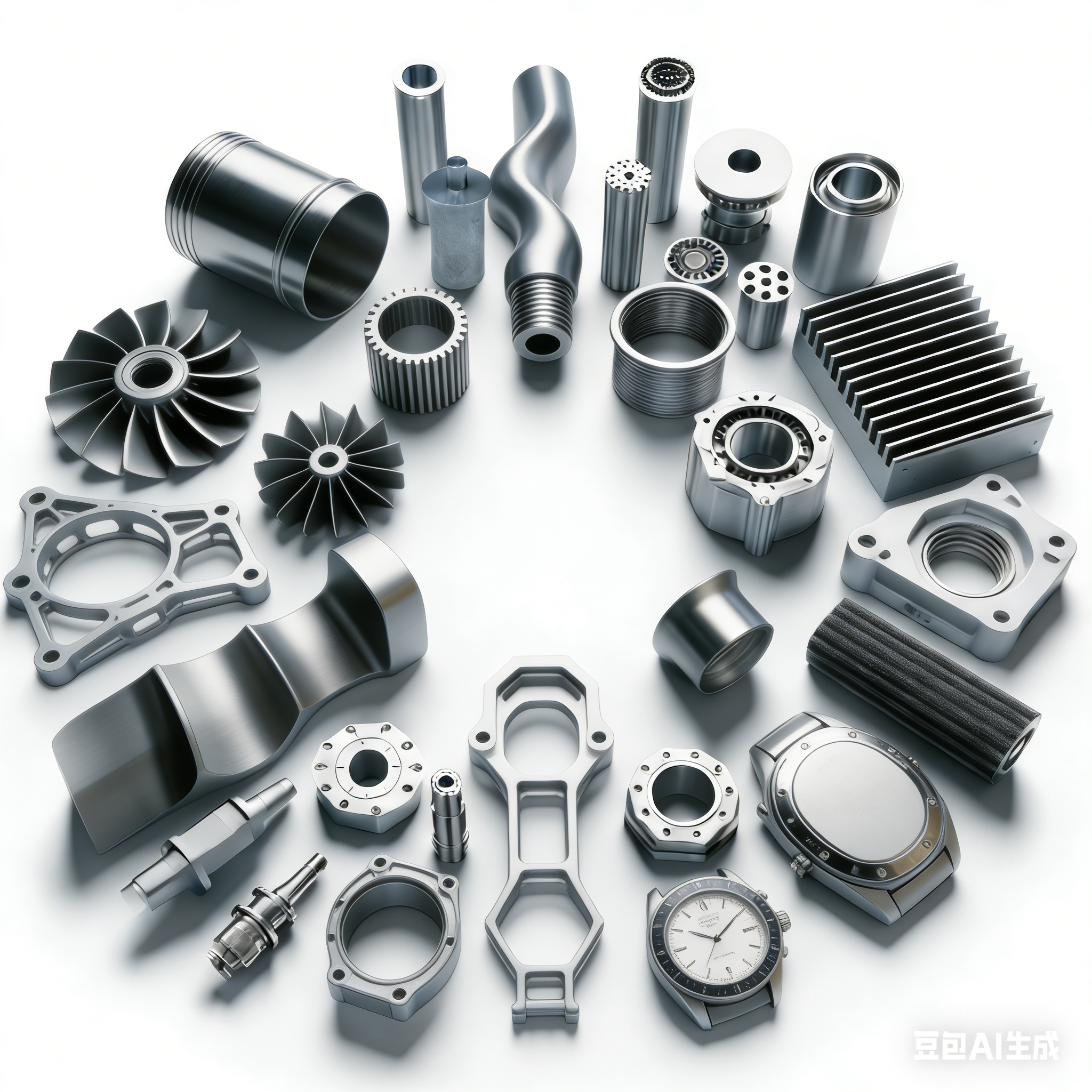
machined aluminum parts
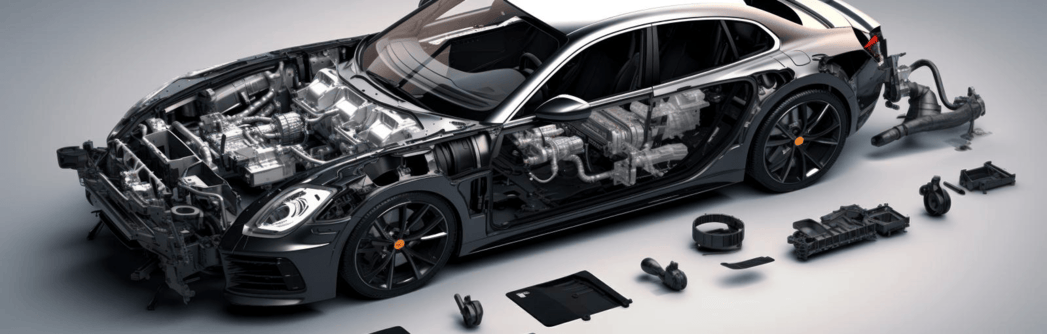
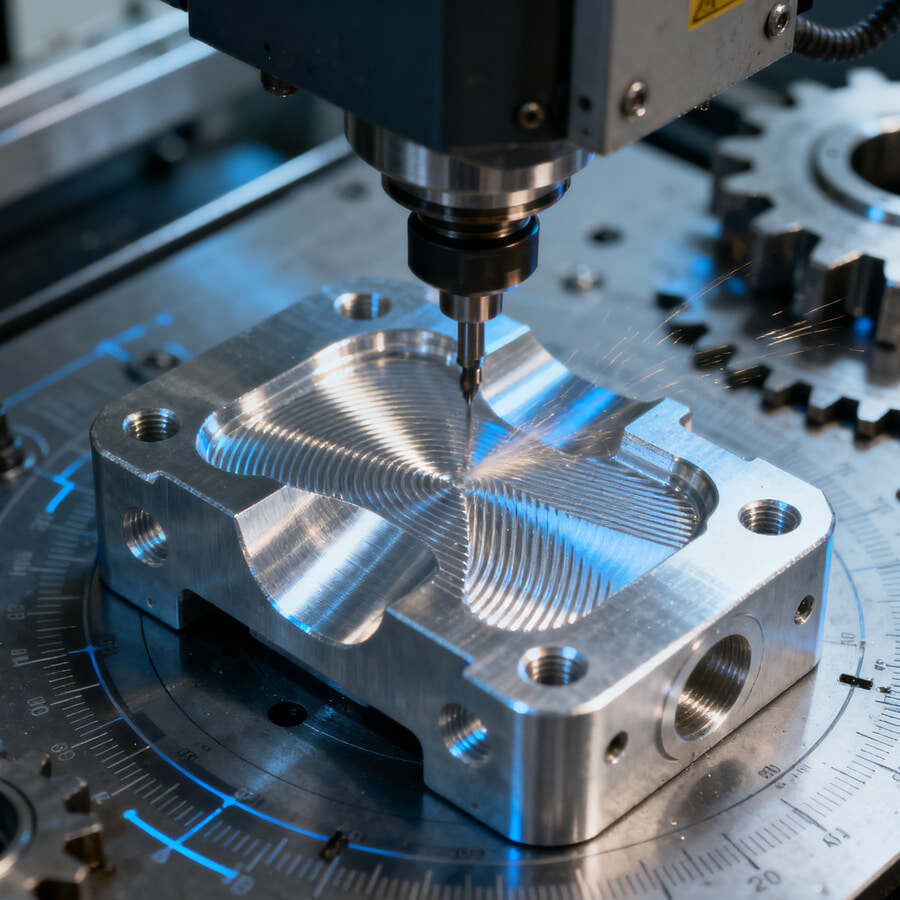
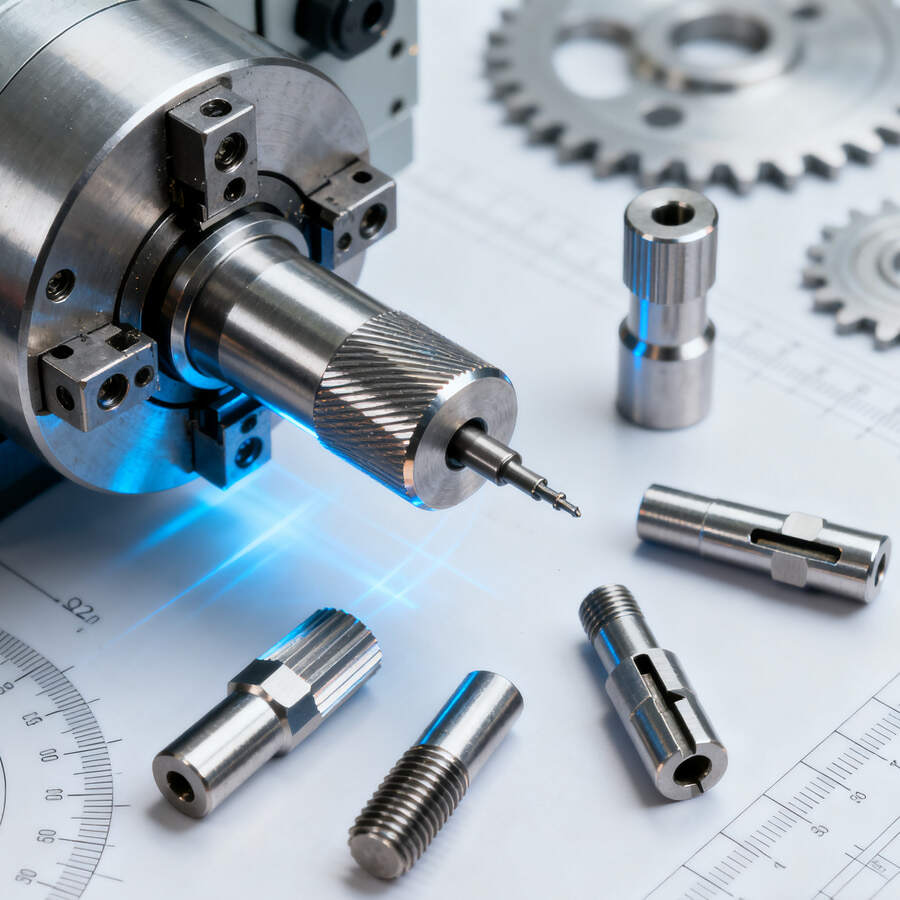
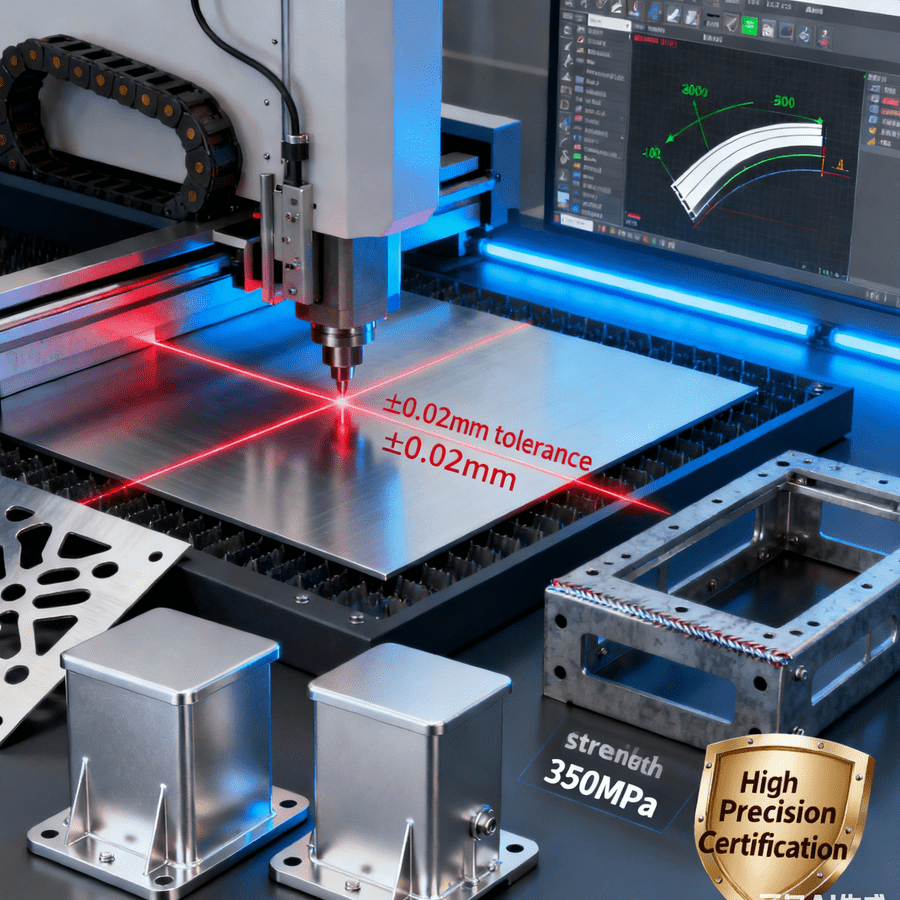
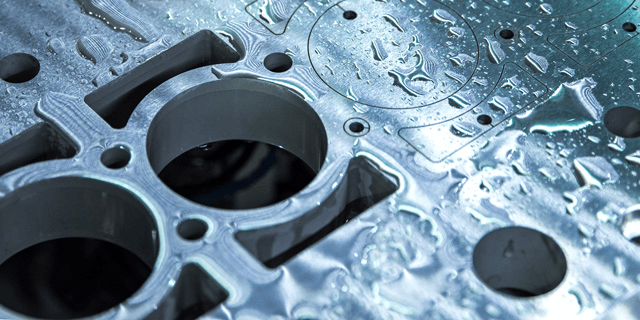
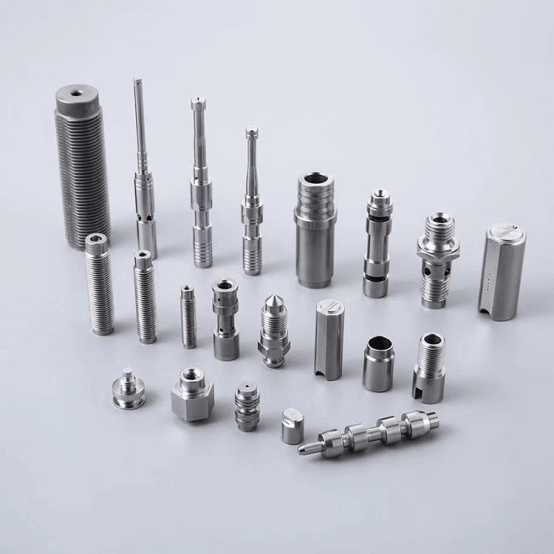
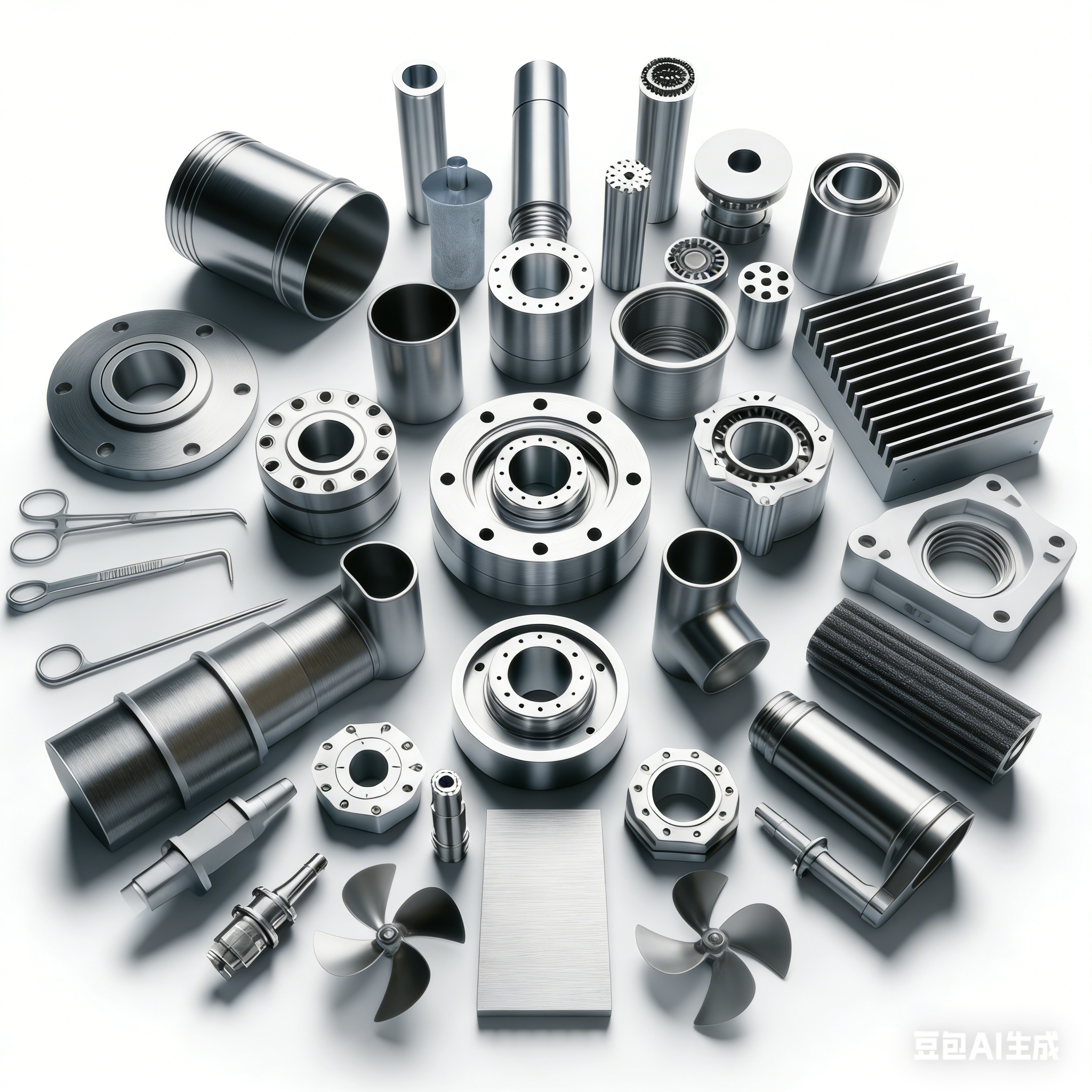
Machined aluminum parts represent precision-engineered components created through advanced manufacturing processes that remove material from aluminum stock to achieve exact specifications. These components serve as critical elements in countless industrial applications, combining the inherent benefits of aluminum with sophisticated machining techniques to deliver superior performance and reliability. The primary functions of machined aluminum parts encompass structural support, mechanical transmission, thermal management, and electrical conductivity applications across diverse industries. Manufacturing processes typically involve computer numerical control (CNC) milling, turning, drilling, and threading operations that transform raw aluminum billets into complex geometries with tight tolerances. Technological features of machined aluminum parts include exceptional dimensional accuracy, superior surface finishes, and consistent mechanical properties throughout the component structure. Modern machining centers utilize multi-axis capabilities to create intricate internal passages, complex contours, and precise mounting interfaces that would be impossible to achieve through alternative manufacturing methods. The aluminum alloy selection process considers specific requirements such as strength-to-weight ratios, corrosion resistance, thermal conductivity, and machinability characteristics. Common alloy grades include 6061-T6 for general structural applications, 7075-T6 for high-strength requirements, and 2024-T4 for aerospace applications. Applications for machined aluminum parts span automotive components including engine blocks, transmission housings, and suspension components, aerospace structures such as wing brackets, landing gear assemblies, and instrument housings, electronics cooling solutions like heat sinks and thermal interface plates, medical device housings and surgical instruments, marine hardware including propeller hubs and deck fittings, and industrial machinery components such as pump housings, valve bodies, and mounting brackets. Quality control measures throughout the machining process ensure dimensional accuracy through coordinate measuring machine verification, surface roughness testing, and material property validation to guarantee consistent performance standards.



 EN
EN