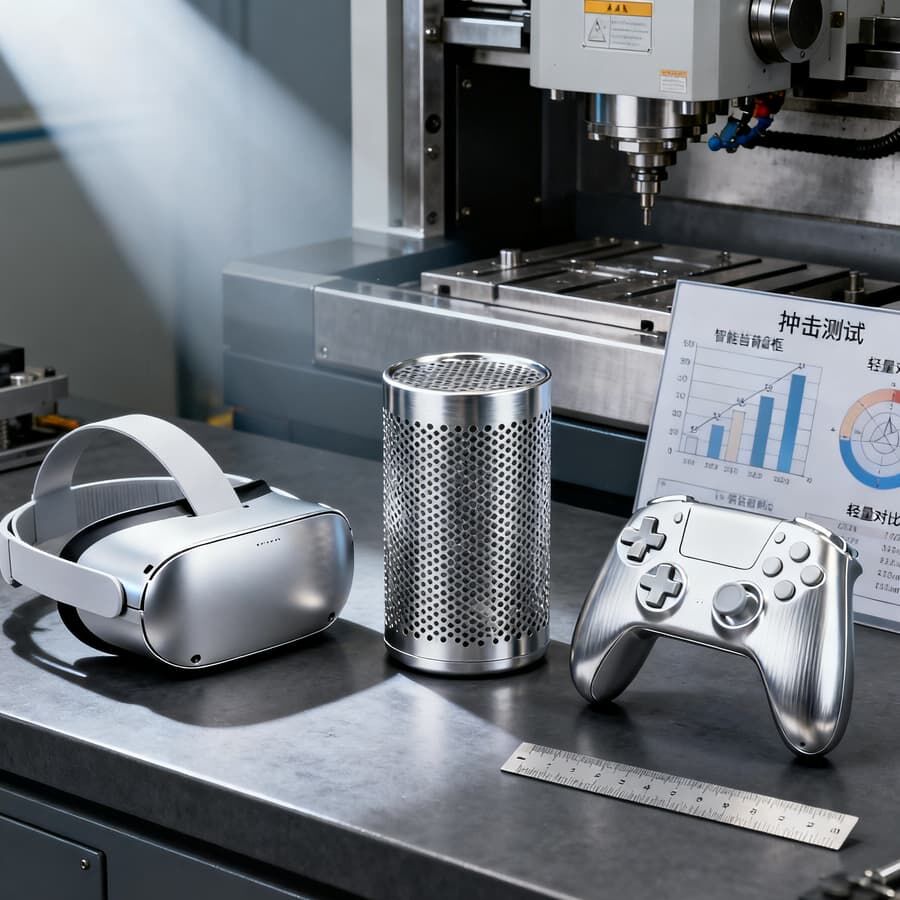
Professional Prototype Machining Services - Precision CNC Manufacturing Solutions

All Categories

prototype machining

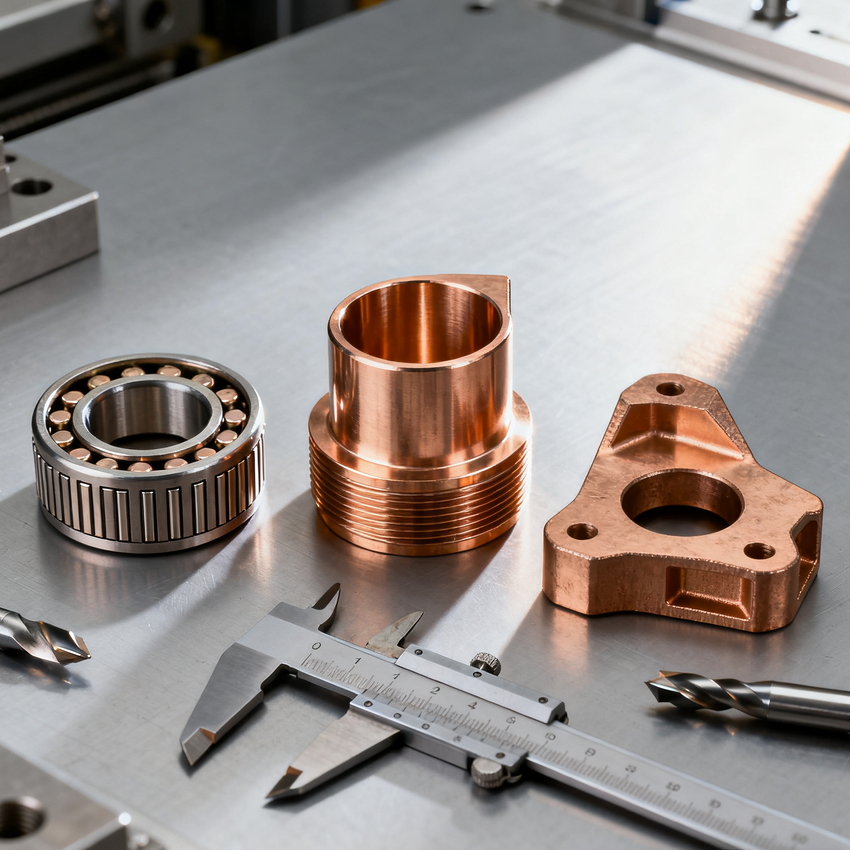
Prototype machining represents a revolutionary manufacturing process that transforms conceptual designs into tangible, functional components through precision cutting, shaping, and finishing techniques. This advanced manufacturing method serves as the critical bridge between product development and full-scale production, enabling engineers and designers to validate their concepts before committing to expensive mass production tooling. The prototype machining process encompasses various sophisticated technologies including CNC milling, turning, grinding, and electrical discharge machining, all coordinated to produce highly accurate prototypes that mirror final production specifications. Modern prototype machining facilities utilize state-of-the-art computer-controlled equipment that can work with diverse materials ranging from aerospace-grade aluminum and titanium to advanced polymers and composite materials. The technological backbone of prototype machining relies on sophisticated CAD/CAM software integration that translates digital designs into precise machine instructions, ensuring dimensional accuracy and surface finish quality that meets stringent engineering requirements. This manufacturing approach excels in producing complex geometries, intricate internal features, and tight tolerance components that would be challenging or impossible to achieve through traditional manufacturing methods. The versatility of prototype machining extends across numerous industries including automotive, aerospace, medical devices, consumer electronics, and industrial equipment, where rapid prototyping capabilities accelerate product development cycles and reduce time-to-market pressures. Advanced prototype machining centers often incorporate multi-axis capabilities, allowing simultaneous cutting operations from multiple angles, which significantly reduces setup times and improves geometric accuracy. The process typically begins with thorough design analysis and material selection, followed by toolpath optimization and machine programming, culminating in precision manufacturing and comprehensive quality inspection to ensure prototypes meet exact specifications and functional requirements for successful product validation.

New Products

Prototype machining delivers exceptional speed and efficiency in product development, dramatically reducing the time required to transform concepts into testable physical components. This rapid turnaround capability enables companies to accelerate their innovation cycles and respond quickly to market opportunities or design modifications. The precision and accuracy achieved through prototype machining surpass traditional manufacturing methods, with modern CNC equipment capable of maintaining tolerances within micrometers, ensuring prototypes accurately represent final production intent. Cost-effectiveness represents another significant advantage, as prototype machining eliminates the need for expensive tooling and setup costs associated with mass production processes, making it economical for small quantities and design iterations. Material versatility stands as a key strength, allowing manufacturers to work with the exact same materials planned for final production, providing authentic performance testing and validation results. The flexibility inherent in prototype machining processes accommodates design changes seamlessly, enabling engineers to implement modifications quickly without significant additional investment or delays. Quality control benefits emerge through the ability to produce and test prototypes before committing to large-scale manufacturing, identifying potential issues early in the development cycle and avoiding costly production mistakes. The process supports complex geometries and intricate designs that might be impossible or prohibitively expensive using conventional manufacturing methods, expanding design possibilities and enabling innovative product features. Prototype machining facilities typically offer comprehensive services including design consultation, material selection guidance, and finishing options, providing complete solutions for product development needs. The technology enables rapid iterations and design refinements, supporting agile development methodologies that prioritize continuous improvement and stakeholder feedback integration. Environmental advantages include reduced material waste compared to subtractive manufacturing processes, as advanced programming optimizes cutting paths and minimizes excess material removal. The digital nature of prototype machining processes ensures repeatability and consistency, with the ability to reproduce identical prototypes or scale production seamlessly when design validation is complete. This manufacturing approach supports intellectual property protection through secure, controlled production environments and confidentiality agreements that safeguard proprietary designs and innovations.

Latest News

The cleaning of precision components is crucial to ensuring their smoothness and functionality.

29

Nov

The cleaning of precision components is crucial to ensuring their smoothness and functionality.

View More
Methods to Improve the Efficiency of Precision Component Processing

29

Nov

Methods to Improve the Efficiency of Precision Component Processing

View More
Kindness Warms the Heart, Responsibility in Action

29

Nov

Kindness Warms the Heart, Responsibility in Action

View More
Design Knowledge for Shaft Pin Components

29

Nov

Design Knowledge for Shaft Pin Components

View More

Get a Free Quote

Our representative will contact you soon.
Email
Name
Company Name
WhatsApp
Message
0/1000

prototype machining

Advanced Multi-Axis CNC Precision Technology

Advanced Multi-Axis CNC Precision Technology

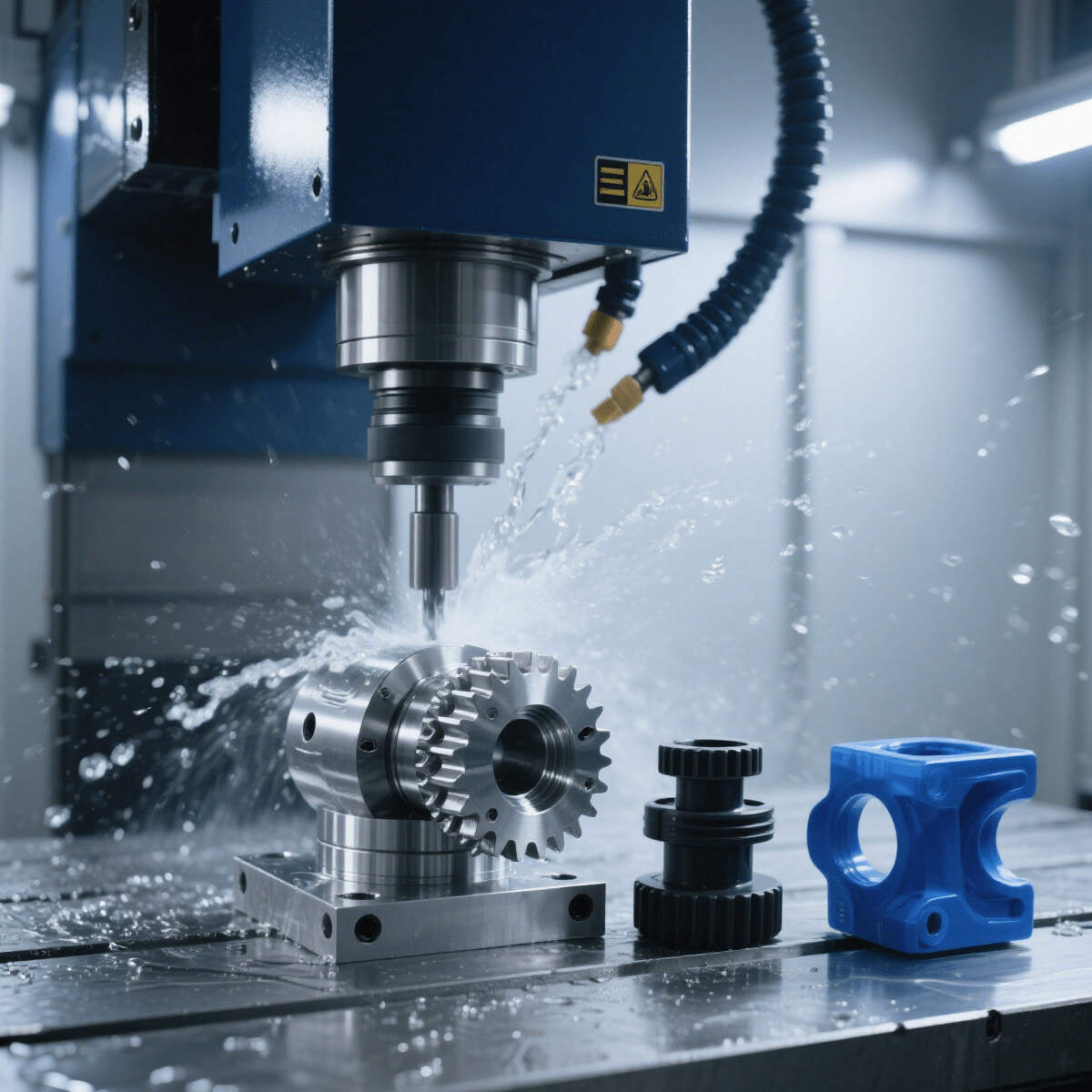
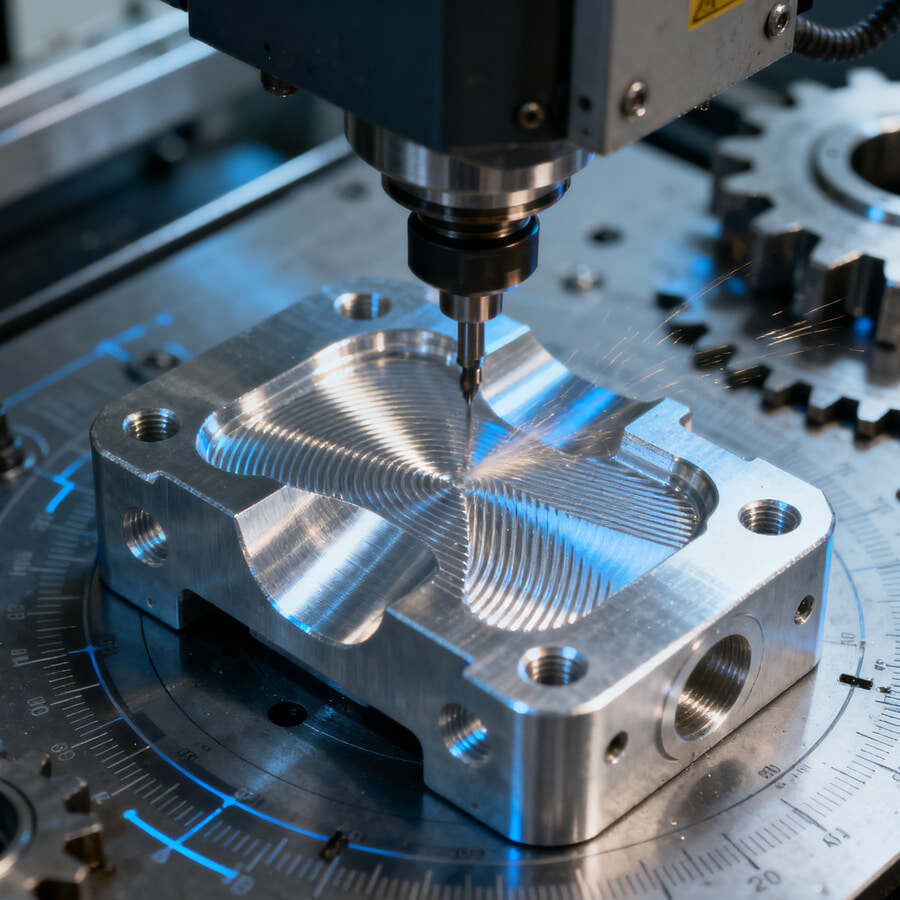
The cornerstone of modern prototype machining lies in advanced multi-axis CNC technology that delivers unparalleled precision and complexity capabilities. This sophisticated machining approach utilizes computer-controlled cutting tools that can move along multiple axes simultaneously, enabling the creation of intricate geometries and complex internal features that would be impossible to achieve through conventional manufacturing methods. The multi-axis configuration, typically featuring 3, 4, or 5-axis capabilities, allows cutting tools to approach workpieces from multiple angles during a single setup, significantly reducing handling time and improving dimensional accuracy by minimizing repositioning errors. This technology excels in producing prototypes with curved surfaces, undercuts, angled holes, and complex contours that mirror the exact specifications of final production parts. The precision achieved through multi-axis prototype machining reaches tolerances of ±0.001 inches or better, ensuring that prototypes provide accurate representation of production intent and reliable performance testing results. The integration of advanced CAM software optimizes toolpaths and cutting parameters, maximizing material removal rates while maintaining surface finish quality and dimensional accuracy. This technological advantage proves particularly valuable in industries such as aerospace, where complex turbine blades and engine components require intricate geometries with tight tolerances, or in medical device manufacturing where precision is critical for patient safety and regulatory compliance. The multi-axis capability also enables the machining of complete prototypes in fewer setups, reducing production time and associated costs while improving overall quality through consistent workholding and reference positioning. Advanced spindle technologies incorporated in modern prototype machining centers provide high-speed capabilities and exceptional stability, enabling fine detail work and superior surface finishes that often eliminate secondary finishing operations. The technology supports a wide range of cutting tools and materials, from high-speed steel and carbide to ceramic and diamond-coated tools, ensuring optimal performance across diverse material applications and prototype requirements.
Rapid Turnaround and Design Iteration Support

Rapid Turnaround and Design Iteration Support

Prototype machining excels in providing rapid turnaround times that dramatically accelerate product development cycles and support agile design methodologies. This speed advantage stems from the direct translation of digital designs into physical components without the need for expensive tooling, molds, or lengthy setup procedures required by traditional manufacturing processes. Modern prototype machining facilities can typically produce functional prototypes within days rather than weeks or months, enabling design teams to maintain momentum and respond quickly to market feedback or technical discoveries. The rapid iteration capability proves invaluable during the product development process, allowing engineers to test multiple design variations, implement improvements, and validate performance characteristics through successive prototype generations. This iterative approach supports fail-fast methodologies that identify and resolve design issues early in the development cycle, preventing costly mistakes and delays in later production phases. The speed of prototype machining enables concurrent engineering practices where multiple design aspects can be developed and tested simultaneously, further compressing development timelines and improving overall project efficiency. Advanced scheduling and production management systems in prototype machining facilities optimize workflow and resource allocation, ensuring maximum throughput and predictable delivery times that support project planning and milestone achievement. The rapid turnaround capability extends beyond initial prototype production to include design modifications and refinements, with changes often implemented and new prototypes delivered within 24-48 hours of design updates. This responsiveness proves crucial in competitive markets where time-to-market advantages can determine product success and market share capture. The technology supports rush orders and expedited processing when urgent prototypes are needed for trade shows, investor presentations, or critical design reviews, providing flexibility that accommodates dynamic business requirements. Quality control processes integrated into rapid prototype machining workflows ensure that speed does not compromise accuracy or functionality, maintaining high standards while delivering exceptional turnaround performance. The rapid iteration support includes comprehensive documentation and revision tracking, enabling design teams to maintain clear records of design evolution and decision-making processes throughout the development cycle.
Material Versatility and Production-Intent Testing

Material Versatility and Production-Intent Testing

The exceptional material versatility of prototype machining enables the creation of prototypes using the exact same materials intended for final production, providing authentic testing conditions and reliable performance validation results. This capability extends across an extensive range of materials including aerospace aluminum alloys, stainless steel grades, titanium, exotic superalloys, engineering plastics, composites, and specialty materials with unique properties required for specific applications. The ability to machine production-intent materials ensures that prototype testing accurately reflects real-world performance characteristics, including mechanical properties, thermal behavior, chemical resistance, and wear characteristics that are critical for comprehensive product validation. Advanced prototype machining centers accommodate materials with varying machinability characteristics, from soft aluminum alloys that require high-speed cutting to hardened tool steels that demand specialized cutting strategies and robust machine construction. The material versatility extends to exotic materials used in specialized applications, such as Inconel for high-temperature aerospace components, medical-grade titanium for implants, or advanced polymers for electronic housings, ensuring that prototypes can be produced for virtually any application requirement. Sophisticated material handling and cutting parameter optimization ensure that each material is processed using appropriate speeds, feeds, and cutting tools that maximize quality while minimizing processing time and costs. The production-intent testing capability provides invaluable insights into material behavior, joint interfaces, assembly procedures, and functional performance that cannot be accurately assessed using substitute materials or alternative manufacturing processes. This authentic material testing supports regulatory compliance requirements in industries such as medical devices and aerospace, where material certifications and performance validation are mandatory for product approval and market introduction. The material versatility also enables the production of multi-material prototypes that incorporate different materials within a single assembly, providing comprehensive testing of material interactions, thermal expansion differences, and joint performance characteristics. Advanced material selection guidance from experienced prototype machining professionals helps optimize material choices based on application requirements, cost considerations, and manufacturing feasibility, ensuring that prototype materials align with production goals and constraints. The capability to work with certified materials and maintain material traceability throughout the prototype machining process supports quality management systems and regulatory documentation requirements essential for commercialization success.