Premium CNC Aluminum Parts - Precision Machined Components for Industrial Applications

All Categories

cnc aluminum parts

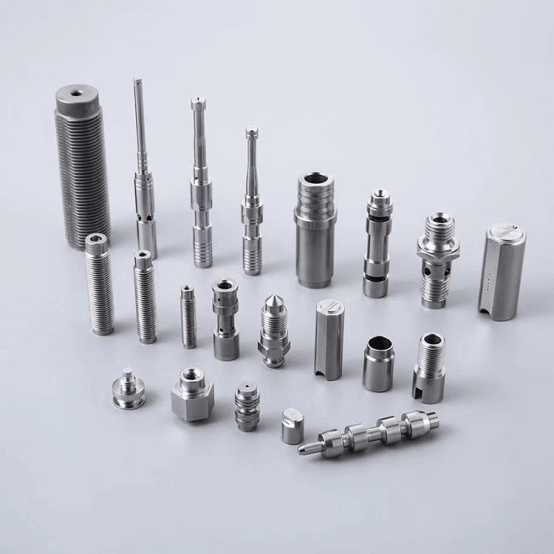
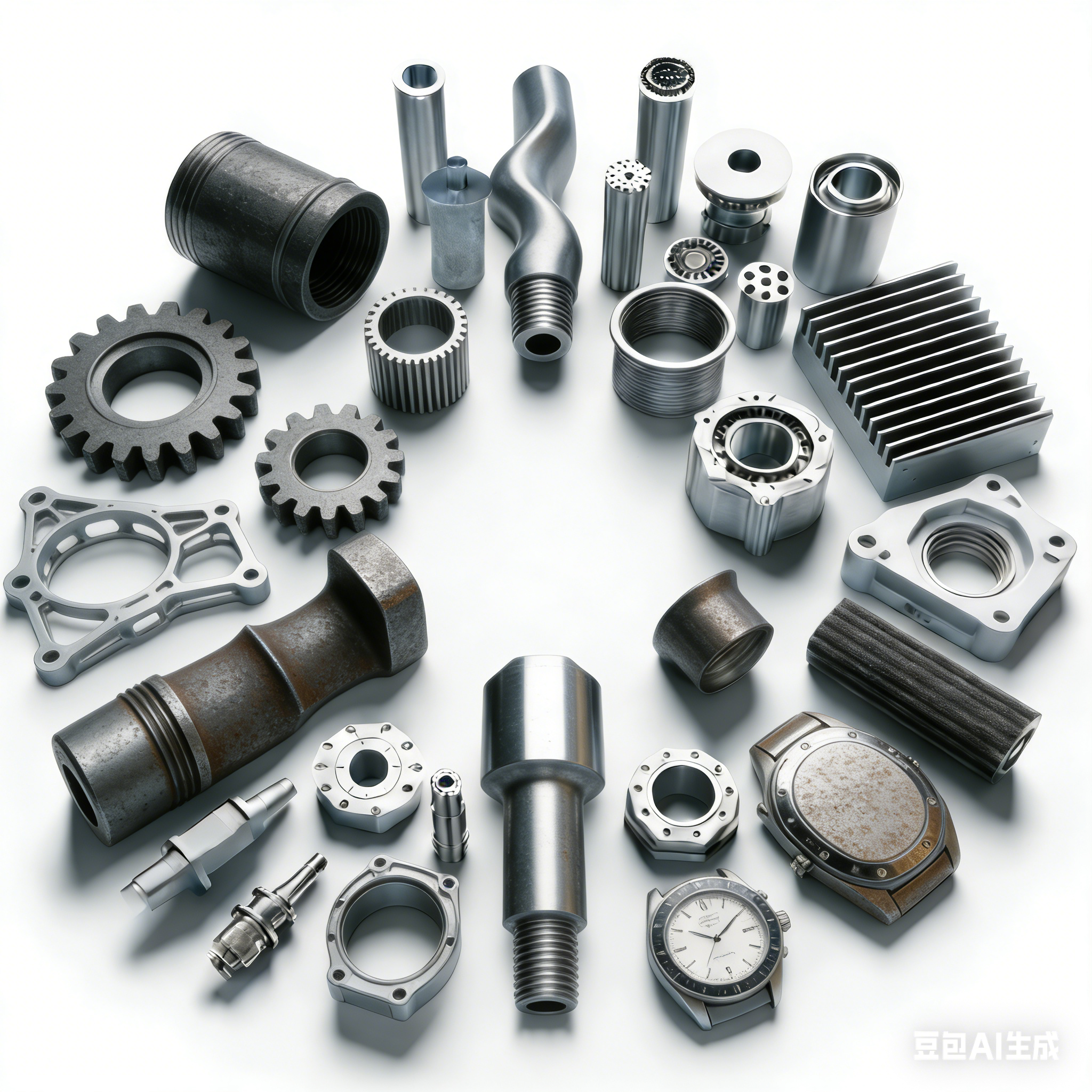
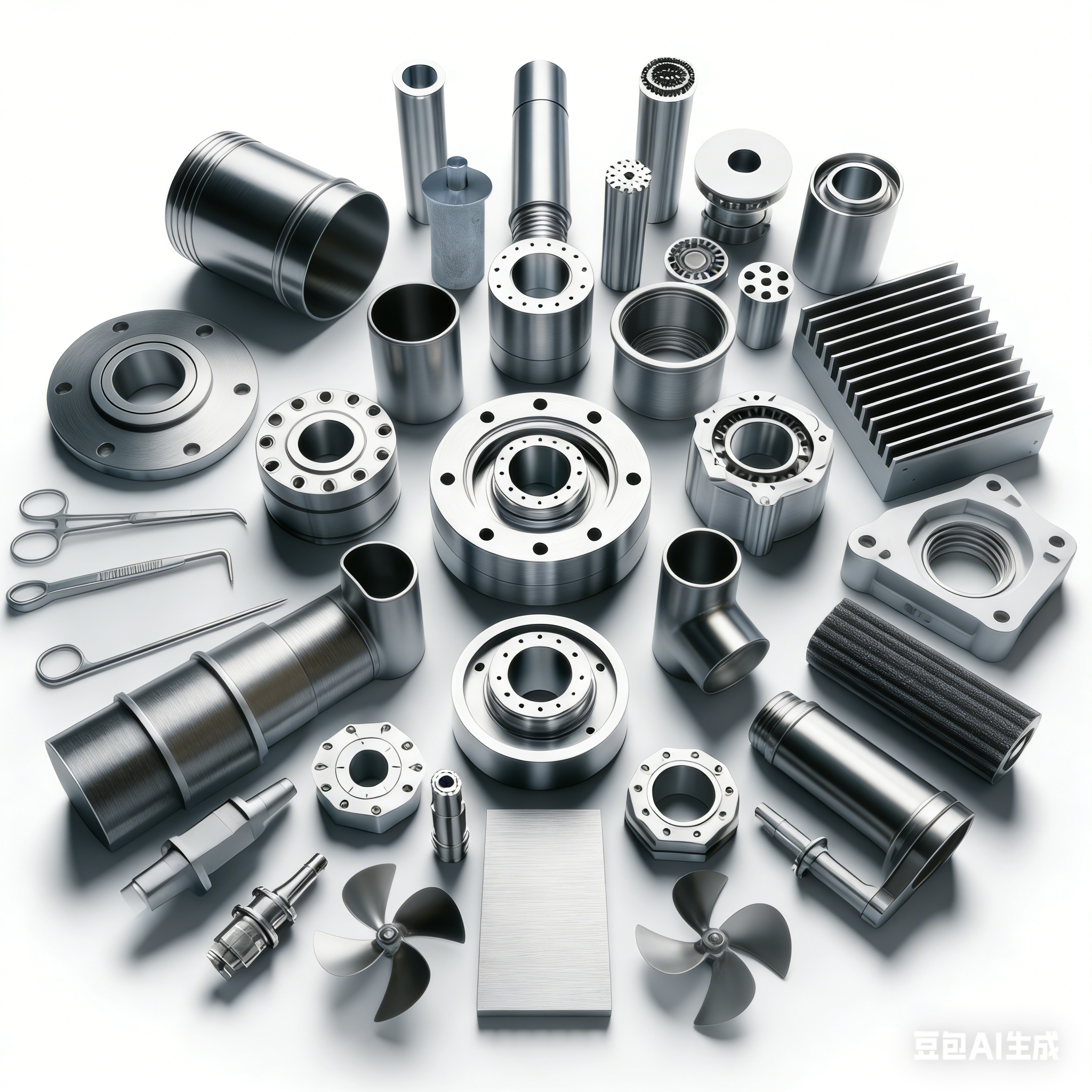
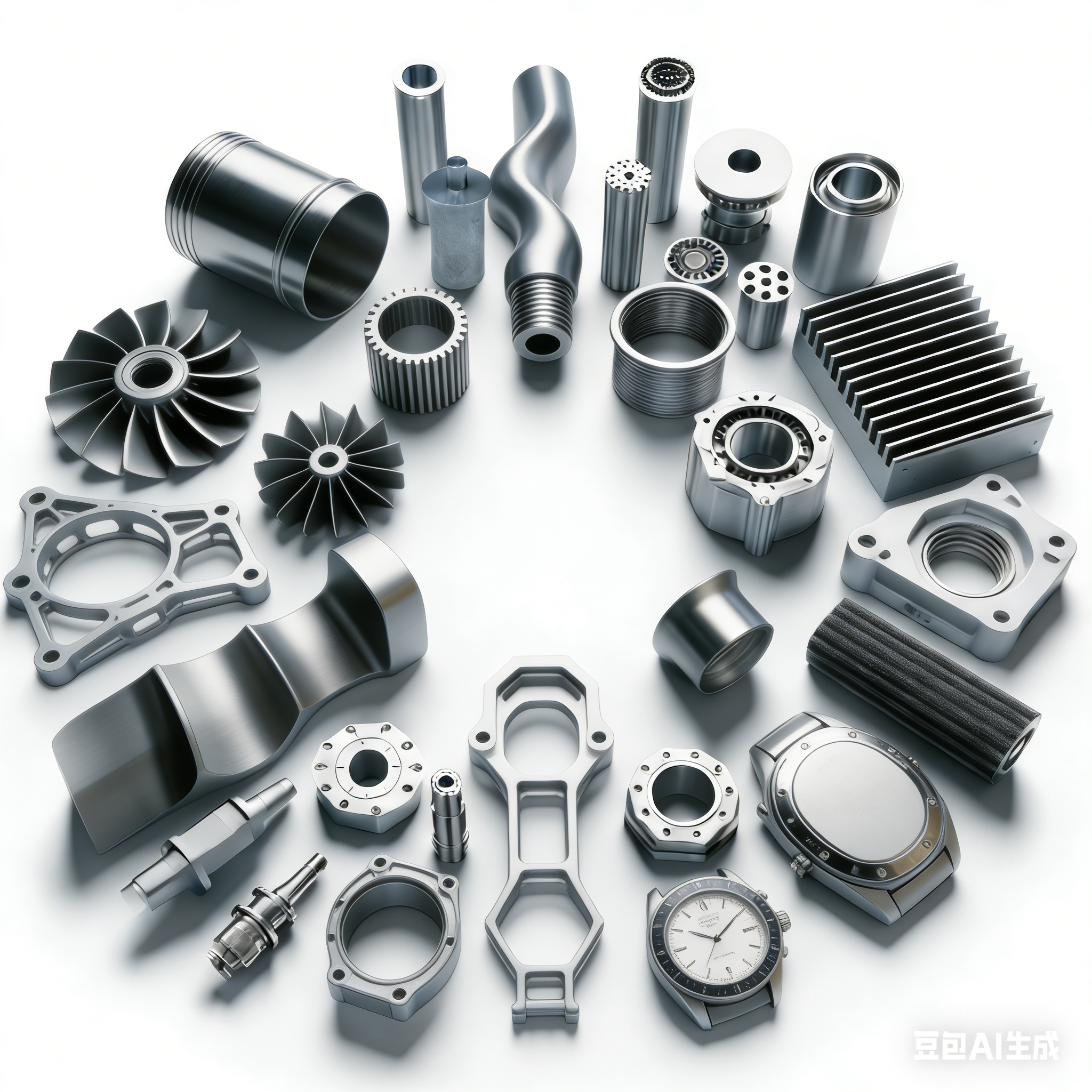
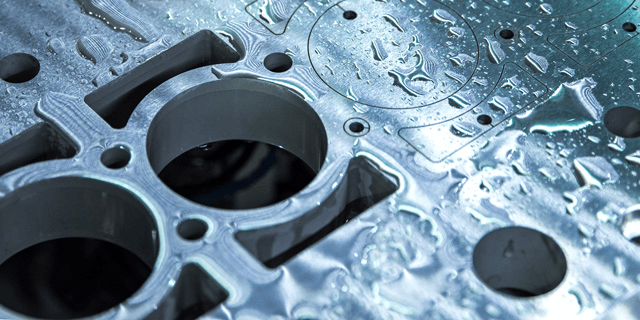
CNC aluminum parts represent the pinnacle of precision engineering in modern manufacturing, combining advanced computer numerical control technology with the exceptional properties of aluminum alloys. These components are created through sophisticated machining processes that utilize computer-controlled cutting tools to remove material from aluminum stock with extraordinary accuracy and repeatability. The manufacturing process involves programming detailed instructions into CNC machines, which then execute complex cutting patterns to produce parts with tolerances as tight as ±0.001 inches. CNC aluminum parts serve as critical components across numerous industries, from aerospace and automotive to electronics and medical devices. The primary functions of these precision-engineered components include structural support, heat dissipation, electrical conductivity, and weight reduction in various applications. Aluminum's natural corrosion resistance makes these parts ideal for outdoor and marine environments, while their lightweight properties contribute significantly to fuel efficiency in transportation applications. The technological features of CNC aluminum parts encompass superior surface finishes, complex geometries, and consistent dimensional accuracy that traditional manufacturing methods cannot achieve. Modern CNC machining centers can produce intricate features such as thin walls, deep cavities, and complex contours while maintaining exceptional precision throughout the production run. These parts can be manufactured from various aluminum grades, including 6061-T6 for general applications, 7075 for high-strength requirements, and 2024 for aerospace applications. The versatility of CNC aluminum parts extends to their compatibility with secondary operations such as anodizing, powder coating, and chemical etching. Applications span from aircraft components and automotive engine parts to consumer electronics housings and architectural elements. The ability to produce both prototype quantities and high-volume production runs makes CNC aluminum parts an ideal solution for companies seeking reliable, high-quality components that meet stringent performance requirements while maintaining cost-effectiveness.
Popular Products

CNC aluminum parts deliver exceptional value through their superior strength-to-weight ratio, making them ideal for applications where reducing mass is crucial without compromising structural integrity. This advantage translates directly into improved fuel efficiency for automotive and aerospace applications, lower shipping costs, and easier handling during assembly processes. The precision manufacturing process ensures consistent quality across production runs, eliminating the variations commonly found in traditional machining methods and reducing the need for quality control inspections. Customers benefit from faster project timelines since CNC aluminum parts can be produced directly from digital designs without requiring expensive tooling or lengthy setup procedures. The excellent thermal conductivity of aluminum makes these parts perfect for heat management applications, allowing electronic devices to operate at optimal temperatures and extending component lifespan. Corrosion resistance inherent in aluminum alloys means these parts require minimal maintenance and offer extended service life, even in challenging environmental conditions including saltwater exposure and extreme weather. The material's natural properties eliminate the need for additional protective coatings in many applications, reducing both initial costs and ongoing maintenance expenses. CNC aluminum parts can be manufactured with complex internal channels and intricate geometries that would be impossible or prohibitively expensive using other manufacturing methods, enabling innovative design solutions that improve product performance. The recyclability of aluminum makes these parts an environmentally responsible choice, supporting sustainability initiatives while maintaining high performance standards. Cost-effectiveness becomes apparent through reduced material waste during manufacturing, faster production cycles, and the elimination of secondary machining operations. The compatibility with various finishing processes allows customers to achieve desired aesthetic and functional properties, from high-gloss anodized finishes to specialized coatings for specific applications. Dimensional stability ensures that CNC aluminum parts maintain their precise specifications throughout their service life, preventing assembly issues and reducing warranty claims. The ability to produce small quantities economically makes CNC aluminum parts suitable for custom applications and prototype development, allowing companies to test designs before committing to large-scale production investments.

Tips And Tricks

The cleaning of precision components is crucial to ensuring their smoothness and functionality.

29

Nov

The cleaning of precision components is crucial to ensuring their smoothness and functionality.

View More
Methods to Improve the Efficiency of Precision Component Processing

29

Nov

Methods to Improve the Efficiency of Precision Component Processing

View More
Kindness Warms the Heart, Responsibility in Action

29

Nov

Kindness Warms the Heart, Responsibility in Action

View More
Design Knowledge for Shaft Pin Components

29

Nov

Design Knowledge for Shaft Pin Components

View More

Get a Free Quote

Our representative will contact you soon.
Email
Name
Company Name
WhatsApp
Message
0/1000

cnc aluminum parts

Unmatched Precision and Quality Control

Unmatched Precision and Quality Control

CNC aluminum parts achieve precision levels that set new standards in manufacturing excellence, with dimensional tolerances routinely held to within ±0.0005 inches across complex geometries. This extraordinary precision stems from the computer-controlled nature of CNC machining, which eliminates human error and ensures consistent repeatability across thousands of parts. The advanced software systems governing modern CNC machines utilize sophisticated algorithms to optimize tool paths, cutting speeds, and feed rates, resulting in superior surface finishes that often eliminate the need for secondary finishing operations. Quality control measures integrated into the CNC aluminum parts manufacturing process include real-time monitoring systems that detect and correct variations before they affect part quality, ensuring every component meets exact specifications. The precision capabilities extend to complex features such as threaded holes, counterbores, and intricate pocket geometries that maintain perfect alignment and dimensional accuracy throughout the machining process. Statistical process control methods track key measurements continuously, providing documentation that validates the consistent quality of CNC aluminum parts and supports quality certifications required in aerospace, medical, and automotive applications. Advanced measuring equipment including coordinate measuring machines and laser scanners verify dimensional accuracy at multiple stages of production, ensuring that even the most complex CNC aluminum parts meet stringent engineering requirements. The combination of rigid machine construction, high-precision spindles, and advanced cutting tools enables the production of parts with surface finishes as smooth as 32 microinches Ra, eliminating the need for costly hand polishing or grinding operations. Temperature compensation systems account for thermal expansion during machining, maintaining accuracy even during extended production runs when machine components heat up from continuous operation. The precision achieved in CNC aluminum parts manufacturing translates into perfect fit and function in final assemblies, reducing assembly time and eliminating the need for field adjustments or modifications that can compromise product performance and reliability.
Exceptional Versatility and Design Freedom

Exceptional Versatility and Design Freedom

CNC aluminum parts offer unprecedented design flexibility that empowers engineers and designers to create innovative solutions previously impossible with conventional manufacturing methods. The multi-axis capabilities of modern CNC machining centers enable the production of complex three-dimensional shapes, undercuts, and intricate internal features in a single setup, eliminating the need for multiple operations and reducing dimensional variations between features. This versatility extends to the ability to machine parts from solid billets, creating components with superior structural integrity compared to assemblies made from multiple welded or fastened pieces. The range of machinable aluminum alloys provides designers with options to optimize material properties for specific applications, from the excellent machinability of 6061 aluminum for general applications to the high strength of 7075 alloy for demanding aerospace components. CNC aluminum parts can incorporate features such as integrated cooling channels, complex internal cavities, and precision mounting surfaces that would require expensive secondary operations or specialized manufacturing processes using other methods. The ability to produce both thin-walled sections for weight reduction and thick sections for structural support within the same part provides designers with unprecedented freedom to optimize component performance. Advanced CAM software enables the machining of organic shapes and compound curves that follow aerodynamic or ergonomic requirements, supporting the development of high-performance products in competitive markets. The compatibility of CNC aluminum parts with various post-processing operations including anodizing, chemical etching, and laser marking allows for the integration of functional and aesthetic features that enhance product appeal and performance. Rapid prototyping capabilities enable designers to test and refine concepts quickly, accelerating product development cycles and reducing time-to-market for new innovations. The scalability of CNC aluminum parts production from single prototypes to high-volume manufacturing runs provides flexibility to match production quantities with market demand without requiring significant retooling investments. Custom fixturing and specialized tooling can be developed to support unique part geometries, ensuring that even the most challenging designs can be manufactured reliably and cost-effectively using CNC aluminum parts technology.
Superior Performance and Durability

Superior Performance and Durability

CNC aluminum parts deliver exceptional performance characteristics that exceed the capabilities of components manufactured using alternative materials and processes, providing long-term reliability in demanding applications. The inherent properties of aluminum alloys combined with precision CNC manufacturing create parts with outstanding fatigue resistance, enabling them to withstand millions of stress cycles without failure in high-vibration environments such as automotive and aerospace applications. The excellent strength-to-weight ratio of CNC aluminum parts provides structural efficiency that reduces overall system weight while maintaining or improving load-carrying capacity, contributing to energy efficiency and improved performance in mobile applications. Thermal management capabilities built into CNC aluminum parts through integrated heat sinks, cooling fins, and thermal pathways ensure optimal operating temperatures for sensitive electronic components and high-performance engines. The corrosion resistance of aluminum alloys used in CNC aluminum parts eliminates the need for protective coatings in many environments, reducing maintenance requirements and extending service life significantly compared to steel alternatives. Dimensional stability throughout temperature cycles ensures that CNC aluminum parts maintain precise fits and clearances even when subjected to extreme temperature variations, preventing binding or excessive wear in mechanical systems. The fine grain structure achieved through controlled CNC machining processes enhances the mechanical properties of aluminum, creating parts with improved tensile strength and impact resistance compared to cast or formed alternatives. Surface integrity maintained during CNC machining eliminates stress concentrations that can lead to premature failure, ensuring that CNC aluminum parts achieve their full design life potential. The ability to incorporate stress-relief features such as radius transitions and optimized fillet geometries during the machining process enhances the fatigue life of CNC aluminum parts beyond what can be achieved through post-machining modifications. Electrical conductivity properties of aluminum make CNC aluminum parts ideal for applications requiring efficient current flow or electromagnetic shielding, supporting the performance of electronic systems and electrical components. The chemical inertness of aluminum ensures that CNC aluminum parts do not contaminate sensitive processes or react with other materials in the system, maintaining purity and performance in critical applications such as food processing and pharmaceutical manufacturing equipment.