Professional Aluminum Machining Services | Precision CNC Manufacturing Solutions

All Categories

aluminum machining

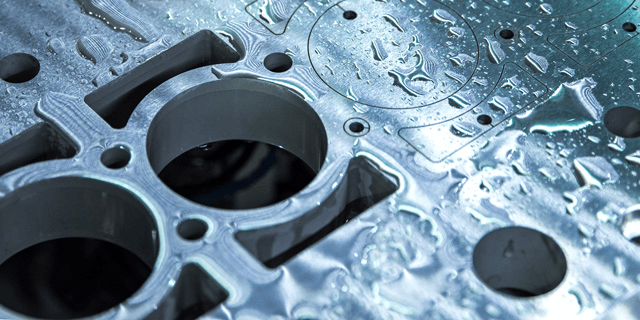
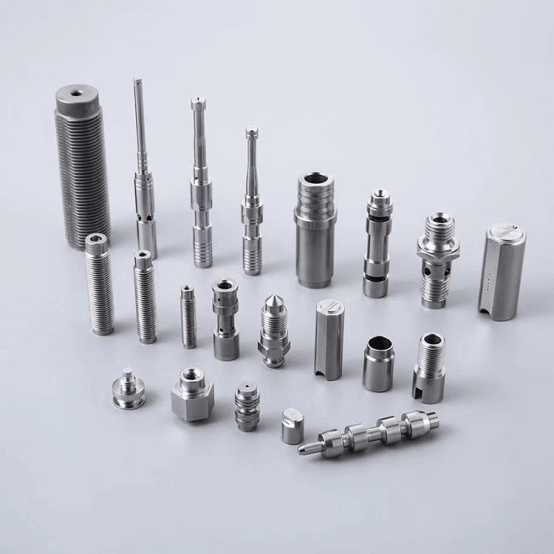
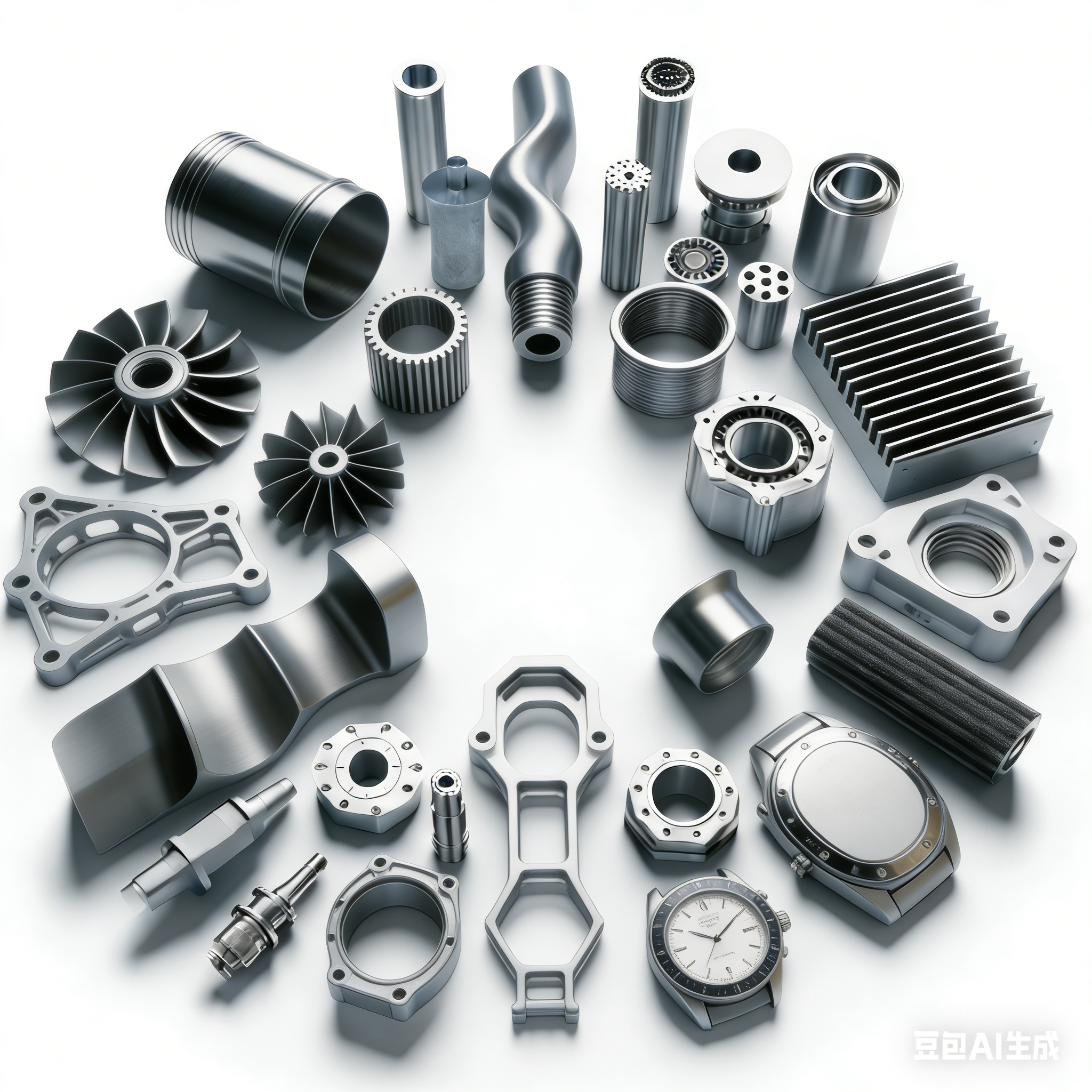
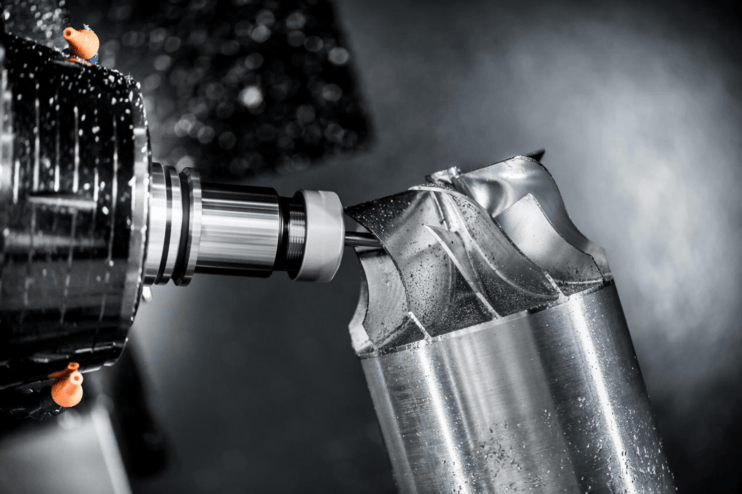
Aluminum machining represents a sophisticated manufacturing process that transforms raw aluminum materials into precise, functional components through various cutting, shaping, and finishing operations. This advanced manufacturing technique utilizes computer-controlled machinery and specialized tooling to create complex geometries with exceptional accuracy and surface quality. The process encompasses multiple methodologies including CNC milling, turning, drilling, and threading, each designed to achieve specific dimensional requirements and surface characteristics. Modern aluminum machining facilities employ state-of-the-art equipment capable of maintaining tolerances as tight as ±0.001 inches while processing components ranging from simple brackets to intricate aerospace assemblies. The technological foundation of aluminum machining relies on sophisticated CAD/CAM software systems that generate precise toolpaths, optimize cutting parameters, and ensure consistent quality across production runs. These systems integrate seamlessly with multi-axis CNC machines, enabling simultaneous operations that reduce cycle times and enhance productivity. Temperature control systems prevent thermal distortion during processing, while advanced coolant delivery systems ensure optimal chip evacuation and surface finish quality. Quality assurance protocols incorporate coordinate measuring machines and optical inspection systems to verify dimensional accuracy throughout production cycles. The versatility of aluminum machining extends across numerous industries including automotive, aerospace, electronics, medical devices, and consumer products. Automotive applications utilize aluminum machining for engine components, transmission housings, and lightweight structural elements that improve fuel efficiency. Aerospace manufacturers depend on precision aluminum machining for critical flight components requiring exceptional strength-to-weight ratios and dimensional stability. Electronics industries leverage aluminum machining for heat sinks, enclosures, and connector components that provide electromagnetic shielding and thermal management. Medical device applications benefit from biocompatible aluminum alloys processed through specialized machining techniques that ensure sterility and precision. The continuous evolution of aluminum machining technology incorporates artificial intelligence algorithms that optimize cutting parameters in real-time, predictive maintenance systems that minimize downtime, and advanced materials handling solutions that streamline production workflows.

New Product Releases

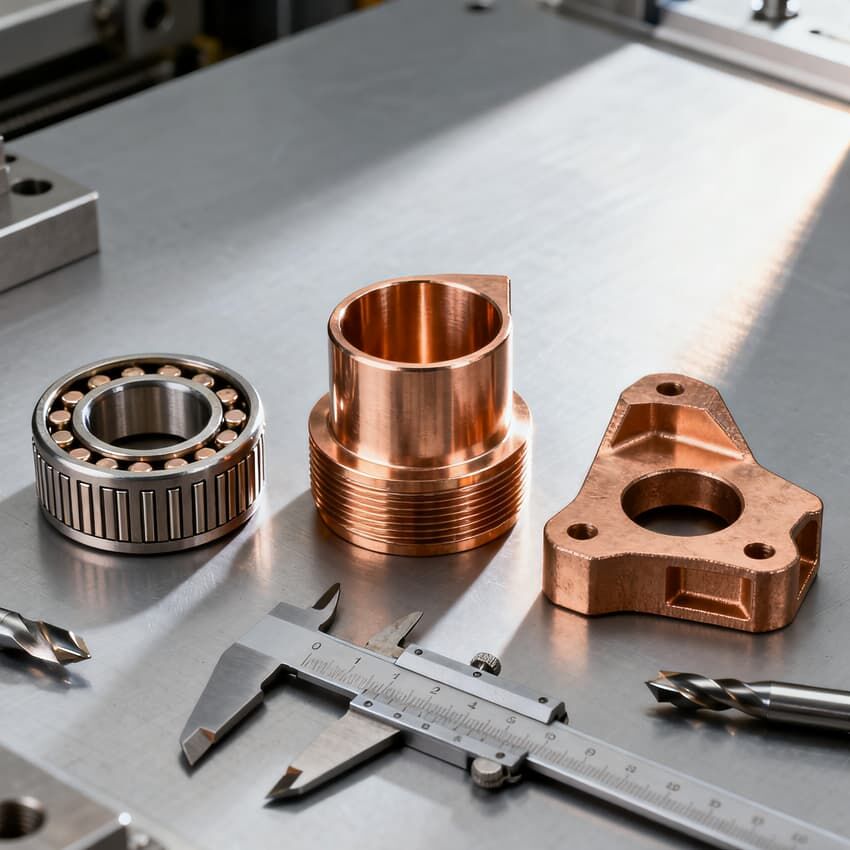
Aluminum machining delivers exceptional value through its remarkable combination of precision, efficiency, and versatility that directly benefits manufacturers across diverse industries. The process achieves superior dimensional accuracy with tolerances reaching ±0.0005 inches, ensuring components fit perfectly within assemblies and perform reliably throughout their service life. This level of precision eliminates costly rework, reduces assembly time, and enhances overall product quality. The lightweight properties of aluminum, combined with precise machining capabilities, create components that weigh significantly less than steel alternatives while maintaining comparable strength characteristics. This weight reduction translates into improved fuel efficiency for automotive applications, enhanced payload capacity for aerospace systems, and reduced shipping costs across all industries. Aluminum machining offers remarkable speed advantages through high spindle speeds and aggressive cutting parameters that aluminum's excellent machinability enables. Production cycles complete faster than comparable operations on harder materials, reducing manufacturing lead times and enabling rapid response to customer demands. The process accommodates both prototype quantities and high-volume production runs with equal efficiency, providing flexibility that adapts to changing market conditions. Cost effectiveness emerges through multiple factors including reduced tool wear, lower energy consumption, and minimal waste generation. Aluminum's excellent chip evacuation properties prevent built-up edge formation, extending tool life and reducing replacement costs. The material's thermal conductivity dissipates heat effectively, preventing thermal damage and maintaining consistent surface finishes without expensive secondary operations. Aluminum machining supports complex geometries through multi-axis capabilities that eliminate multiple setups and reduce handling time. Single-setup operations create intricate features with maintained positional accuracy, reducing cumulative tolerances and improving final component quality. Surface finish quality achieved through aluminum machining often eliminates secondary finishing operations, reducing production costs and delivery times. The process generates minimal environmental impact through excellent recyclability properties and reduced energy consumption compared to alternative manufacturing methods. Aluminum chips and waste materials retain full recycling value, creating sustainable manufacturing practices that appeal to environmentally conscious customers. Modern aluminum machining incorporates automated systems that reduce labor costs while improving consistency and safety. Robotic loading systems, automated tool changers, and integrated quality inspection systems minimize human intervention while maximizing productivity and precision.

Practical Tips

The cleaning of precision components is crucial to ensuring their smoothness and functionality.

29

Nov

The cleaning of precision components is crucial to ensuring their smoothness and functionality.

View More
Methods to Improve the Efficiency of Precision Component Processing

29

Nov

Methods to Improve the Efficiency of Precision Component Processing

View More
Kindness Warms the Heart, Responsibility in Action

29

Nov

Kindness Warms the Heart, Responsibility in Action

View More
Design Knowledge for Shaft Pin Components

29

Nov

Design Knowledge for Shaft Pin Components

View More

Get a Free Quote

Our representative will contact you soon.
Email
Name
Company Name
WhatsApp
Message
0/1000

aluminum machining

Superior Material Properties and Machinability Excellence

Superior Material Properties and Machinability Excellence

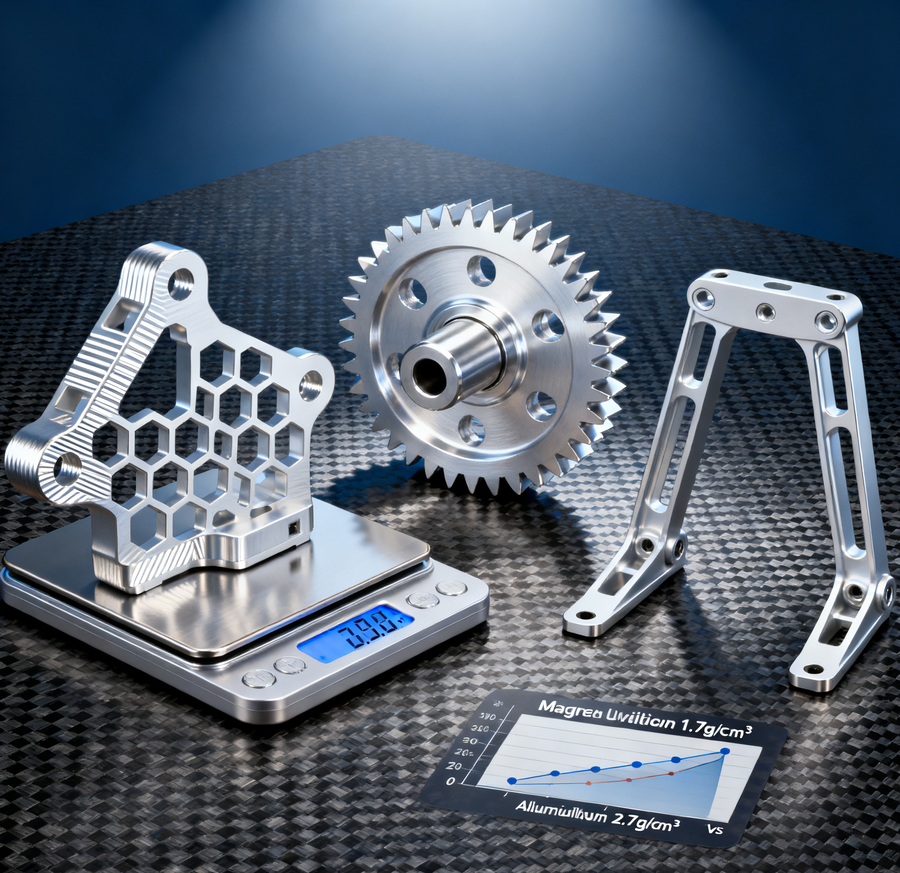
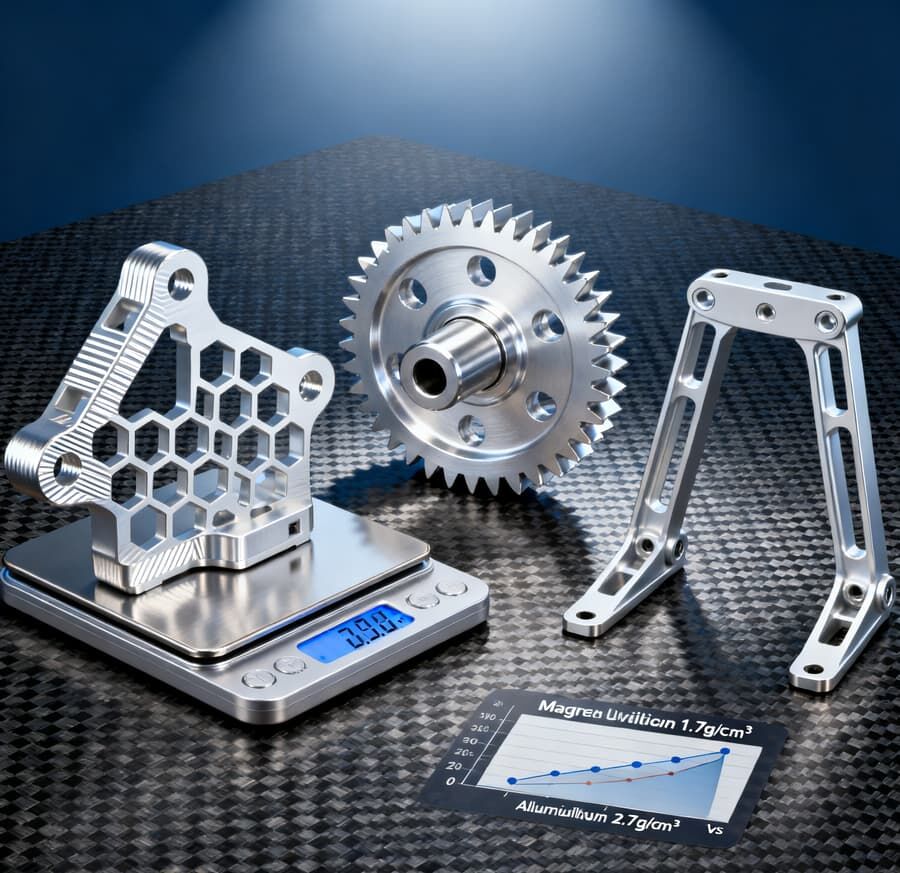
Aluminum machining capitalizes on aluminum's exceptional material properties that create unmatched processing advantages for manufacturers seeking optimal performance and efficiency. The inherent characteristics of aluminum alloys provide superior machinability compared to steel, titanium, and other common engineering materials, enabling higher cutting speeds, extended tool life, and exceptional surface finish quality. Aluminum's excellent thermal conductivity rapidly dissipates heat generated during cutting operations, preventing thermal buildup that typically causes tool wear, dimensional distortion, and surface quality degradation. This thermal management capability allows aluminum machining operations to utilize aggressive cutting parameters that significantly reduce cycle times while maintaining precision tolerances. The material's low cutting forces require less powerful machinery and generate minimal vibration, contributing to improved surface finishes and dimensional accuracy. Aluminum's chip formation characteristics create short, easily evacuated chips that prevent built-up edge formation on cutting tools, a common problem with other materials that leads to poor surface finishes and premature tool failure. These favorable machining properties translate directly into cost savings through reduced tool replacement frequency, lower energy consumption, and decreased machine maintenance requirements. The lightweight nature of aluminum, with a density approximately one-third that of steel, provides significant advantages in applications where weight reduction is critical. Aerospace components benefit from aluminum's exceptional strength-to-weight ratio, enabling aircraft to carry larger payloads while consuming less fuel. Automotive applications leverage aluminum's weight savings to improve vehicle efficiency and performance while maintaining structural integrity and safety standards. The corrosion resistance properties of aluminum alloys eliminate the need for protective coatings in many applications, reducing processing costs and environmental impact. Aluminum machining processes can achieve mirror-like surface finishes directly from cutting operations, often eliminating secondary finishing requirements that add cost and complexity to manufacturing workflows. The material's excellent electrical and thermal conductivity makes it ideal for electronic applications requiring heat dissipation or electrical conduction properties.
Advanced CNC Technology Integration and Precision Manufacturing

Advanced CNC Technology Integration and Precision Manufacturing

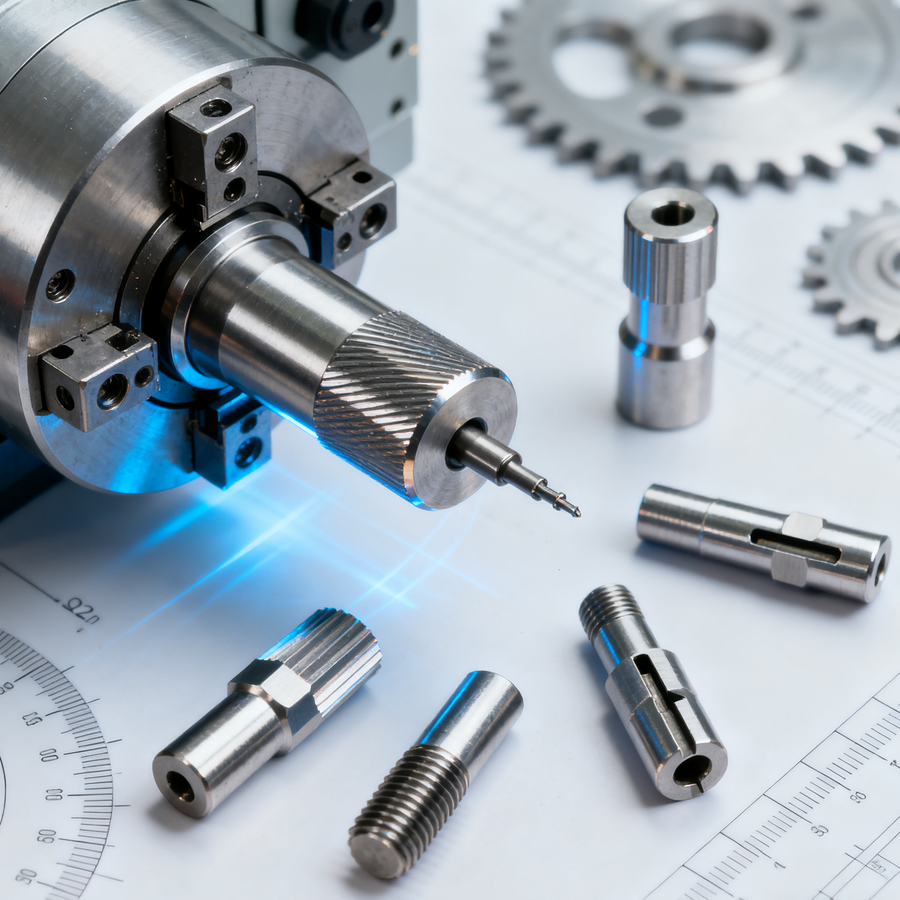
Modern aluminum machining leverages cutting-edge CNC technology that delivers unprecedented precision, consistency, and efficiency in component manufacturing. Advanced multi-axis CNC machines equipped with sophisticated control systems can simultaneously perform multiple operations while maintaining positional accuracy within micrometers. These systems integrate seamlessly with CAD/CAM software that optimizes toolpaths, cutting parameters, and cycle times to maximize productivity while ensuring dimensional accuracy. Real-time monitoring systems continuously track cutting forces, temperature, and vibration levels to adjust parameters automatically and prevent quality deviations. The integration of artificial intelligence algorithms enables predictive maintenance scheduling that minimizes unexpected downtime and maintains consistent production schedules. High-speed spindle technology allows aluminum machining operations to utilize cutting speeds exceeding 20,000 RPM, dramatically reducing cycle times compared to conventional machining processes. Adaptive feed rate control systems automatically adjust cutting parameters based on material variations and tool wear conditions, maintaining optimal performance throughout production runs. Advanced workholding systems secure components with minimal distortion while providing access for complex machining operations from multiple angles. Tool management systems automatically select, install, and monitor cutting tools, ensuring optimal performance and preventing tool breakage that could damage components or machinery. Quality control integration includes in-process measurement systems that verify dimensions during machining operations, enabling immediate corrections before non-conforming parts are produced. Lights-out manufacturing capabilities allow aluminum machining operations to continue unattended during off-shifts, maximizing equipment utilization and reducing per-part costs. Modular fixturing systems enable rapid changeovers between different component configurations, reducing setup times and improving manufacturing flexibility. The integration of robotic systems for part loading, unloading, and handling creates fully automated manufacturing cells that operate with minimal human intervention while maintaining consistent quality and productivity levels.
Versatile Applications and Industry-Specific Solutions

Versatile Applications and Industry-Specific Solutions

Aluminum machining serves diverse industries with specialized solutions that address unique performance requirements, regulatory standards, and operational challenges across multiple market sectors. Aerospace applications demand components that meet stringent weight, strength, and reliability specifications while conforming to rigorous certification standards. Aluminum machining produces critical flight components including engine mounts, control surfaces, structural brackets, and landing gear components that must withstand extreme operating conditions while maintaining dimensional stability. The process accommodates specialized aluminum alloys designed for aerospace applications, including heat-treatable grades that achieve exceptional strength properties through controlled thermal processing. Automotive industry applications benefit from aluminum machining's ability to create lightweight components that improve vehicle fuel efficiency and performance while meeting safety requirements. Engine blocks, transmission cases, suspension components, and body panels utilize aluminum's excellent strength-to-weight characteristics to reduce overall vehicle weight without compromising structural integrity. Medical device manufacturing relies on aluminum machining to create biocompatible components for surgical instruments, diagnostic equipment, and implantable devices. The process accommodates medical-grade aluminum alloys that meet FDA requirements for biocompatibility and sterility while achieving the precision tolerances required for critical medical applications. Electronics industry applications leverage aluminum's excellent thermal conductivity for heat sink manufacturing, electromagnetic shielding enclosures, and precision connector components. The machining process creates complex cooling geometries that optimize thermal management in high-power electronic systems while maintaining electrical isolation properties. Marine applications utilize aluminum machining for corrosion-resistant components that withstand saltwater environments while providing lightweight alternatives to traditional steel construction. Architectural applications benefit from aluminum's aesthetic appeal and weather resistance, with machining processes creating decorative elements, structural components, and building envelope systems. Defense applications require components that meet military specifications for performance, durability, and reliability under extreme conditions. The versatility of aluminum machining accommodates specialized requirements including non-magnetic properties, EMI shielding capabilities, and resistance to environmental contamination while maintaining precision tolerances essential for mission-critical applications.