Premium CNC Stainless Steel Manufacturing - Precision Components & Custom Solutions

All Categories

cnc stainless steel

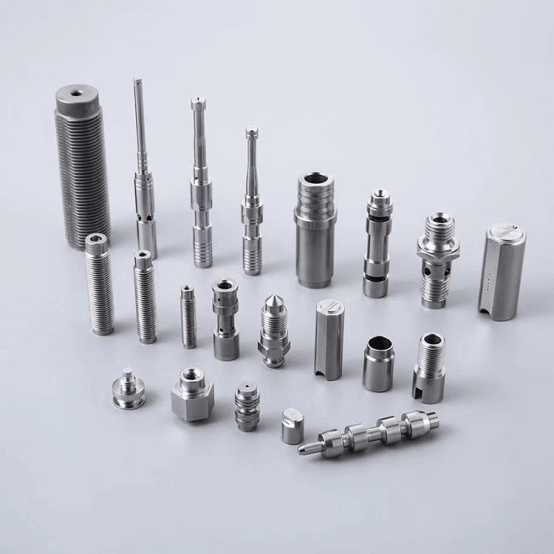
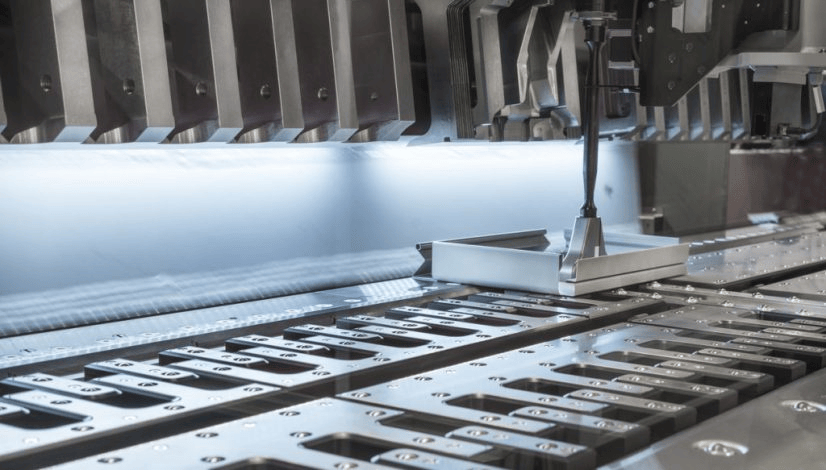
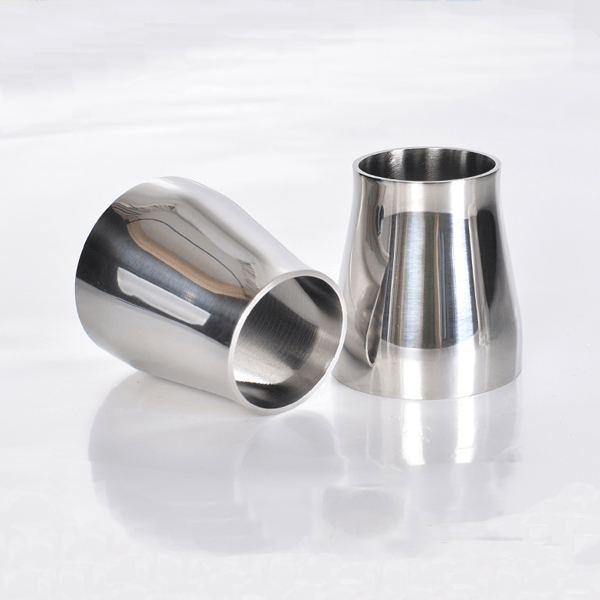
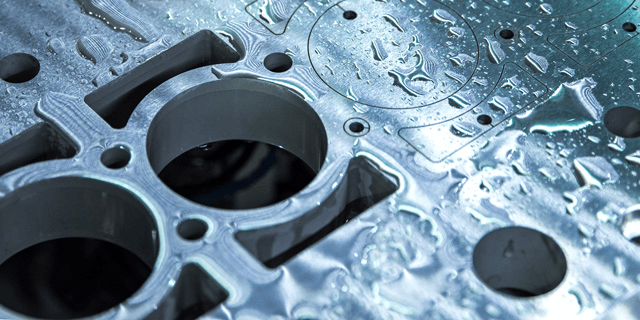
CNC stainless steel represents the perfect fusion of advanced computer-controlled machining technology and high-grade stainless steel materials, delivering exceptional precision and durability for diverse industrial applications. This sophisticated manufacturing process utilizes Computer Numerical Control systems to shape, cut, and form stainless steel components with remarkable accuracy and consistency. The technology combines the inherent corrosion resistance, strength, and aesthetic appeal of stainless steel with the precision capabilities of modern CNC machining equipment. CNC stainless steel components are manufactured through automated processes that eliminate human error while maintaining tight tolerances and superior surface finishes. The main functions of CNC stainless steel encompass structural support, corrosion resistance, aesthetic enhancement, and functional performance across various industries. The technological features include programmable machining parameters, multi-axis cutting capabilities, automated tool changes, and real-time quality monitoring systems. These advanced features enable manufacturers to produce complex geometries, intricate details, and custom specifications that would be impossible to achieve through traditional machining methods. CNC stainless steel finds extensive applications in medical device manufacturing, food processing equipment, automotive components, aerospace parts, architectural elements, marine hardware, and industrial machinery. The versatility of this technology allows for the production of everything from simple brackets and fasteners to complex surgical instruments and precision engine components. The process ensures consistent quality across production runs while maintaining the superior properties that make stainless steel the material of choice for demanding environments. Whether creating decorative architectural features or critical mechanical components, CNC stainless steel technology delivers unmatched reliability and performance standards that meet the most stringent industry requirements.
New Products

CNC stainless steel offers numerous compelling advantages that make it the preferred choice for manufacturers and engineers seeking superior performance and reliability. The primary benefit lies in its exceptional precision capabilities, where CNC technology achieves tolerances as tight as 0.001 inches, ensuring perfect fit and function in critical applications. This precision translates directly into reduced assembly time, fewer quality issues, and enhanced product performance for end users. The automated nature of CNC stainless steel production eliminates inconsistencies associated with manual machining, resulting in uniform quality across large production runs. Cost efficiency emerges as another significant advantage, as CNC stainless steel reduces material waste through optimized cutting paths and precise material utilization. The technology enables manufacturers to maximize yield from expensive stainless steel stock while minimizing scrap generation. Time savings represent a crucial benefit, with CNC machines operating continuously with minimal supervision, dramatically reducing production timeframes compared to conventional methods. The versatility of CNC stainless steel allows for rapid design modifications and prototype development, enabling faster time-to-market for new products. Surface finish quality surpasses traditional machining methods, often eliminating the need for secondary finishing operations and reducing overall production costs. The durability of CNC stainless steel components ensures long service life, reducing maintenance requirements and replacement frequency for end users. Corrosion resistance inherent in stainless steel, combined with precision manufacturing, creates components that withstand harsh environmental conditions while maintaining structural integrity. Complex geometries become achievable through multi-axis CNC capabilities, allowing designers to optimize component performance through innovative shapes and internal features. The repeatability of CNC stainless steel production ensures consistent quality across thousands of components, providing reliability that customers depend upon. Customization flexibility allows manufacturers to adapt quickly to specific customer requirements without extensive retooling costs. Quality control integration within CNC systems provides real-time monitoring and automatic corrections, ensuring every component meets specified standards before leaving the production facility.

Tips And Tricks

The cleaning of precision components is crucial to ensuring their smoothness and functionality.

29

Nov

The cleaning of precision components is crucial to ensuring their smoothness and functionality.

View More
Methods to Improve the Efficiency of Precision Component Processing

29

Nov

Methods to Improve the Efficiency of Precision Component Processing

View More
Kindness Warms the Heart, Responsibility in Action

29

Nov

Kindness Warms the Heart, Responsibility in Action

View More
Design Knowledge for Shaft Pin Components

29

Nov

Design Knowledge for Shaft Pin Components

View More

Get a Free Quote

Our representative will contact you soon.
Email
Name
Company Name
WhatsApp
Message
0/1000

cnc stainless steel

Unmatched Precision and Consistency in CNC Stainless Steel Manufacturing

Unmatched Precision and Consistency in CNC Stainless Steel Manufacturing

The precision capabilities of CNC stainless steel manufacturing represent a quantum leap forward in component accuracy and reliability, setting new industry standards for dimensional control and surface quality. Advanced CNC machining centers equipped with high-resolution encoders and precision ball screws achieve tolerances within 0.0005 inches, ensuring that every CNC stainless steel component meets the most demanding specifications. This exceptional precision stems from the elimination of human variables in the manufacturing process, where computer-controlled systems execute programmed instructions with unwavering consistency. The importance of this precision cannot be overstated in applications such as medical implants, where dimensional accuracy directly impacts patient safety and treatment outcomes. CNC stainless steel components for surgical instruments must meet FDA regulations that demand precise measurements and perfect surface finishes to prevent complications during medical procedures. In aerospace applications, the precision of CNC stainless steel parts ensures proper fit within complex assemblies where even minor deviations can compromise safety and performance. The consistency aspect extends beyond individual components to encompass entire production runs, where CNC technology produces thousands of identical parts without variation. This consistency translates into significant cost savings for customers through reduced assembly time, elimination of hand-fitting requirements, and decreased quality control expenses. The precision of CNC stainless steel manufacturing enables the creation of components with complex internal passages, intricate external features, and tight-fitting assemblies that would be impossible to achieve through conventional machining methods. Advanced measurement systems integrated into CNC equipment provide real-time feedback and automatic corrections, ensuring that precision is maintained throughout the entire production cycle. The value this precision brings to customers includes reduced warranty claims, improved product performance, enhanced reputation for quality, and increased customer satisfaction. Industries such as automotive manufacturing rely on the precision of CNC stainless steel components for fuel injection systems, exhaust components, and safety-critical parts where dimensional accuracy directly impacts vehicle performance and emission compliance.
Superior Material Properties and Longevity of CNC Stainless Steel Components

Superior Material Properties and Longevity of CNC Stainless Steel Components

The material properties of CNC stainless steel components deliver exceptional longevity and performance characteristics that significantly outperform alternative materials in demanding applications. Stainless steel's inherent corrosion resistance, combined with precise CNC manufacturing, creates components that maintain their structural integrity and appearance even in the most challenging environmental conditions. The chromium content in stainless steel forms a passive oxide layer that self-heals when damaged, providing continuous protection against rust and corrosion throughout the component's service life. This corrosion resistance proves particularly valuable in marine applications, where CNC stainless steel components resist saltwater corrosion that would quickly destroy carbon steel alternatives. The strength-to-weight ratio of CNC stainless steel enables the creation of lightweight yet robust components that reduce overall system weight while maintaining structural integrity. Temperature resistance allows CNC stainless steel components to operate effectively across extreme temperature ranges, from cryogenic applications to high-temperature industrial processes. The non-porous surface of properly finished CNC stainless steel prevents bacterial growth and contamination, making it ideal for food processing equipment, pharmaceutical manufacturing, and medical device applications. Chemical resistance enables CNC stainless steel components to withstand exposure to acids, bases, and organic solvents without degradation, extending service life in chemical processing environments. The magnetic properties of certain stainless steel grades can be tailored through CNC machining processes to meet specific application requirements, whether magnetic or non-magnetic properties are desired. Fatigue resistance allows CNC stainless steel components to withstand repeated stress cycles without failure, crucial for applications involving vibration, oscillation, or cyclic loading. The value proposition for customers includes reduced maintenance costs, extended replacement intervals, improved system reliability, and enhanced operational efficiency. The longevity of CNC stainless steel components often results in lower total cost of ownership despite higher initial investment costs. Industries such as chemical processing, power generation, and water treatment rely on the superior material properties of CNC stainless steel to ensure continuous operation in harsh environments where component failure would result in significant downtime and repair costs.
Design Flexibility and Customization Capabilities in CNC Stainless Steel Production

Design Flexibility and Customization Capabilities in CNC Stainless Steel Production

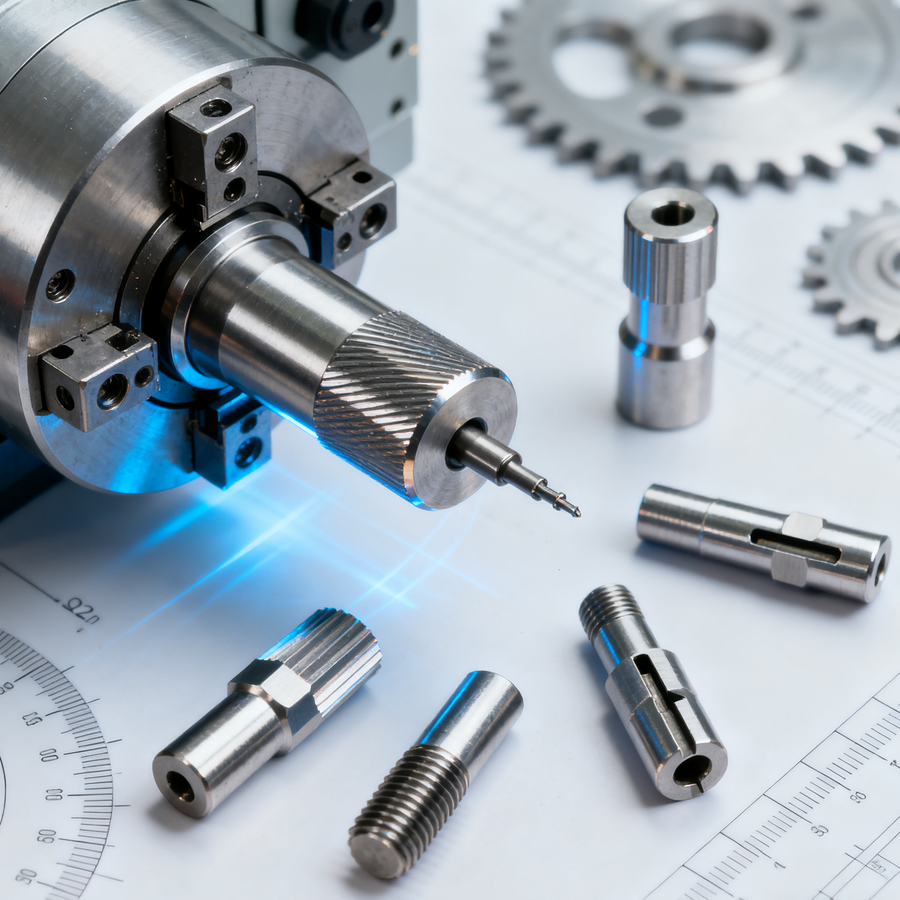
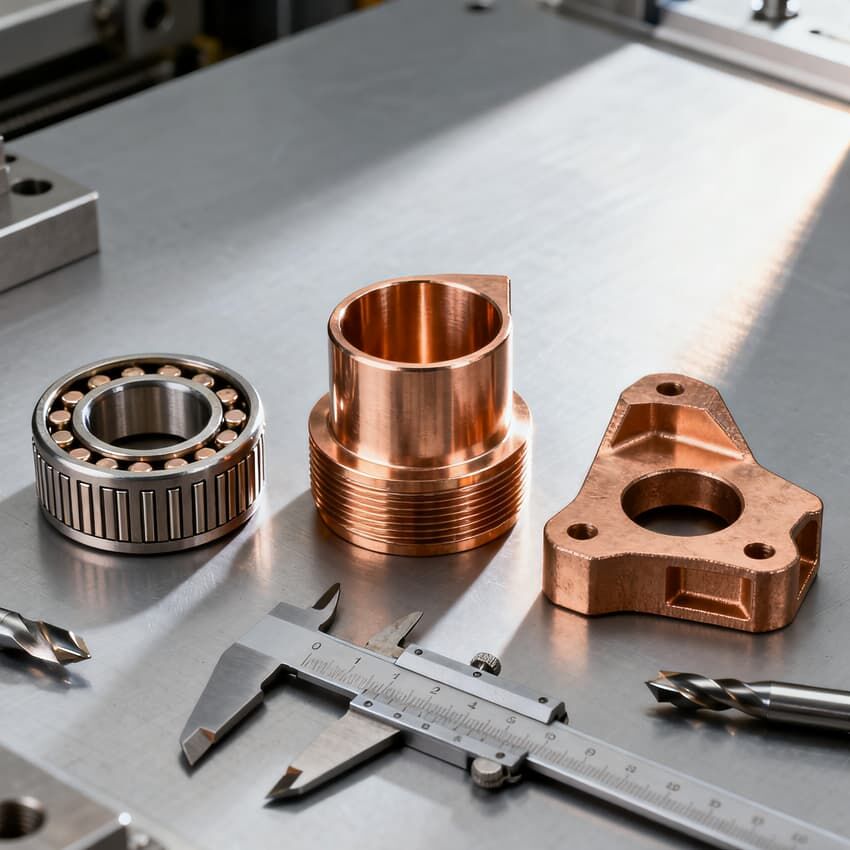
The design flexibility and customization capabilities of CNC stainless steel production empower engineers and designers to create innovative solutions that perfectly match specific application requirements and performance criteria. Multi-axis CNC machining centers enable the creation of complex three-dimensional geometries that would be impossible to achieve through traditional manufacturing methods, opening new possibilities for component optimization and functionality enhancement. The programmable nature of CNC systems allows for rapid design iterations and prototype development, enabling customers to test and refine concepts quickly before committing to full production runs. This flexibility proves invaluable in industries such as aerospace and defense, where unique specifications and custom requirements are the norm rather than the exception. CNC stainless steel manufacturing accommodates both simple and highly complex part geometries, from basic brackets and spacers to intricate components with internal channels, undercuts, and precise surface textures. The ability to machine features such as threaded holes, keyways, splines, and custom profiles directly into CNC stainless steel components eliminates the need for secondary operations and reduces assembly complexity. Advanced CAD/CAM software integration allows engineers to visualize and optimize designs before production begins, identifying potential issues and optimizing material usage to minimize costs. The customization capabilities extend to surface treatments and finishes, where CNC machining can create specific surface textures, patterns, or profiles that enhance functionality or appearance. Batch size flexibility ranges from single prototypes to high-volume production runs, making CNC stainless steel economically viable for both custom applications and mass production scenarios. The importance of this flexibility becomes evident in industries such as medical device manufacturing, where each component must be tailored to specific anatomical requirements or surgical procedures. Rapid prototyping capabilities allow customers to validate designs quickly and make necessary modifications before investing in production tooling. The value this flexibility brings includes reduced development time, lower tooling costs, improved product performance, and enhanced competitive advantage through innovative design solutions. CNC stainless steel production can accommodate design changes even during production runs, providing customers with the agility to respond quickly to market demands or engineering modifications without significant cost penalties or delays.