Professional CNC Prototype Service - Rapid Precision Prototyping Solutions

All Categories

cnc prototype service

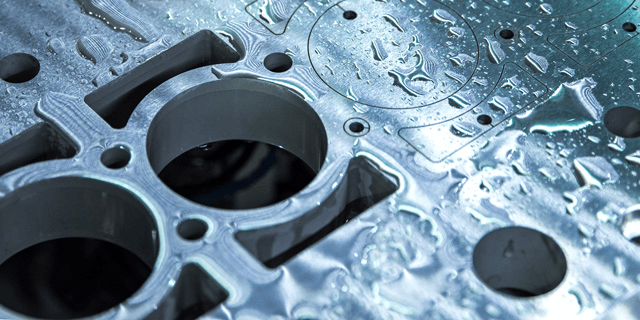
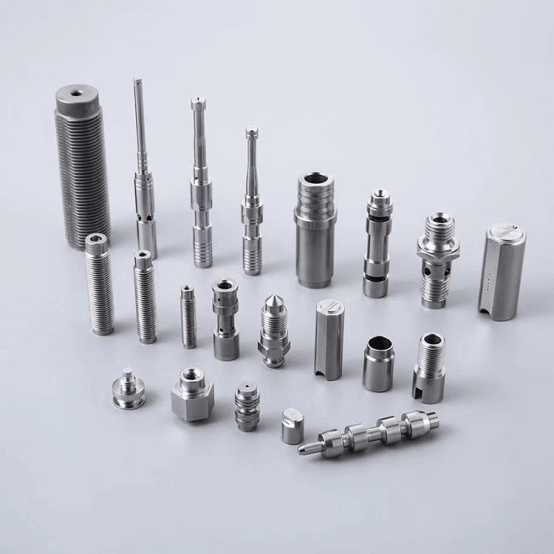
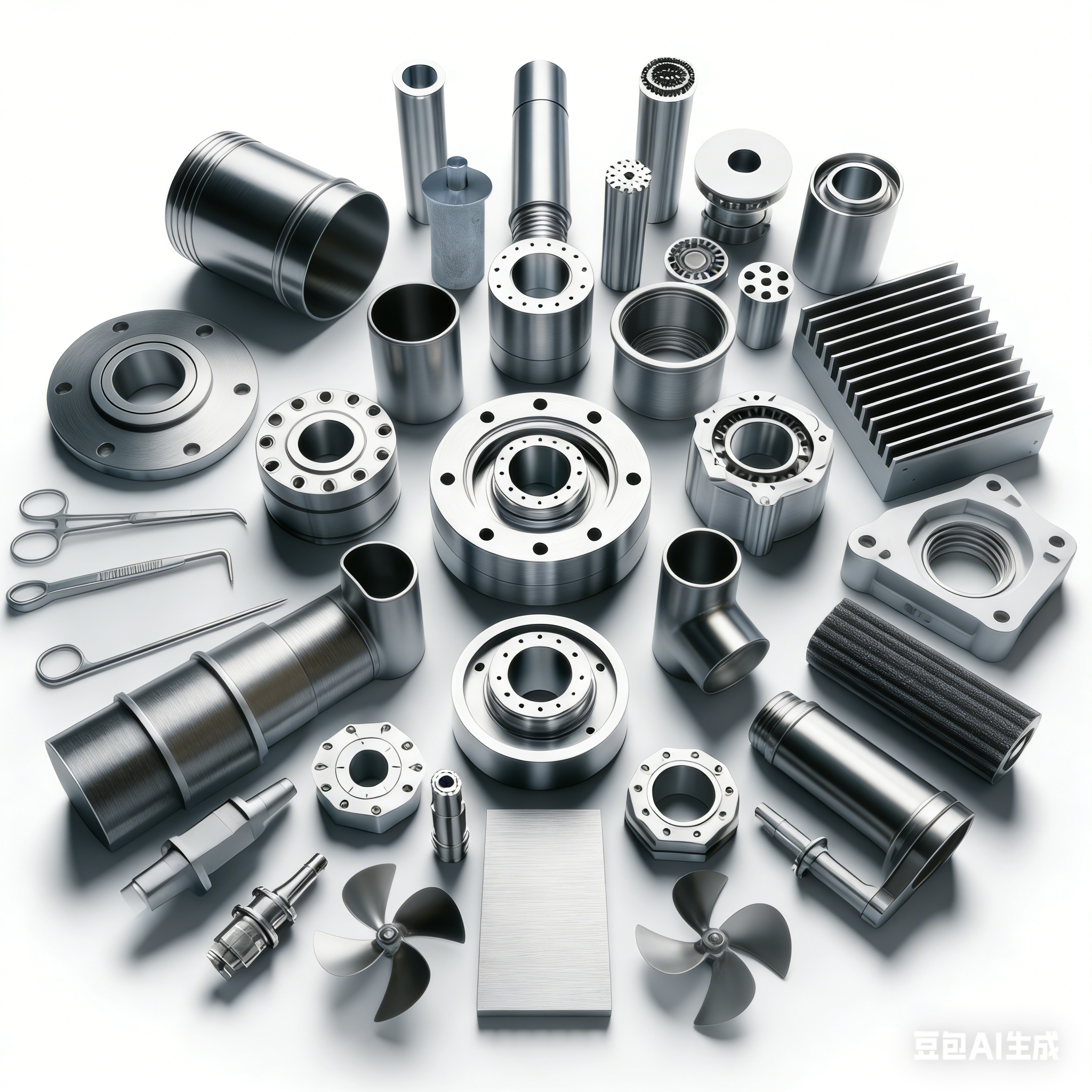
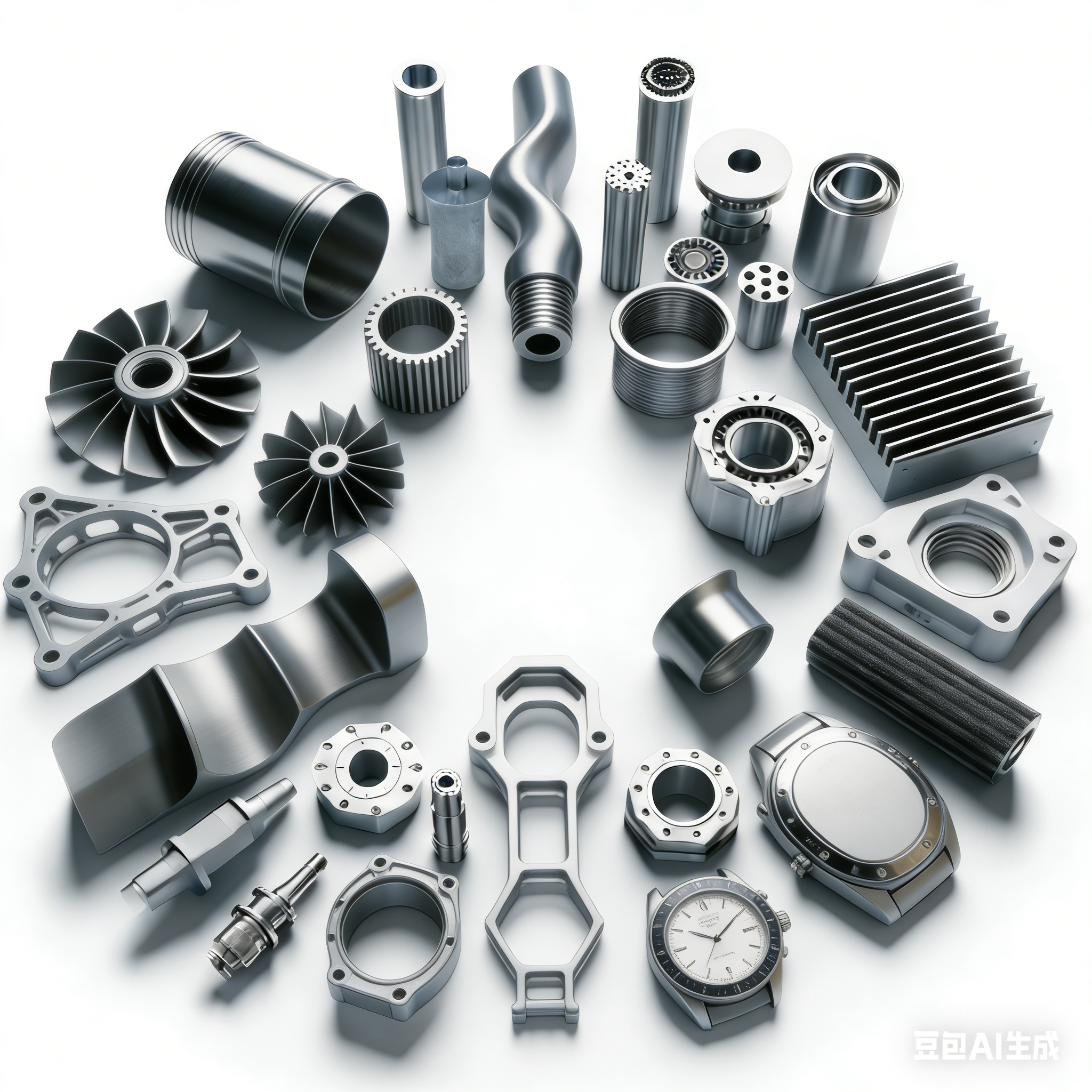
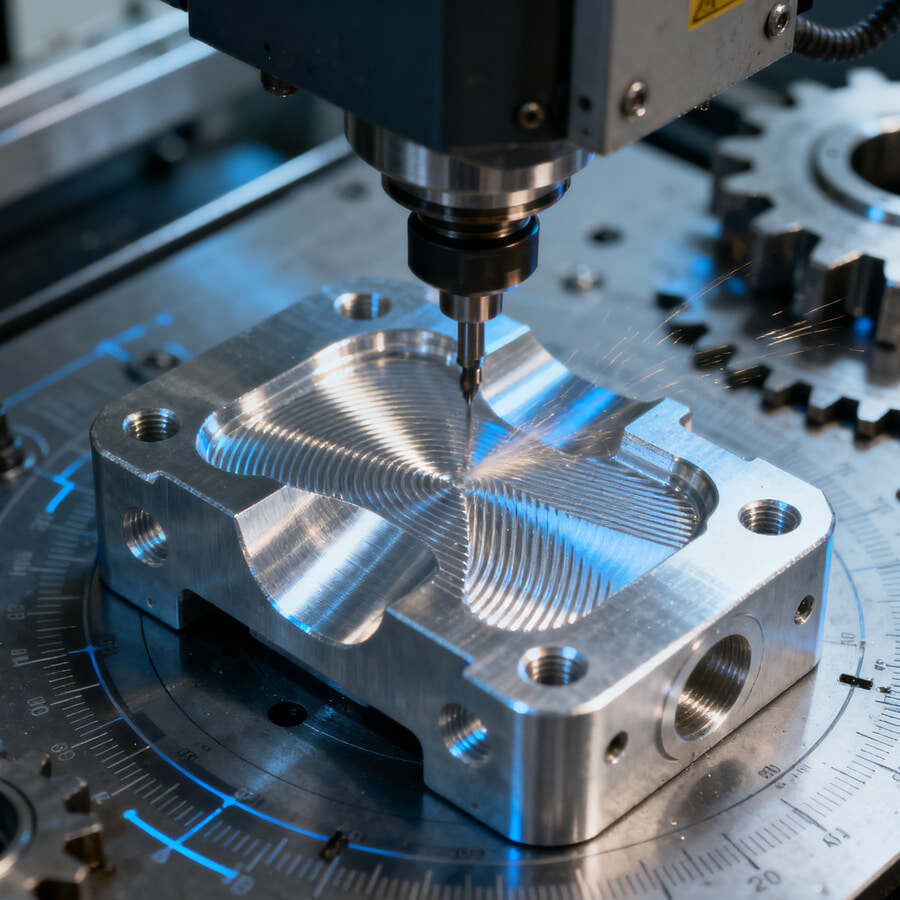
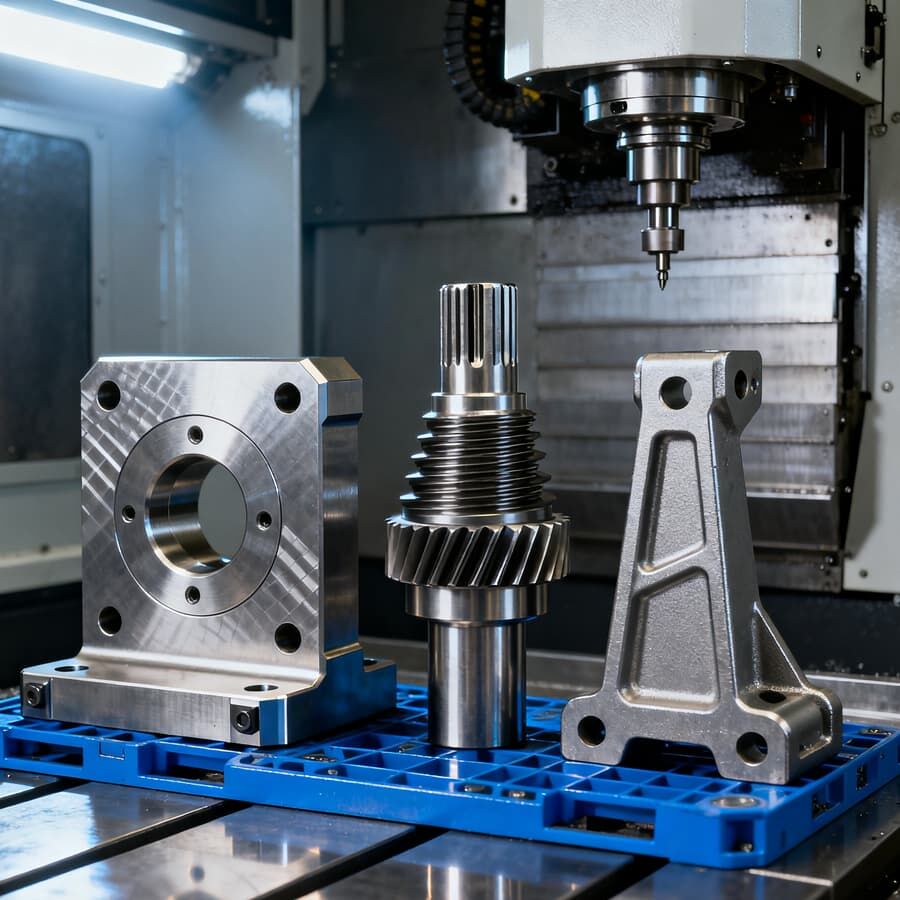
CNC prototype service represents a cutting-edge manufacturing solution that transforms digital designs into physical prototypes with exceptional precision and speed. This advanced service utilizes Computer Numerical Control technology to create accurate prototype parts from various materials including metals, plastics, and composites. The primary function of CNC prototype service centers on rapid prototyping, enabling businesses to test their designs before committing to full-scale production. The service employs sophisticated multi-axis machining centers that can execute complex geometries with tolerances as tight as ±0.001 inches. These machines operate through pre-programmed instructions, ensuring consistent quality across multiple prototype iterations. The technological foundation relies on CAD/CAM software integration, allowing seamless translation from design concepts to machined components. CNC prototype service accommodates both subtractive manufacturing processes, where material is removed to create the desired shape, and additive techniques when combined with other technologies. The service supports various material types, from aluminum and steel to engineering plastics like ABS, PEEK, and Delrin. Applications span across multiple industries including aerospace, automotive, medical devices, consumer electronics, and industrial equipment. In aerospace applications, CNC prototype service creates critical components for testing aerodynamic properties and structural integrity. Automotive manufacturers rely on this service for developing engine components, transmission parts, and interior fixtures. Medical device companies utilize CNC prototyping for surgical instruments, implant prototypes, and diagnostic equipment housings. The service proves particularly valuable for creating functional prototypes that undergo real-world testing conditions. Beyond basic prototyping, the service extends to low-volume production runs, bridge tooling, and custom fixtures. Quality control measures include dimensional inspection, surface finish analysis, and material property verification, ensuring prototypes meet exact specifications and performance requirements for comprehensive evaluation and validation processes.

Popular Products

CNC prototype service delivers remarkable speed advantages that significantly accelerate product development cycles. Traditional prototyping methods often require weeks or months to produce working models, while CNC prototype service can deliver functional components within days. This rapid turnaround enables companies to test multiple design iterations quickly, identifying potential issues early in the development process. The speed benefit translates directly into reduced time-to-market, giving businesses competitive advantages in fast-moving industries. Cost effectiveness represents another major advantage of CNC prototype service. Companies avoid expensive tooling investments typically required for injection molding or other traditional manufacturing methods. The service eliminates minimum order quantities, allowing businesses to prototype single units or small batches without substantial financial commitments. This cost structure proves especially beneficial for startups and small businesses with limited budgets but ambitious product development goals. Precision stands as a cornerstone advantage of CNC prototype service. The technology achieves dimensional accuracy that closely matches final production parts, providing reliable data for performance testing and validation. This precision enables engineers to identify design flaws, optimize functionality, and refine specifications before investing in production tooling. Material versatility offers tremendous flexibility for prototype development. CNC prototype service works with production-grade materials, ensuring prototypes accurately represent final product characteristics. This capability allows for realistic performance testing under actual operating conditions, providing valuable insights into durability, strength, and functionality. The service accommodates exotic materials and specialized alloys that might be difficult to process through other prototyping methods. Scalability benefits allow smooth transitions from prototype to production. Since CNC machining can handle both prototype quantities and larger production runs, companies can gradually scale their manufacturing without changing suppliers or processes. This continuity reduces risks and maintains quality standards throughout the product development lifecycle. The service also provides design validation advantages, enabling engineers to physically test form, fit, and function before finalizing designs. This hands-on evaluation identifies potential manufacturing challenges, assembly issues, and performance limitations that might not be apparent in digital simulations, ultimately leading to better final products and reduced development risks.

Practical Tips

The cleaning of precision components is crucial to ensuring their smoothness and functionality.

29

Nov

The cleaning of precision components is crucial to ensuring their smoothness and functionality.

View More
Methods to Improve the Efficiency of Precision Component Processing

29

Nov

Methods to Improve the Efficiency of Precision Component Processing

View More
Kindness Warms the Heart, Responsibility in Action

29

Nov

Kindness Warms the Heart, Responsibility in Action

View More
Design Knowledge for Shaft Pin Components

29

Nov

Design Knowledge for Shaft Pin Components

View More

Get a Free Quote

Our representative will contact you soon.
Email
Name
Company Name
WhatsApp
Message
0/1000

cnc prototype service

Unmatched Precision and Quality Control

Unmatched Precision and Quality Control

CNC prototype service delivers exceptional dimensional accuracy and surface quality that sets the standard for professional prototyping applications. The advanced machining capabilities achieve tolerances within ±0.0005 inches, ensuring prototype components match design specifications with remarkable consistency. This precision level proves critical for applications where fit and function testing requires exact dimensional compliance. The service employs state-of-the-art measuring equipment including coordinate measuring machines, optical comparators, and laser scanning systems to verify dimensional accuracy throughout the manufacturing process. Quality control protocols include first article inspection, in-process monitoring, and final verification procedures that guarantee each prototype meets stringent requirements. Surface finish capabilities range from rough machined surfaces to mirror-like polished finishes, accommodating diverse aesthetic and functional requirements. The precision advantage extends beyond dimensional accuracy to include geometric tolerances such as flatness, roundness, and perpendicularity. These capabilities enable the creation of prototypes that accurately represent final production parts, providing reliable data for engineering validation and testing procedures. Advanced tooling selection and cutting parameters optimization ensure optimal surface integrity and dimensional stability. The service maintains comprehensive documentation including inspection reports, material certificates, and dimensional verification data that support quality assurance processes. Temperature-controlled machining environments and precision fixturing systems minimize thermal distortion and mechanical stress, preserving accuracy throughout complex machining operations. Multi-axis capabilities enable the creation of intricate geometries and complex features that would be impossible or cost-prohibitive using conventional manufacturing methods. The combination of precision machinery, skilled operators, and rigorous quality control procedures ensures CNC prototype service consistently delivers components that meet or exceed customer expectations. This precision advantage translates into reduced development iterations, faster validation cycles, and increased confidence in final product performance, ultimately contributing to more successful product launches and improved market competitiveness.
Rapid Turnaround and Flexible Scheduling

Rapid Turnaround and Flexible Scheduling

CNC prototype service revolutionizes product development timelines through exceptionally fast turnaround capabilities that accommodate urgent project requirements and compressed development schedules. The service typically delivers prototype components within 1-5 business days, depending on complexity and quantity requirements. This rapid response capability stems from streamlined workflows that integrate design file reception, manufacturing planning, machining operations, quality inspection, and shipping into a seamless process. Advanced scheduling systems optimize machine utilization and workflow efficiency, ensuring maximum productivity without compromising quality standards. The flexibility extends to accommodating rush orders and emergency requests when critical project deadlines demand immediate attention. CNC prototype service maintains sufficient capacity and backup systems to handle fluctuating demand while preserving consistent delivery performance. Real-time production tracking systems provide customers with accurate status updates and delivery confirmation, enabling better project planning and coordination. The service supports various delivery options including standard shipping, expedited delivery, and local pickup arrangements to meet diverse customer requirements. Batch processing capabilities allow efficient handling of multiple prototype variations simultaneously, reducing per-unit costs while maintaining rapid delivery schedules. The rapid turnaround advantage proves particularly valuable during design validation phases where multiple iterations may be required to optimize performance characteristics. Quick delivery enables faster feedback loops between design, prototyping, and testing activities, accelerating overall development cycles. Emergency support services provide after-hours and weekend production capabilities for critical project requirements. The service maintains strategic inventory levels of common materials and standard tooling to eliminate procurement delays that could impact delivery schedules. Automated material handling systems and lights-out machining capabilities maximize production efficiency during off-hours periods. Professional project management support ensures clear communication regarding schedules, specifications, and delivery requirements throughout the manufacturing process. This rapid turnaround capability, combined with flexible scheduling options, enables customers to maintain aggressive development timelines while ensuring prototype quality and accuracy meet demanding performance requirements.
Comprehensive Material Selection and Engineering Support

Comprehensive Material Selection and Engineering Support

CNC prototype service offers an extensive material library spanning metals, plastics, ceramics, and composite materials that enables accurate representation of final production components across diverse applications. The material selection includes aluminum alloys, stainless steels, titanium, brass, copper, and exotic superalloys for demanding aerospace and medical applications. Engineering plastics such as ABS, polycarbonate, PEEK, POM, and nylon provide options for functional testing of plastic components with production-representative properties. The service maintains strategic inventory levels of commonly used materials while providing access to specialized alloys and engineering grades through established supplier networks. Material selection guidance helps customers choose optimal materials based on application requirements, testing objectives, and budget considerations. Technical data sheets and material property information support informed decision-making regarding strength, temperature resistance, chemical compatibility, and other critical characteristics. The comprehensive material capability extends to exotic materials including Inconel, Hastelloy, and other high-performance alloys used in demanding industrial applications. Quality certifications and material traceability documentation ensure compliance with industry standards and regulatory requirements. Heat treatment and finishing services complement material selection options, enabling property optimization and surface enhancement as required. The service provides material recommendations based on specific application requirements including wear resistance, corrosion resistance, electrical properties, and thermal characteristics. Secondary operations such as anodizing, plating, painting, and coating services expand finishing options to match final production specifications. Material testing capabilities including hardness testing, tensile testing, and chemical analysis verify material properties and ensure compliance with specifications. Engineering support services include design for manufacturability reviews, material selection consultation, and process optimization recommendations that enhance prototype quality and reduce manufacturing costs. The combination of extensive material selection and expert engineering support ensures CNC prototype service can accommodate virtually any prototype requirement while providing valuable guidance throughout the development process. This comprehensive approach reduces development risks, improves prototype accuracy, and accelerates validation timelines by ensuring appropriate material selection from the initial design phase through final testing and evaluation procedures.