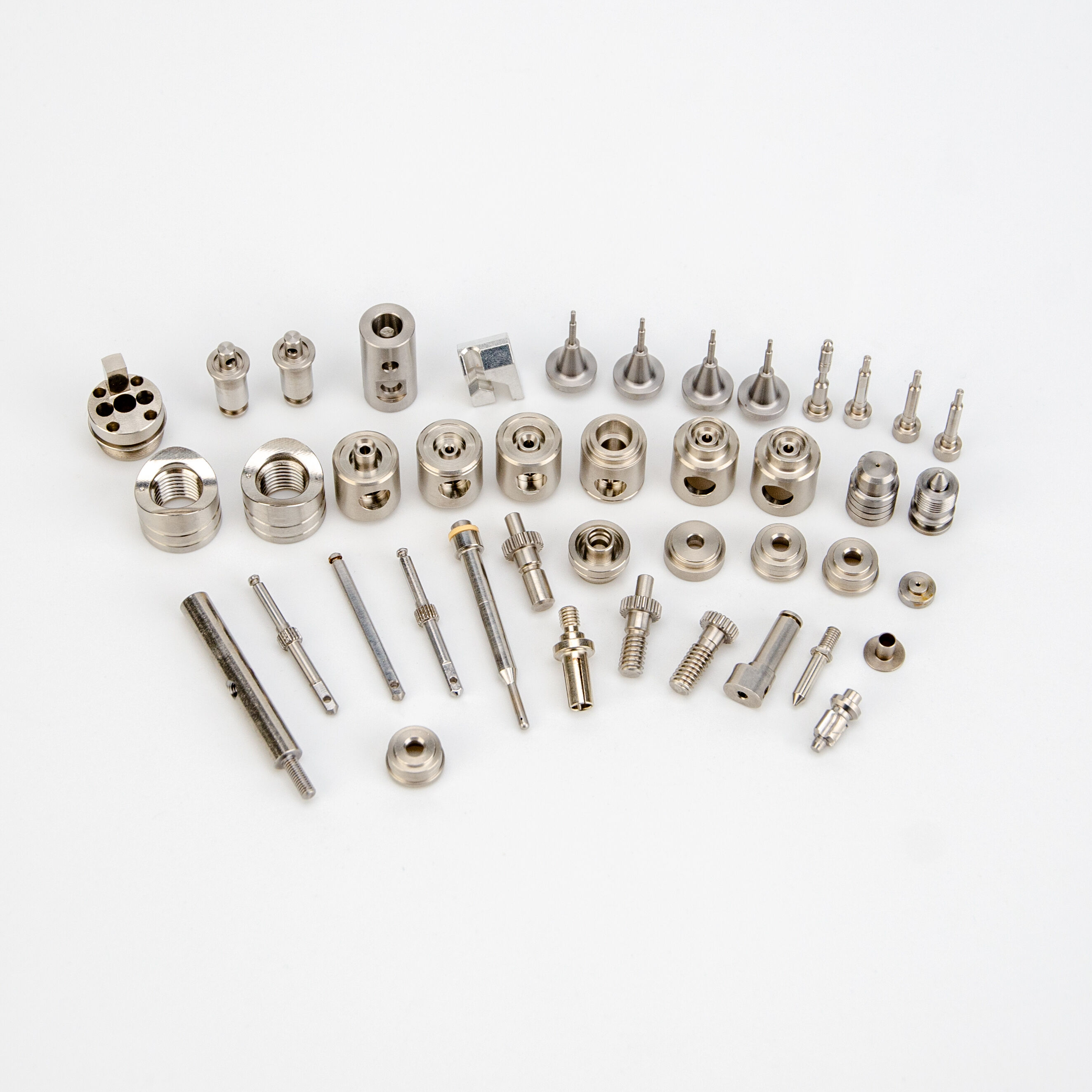
brass parts
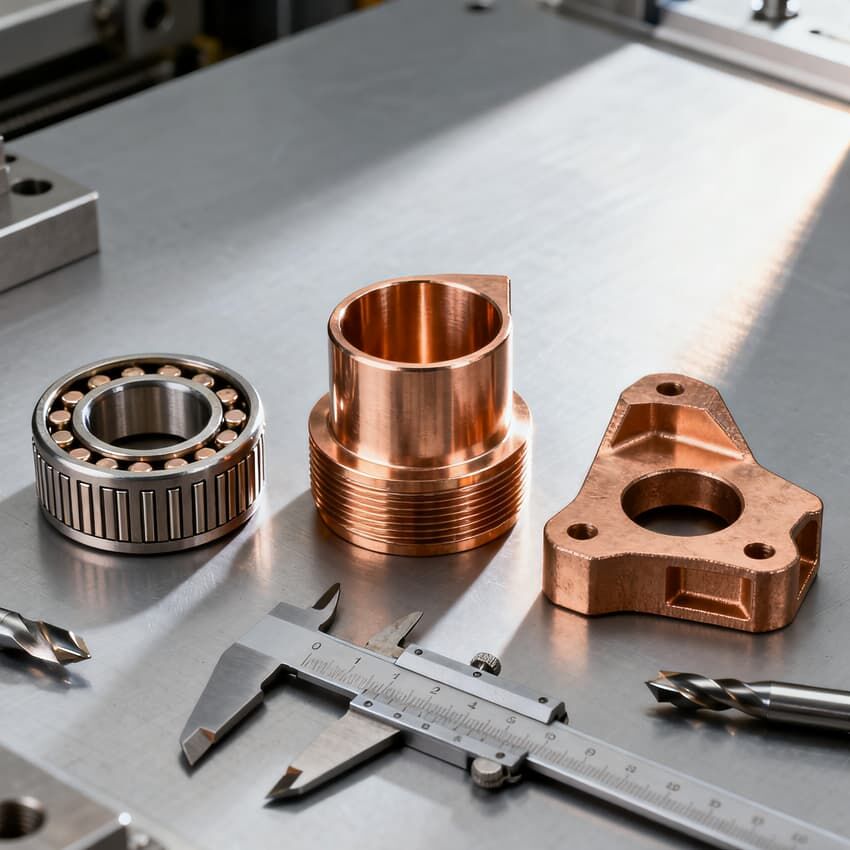
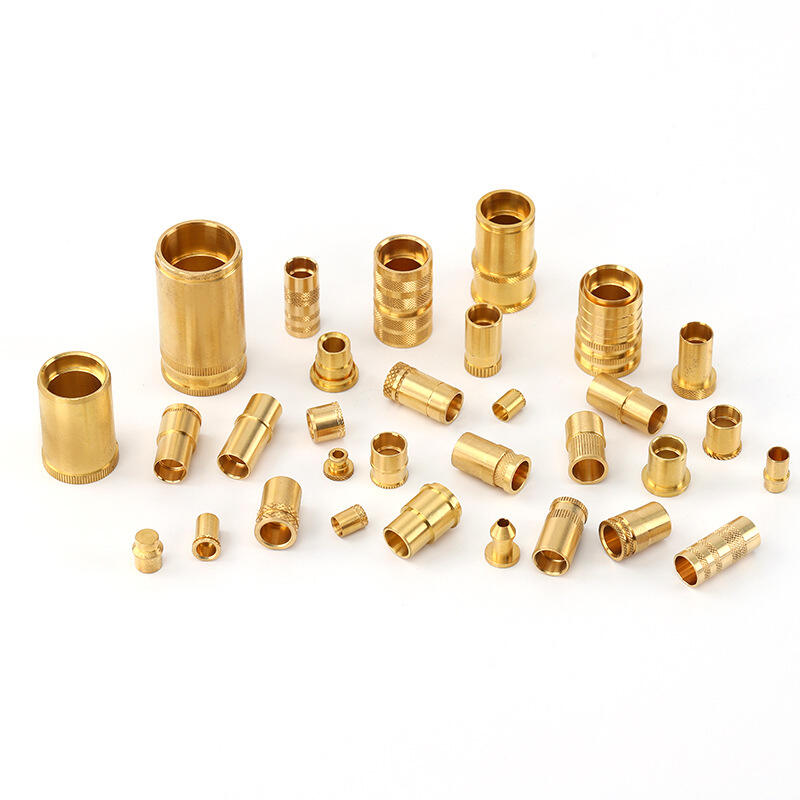
Brass parts represent a cornerstone of modern manufacturing, combining exceptional durability with versatile functionality across numerous industrial applications. These components are manufactured from brass, an alloy primarily composed of copper and zinc, which creates a material that offers superior corrosion resistance, excellent machinability, and remarkable thermal conductivity. The technological features of brass parts make them indispensable in sectors ranging from plumbing and electrical systems to automotive and marine industries. The main functions of brass parts include providing reliable connections in fluid systems, ensuring electrical conductivity in electronic applications, and delivering structural support in mechanical assemblies. Their non-magnetic properties make them particularly valuable in specialized equipment where magnetic interference must be avoided. The manufacturing process of brass parts involves precision machining, casting, and forging techniques that ensure consistent quality and dimensional accuracy. These components demonstrate exceptional resistance to dezincification, a common problem in other metal alloys, making them ideal for long-term installations in challenging environments. The applications of brass parts span across residential, commercial, and industrial settings. In plumbing systems, they serve as fittings, valves, and connectors that maintain water pressure and prevent leaks. Electrical applications utilize brass parts for terminals, contacts, and grounding components due to their excellent conductivity properties. The marine industry relies heavily on brass parts for their saltwater resistance, using them in propellers, fittings, and hardware. Automotive applications include radiator components, fuel system parts, and various engine components where heat dissipation is crucial. The technological sophistication of modern brass parts includes advanced surface treatments and precision engineering that enhance their performance characteristics. These treatments improve wear resistance and extend service life significantly beyond standard metal alternatives.



 EN
EN