Material Optimization and Versatility
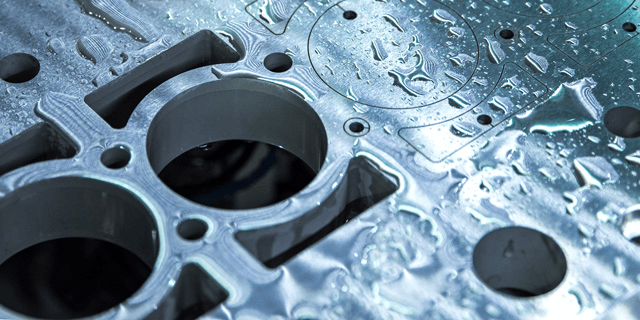
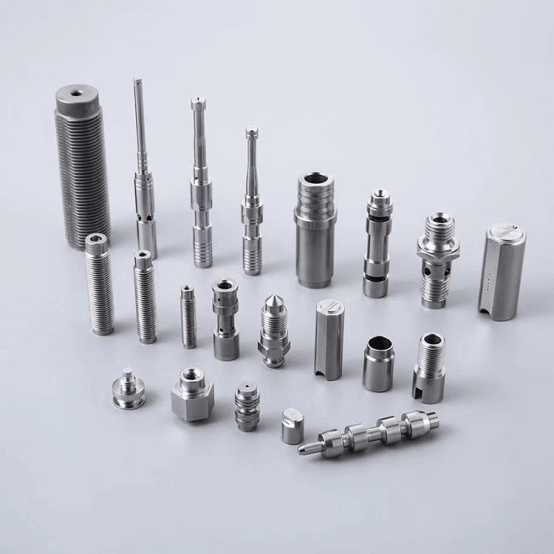
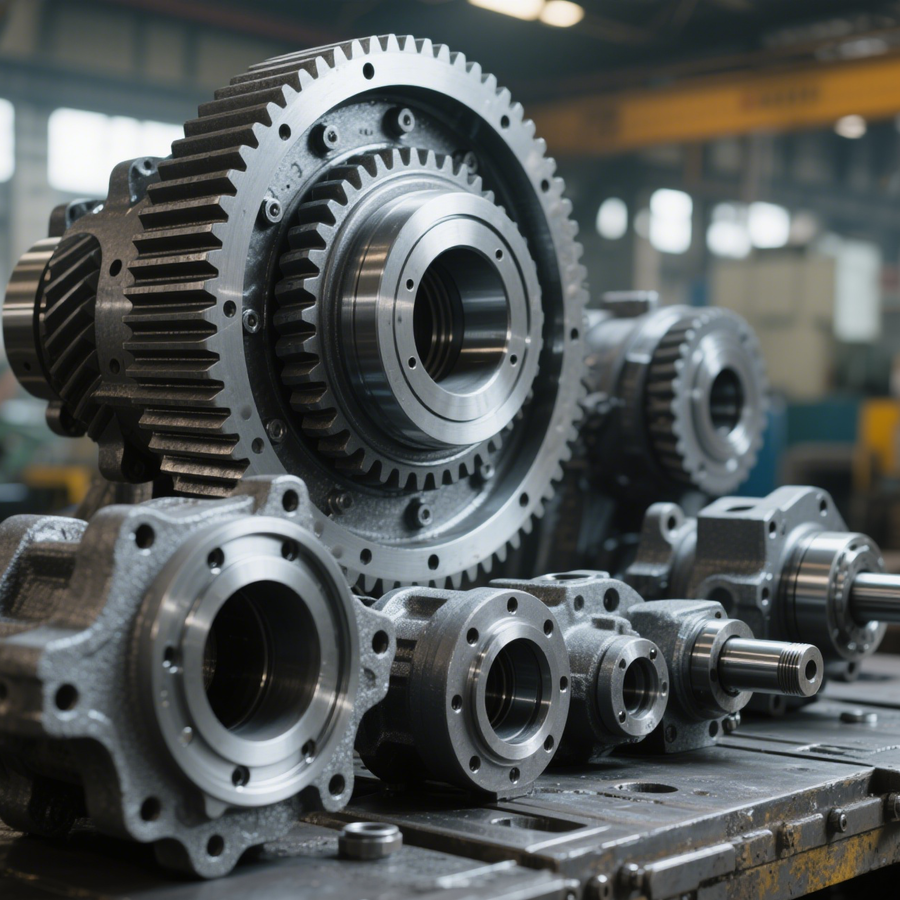
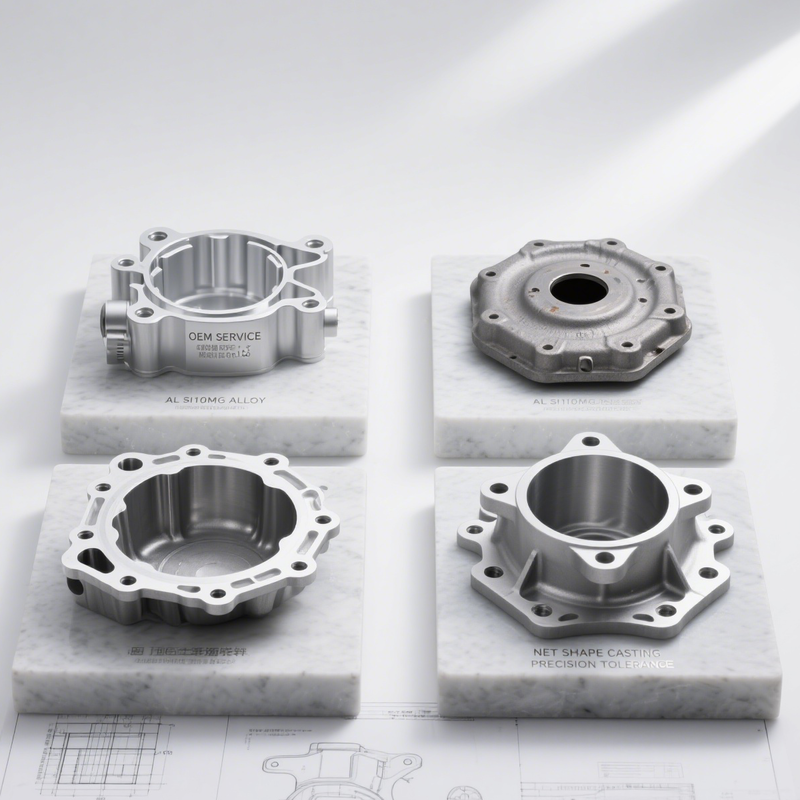
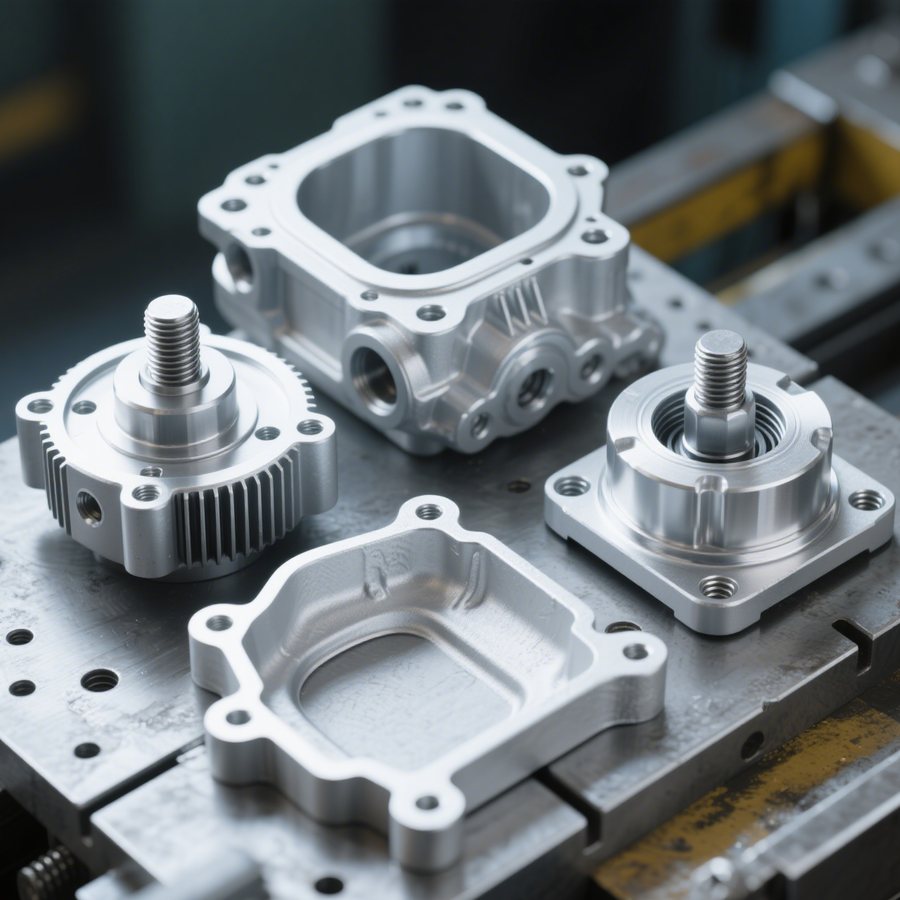
Material optimization capabilities represent one of the most compelling advantages of machining castings, offering unprecedented flexibility in alloy selection and property customization for specific applications. The casting process enables the use of specialized alloy compositions that would be prohibitively expensive or unavailable in wrought forms, opening new possibilities for enhanced performance characteristics. Advanced metallurgical techniques allow for the creation of custom alloy compositions tailored to specific operating conditions, including extreme temperatures, corrosive environments, or magnetic field requirements. The controlled solidification process promotes optimal grain structure formation, resulting in superior mechanical properties compared to many alternative manufacturing methods. Machining castings can incorporate multiple materials within a single component through techniques such as bimetallic casting, creating zones with different properties optimized for specific functions. Heat treatment processes can be precisely controlled to achieve desired hardness profiles, with some areas remaining soft for machining while others develop maximum strength and wear resistance. The flexibility extends to incorporating reinforcing elements, such as ceramic particles or fiber reinforcements, that enhance specific properties without compromising machinability. Specialized casting techniques enable the production of components with varying wall thickness and internal structures optimized for weight reduction without sacrificing strength. The material utilization efficiency of machining castings significantly exceeds that of traditional machining approaches, as the casting process creates components very close to final dimensions, minimizing waste and reducing environmental impact. Quality assurance procedures include comprehensive material testing and certification processes that verify chemical composition, mechanical properties, and microstructural characteristics. This thorough validation ensures that each component meets or exceeds specified performance requirements. The ability to select from an extensive range of ferrous and non-ferrous alloys, including stainless steels, aluminum alloys, bronze, and specialized high-performance materials, provides customers with optimal solutions for virtually any application requirement.



 EN
EN