Rapid Prototype Casting Services: Fast, Cost-Effective Metal Part Production

All Categories

rapid prototype casting

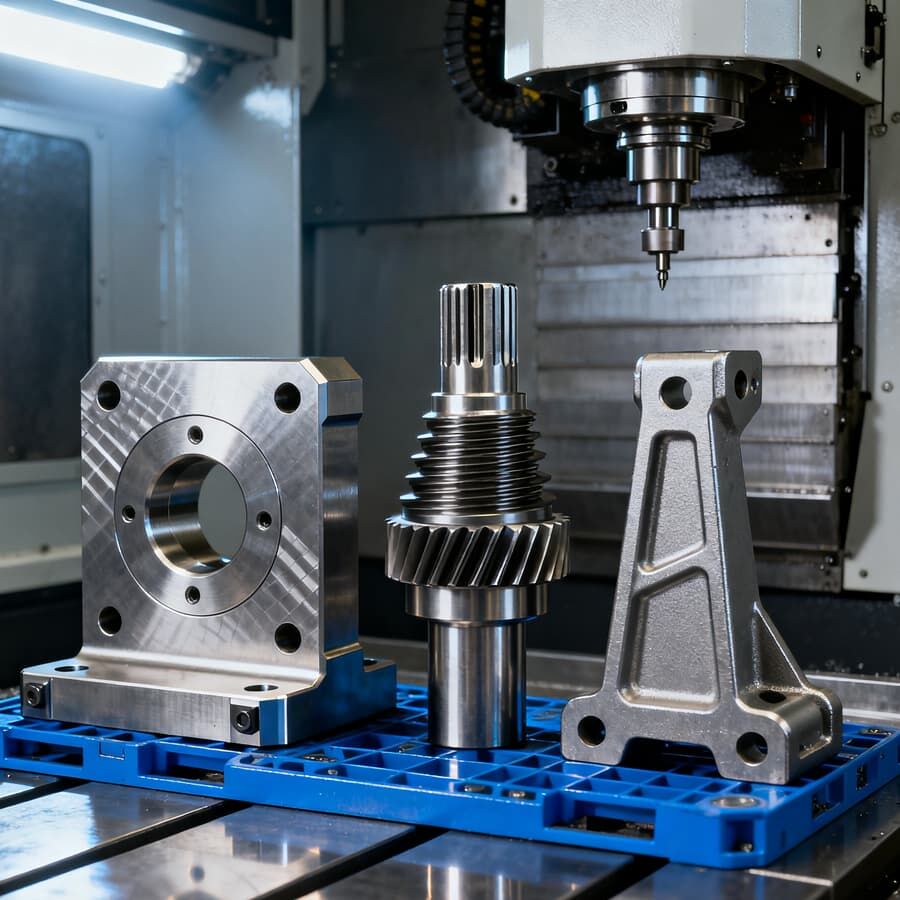
Rapid prototype casting represents a revolutionary manufacturing process that combines the speed of modern prototyping with the precision of traditional casting methods. This innovative technology enables manufacturers to create functional metal parts directly from digital designs within significantly reduced timeframes. The rapid prototype casting process begins with computer-aided design models that are converted into physical prototypes using various rapid manufacturing techniques, followed by the creation of molds or patterns for casting operations. The main functions of rapid prototype casting include accelerated product development cycles, cost-effective small-batch production, and the ability to test functional prototypes before committing to full-scale manufacturing. This process eliminates many traditional barriers associated with conventional casting methods, such as lengthy tooling preparation and expensive setup costs. Technological features of rapid prototype casting encompass integration with CAD software, compatibility with multiple casting materials including aluminum, steel, and specialized alloys, and the capability to produce complex geometries that would be difficult or impossible with traditional manufacturing methods. The process utilizes advanced pattern-making techniques, including 3D printed sand cores, investment casting with printed patterns, and direct metal printing for creating master patterns. Applications for rapid prototype casting span numerous industries including automotive, aerospace, medical devices, consumer electronics, and industrial equipment manufacturing. In the automotive sector, engineers use rapid prototype casting to develop engine components, transmission parts, and structural elements for testing and validation. Aerospace applications include creating lightweight yet strong components for aircraft engines, landing gear systems, and satellite components. Medical device manufacturers rely on rapid prototype casting to produce custom implants, surgical instruments, and diagnostic equipment housings. The technology proves particularly valuable when developing products with complex internal channels, intricate surface details, or components requiring specific material properties that can only be achieved through casting processes.
New Product Releases

The advantages of rapid prototype casting deliver substantial benefits that transform how companies approach product development and manufacturing. Speed represents the most significant advantage, as rapid prototype casting reduces development timelines from months to weeks or even days. Traditional casting methods require extensive tooling preparation, pattern creation, and multiple setup phases, while rapid prototype casting streamlines these processes through digital workflows and automated production systems. Companies can iterate designs quickly, test multiple variations, and respond to market demands with unprecedented agility. Cost effectiveness emerges as another major benefit, particularly for low-volume production runs and prototype development. Conventional casting requires substantial upfront investments in tooling, patterns, and setup procedures that make small quantities economically unviable. Rapid prototype casting eliminates many of these fixed costs, making it feasible to produce single parts or small batches without prohibitive expenses. This cost structure enables companies to validate designs, test market acceptance, and refine products before investing in high-volume production tooling. Design flexibility provides engineers with creative freedom previously constrained by traditional manufacturing limitations. Rapid prototype casting accommodates complex geometries, internal channels, undercuts, and intricate surface features that would require multiple manufacturing steps or prove impossible with conventional methods. Designers can optimize parts for performance rather than manufacturability, resulting in superior products with enhanced functionality. The process supports rapid design iterations, allowing engineers to test multiple concepts and configurations without significant time or cost penalties. Material versatility expands application possibilities across diverse industries and performance requirements. Rapid prototype casting works with various metals and alloys, enabling engineers to select materials based on specific performance criteria rather than manufacturing constraints. This flexibility supports applications requiring specialized properties such as high-temperature resistance, corrosion resistance, or specific mechanical characteristics. Quality consistency ensures that prototype parts accurately represent final production components, providing reliable data for testing and validation. The digital nature of rapid prototype casting eliminates many variables associated with manual processes, resulting in repeatable outcomes and consistent part quality. Risk reduction represents a crucial advantage for companies investing in new product development, as rapid prototype casting enables thorough testing and validation before committing to expensive production tooling and processes.

Practical Tips

The cleaning of precision components is crucial to ensuring their smoothness and functionality.

29

Nov

The cleaning of precision components is crucial to ensuring their smoothness and functionality.

View More
Methods to Improve the Efficiency of Precision Component Processing

29

Nov

Methods to Improve the Efficiency of Precision Component Processing

View More
Kindness Warms the Heart, Responsibility in Action

29

Nov

Kindness Warms the Heart, Responsibility in Action

View More
Design Knowledge for Shaft Pin Components

29

Nov

Design Knowledge for Shaft Pin Components

View More

Get a Free Quote

Our representative will contact you soon.
Email
Name
Company Name
WhatsApp
Message
0/1000

rapid prototype casting

Accelerated Time-to-Market Through Digital Integration

Accelerated Time-to-Market Through Digital Integration

The integration of digital design workflows with rapid prototype casting creates an unprecedented acceleration in product development cycles that fundamentally changes how companies bring new products to market. This seamless digital-to-physical transition eliminates traditional bottlenecks that have historically slowed prototype development and testing phases. Engineers can move directly from computer-aided design models to physical prototypes without the lengthy intermediate steps required by conventional casting methods. The digital integration encompasses sophisticated software tools that automatically optimize designs for castability, generate tooling requirements, and predict potential manufacturing issues before physical production begins. This predictive capability prevents costly redesigns and reduces the number of iteration cycles required to achieve optimal results. The rapid prototype casting process leverages advanced manufacturing technologies including 3D printing, CNC machining, and automated molding systems that work together to transform digital designs into functional metal parts. Quality control systems integrated throughout the digital workflow ensure that each prototype meets specified requirements and provides accurate representation of final production characteristics. Real-time monitoring and feedback systems capture performance data during prototype testing, which can be immediately incorporated into design modifications for subsequent iterations. This continuous improvement loop accelerates the refinement process and helps companies achieve optimal designs faster than ever before. The digital nature of rapid prototype casting also enables parallel development activities, where multiple design variations can be produced simultaneously for comparative testing and evaluation. Engineering teams can explore different approaches, materials, and configurations concurrently, dramatically reducing the time required to identify optimal solutions. Documentation and traceability features built into digital workflows ensure that design decisions, test results, and manufacturing parameters are captured and preserved for future reference, supporting regulatory compliance requirements and continuous improvement initiatives. Companies utilizing rapid prototype casting with digital integration report development cycle reductions of 60-80 percent compared to traditional methods, enabling them to respond quickly to market opportunities and competitive pressures while maintaining high quality standards.
Cost-Effective Low-Volume Production Solutions

Cost-Effective Low-Volume Production Solutions

Rapid prototype casting revolutionizes the economics of low-volume manufacturing by eliminating the high fixed costs traditionally associated with metal casting processes, making it financially viable to produce small quantities of complex parts without the massive upfront investments required by conventional methods. This economic transformation opens new possibilities for custom manufacturing, specialized applications, and market testing scenarios that were previously cost-prohibitive. Traditional casting methods require expensive permanent tooling, extensive setup procedures, and minimum production quantities that can reach thousands of parts to achieve acceptable per-unit costs. Rapid prototype casting inverts this cost structure by utilizing flexible tooling systems, automated setup procedures, and digital workflows that maintain consistent per-unit costs regardless of production volume. This cost advantage becomes particularly pronounced for complex parts with intricate geometries, internal features, or specialized material requirements that would necessitate multiple manufacturing operations using conventional methods. The flexible tooling approach employed in rapid prototype casting utilizes 3D printed patterns, sand cores, and investment casting techniques that can be produced quickly and cost-effectively for each production run. These tooling solutions provide the precision and surface quality required for high-performance applications while eliminating the time and expense associated with permanent tooling fabrication. Material efficiency represents another significant cost advantage, as rapid prototype casting processes can be optimized to minimize waste and maximize yield from expensive specialty alloys and materials. Advanced simulation software helps engineers optimize gating systems, feeding mechanisms, and part orientation to achieve maximum material utilization while maintaining part quality. The ability to produce functional prototypes cost-effectively enables companies to validate designs, test performance characteristics, and gather market feedback before committing to high-volume production investments. This validation capability reduces the risk of costly design changes, manufacturing issues, or market acceptance problems that can arise when products are rushed into full-scale production without adequate testing. Rapid prototype casting also supports customization and personalization strategies that are becoming increasingly important in many markets, allowing companies to offer tailored solutions without the cost penalties typically associated with custom manufacturing. The economic benefits extend beyond direct manufacturing costs to include reduced inventory requirements, faster response to customer needs, and the ability to pursue niche markets and specialized applications that would not justify traditional manufacturing investments.
Superior Material Properties and Design Flexibility

Superior Material Properties and Design Flexibility

Rapid prototype casting delivers exceptional material properties and design flexibility that enable engineers to create optimized components with performance characteristics that often exceed those achievable through alternative manufacturing methods, while simultaneously providing the creative freedom to explore innovative designs without traditional manufacturing constraints. The casting process itself produces parts with superior material properties due to the controlled solidification environment that promotes optimal grain structure, density, and mechanical characteristics. Unlike machined parts that may have directional properties based on material flow during forming processes, cast components exhibit more uniform properties throughout the part volume, resulting in predictable performance under various loading conditions. The ability to work with a wide range of materials including aluminum alloys, steel grades, titanium, and specialized high-performance alloys enables engineers to select materials based purely on performance requirements rather than manufacturing limitations. Advanced alloy systems developed specifically for casting applications offer unique combinations of strength, weight, corrosion resistance, and thermal properties that may not be available in wrought forms suitable for machining operations. Rapid prototype casting accommodates complex internal geometries including cooling channels, lightening features, and integrated mounting points that would require multiple manufacturing operations or assembly steps using alternative methods. This capability enables engineers to optimize designs for performance, weight reduction, and functionality while maintaining structural integrity and manufacturing efficiency. The process supports the creation of parts with varying wall thicknesses, complex surface contours, and intricate details that enhance both functional performance and aesthetic appeal. Design optimization opportunities include the ability to incorporate features such as integral heat sinks, flow channels for fluid systems, and complex mounting interfaces that eliminate the need for separate fasteners or joining operations. The rapid iteration capability inherent in rapid prototype casting allows engineers to test multiple design variations and material combinations to identify optimal solutions for specific applications. This iterative approach leads to superior final products that fully leverage the capabilities of the casting process and selected materials. Quality control measures integrated into rapid prototype casting processes ensure that material properties meet specified requirements and remain consistent across production runs, providing confidence in the performance and reliability of finished components. Advanced testing and analysis capabilities enable comprehensive characterization of material properties, dimensional accuracy, and surface quality, supporting applications with stringent performance requirements and regulatory compliance needs.