Professional Custom Metal Casting Services - Precision Components & Complex Geometries

All Categories

custom metal casting

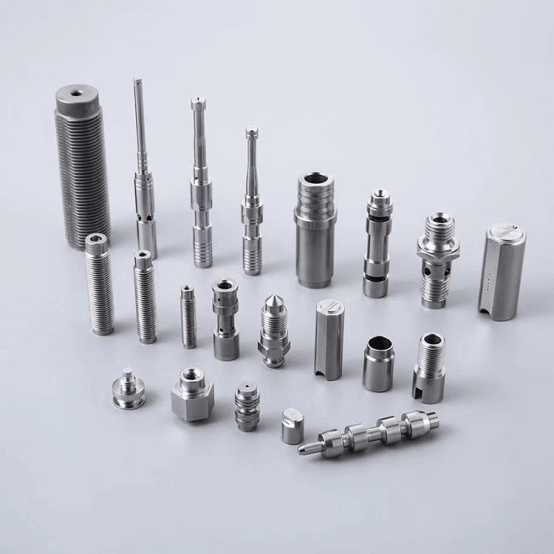
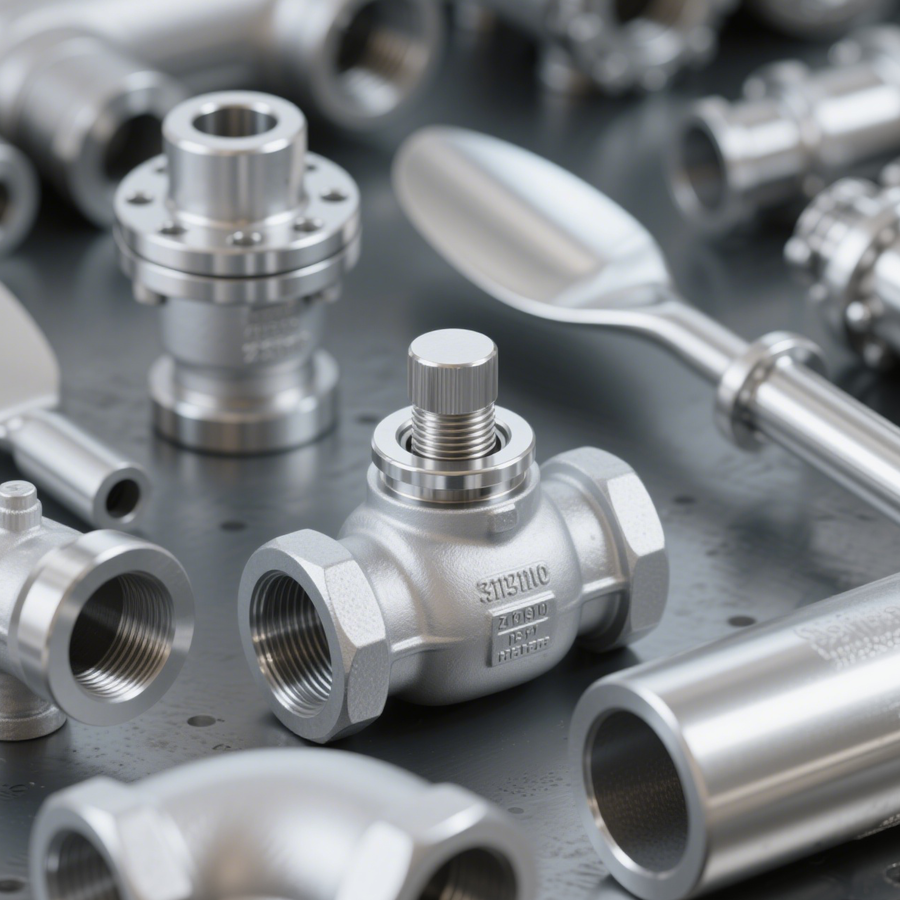
Custom metal casting represents a sophisticated manufacturing process that transforms raw metal materials into precisely engineered components tailored to specific design requirements and applications. This versatile production method involves melting metals at extremely high temperatures and pouring the molten material into specially designed molds that match exact specifications provided by clients. The custom metal casting process encompasses various techniques including sand casting, investment casting, die casting, and centrifugal casting, each offering distinct advantages depending on the complexity, size, and material requirements of the final product. Modern custom metal casting facilities utilize advanced computer-aided design software and precision tooling to ensure dimensional accuracy and surface quality that meets the most demanding industry standards. The technological features of custom metal casting include temperature-controlled furnaces, automated pouring systems, and sophisticated quality control equipment that monitors every stage of production. This manufacturing approach accommodates a wide range of metals including aluminum, steel, iron, bronze, brass, and specialized alloys, making it suitable for diverse industrial applications. Custom metal casting serves critical functions in automotive manufacturing, aerospace engineering, construction, marine equipment, and industrial machinery sectors. The process allows manufacturers to create complex geometries that would be difficult or impossible to achieve through traditional machining methods, while maintaining structural integrity and dimensional precision. Quality assurance protocols in custom metal casting involve non-destructive testing methods such as X-ray inspection, pressure testing, and dimensional verification to ensure each component meets specified tolerances. The flexibility of custom metal casting enables rapid prototyping and small-batch production runs, making it an ideal solution for both one-off custom projects and large-scale manufacturing operations that require consistent quality and repeatability.
New Product Releases

Custom metal casting delivers exceptional value through its ability to produce complex shapes and intricate designs that traditional manufacturing methods cannot achieve cost-effectively. This process eliminates the need for extensive machining operations, reducing both production time and material waste while maintaining superior dimensional accuracy. Manufacturers benefit from the flexibility to work with virtually any metal or alloy, allowing them to select materials that perfectly match performance requirements for specific applications. The custom metal casting process supports both prototype development and high-volume production, enabling companies to test designs before committing to large-scale manufacturing investments. Cost savings become apparent when producing components with complex internal geometries, as custom metal casting creates these features during the initial forming process rather than requiring expensive secondary operations. The durability and strength characteristics of cast metal components often exceed those of welded or fabricated assemblies, providing longer service life and reduced maintenance requirements for end users. Custom metal casting accommodates tight tolerances and smooth surface finishes directly from the mold, minimizing finishing operations and reducing overall production costs. The process scales efficiently from single prototype pieces to thousands of identical components, making it suitable for businesses of all sizes and production volumes. Lead times for custom metal casting projects are typically shorter than those required for complex machining operations, helping companies meet aggressive delivery schedules and market demands. Quality consistency remains exceptionally high throughout production runs, as each component is formed using the same mold and process parameters, eliminating variations that might occur with manual fabrication methods. The environmental benefits of custom metal casting include reduced material waste and the ability to recycle scrap metal back into the production process, supporting sustainable manufacturing practices. Custom metal casting also enables the integration of multiple components into single castings, reducing assembly time, eliminating potential failure points, and simplifying inventory management for customers. The process accommodates special requirements such as specific surface textures, dimensional tolerances, and performance characteristics that standard off-the-shelf components cannot provide.

Tips And Tricks

The cleaning of precision components is crucial to ensuring their smoothness and functionality.

29

Nov

The cleaning of precision components is crucial to ensuring their smoothness and functionality.

View More
Methods to Improve the Efficiency of Precision Component Processing

29

Nov

Methods to Improve the Efficiency of Precision Component Processing

View More
Kindness Warms the Heart, Responsibility in Action

29

Nov

Kindness Warms the Heart, Responsibility in Action

View More
Design Knowledge for Shaft Pin Components

29

Nov

Design Knowledge for Shaft Pin Components

View More

Get a Free Quote

Our representative will contact you soon.
Email
Name
Company Name
WhatsApp
Message
0/1000

custom metal casting

Precision Engineering and Complex Geometry Capabilities

Precision Engineering and Complex Geometry Capabilities

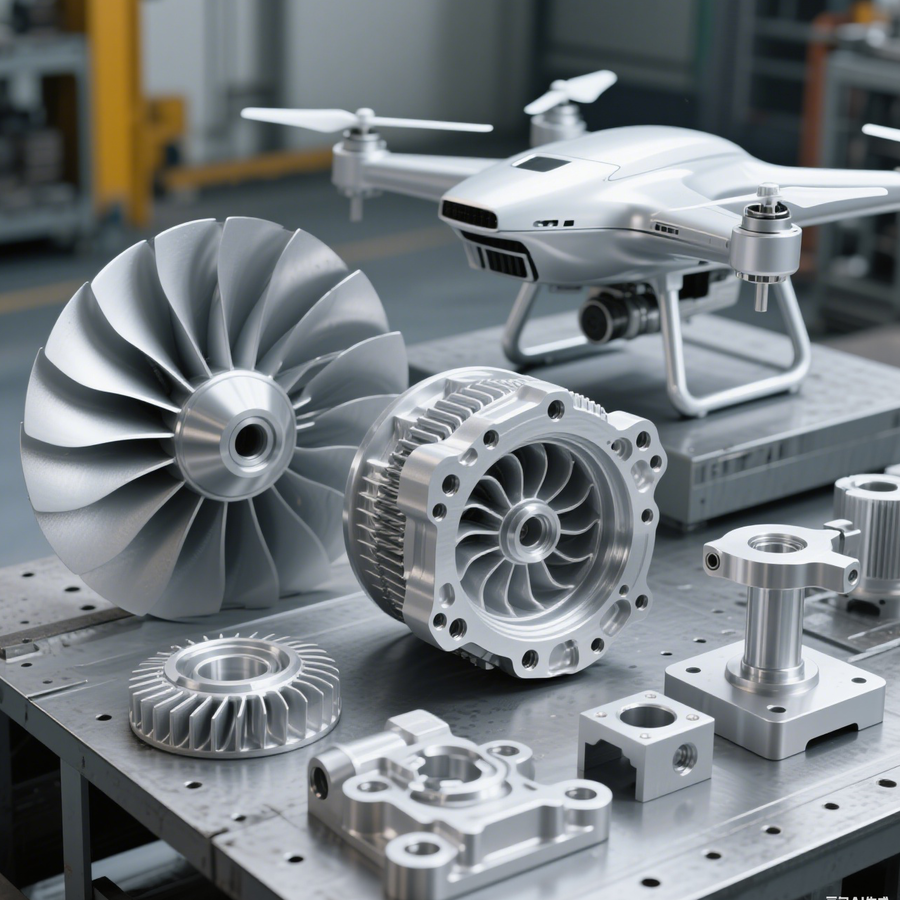
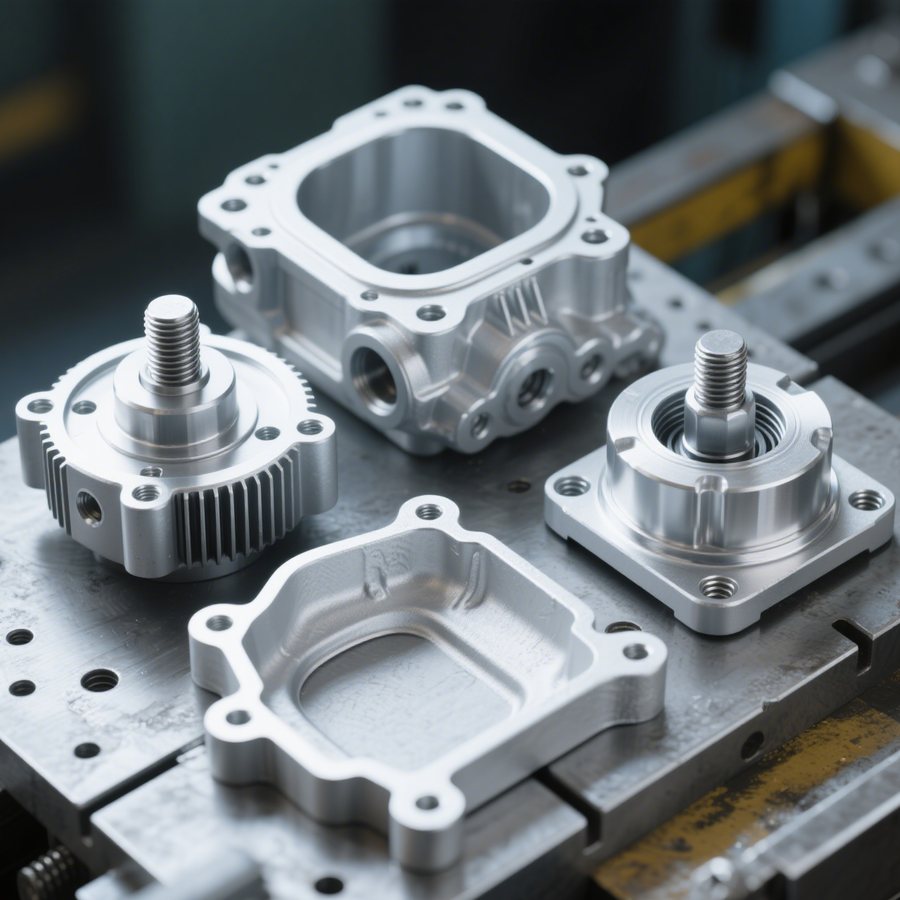
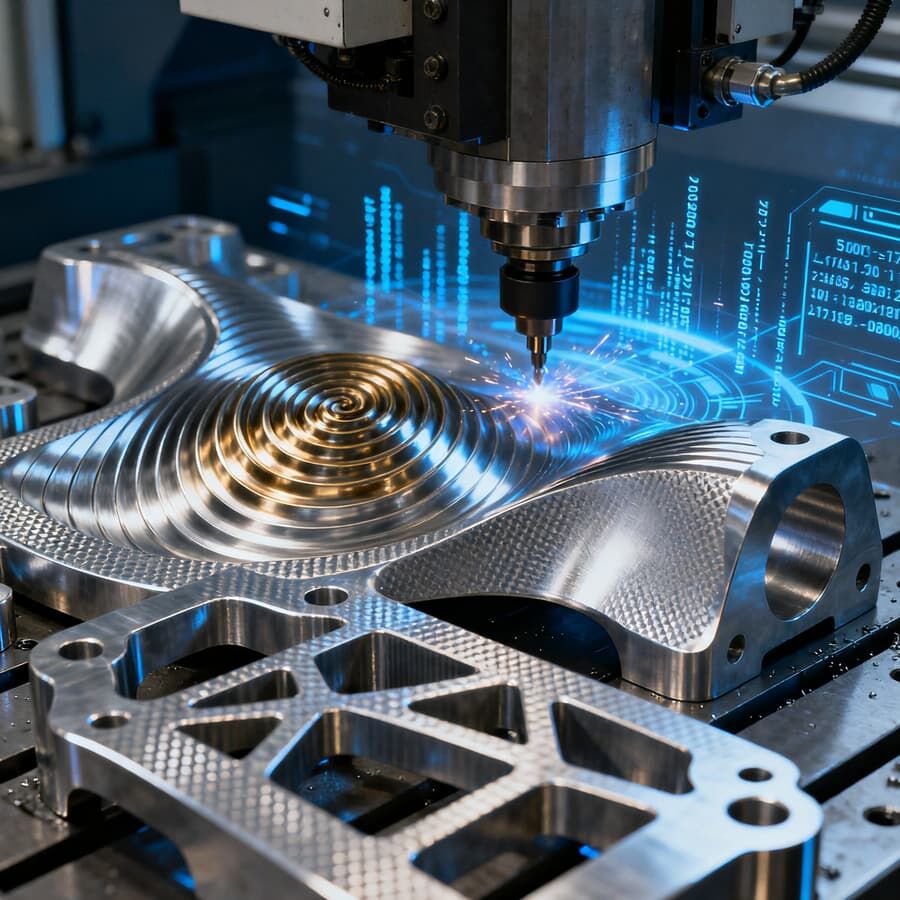
Custom metal casting excels in producing components with intricate internal passages, complex curves, and sophisticated geometries that would be impossible or prohibitively expensive to create through conventional manufacturing methods. This advanced capability stems from the fundamental nature of the casting process, where molten metal flows into every cavity and contour of the mold, faithfully reproducing even the most detailed design features. Engineers can incorporate internal cooling channels, hollow sections, and undercuts directly into the casting design, eliminating the need for multiple assembly operations or expensive machining processes. The precision achievable through modern custom metal casting techniques rivals that of precision machining, with tolerances commonly held to within thousandths of an inch across critical dimensions. This level of accuracy results from sophisticated mold-making technologies, computer-controlled pouring systems, and advanced metallurgical knowledge that ensures consistent shrinkage compensation and dimensional stability. Custom metal casting enables the creation of components that integrate multiple functions into a single piece, reducing part count, assembly time, and potential failure points in finished products. The process accommodates wall thickness variations, allowing engineers to optimize material distribution for strength and weight considerations while maintaining structural integrity throughout the component. Surface finish quality directly from the mold often meets or exceeds requirements for many applications, reducing or eliminating secondary finishing operations. The ability to cast net-shape or near-net-shape components minimizes material waste and reduces environmental impact while keeping production costs competitive. Custom metal casting supports rapid design iterations and modifications, as changes to mold patterns can be implemented quickly without the need for expensive tooling modifications associated with other manufacturing processes. This flexibility proves invaluable during product development phases and when responding to changing customer requirements or market demands.
Material Versatility and Performance Optimization

Material Versatility and Performance Optimization

The remarkable material flexibility of custom metal casting allows manufacturers to select from an extensive range of metals and alloys, each offering specific performance characteristics tailored to particular applications and operating conditions. This versatility extends from common materials like aluminum and steel to specialized alloys designed for extreme temperature, corrosion resistance, or high-strength applications. Custom metal casting processes can handle materials ranging from lightweight aluminum alloys perfect for aerospace applications to heavy-duty cast iron components designed for industrial machinery and automotive engines. The ability to work with various metal compositions enables engineers to optimize component performance by matching material properties precisely to service requirements, whether that involves high-temperature resistance, corrosion protection, or superior mechanical strength. Advanced metallurgical techniques employed in custom metal casting include controlled cooling rates, heat treatment integration, and alloy modification to achieve desired mechanical properties and microstructures. The process accommodates both ferrous and non-ferrous materials, including specialty alloys that may be difficult to machine or form through other manufacturing methods. Custom metal casting enables the production of components with varying material properties within a single casting through techniques such as selective heat treatment or local alloy modification. Quality control procedures ensure consistent material properties throughout each casting and between production batches, providing reliable performance characteristics that meet or exceed design specifications. The ability to recycle and reuse metal materials in the casting process supports sustainable manufacturing practices while maintaining material quality and performance standards. Custom metal casting can incorporate insert materials or reinforcement elements during the casting process, creating hybrid components that combine the benefits of different materials in strategic locations. This material optimization capability allows designers to achieve performance targets that might be impossible with traditional manufacturing approaches while maintaining cost-effectiveness and production efficiency. The extensive material options available through custom metal casting enable manufacturers to respond quickly to changing performance requirements or new application demands without significant process modifications.
Scalability and Cost-Effective Production Solutions

Scalability and Cost-Effective Production Solutions

Custom metal casting provides unparalleled scalability that accommodates everything from single prototype components to high-volume production runs, making it an ideal manufacturing solution for companies at any stage of product development or market penetration. This scalability advantage stems from the fundamental economics of the casting process, where initial tooling investments are typically lower than those required for other precision manufacturing methods, while unit costs decrease favorably as production volumes increase. Small companies and startups can access sophisticated manufacturing capabilities through custom metal casting without the capital investment required for extensive machining equipment or high-volume production tooling. The process supports rapid prototyping and design validation, allowing engineers to test form, fit, and function before committing to larger production quantities or final design specifications. As product demand grows, the same casting process and tooling can often be adapted to higher production rates through process optimization and automation integration. Custom metal casting operations can typically respond quickly to volume changes, scaling production up or down to match market demand without significant lead time penalties or stranded inventory concerns. The cost structure of custom metal casting remains competitive across various production volumes, as the process minimizes material waste and reduces secondary operations compared to alternative manufacturing methods. Fixed costs associated with pattern and tooling development are amortized across production quantities, making even complex components economically viable for medium to high volume applications. Custom metal casting facilities often maintain flexibility in their production scheduling, accommodating rush orders and expedited delivery requirements that might be difficult to achieve with other manufacturing processes. The ability to produce complete, finished components through custom metal casting reduces supply chain complexity and associated logistics costs while maintaining quality control throughout the manufacturing process. Long-term cost advantages include reduced maintenance requirements for cast components due to their superior durability and structural integrity compared to fabricated or machined alternatives. The scalability of custom metal casting extends to geographic considerations, as casting facilities can often be established closer to end-use markets, reducing transportation costs and delivery times while supporting local economic development initiatives.