Professional Iron and Steel Casting Services - Precision Manufacturing Solutions

All Categories

iron and steel casting services

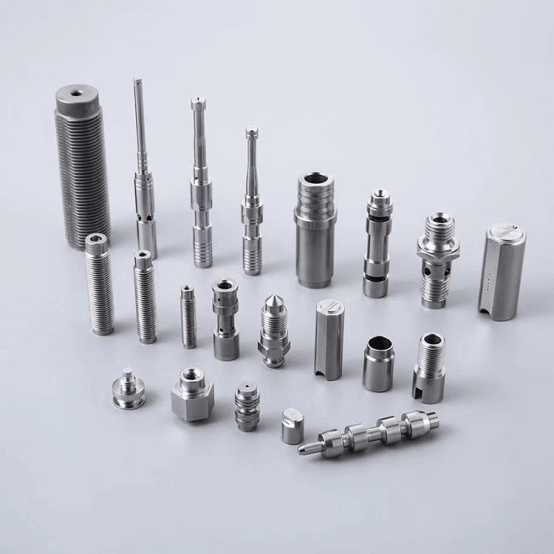
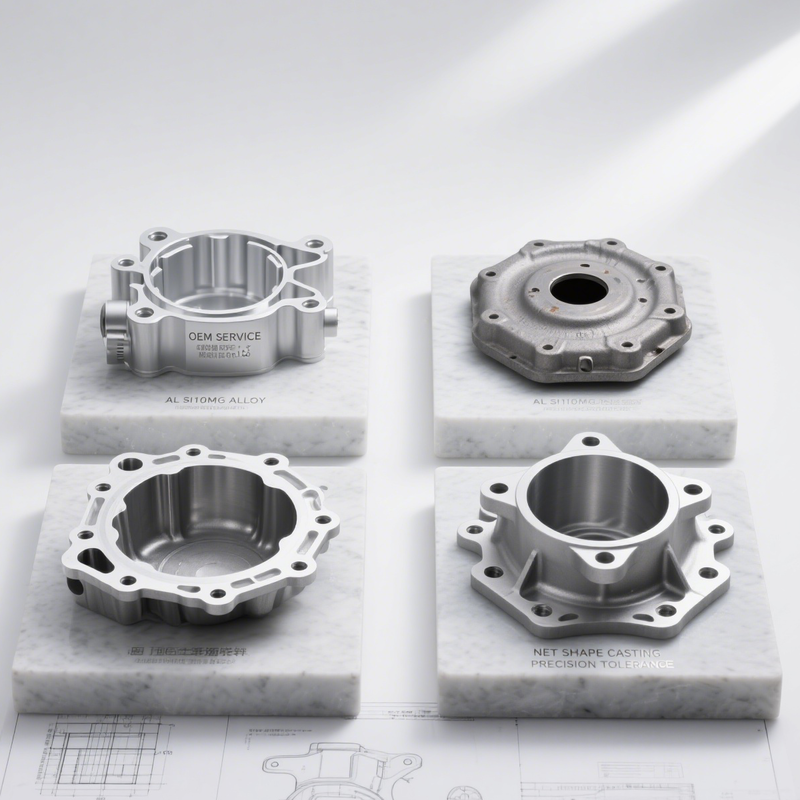
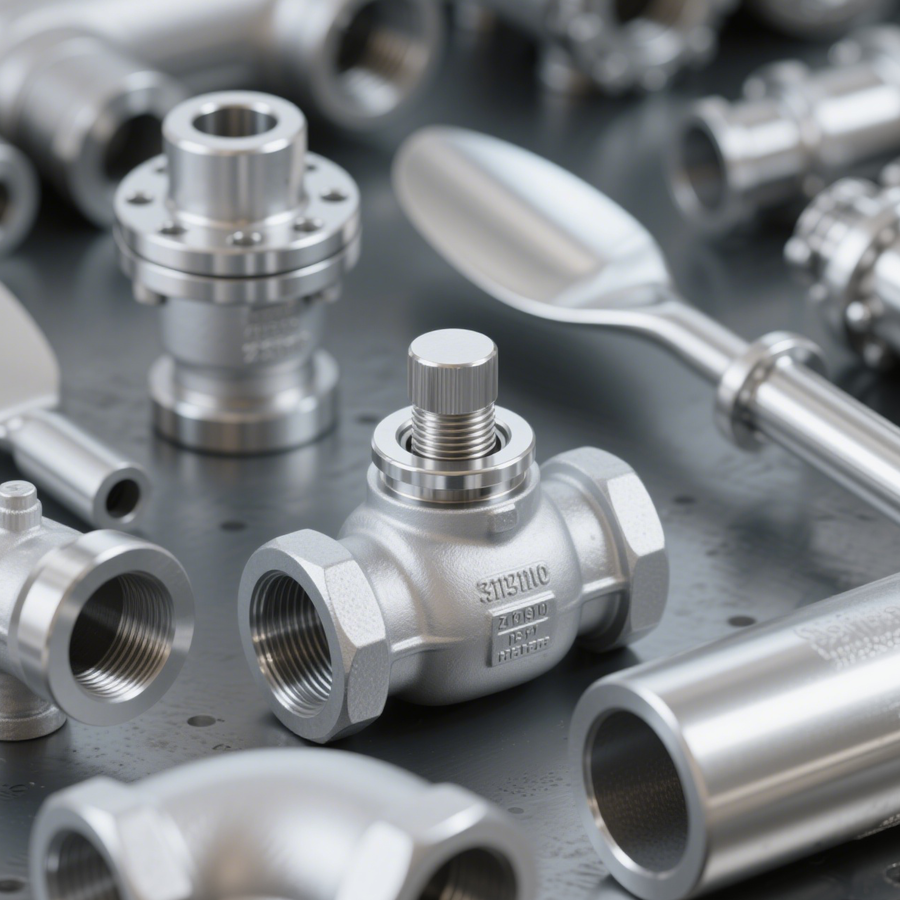
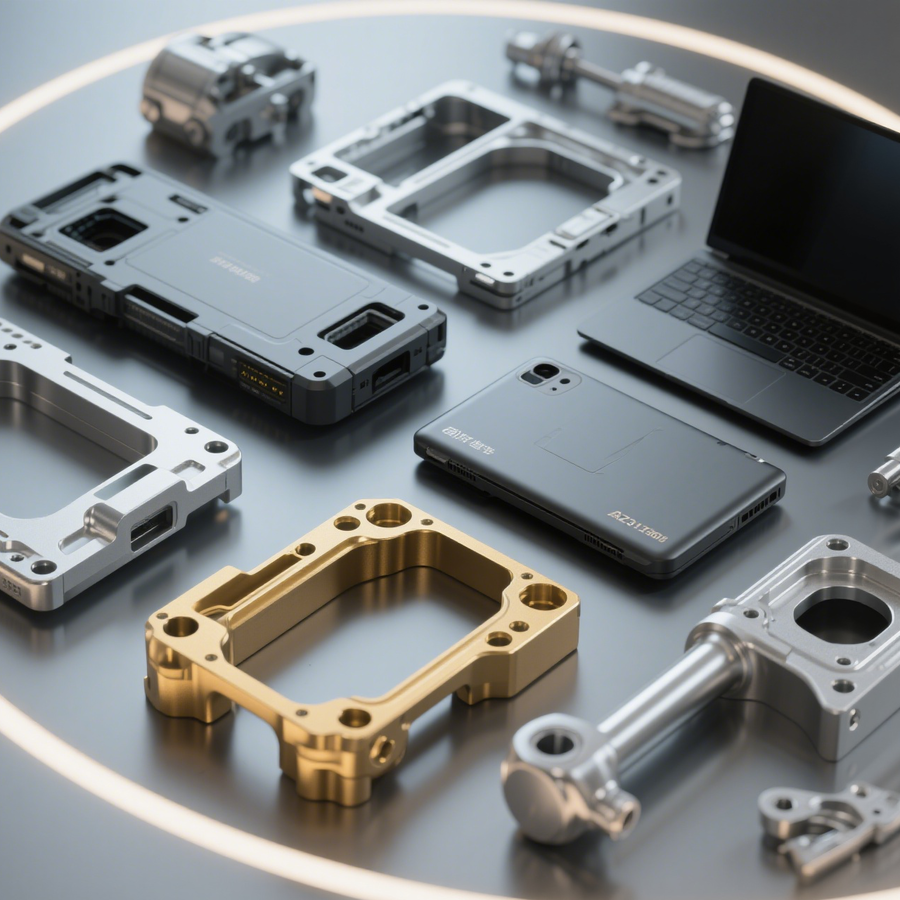
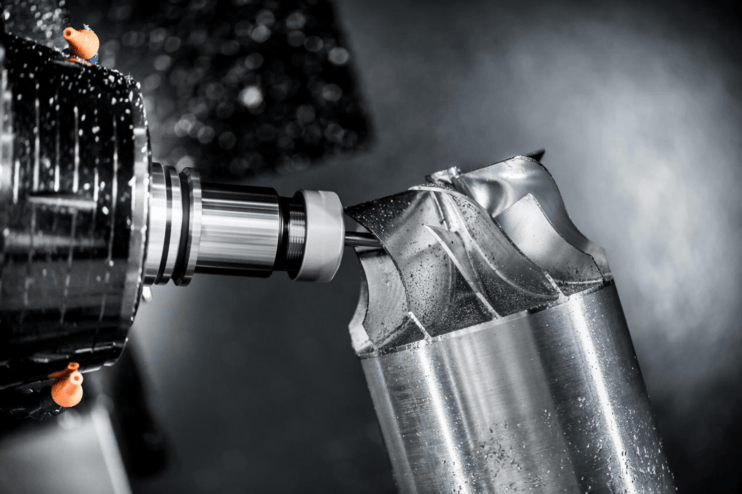
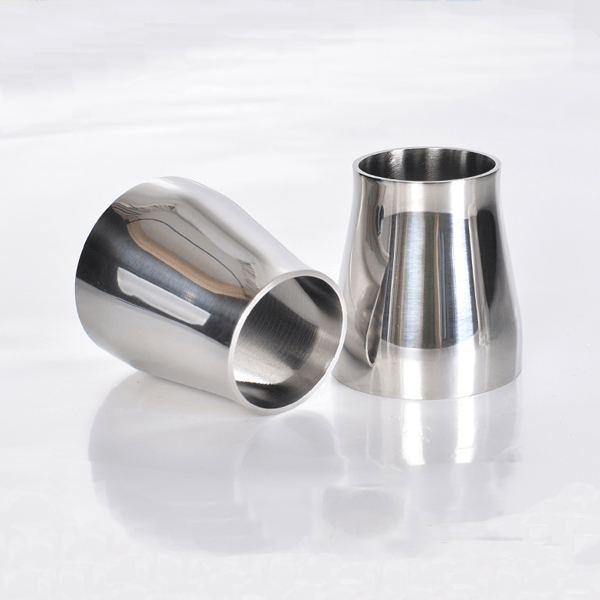
Iron and steel casting services represent a fundamental manufacturing process that transforms molten metal into precise, durable components for countless industrial applications. This comprehensive metalworking solution involves heating iron and steel alloys to their melting point, then pouring the liquid metal into carefully designed molds to create specific shapes and structures. The casting process combines traditional craftsmanship with modern technological innovations, delivering components that meet exacting specifications across diverse industries. These services encompass various casting methods, including sand casting, investment casting, die casting, and continuous casting, each tailored to specific requirements and production volumes. The main functions of iron and steel casting services include producing complex geometries that would be difficult or impossible to achieve through machining, creating components with superior strength-to-weight ratios, and manufacturing parts in both small prototype quantities and large-scale production runs. Technological features include advanced computer-aided design systems that optimize mold configurations, sophisticated temperature control mechanisms that ensure proper metal flow and solidification, and quality assurance protocols that guarantee dimensional accuracy and material integrity. Modern facilities utilize automated pouring systems, robotic handling equipment, and real-time monitoring technology to enhance precision and consistency. Applications span automotive components such as engine blocks and transmission housings, construction materials including structural beams and architectural elements, industrial machinery parts like pump housings and valve bodies, and specialized components for aerospace, marine, and energy sectors. The versatility of iron and steel casting services enables manufacturers to produce everything from intricate decorative elements to heavy-duty industrial equipment, making this process indispensable across multiple manufacturing sectors and supporting global infrastructure development through reliable, cost-effective metal component production.

New Product Recommendations

Iron and steel casting services offer numerous compelling advantages that make them the preferred choice for manufacturers seeking reliable, cost-effective metal component solutions. The primary benefit lies in design flexibility, allowing engineers to create complex internal cavities, intricate external features, and integrated components that eliminate the need for multiple assembled parts. This capability reduces manufacturing complexity while enhancing structural integrity and performance reliability. Cost efficiency represents another significant advantage, particularly for medium to large production volumes where the initial tooling investment delivers substantial per-unit savings compared to alternative manufacturing methods. The process accommodates a wide range of part sizes, from small precision components weighing ounces to massive industrial castings exceeding several tons, providing scalability that matches diverse project requirements. Material versatility enables the use of various iron and steel alloys, each offering specific properties such as enhanced corrosion resistance, improved wear characteristics, or superior strength specifications tailored to intended applications. Quality consistency achieved through modern casting techniques ensures that each component meets stringent dimensional tolerances and material specifications, reducing variability and improving overall product reliability. Time efficiency becomes apparent in the ability to produce multiple components simultaneously using multi-cavity molds, significantly reducing production lead times compared to sequential manufacturing processes. Environmental benefits include the recyclability of iron and steel materials, allowing manufacturers to incorporate recycled content without compromising quality or performance, supporting sustainability initiatives while maintaining cost-effectiveness. The casting process also enables near-net-shape manufacturing, minimizing material waste and reducing subsequent machining requirements, which further enhances cost savings and environmental responsibility. Durability advantages manifest in components that exhibit excellent fatigue resistance, impact strength, and long-term reliability under demanding operating conditions. Supply chain simplification occurs when complex assemblies can be replaced with single cast components, reducing procurement complexity, inventory requirements, and potential failure points. These combined advantages position iron and steel casting services as an optimal manufacturing solution that balances performance, cost, flexibility, and sustainability considerations for modern industrial applications.

Practical Tips

The cleaning of precision components is crucial to ensuring their smoothness and functionality.

29

Nov

The cleaning of precision components is crucial to ensuring their smoothness and functionality.

View More
Methods to Improve the Efficiency of Precision Component Processing

29

Nov

Methods to Improve the Efficiency of Precision Component Processing

View More
Kindness Warms the Heart, Responsibility in Action

29

Nov

Kindness Warms the Heart, Responsibility in Action

View More
Design Knowledge for Shaft Pin Components

29

Nov

Design Knowledge for Shaft Pin Components

View More

Get a Free Quote

Our representative will contact you soon.
Email
Name
Company Name
WhatsApp
Message
0/1000

iron and steel casting services

Advanced Precision Manufacturing Technology

Advanced Precision Manufacturing Technology

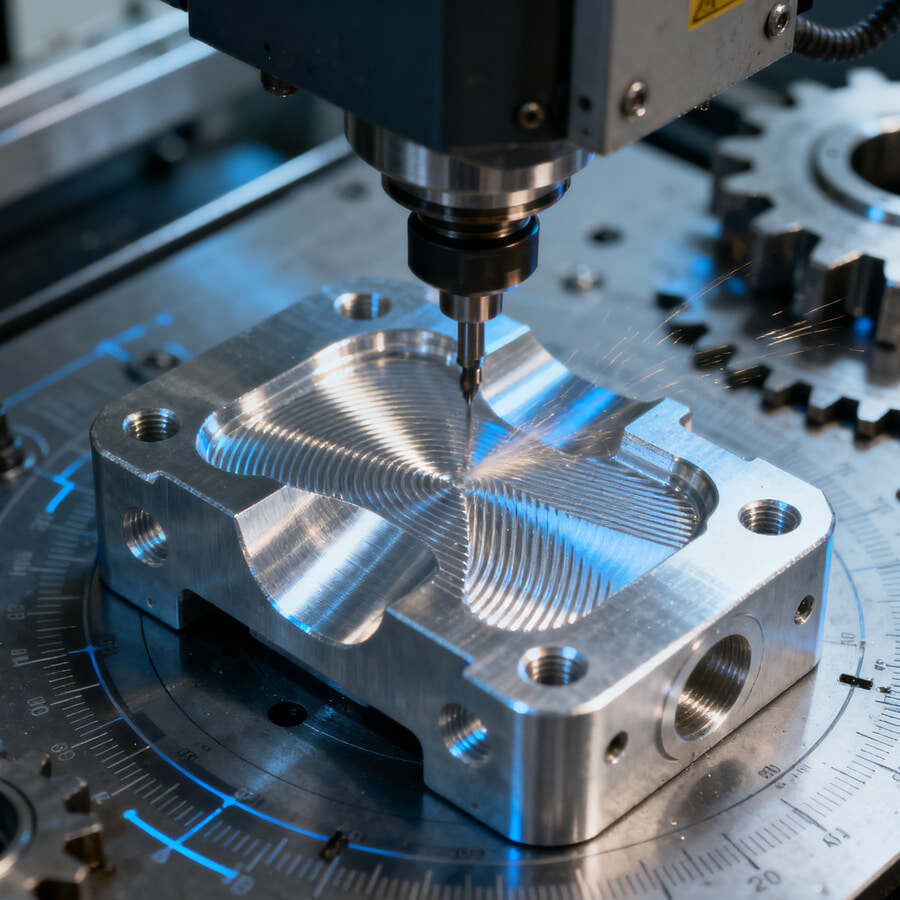
Iron and steel casting services leverage cutting-edge manufacturing technology to deliver components with exceptional precision and consistency that meet the most demanding industrial specifications. Modern casting facilities employ sophisticated computer-aided design and simulation software that optimizes mold designs before physical production begins, eliminating potential defects and ensuring optimal metal flow patterns throughout the casting process. This advanced approach includes finite element analysis to predict thermal behaviors, solidification patterns, and potential stress concentrations, enabling engineers to refine designs proactively rather than reactively addressing issues during production. State-of-the-art melting furnaces equipped with precise temperature control systems maintain optimal metal temperatures throughout the casting process, ensuring proper fluidity for complete mold filling while preventing overheating that could compromise material properties. Automated pouring systems provide consistent metal delivery rates and temperatures, eliminating human variability and enhancing repeatability across production runs. Real-time monitoring equipment tracks critical parameters such as metal temperature, mold temperature, cooling rates, and environmental conditions, automatically adjusting process variables to maintain optimal casting conditions. Quality assurance protocols integrate non-destructive testing methods including ultrasonic inspection, magnetic particle testing, and dimensional coordinate measuring to verify component integrity without compromising finished parts. Digital documentation systems create comprehensive traceability records for each casting, enabling quality tracking from raw material receipt through final delivery, supporting continuous improvement initiatives and customer quality requirements. Advanced metallurgical analysis capabilities ensure that material compositions meet specified requirements while optimizing alloy selections for enhanced performance characteristics. These technological capabilities enable iron and steel casting services to produce components with tolerances measured in thousandths of inches while maintaining structural integrity and surface finish quality that often eliminates secondary machining operations. The integration of Industry 4.0 principles creates connected manufacturing environments where data analytics drive process optimization, predictive maintenance, and quality enhancement initiatives that continuously improve casting performance and reliability.
Comprehensive Material Selection and Customization

Comprehensive Material Selection and Customization

Iron and steel casting services provide extensive material selection options and customization capabilities that enable manufacturers to specify exact properties required for their specific applications, ensuring optimal performance and longevity under diverse operating conditions. The comprehensive range of available materials includes various grades of gray iron, ductile iron, malleable iron, carbon steels, alloy steels, and specialized compositions engineered for specific performance characteristics such as enhanced corrosion resistance, improved wear properties, or superior high-temperature performance. Material scientists work closely with customers to analyze application requirements, operating environments, stress conditions, and performance expectations to recommend optimal alloy compositions that balance cost-effectiveness with performance requirements. Customization extends beyond basic material selection to include heat treatment processes that modify material properties through controlled heating and cooling cycles, enabling fine-tuning of characteristics such as hardness, ductility, tensile strength, and fatigue resistance. Surface treatment options include various coating applications, chemical treatments, and mechanical finishes that enhance corrosion resistance, improve wear characteristics, or provide specific aesthetic appearances required for architectural or decorative applications. The ability to incorporate recycled materials into casting compositions supports sustainability initiatives while maintaining quality standards, with sophisticated material analysis ensuring that recycled content meets performance specifications. Specialized alloy development services enable the creation of custom compositions for unique applications where standard materials may not provide optimal performance characteristics. Quality certification processes include comprehensive material testing, chemical analysis, and mechanical property verification to ensure that finished castings meet all specified requirements and industry standards. Documentation packages provide complete material traceability and certification records that support customer quality systems and regulatory compliance requirements. The flexibility to adjust material compositions for specific production runs enables optimization for different operating conditions, environmental exposures, or performance requirements within the same product family. This comprehensive approach to material selection and customization ensures that iron and steel casting services can provide solutions that precisely match customer requirements while optimizing performance, durability, and cost-effectiveness for each specific application scenario.
Scalable Production Solutions for Diverse Requirements

Scalable Production Solutions for Diverse Requirements

Iron and steel casting services offer exceptional scalability and production flexibility that accommodates everything from prototype development through high-volume manufacturing, providing cost-effective solutions regardless of project size or complexity requirements. This scalability begins with rapid prototyping capabilities that enable quick turnaround of sample parts for design verification, performance testing, and market evaluation, allowing customers to validate concepts before committing to full production tooling investments. Small-batch production services support specialty applications, replacement parts, and limited-production items where traditional manufacturing methods may not be economically viable, providing access to cast metal components without minimum order quantity restrictions. Medium-volume production capabilities leverage efficient tooling solutions and optimized processes to deliver components at competitive pricing while maintaining quality standards and delivery schedules that support customer production requirements. High-volume manufacturing utilizes automated systems, multi-cavity tooling, and streamlined processes to achieve maximum efficiency and cost-effectiveness for large-scale production programs. Flexible scheduling accommodates varying customer demand patterns, seasonal requirements, and market fluctuations through adaptive production planning that optimizes facility utilization while meeting customer delivery commitments. Inventory management services can provide just-in-time delivery, consignment programs, or bulk storage solutions that align with customer supply chain strategies and working capital optimization objectives. Geographic distribution capabilities ensure that iron and steel casting services can support customers across multiple locations through strategic facility placement and logistics coordination. Engineering support throughout the production lifecycle includes design optimization recommendations, process improvement suggestions, and cost reduction initiatives that enhance value delivery as production volumes evolve. Quality systems scale appropriately from individual part inspection for prototypes to statistical process control for high-volume production, ensuring consistent quality regardless of production quantity. Rush order capabilities provide expedited services when customer requirements change or unexpected demands arise, maintaining supply chain continuity through responsive production scheduling. This comprehensive scalability ensures that iron and steel casting services remain viable and cost-effective throughout the entire product lifecycle, from initial concept through end-of-life production, providing customers with a reliable manufacturing partner that adapts to changing business requirements while maintaining consistent quality and service standards.