Professional Metal Casting Services - Precision Manufacturing Solutions for All Industries

All Categories

metal casting services

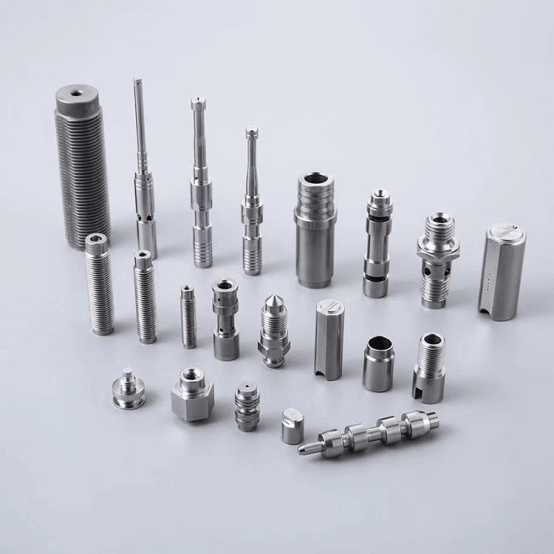
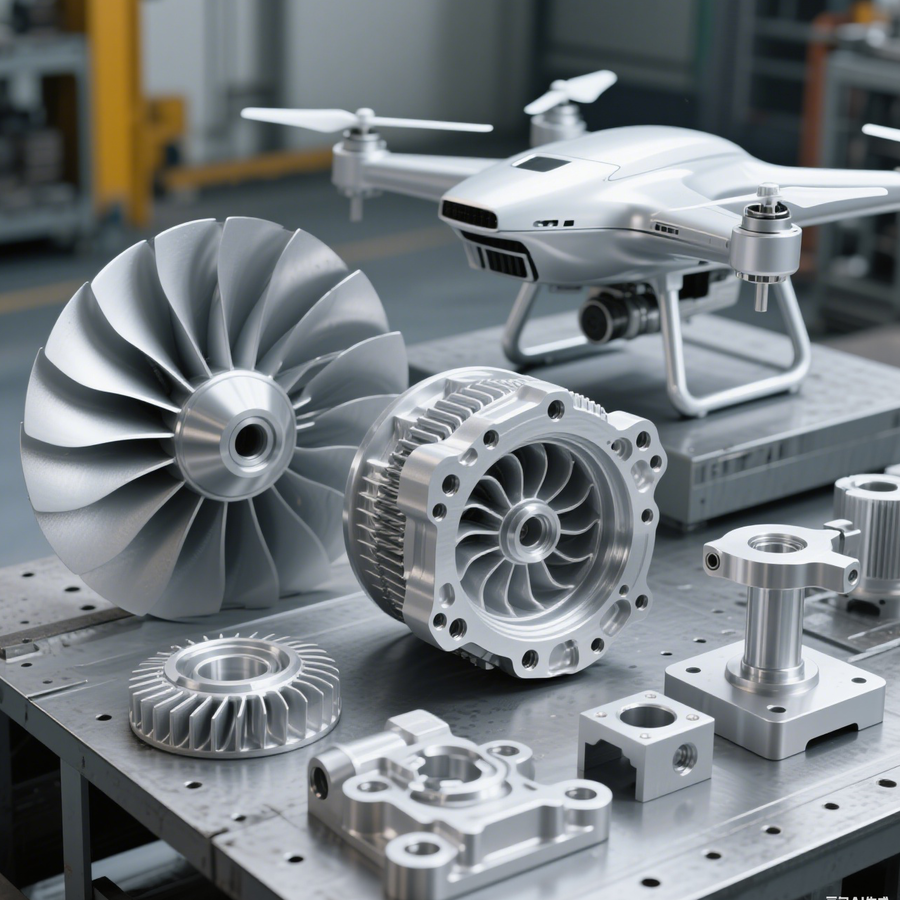
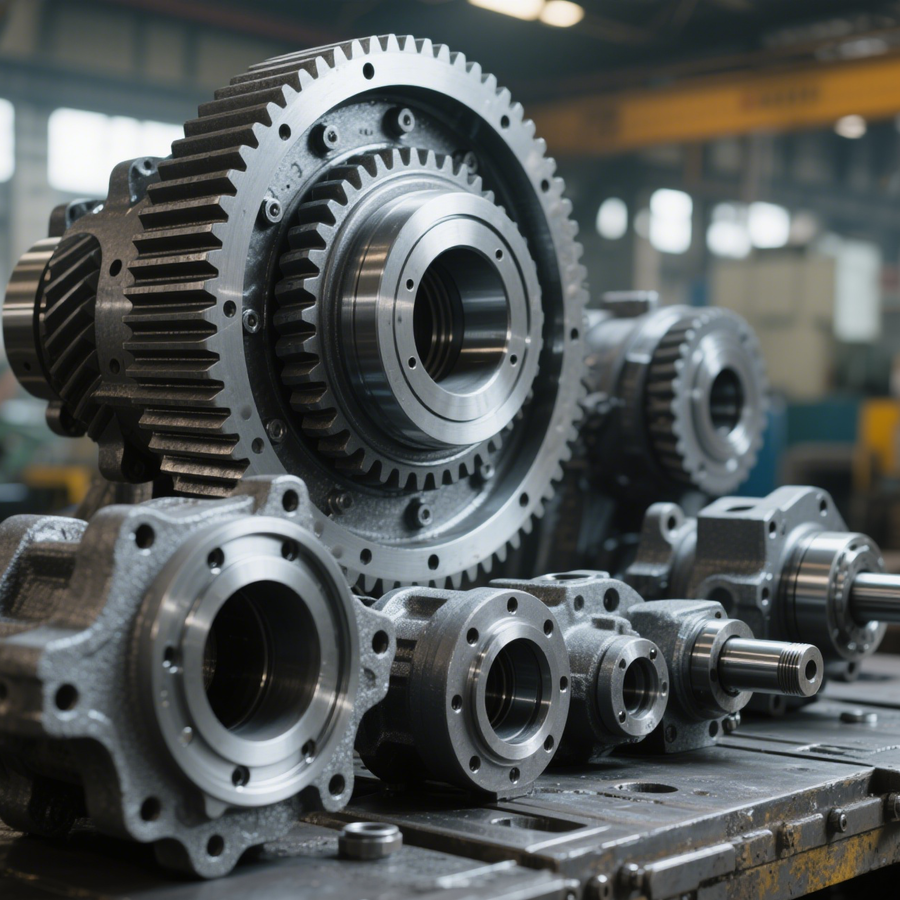
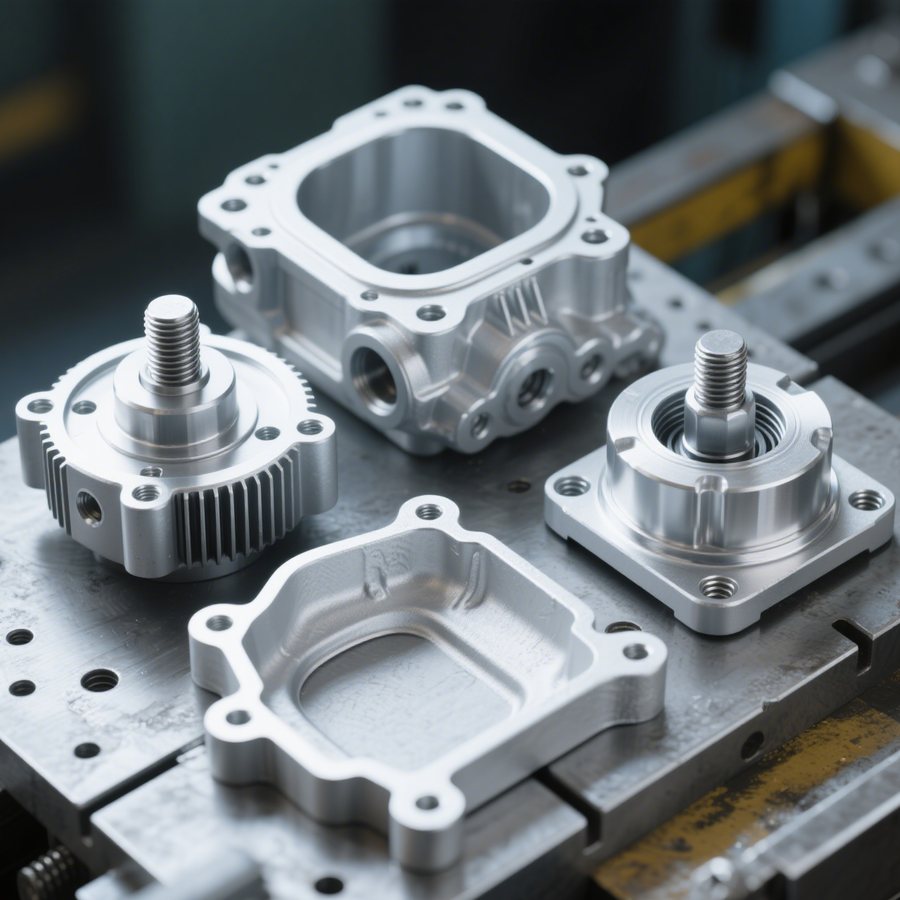
Metal casting services represent a fundamental manufacturing process that transforms molten metal into solid components through specialized molds and techniques. This ancient yet continually evolving technology serves as the backbone for countless industries, from automotive manufacturing to aerospace engineering. The primary function of metal casting services involves melting raw metal materials and pouring them into precisely designed molds, where they solidify into desired shapes and configurations. Modern foundries utilize advanced equipment including induction furnaces, vacuum casting systems, and computer-controlled pouring mechanisms to ensure consistent quality and dimensional accuracy. The technological features of contemporary metal casting services encompass multiple casting methods such as sand casting, investment casting, die casting, and continuous casting. Each technique offers distinct advantages depending on the specific requirements of the final product. Sand casting remains the most versatile method, accommodating large components and complex geometries while maintaining cost-effectiveness for both prototype and production runs. Investment casting provides exceptional surface finish and dimensional precision for intricate parts, making it ideal for aerospace and medical applications. Die casting excels in high-volume production of smaller components with excellent surface quality and tight tolerances. The applications of metal casting services span virtually every manufacturing sector. Automotive industries rely heavily on cast components for engine blocks, transmission housings, and suspension parts. Aerospace manufacturers utilize precision casting for turbine blades, structural components, and landing gear assemblies. Construction industries depend on cast materials for architectural elements, infrastructure components, and heavy machinery parts. Medical device manufacturers employ specialized casting techniques for surgical instruments and implantable components. Agricultural equipment, marine hardware, and industrial machinery all benefit from the versatility and reliability of professional metal casting services, making this technology indispensable for modern manufacturing operations.

New Product Recommendations

Professional metal casting services deliver exceptional value through cost-effective production methods that significantly reduce manufacturing expenses compared to alternative fabrication techniques. Companies can produce complex geometries in a single operation, eliminating the need for multiple machining steps and assembly processes. This streamlined approach reduces labor costs, minimizes material waste, and accelerates production timelines. The inherent flexibility of metal casting services allows manufacturers to create prototypes and small batches without substantial tooling investments, making it perfect for product development and testing phases. Large-scale production runs benefit from economies of scale, where per-unit costs decrease dramatically as volume increases. Material versatility represents another compelling advantage, as metal casting services accommodate an extensive range of alloys including aluminum, steel, iron, bronze, and specialized high-performance materials. This flexibility enables engineers to select optimal materials based on specific performance requirements such as strength, corrosion resistance, thermal conductivity, or weight considerations. The casting process preserves material properties throughout the component, ensuring consistent performance characteristics that meet stringent industry standards. Quality control measures integrated into modern metal casting services guarantee reproducible results and dimensional accuracy. Advanced inspection techniques including X-ray analysis, ultrasonic testing, and coordinate measuring machines verify component integrity and compliance with specifications. These quality assurance protocols minimize defect rates and ensure reliable performance in critical applications. Speed and efficiency characterize professional metal casting services, with established foundries capable of delivering components within compressed timeframes. Automated systems and optimized workflows enable rapid turnaround for both prototype and production orders. Design freedom represents perhaps the most significant advantage, as metal casting services can produce components with internal cavities, undercuts, and complex internal structures that would be impossible or prohibitively expensive using other manufacturing methods. This capability enables innovative product designs and functional integration that reduces assembly complexity. Environmental benefits include material recyclability and energy efficiency, as modern foundries implement sustainable practices and waste reduction strategies that minimize environmental impact while maintaining competitive pricing structures.

Tips And Tricks

The cleaning of precision components is crucial to ensuring their smoothness and functionality.

29

Nov

The cleaning of precision components is crucial to ensuring their smoothness and functionality.

View More
Methods to Improve the Efficiency of Precision Component Processing

29

Nov

Methods to Improve the Efficiency of Precision Component Processing

View More
Kindness Warms the Heart, Responsibility in Action

29

Nov

Kindness Warms the Heart, Responsibility in Action

View More
Design Knowledge for Shaft Pin Components

29

Nov

Design Knowledge for Shaft Pin Components

View More

Get a Free Quote

Our representative will contact you soon.
Email
Name
Company Name
WhatsApp
Message
0/1000

metal casting services

Precision Engineering and Quality Assurance Excellence

Precision Engineering and Quality Assurance Excellence

Modern metal casting services distinguish themselves through rigorous precision engineering protocols and comprehensive quality assurance systems that guarantee exceptional component reliability and dimensional accuracy. Advanced foundries implement sophisticated measurement technologies including coordinate measuring machines, laser scanning systems, and statistical process control methodologies to monitor every aspect of the casting process. These quality control measures begin with incoming material inspection, where raw metals undergo chemical analysis and mechanical testing to verify composition and properties. During the casting process, real-time monitoring systems track critical parameters such as pouring temperature, cooling rates, and mold integrity to ensure optimal conditions throughout production. Post-casting inspection procedures include comprehensive dimensional verification, surface quality assessment, and non-destructive testing methods such as X-ray radiography and ultrasonic examination. Professional metal casting services maintain detailed quality documentation and traceability records that satisfy stringent industry standards including ISO 9001, AS9100, and FDA regulations for medical applications. Metallurgical laboratories perform microstructure analysis and mechanical property testing to validate material characteristics and performance capabilities. This commitment to precision extends to tooling design and maintenance, where computer-aided engineering software optimizes mold configurations for uniform filling patterns and controlled solidification. Advanced simulation software predicts potential defects and optimizes process parameters before production begins, reducing waste and ensuring first-time quality success. Temperature monitoring systems and automated pouring equipment eliminate human error variables that could compromise casting quality. Surface finish specifications are achieved through controlled mold materials and finishing operations that deliver components ready for immediate use or minimal secondary processing. The integration of Industry 4.0 technologies enables predictive maintenance of equipment and continuous process optimization based on historical performance data. These precision engineering practices and quality assurance protocols ensure that metal casting services deliver components that meet or exceed customer expectations while maintaining competitive delivery schedules and pricing structures.
Comprehensive Material Expertise and Alloy Specialization

Comprehensive Material Expertise and Alloy Specialization

Professional metal casting services offer unparalleled material expertise and specialized knowledge in working with diverse alloy systems, enabling optimal material selection for specific application requirements and performance criteria. Experienced metallurgists collaborate with customers to identify the most suitable materials based on mechanical properties, environmental conditions, and cost considerations. This comprehensive approach encompasses ferrous materials including carbon steels, alloy steels, stainless steels, and cast irons, each offering distinct advantages for different applications. Non-ferrous options include aluminum alloys for lightweight applications, copper-based alloys for electrical and marine applications, and specialized superalloys for high-temperature environments. The expertise extends beyond standard materials to include proprietary alloys and custom compositions developed for specific customer requirements. Advanced melting technologies enable precise control of chemical composition, grain structure, and mechanical properties throughout the casting process. Vacuum induction melting systems eliminate atmospheric contamination while enabling the production of high-purity alloys with exceptional cleanliness levels. Heat treatment capabilities include solution annealing, precipitation hardening, stress relieving, and specialized thermal cycles that optimize material properties for intended applications. Material certification programs provide complete documentation of chemical composition, mechanical properties, and quality test results for full traceability and compliance with industry specifications. Research and development activities focus on emerging materials and advanced processing techniques that expand the capabilities of metal casting services. Collaboration with material suppliers and research institutions ensures access to cutting-edge alloy developments and processing innovations. Environmental considerations include the selection of lead-free alternatives and sustainable material options that meet regulatory requirements while maintaining performance standards. Specialized expertise in processing reactive metals, refractory alloys, and biocompatible materials enables metal casting services to serve demanding applications in aerospace, medical, and energy sectors. Material recycling programs maximize sustainability while reducing costs, with sophisticated sorting and reprocessing capabilities that maintain material quality throughout multiple usage cycles. This comprehensive material expertise ensures that customers receive optimal solutions tailored to their specific performance requirements and operational constraints.
Advanced Manufacturing Capabilities and Production Flexibility

Advanced Manufacturing Capabilities and Production Flexibility

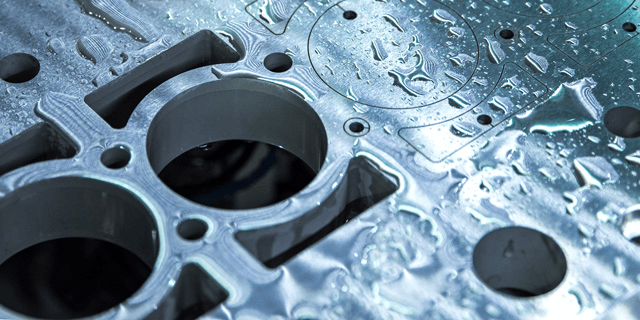
Leading metal casting services demonstrate exceptional manufacturing capabilities through state-of-the-art equipment, flexible production systems, and adaptive processes that accommodate diverse customer requirements from prototype development to high-volume manufacturing. Modern foundries integrate advanced technologies including robotic automation, computer-controlled systems, and digital manufacturing tools that enhance productivity while maintaining consistent quality standards. Flexible molding systems accommodate rapid changeovers between different products, enabling efficient production of both small specialty batches and large-scale manufacturing runs. Investment in multiple casting processes under one roof provides customers with comprehensive solutions and eliminates the need for multiple suppliers. Sand casting capabilities include green sand, resin sand, and shell molding systems that handle components ranging from a few ounces to several tons. Investment casting facilities utilize state-of-the-art wax injection systems, shell building automation, and vacuum casting technology for precision components with exceptional surface finish. Die casting operations feature high-pressure systems capable of producing complex thin-wall components with tight dimensional tolerances and excellent surface quality. Continuous improvement initiatives focus on lean manufacturing principles, waste reduction, and cycle time optimization that enhance competitiveness while reducing environmental impact. Digital manufacturing technologies include 3D printing for rapid prototype tooling, computer simulation for process optimization, and digital quality control systems that ensure consistent results. Capacity planning and production scheduling systems utilize advanced algorithms to optimize resource utilization and meet demanding delivery requirements. Cross-training programs ensure workforce flexibility and capability depth across multiple processes and technologies. Preventive maintenance programs and equipment monitoring systems maximize uptime and maintain production consistency. Supply chain management expertise ensures reliable material availability and cost optimization through strategic supplier relationships and inventory management systems. Continuous technology advancement includes regular equipment upgrades, process improvements, and adoption of emerging manufacturing technologies that maintain competitive advantages. Customer collaboration extends throughout the entire production cycle, from initial design consultation through final delivery and aftermarket support services.