Precision CNC Machines: Advanced Manufacturing Solutions for Superior Accuracy and Efficiency

All Categories

precision cnc

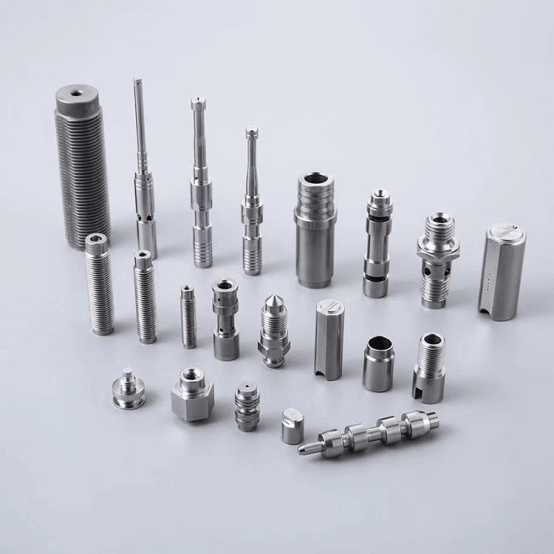
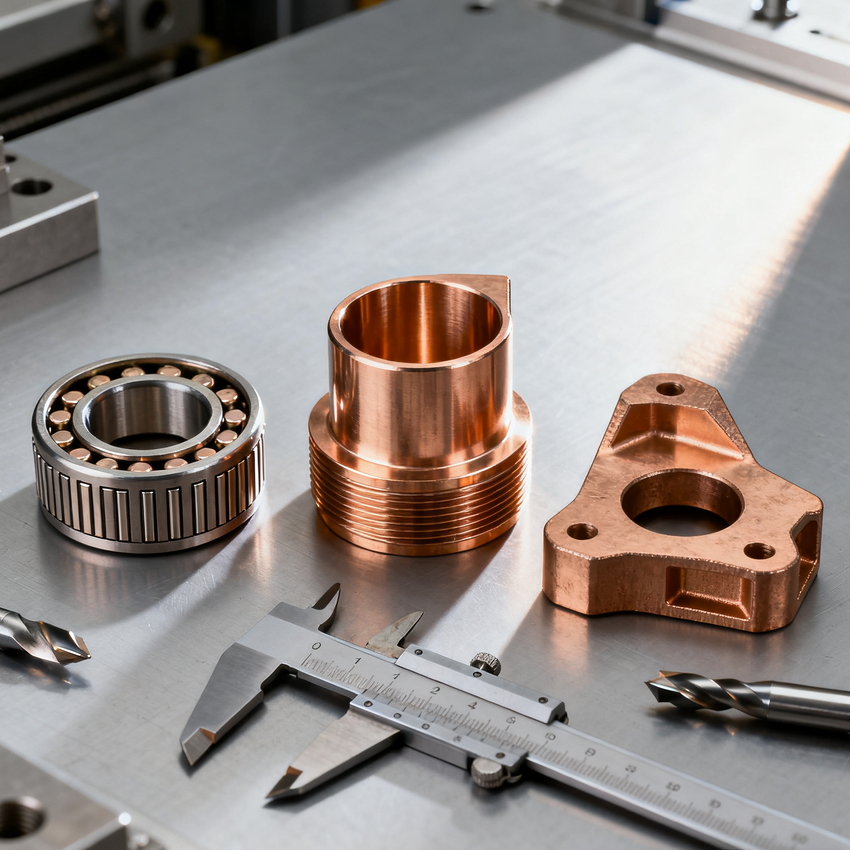
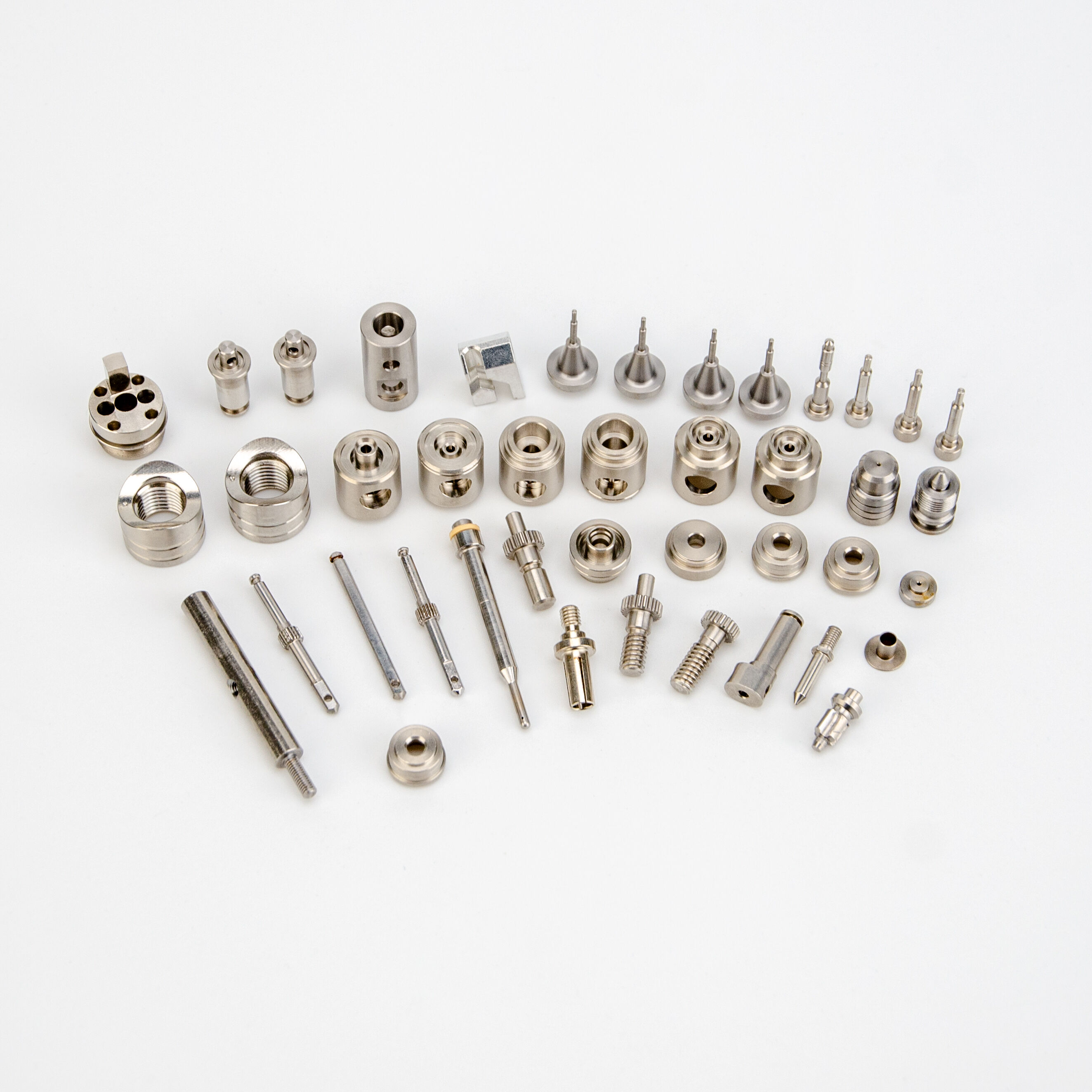
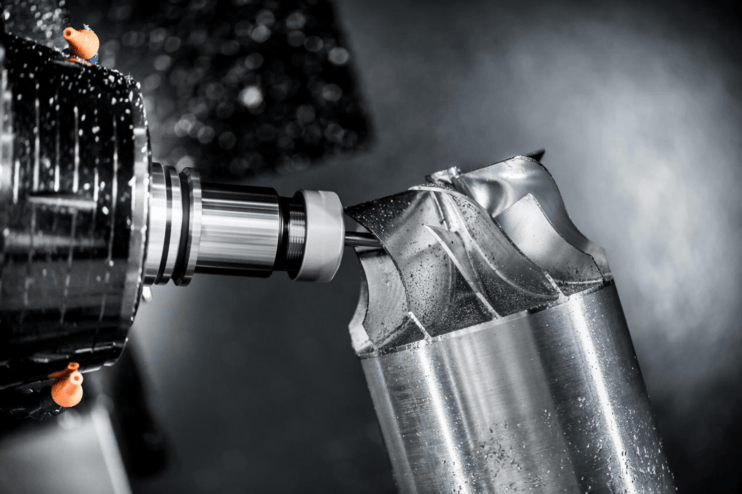
Precision CNC represents the pinnacle of computer numerical control technology, delivering exceptional accuracy and consistency in manufacturing operations. These advanced machines utilize sophisticated computer programming to control cutting tools, spindles, and workpiece positioning with remarkable precision, typically achieving tolerances within micrometers. The precision CNC system integrates high-performance servo motors, precision ball screws, linear guides, and advanced control algorithms to ensure consistent, repeatable results across extended production runs. Modern precision CNC machines feature multi-axis capabilities, enabling complex geometric operations that would be impossible with conventional machining methods. The technology encompasses various machine types including precision CNC mills, lathes, grinding machines, and specialized equipment designed for specific manufacturing requirements. Key technological features include real-time feedback systems that continuously monitor tool position and workpiece dimensions, adaptive control systems that automatically adjust cutting parameters based on material conditions, and integrated quality control systems that verify dimensional accuracy during production. These machines incorporate thermal compensation systems to maintain precision despite temperature fluctuations, vibration dampening technology to eliminate external disturbances, and advanced tool management systems that optimize tool life and performance. Precision CNC applications span numerous industries including aerospace, medical device manufacturing, automotive, electronics, and precision instrumentation. In aerospace applications, precision CNC machines produce critical components requiring exceptional dimensional accuracy and surface finish quality. Medical device manufacturing relies on precision CNC technology to create implants, surgical instruments, and diagnostic equipment components that meet stringent regulatory requirements. The automotive industry utilizes precision CNC systems for engine components, transmission parts, and safety-critical elements requiring consistent quality and dimensional stability. Electronics manufacturing depends on precision CNC for creating miniaturized components, circuit board substrates, and connector assemblies with tight tolerances. The technology continues evolving with integration of artificial intelligence, IoT connectivity, and advanced materials processing capabilities.
New Product Releases

Precision CNC technology delivers substantial benefits that directly impact manufacturing efficiency and product quality. The most significant advantage lies in dimensional accuracy, where precision CNC machines consistently produce parts within extremely tight tolerances, eliminating the variability inherent in manual machining processes. This accuracy translates to reduced waste, lower rejection rates, and improved customer satisfaction through consistent product quality. Manufacturing flexibility represents another crucial benefit, as precision CNC systems can rapidly switch between different part configurations without extensive setup modifications. Operators can load new programs, change tooling, and begin production of entirely different components within minutes rather than hours required for conventional machine reconfiguration. Production speed gains are remarkable, with precision CNC machines operating continuously without fatigue or attention lapses that affect human operators. Automated tool changes, programmable feeds and speeds, and optimized cutting paths maximize material removal rates while maintaining surface finish requirements. Cost effectiveness emerges through reduced labor requirements, as single operators can manage multiple precision CNC machines simultaneously, increasing overall productivity per labor hour invested. Long-term operational costs decrease through predictable tool wear patterns, scheduled maintenance intervals, and reduced scrap rates compared to traditional machining methods. Quality consistency stands as perhaps the most valuable advantage, with precision CNC systems producing identical parts regardless of production volume or timing. This consistency eliminates the need for extensive inspection processes, reduces quality control overhead, and ensures customer specifications are met repeatedly. Safety improvements are significant, as precision CNC machines operate within enclosed environments, protecting operators from flying debris, cutting fluid exposure, and rotating machinery hazards. Automated operations reduce repetitive strain injuries and eliminate many manual handling requirements associated with conventional machining. Documentation capabilities provide complete traceability through integrated data collection systems that record cutting parameters, tool usage, cycle times, and quality measurements for each manufactured component. This documentation supports quality management systems, regulatory compliance requirements, and continuous improvement initiatives that drive long-term manufacturing excellence.

Latest News

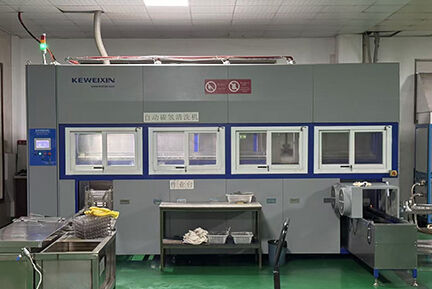
The cleaning of precision components is crucial to ensuring their smoothness and functionality.

29

Nov

The cleaning of precision components is crucial to ensuring their smoothness and functionality.

View More
Methods to Improve the Efficiency of Precision Component Processing

29

Nov

Methods to Improve the Efficiency of Precision Component Processing

View More
Kindness Warms the Heart, Responsibility in Action

29

Nov

Kindness Warms the Heart, Responsibility in Action

View More
Design Knowledge for Shaft Pin Components

29

Nov

Design Knowledge for Shaft Pin Components

View More

Get a Free Quote

Our representative will contact you soon.
Email
Name
Company Name
WhatsApp
Message
0/1000

precision cnc

Unmatched Dimensional Accuracy and Repeatability

Unmatched Dimensional Accuracy and Repeatability

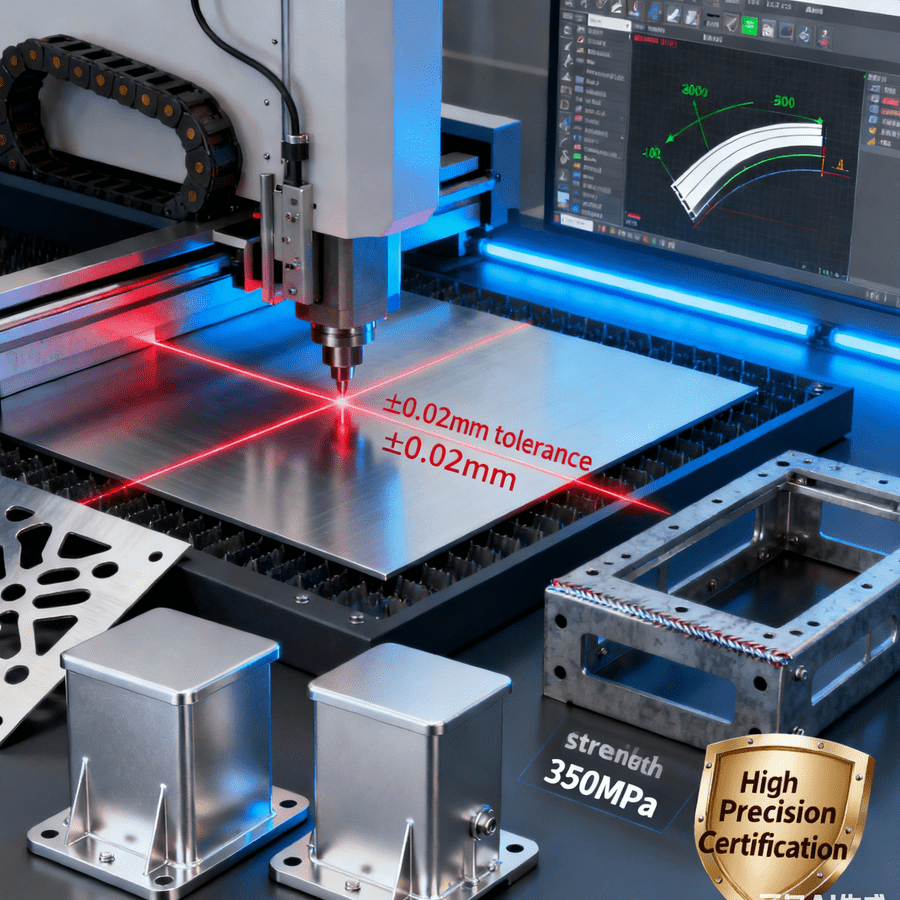
Precision CNC technology revolutionizes manufacturing through extraordinary dimensional accuracy that consistently achieves tolerances measured in micrometers rather than traditional machining tolerances measured in thousandths of inches. This remarkable accuracy stems from advanced control systems that eliminate human error variables while maintaining consistent cutting conditions throughout entire production runs. The precision CNC system employs high-resolution encoder feedback that monitors tool position thousands of times per second, ensuring cutting tools follow programmed paths with exceptional fidelity. Temperature compensation systems automatically adjust machine positioning to account for thermal expansion of machine components, workpieces, and cutting tools, maintaining dimensional accuracy despite environmental fluctuations that would compromise conventional machining operations. Vibration isolation technology eliminates external disturbances that could affect cutting tool stability, while precision spindle systems deliver consistent rotational accuracy without runout variations that create dimensional inconsistencies. Linear motion systems utilize precision ball screws and linear guides manufactured to exceptional standards, providing smooth, accurate positioning throughout the entire travel range without backlash or positioning errors. The repeatability advantage becomes particularly valuable in high-volume production scenarios where thousands of identical components must meet identical specifications. Traditional machining methods introduce cumulative errors through tool wear, operator variation, and setup inconsistencies, while precision CNC systems maintain dimensional stability across extended production runs. Quality control processes become streamlined since dimensional verification can focus on statistical sampling rather than comprehensive inspection of every manufactured component. Customer satisfaction improves dramatically when delivered products consistently meet or exceed dimensional requirements without variation between production lots or manufacturing timeframes. The precision advantage extends beyond basic dimensional control to include surface finish consistency, geometric tolerances, and complex feature relationships that would be impossible to maintain through manual machining processes. Industries requiring critical dimensional accuracy such as aerospace, medical devices, and precision instrumentation depend on precision CNC capability to meet regulatory requirements and performance specifications that ensure end-product reliability and safety.
Advanced Automation and Production Efficiency

Advanced Automation and Production Efficiency

Precision CNC systems deliver transformative automation capabilities that maximize production efficiency while minimizing labor requirements and operational costs. Modern precision CNC machines feature sophisticated automation systems including automatic tool changers, pallet systems, and robotic loading mechanisms that enable continuous operation without operator intervention. These automation features allow manufacturers to maintain production schedules during off-hours, weekends, and holidays, effectively tripling available production time compared to manually operated equipment. Tool management systems automatically select appropriate cutting tools for each operation, monitor tool condition through integrated sensors, and replace worn tools before dimensional accuracy becomes compromised. This proactive tool management eliminates production delays caused by unexpected tool failures while optimizing tool life through precise monitoring of cutting conditions and wear patterns. Pallet systems enable operators to prepare workpieces offline while machines continue processing previously loaded components, eliminating setup time that would otherwise interrupt production flow. Advanced scheduling software optimizes production sequences to minimize tool changes, reduce setup requirements, and maximize spindle utilization across multiple part numbers and production orders. Integration with enterprise resource planning systems provides real-time production status, inventory management, and scheduling optimization that improves overall manufacturing efficiency. Precision CNC automation extends to quality control through integrated measurement systems that verify dimensional accuracy during production cycles rather than requiring separate inspection operations. In-process monitoring continuously evaluates cutting forces, vibration patterns, and dimensional measurements to detect potential issues before they affect part quality or cause tool damage. Predictive maintenance capabilities analyze machine performance data to schedule maintenance activities during planned downtime rather than experiencing unexpected failures that disrupt production schedules. The efficiency gains compound through reduced material waste, as precision CNC systems optimize cutting paths and nesting arrangements to maximize material utilization while minimizing scrap generation. Energy efficiency improvements result from optimized cutting parameters that reduce power consumption while maintaining or improving productivity levels compared to conventional machining methods. These automation advantages enable manufacturers to compete effectively in global markets while maintaining domestic production facilities and employment opportunities.
Versatile Multi-Material Processing Capabilities

Versatile Multi-Material Processing Capabilities

Precision CNC technology excels in processing diverse materials ranging from traditional metals to advanced composites, ceramics, and exotic alloys that challenge conventional machining capabilities. This versatility stems from programmable cutting parameters that optimize feeds, speeds, and tool paths for specific material characteristics rather than relying on operator experience and manual adjustments required in traditional machining operations. Advanced control algorithms automatically adjust cutting conditions based on material hardness, thermal properties, and machinability characteristics to maintain optimal cutting performance while preserving tool life and surface finish quality. The precision CNC system accommodates materials with vastly different properties within the same production setup, enabling manufacturers to diversify product offerings without investing in specialized equipment for each material type. Titanium alloys, stainless steels, aluminum alloys, and hardened tool steels can be processed using the same precision CNC machine with appropriate tooling and parameter adjustments managed through software rather than mechanical modifications. Composite materials including carbon fiber, fiberglass, and hybrid constructions require specialized cutting strategies that precision CNC systems deliver through programmable spindle speeds, feed rates, and cooling methods that prevent delamination while achieving required dimensional accuracy. Ceramic materials benefit from precision CNC capabilities including ultra-high-speed spindles, specialized diamond tooling, and controlled cutting environments that enable precise material removal without causing thermal stress or structural damage. Advanced polymer processing utilizes precision CNC technology for creating complex geometries in engineering plastics, medical-grade materials, and specialty compounds that require dimensional accuracy comparable to metallic components. The material versatility extends to processing workpieces with varying thickness, hardness gradients, and dissimilar material combinations that would present significant challenges for conventional machining methods. Thermal management systems control cutting zone temperatures to prevent material degradation, dimensional distortion, or tool wear acceleration when processing temperature-sensitive materials. Coolant delivery systems provide precise lubrication and cooling for each material type, optimizing cutting performance while maintaining environmental and safety requirements. This multi-material capability enables manufacturers to serve diverse markets, respond to changing customer requirements, and adapt to new material technologies without major equipment investments or production disruptions. Quality consistency remains constant across all material types through programmable controls that eliminate operator variability and ensure repeatable results regardless of material characteristics or complexity requirements.