Swiss Lathe Machining: Precision Manufacturing Solutions for Complex Components

All Categories

swiss lathe machining

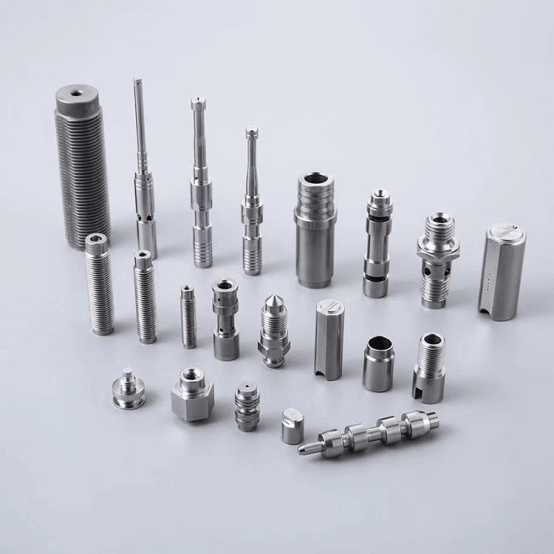
Swiss lathe machining represents a revolutionary approach to precision manufacturing that has transformed how industries produce small, complex components. This specialized machining technique utilizes Swiss-type automatic lathes, also known as sliding headstock lathes, which feature a unique design where the workpiece moves through a guide bushing while the cutting tools remain stationary. The swiss lathe machining process excels in creating intricate parts with exceptional accuracy and surface finish quality. The main function of swiss lathe machining centers on its ability to machine long, slender parts while maintaining tight tolerances throughout the entire length of the component. This capability stems from the guide bushing system that supports the workpiece near the cutting zone, minimizing deflection and vibration that typically plague conventional lathe operations. The technological features of swiss lathe machining include multiple synchronized spindles, live tooling capabilities, and sub-spindle operations that enable complete part processing in a single setup. Modern swiss lathe machining centers incorporate advanced CNC control systems that coordinate complex multi-axis movements with incredible precision. The sliding headstock design allows for continuous material feeding, while the guide bushing maintains constant support for the workpiece, ensuring dimensional accuracy even on parts with high length-to-diameter ratios. Swiss lathe machining applications span across numerous industries including medical device manufacturing, aerospace components, automotive precision parts, electronics, telecommunications, and watchmaking. The technique proves particularly valuable for producing screws, pins, connectors, shafts, and other cylindrical components that require tight tolerances and superior surface finishes. The versatility of swiss lathe machining enables manufacturers to work with various materials including stainless steel, titanium, aluminum, brass, and exotic alloys, making it an indispensable technology for modern precision manufacturing operations.
New Product Releases

Swiss lathe machining delivers remarkable advantages that directly translate into cost savings and improved product quality for manufacturers across diverse industries. The most significant benefit lies in the exceptional precision capabilities, where swiss lathe machining consistently achieves tolerances within 0.0002 inches while maintaining repeatability that ensures every part meets exact specifications. This precision eliminates the need for secondary operations, reducing overall production time and manufacturing costs substantially. The efficiency of swiss lathe machining operations surpasses traditional turning methods through its ability to complete complex parts in single setups, dramatically reducing handling time and potential errors associated with multiple machine transfers. Manufacturers experience increased productivity as swiss lathe machining centers operate continuously with minimal operator intervention, allowing for lights-out production runs that maximize equipment utilization. The superior surface finish quality achieved through swiss lathe machining eliminates expensive finishing operations that would otherwise be required, saving both time and money while improving final product appearance. Material waste reduction represents another crucial advantage, as swiss lathe machining processes optimize material usage through precise cutting strategies and minimal stock removal requirements. The technology accommodates various material types with equal effectiveness, providing manufacturers with flexibility to work with standard metals or exotic materials without compromising quality or efficiency. Setup time reduction becomes evident when producing families of similar parts, as swiss lathe machining centers can quickly transition between different components using standardized tooling configurations and proven programming techniques. The reliability of swiss lathe machining operations ensures consistent production output with minimal downtime, contributing to predictable delivery schedules and enhanced customer satisfaction. Quality control becomes simplified through the inherent accuracy of swiss lathe machining processes, reducing inspection time and costs while maintaining confidence in final product specifications. The compact footprint of swiss lathe machining equipment maximizes shop floor utilization, allowing manufacturers to increase capacity without expanding facility space. Energy efficiency characterizes modern swiss lathe machining systems, resulting in lower operational costs and reduced environmental impact compared to conventional manufacturing approaches.

Practical Tips

The cleaning of precision components is crucial to ensuring their smoothness and functionality.

29

Nov

The cleaning of precision components is crucial to ensuring their smoothness and functionality.

View More
Methods to Improve the Efficiency of Precision Component Processing

29

Nov

Methods to Improve the Efficiency of Precision Component Processing

View More
Kindness Warms the Heart, Responsibility in Action

29

Nov

Kindness Warms the Heart, Responsibility in Action

View More
Design Knowledge for Shaft Pin Components

29

Nov

Design Knowledge for Shaft Pin Components

View More

Get a Free Quote

Our representative will contact you soon.
Email
Name
Company Name
WhatsApp
Message
0/1000

swiss lathe machining

Unmatched Precision and Tolerance Control

Unmatched Precision and Tolerance Control

Swiss lathe machining sets the industry standard for precision manufacturing through its revolutionary guide bushing system that maintains unprecedented accuracy throughout the entire machining process. This critical feature positions the guide bushing extremely close to the cutting zone, typically within 1-3mm of the tool tip, providing rigid support for the workpiece while eliminating the deflection issues that plague conventional lathe operations. The proximity of support ensures that even the most slender components maintain dimensional stability during cutting operations, allowing swiss lathe machining to achieve tolerances as tight as ±0.0001 inches consistently. The precision capabilities extend beyond simple dimensional accuracy to include superior concentricity, straightness, and surface finish quality that meets the most demanding application requirements. Manufacturing engineers appreciate how swiss lathe machining maintains these tight tolerances across the entire length of components, regardless of the length-to-diameter ratio, which often presents significant challenges for traditional machining methods. This precision control translates directly into reduced scrap rates, elimination of secondary operations, and improved product reliability for end-users. The technological advancement in swiss lathe machining includes sophisticated thermal compensation systems that account for temperature variations during extended production runs, ensuring consistent dimensional accuracy even as machine components heat up during operation. Modern swiss lathe machining centers incorporate real-time measurement systems that provide continuous feedback on part dimensions, allowing for automatic adjustments that maintain precision throughout long production runs. The combination of rigid workpiece support, advanced control systems, and precise tool positioning makes swiss lathe machining the preferred choice for industries where precision cannot be compromised, such as medical device manufacturing, aerospace applications, and high-end electronics production.
Complete Part Processing in Single Setup

Complete Part Processing in Single Setup

Swiss lathe machining revolutionizes manufacturing efficiency through its comprehensive ability to complete complex parts from raw material to finished product without requiring multiple machine setups or transfers between different manufacturing stations. This remarkable capability stems from the integrated design of swiss lathe machining centers that combine primary spindle operations, sub-spindle functionality, live tooling capabilities, and synchronized multi-axis movements within a single machine platform. The primary advantage of complete part processing eliminates the time-consuming and error-prone activities associated with part handling, fixture changes, and setup procedures that characterize traditional manufacturing approaches. Swiss lathe machining centers accomplish this through sophisticated programming that coordinates multiple operations including turning, milling, drilling, threading, and cutting-off operations in a seamless sequence that transforms raw bar stock into finished components. The sub-spindle feature of swiss lathe machining enables secondary operations on the back end of parts while the primary spindle continues machining operations, effectively doubling productivity while maintaining the same footprint and operator requirements. Live tooling capabilities integrated into swiss lathe machining systems provide powered cutting tools that can perform milling, drilling, and other operations at any angular position around the workpiece, enabling complex geometries that would otherwise require multiple specialized machines. The elimination of part transfers between machines removes the cumulative tolerance stack-up effects that can compromise final part accuracy, while simultaneously reducing the risk of part damage during handling operations. Production scheduling becomes significantly simplified when using swiss lathe machining for complete part processing, as manufacturers can accurately predict cycle times and delivery schedules without coordinating multiple machine availability or operator scheduling across different manufacturing departments. The economic benefits of complete part processing through swiss lathe machining include reduced work-in-process inventory, lower labor costs per component, and improved cash flow through faster order completion times that enhance overall manufacturing competitiveness.
Superior Material Utilization and Waste Reduction

Superior Material Utilization and Waste Reduction

Swiss lathe machining demonstrates exceptional material efficiency through its innovative bar-feeding system and optimized cutting strategies that minimize waste while maximizing the utilization of expensive raw materials. The continuous bar-feeding mechanism inherent in swiss lathe machining allows for precise material advance measurements that optimize part spacing and reduce end waste to absolute minimum levels, typically achieving material utilization rates exceeding 95 percent for most applications. This efficiency becomes particularly valuable when working with expensive materials such as titanium, inconel, or medical-grade stainless steels where material costs represent a significant portion of total component costs. The swiss lathe machining process enables manufacturers to machine parts directly from bar stock without requiring pre-formed blanks or extensive material preparation, eliminating the waste associated with sawing operations and material handling procedures. Advanced programming techniques specific to swiss lathe machining optimize cutting paths and tool movements to minimize chip formation while reducing cutting forces that could cause material waste through part rejection due to dimensional variations or surface quality issues. The precise control over material feeding in swiss lathe machining systems enables consistent part-to-part spacing that maximizes the number of components produced from each bar length, while the ability to machine to very close proximity of the collet face minimizes the unusable stub length remaining after each bar is completed. Environmental benefits accompany the material efficiency of swiss lathe machining, as reduced waste generation contributes to sustainable manufacturing practices while lowering disposal costs and regulatory compliance requirements. The economic impact of superior material utilization extends beyond immediate cost savings to include improved inventory management, reduced storage requirements for raw materials, and enhanced cash flow through more efficient material purchasing cycles. Quality improvements result from the consistent material properties maintained throughout swiss lathe machining operations, as the continuous feeding system ensures uniform material structure and eliminates variations that might occur with pre-cut blanks or multiple material handling steps that could introduce contamination or damage to the workpiece material.