Swiss Turn Machining: Precision Manufacturing Solutions for Complex Components

All Categories

swiss turn machining

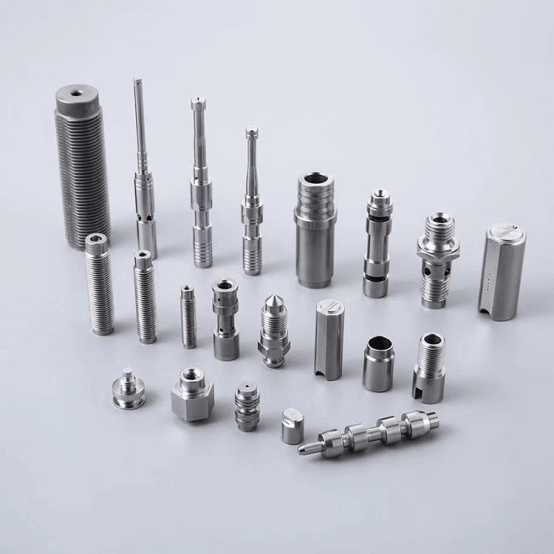
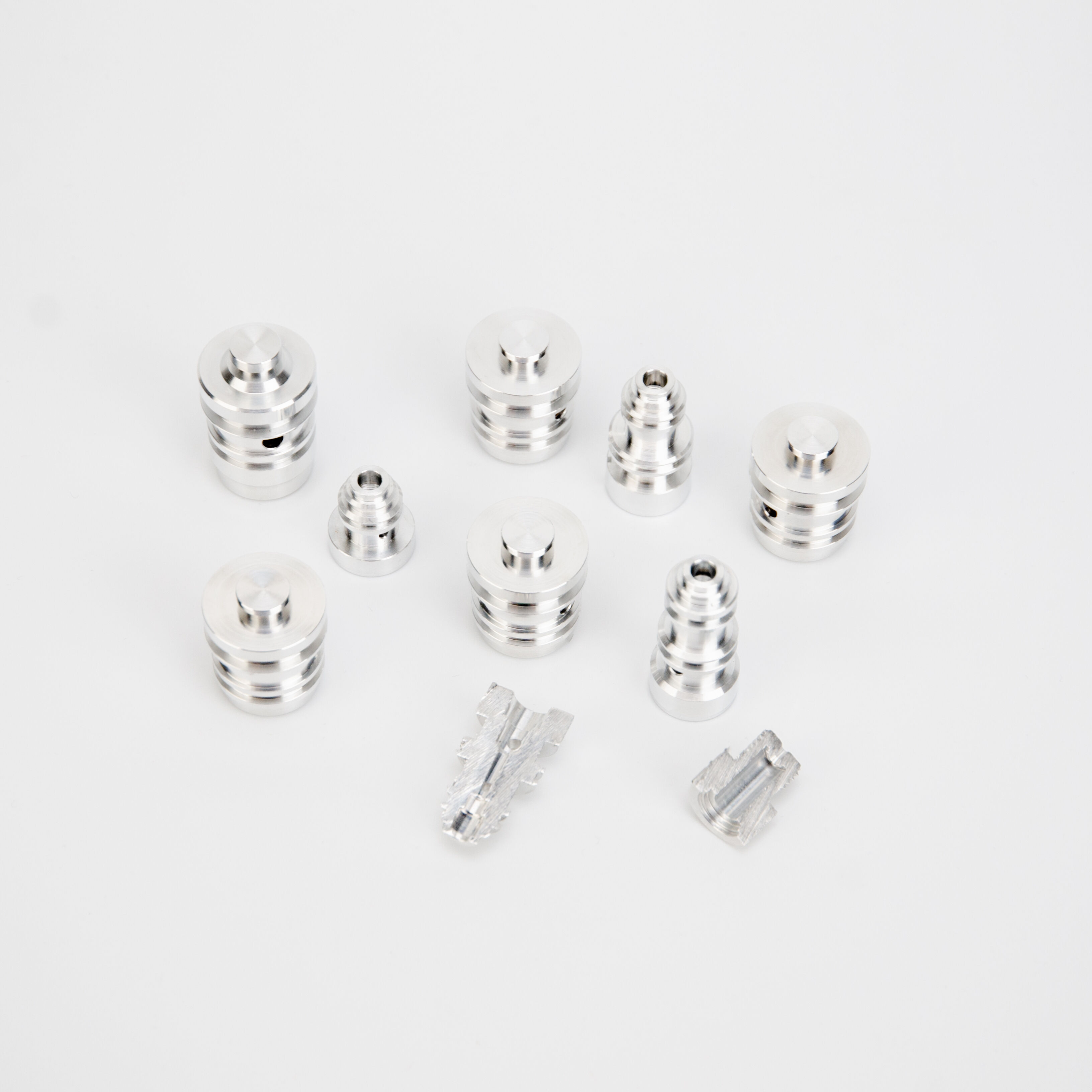
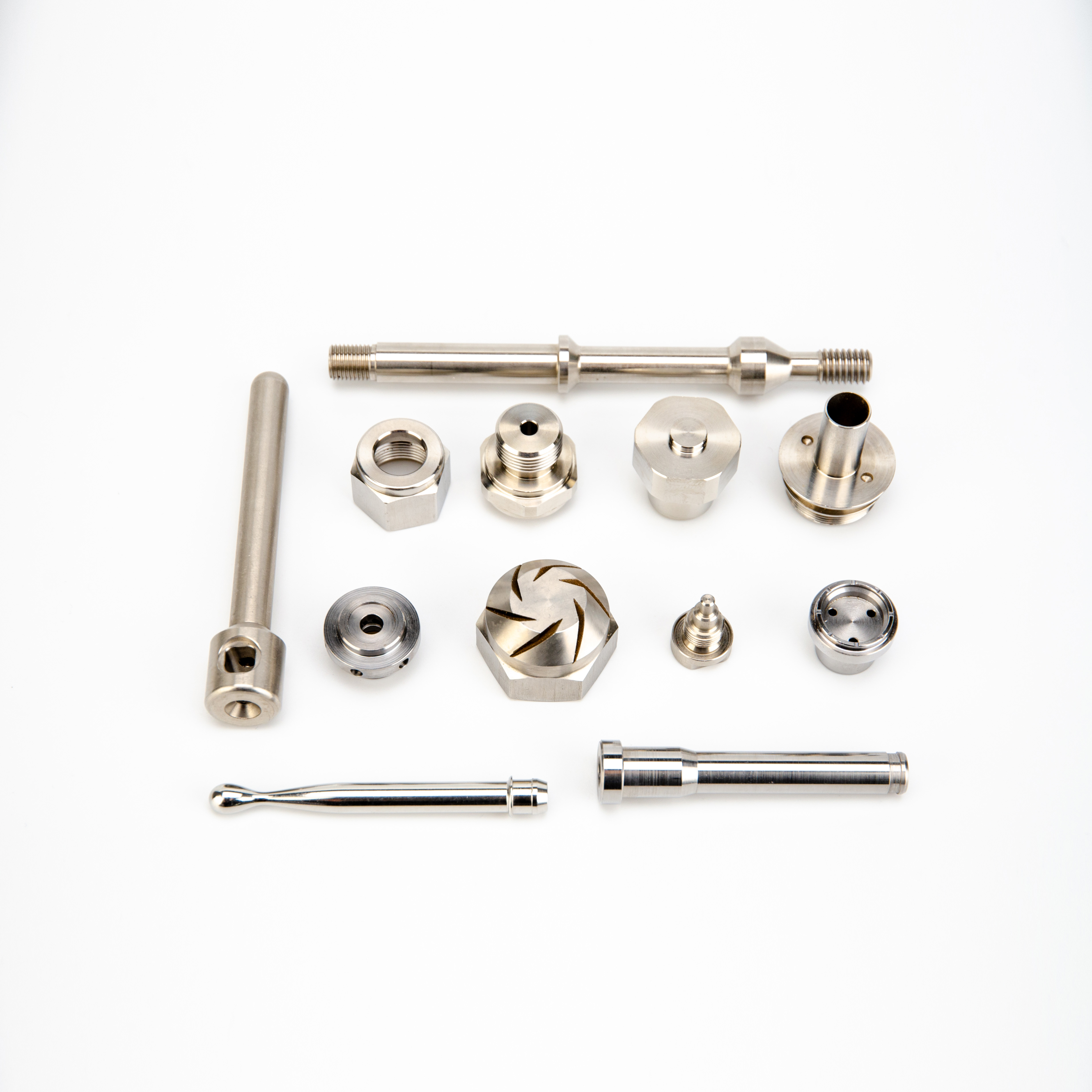
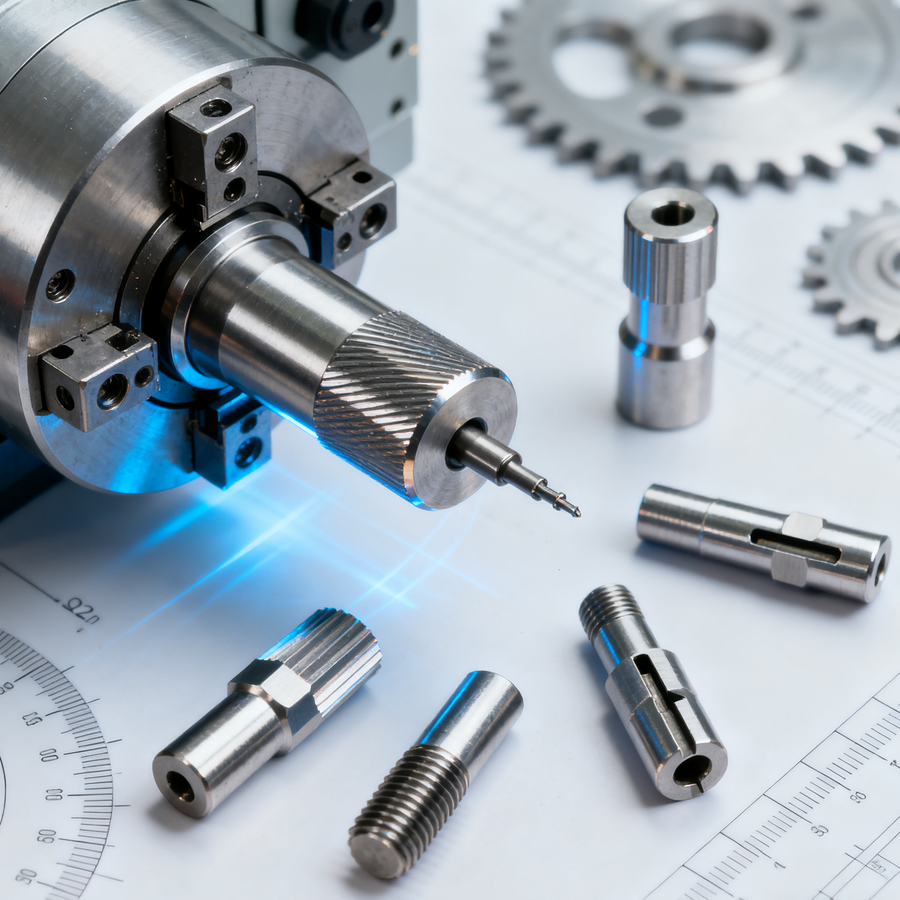
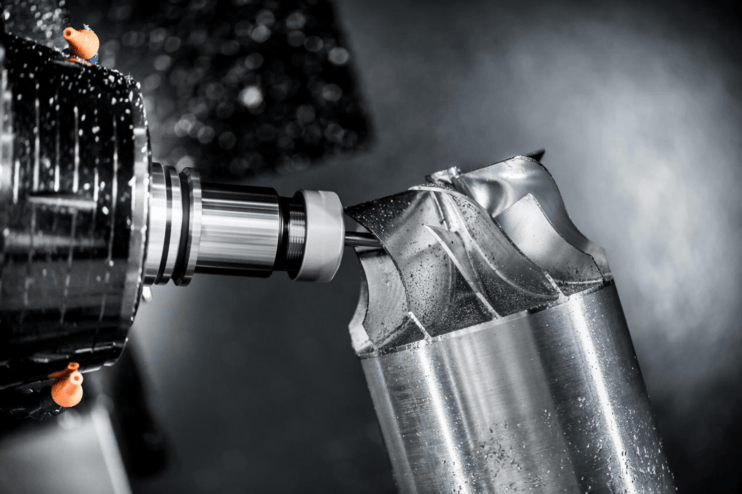
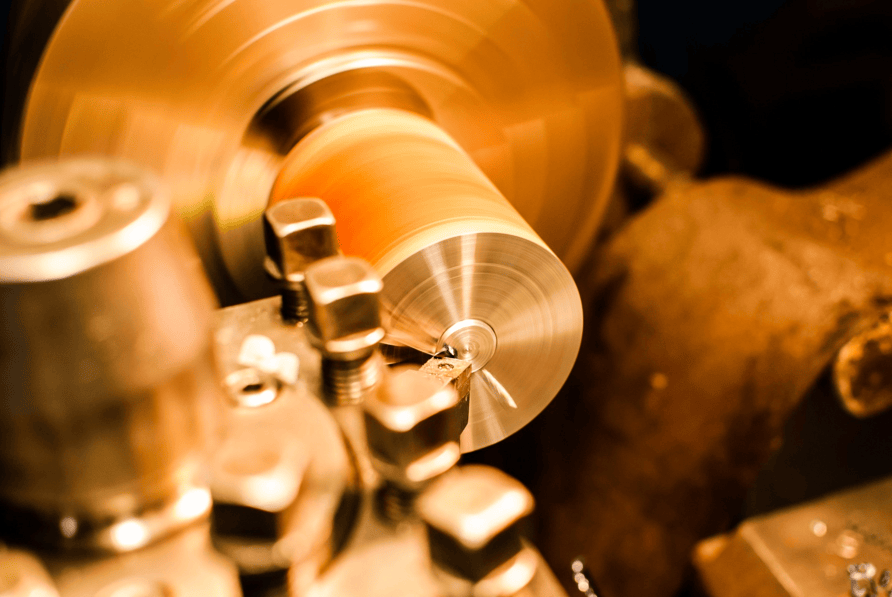
Swiss turn machining represents a revolutionary approach to precision manufacturing that combines the functionality of both turning and milling operations within a single sophisticated machine setup. This advanced machining process, also known as Swiss-type machining or sliding headstock machining, originated from the Swiss watchmaking industry where extreme precision and intricate component production were essential requirements. The technology has evolved significantly beyond its horological roots to become an indispensable manufacturing solution across diverse industries requiring high-precision, complex cylindrical components. The fundamental principle of swiss turn machining involves a unique sliding headstock design where the workpiece moves longitudinally through a guide bushing while multiple cutting tools perform simultaneous operations. This configuration enables manufacturers to achieve exceptional dimensional accuracy and surface finish quality that traditional machining methods struggle to match. The main functions of swiss turn machining encompass simultaneous multi-axis cutting operations, live tooling capabilities for secondary operations, and the ability to complete parts in a single setup without requiring multiple machine transfers. These capabilities make swiss turn machining particularly valuable for producing small, complex parts with tight tolerances ranging from 0.5mm to 38mm in diameter. The technological features include programmable CNC controls, automatic bar feeding systems, chip management solutions, and integrated quality monitoring systems. Applications span across medical device manufacturing, aerospace components, automotive precision parts, electronics hardware, and telecommunications equipment where dimensional precision and production efficiency are paramount considerations for commercial success.

New Products

Swiss turn machining delivers exceptional manufacturing advantages that directly impact production efficiency and cost-effectiveness for businesses requiring precision components. The primary benefit lies in its ability to complete complex parts in a single setup, eliminating the need for multiple machine operations and reducing handling time significantly. This single-setup capability reduces labor costs while minimizing the risk of dimensional errors that commonly occur during part transfers between different machines. The simultaneous machining approach allows multiple cutting operations to occur concurrently, dramatically reducing cycle times compared to conventional machining methods. This efficiency translates to higher throughput rates and improved production scheduling flexibility for manufacturers. The guide bushing support system provides superior workpiece stability during cutting operations, enabling the production of parts with exceptional dimensional accuracy and surface finish quality. This stability becomes particularly valuable when machining long, slender components that would typically experience deflection issues on conventional lathes. Swiss turn machining excels in material utilization efficiency through its bar-feeding capability, which minimizes material waste and reduces raw material costs per component. The automated bar feeding system also enables lights-out manufacturing operations, allowing continuous production runs without constant operator supervision. Quality consistency represents another significant advantage, as the controlled machining environment and reduced setup variables result in highly repeatable part dimensions across large production volumes. The technology supports a wide range of materials including stainless steel, aluminum, brass, titanium, and various engineering plastics, providing manufacturing flexibility for diverse applications. Cost per part typically decreases as production volumes increase, making swiss turn machining economically attractive for both medium and high-volume production requirements. The reduced secondary operations and finishing requirements further contribute to overall cost savings while maintaining superior part quality standards.

Latest News

The cleaning of precision components is crucial to ensuring their smoothness and functionality.

29

Nov

The cleaning of precision components is crucial to ensuring their smoothness and functionality.

View More
Methods to Improve the Efficiency of Precision Component Processing

29

Nov

Methods to Improve the Efficiency of Precision Component Processing

View More
Kindness Warms the Heart, Responsibility in Action

29

Nov

Kindness Warms the Heart, Responsibility in Action

View More
Design Knowledge for Shaft Pin Components

29

Nov

Design Knowledge for Shaft Pin Components

View More

Get a Free Quote

Our representative will contact you soon.
Email
Name
Company Name
WhatsApp
Message
0/1000

swiss turn machining

Unparalleled Precision and Dimensional Accuracy

Unparalleled Precision and Dimensional Accuracy

Swiss turn machining achieves unprecedented levels of precision that set it apart from conventional manufacturing methods, making it the preferred choice for industries where dimensional accuracy is non-negotiable. The unique guide bushing system provides continuous support to the workpiece throughout the entire machining process, eliminating deflection issues that commonly plague traditional turning operations. This support mechanism enables the production of components with tolerances as tight as ±0.0002 inches, a level of precision that medical device manufacturers, aerospace contractors, and electronics producers absolutely require for their critical applications. The sliding headstock design ensures that cutting forces are absorbed close to the point of material removal, preventing workpiece distortion and maintaining geometric accuracy even when machining challenging materials like titanium or hardened steels. This precision capability extends beyond simple dimensional accuracy to include superior surface finish quality, with Ra values consistently achieving 32 microinches or better without requiring secondary finishing operations. The controlled cutting environment created by the guide bushing also enables consistent chip formation and evacuation, preventing surface contamination that could compromise part quality. Swiss turn machining maintains this exceptional precision across the entire length of components, regardless of their length-to-diameter ratio, which makes it invaluable for producing long, slender parts like surgical instruments, precision pins, and electronic connectors. The technology's ability to hold tight tolerances throughout extended production runs eliminates the need for frequent adjustments and reduces scrap rates significantly. Quality control becomes more predictable and manageable, as the inherent stability of swiss turn machining reduces the variables that typically influence dimensional accuracy in conventional machining operations.
Superior Production Efficiency and Cost-Effectiveness

Superior Production Efficiency and Cost-Effectiveness

The production efficiency advantages of swiss turn machining create substantial cost savings and competitive benefits for manufacturers across multiple industries. The simultaneous multi-axis machining capability allows operators to perform turning, milling, drilling, and threading operations concurrently, reducing cycle times by up to 70 percent compared to traditional sequential machining approaches. This efficiency gain translates directly to increased throughput without requiring additional equipment investment or floor space expansion. The automated bar feeding system enables continuous operation for extended periods, supporting lights-out manufacturing strategies that maximize machine utilization rates while reducing labor costs per component. Swiss turn machining eliminates the need for multiple setups and part transfers between different machines, reducing handling time and associated labor expenses while minimizing the risk of dimensional errors that occur during workpiece repositioning. The single-setup completion capability means that complex parts requiring multiple machining operations can be finished entirely within one machine cycle, dramatically reducing work-in-process inventory and simplifying production scheduling. Material utilization efficiency represents another significant cost advantage, as the bar-feeding mechanism minimizes waste material and optimizes raw material consumption per finished component. The consistent part quality achieved through swiss turn machining reduces inspection time and eliminates costly rework operations that commonly occur with less precise machining methods. Setup time reduction becomes particularly valuable for medium to high-volume production runs, as the standardized fixturing and programming approaches enable quick changeovers between different part numbers. The reduced secondary operations requirement, such as deburring or additional surface finishing, further contributes to overall cost savings while maintaining superior part quality. These efficiency advantages compound over time, making swiss turn machining increasingly cost-effective as production volumes grow and operational experience accumulates.
Exceptional Versatility and Complex Part Capabilities

Exceptional Versatility and Complex Part Capabilities

Swiss turn machining demonstrates remarkable versatility in handling complex geometries and challenging manufacturing requirements that would be difficult or impossible to achieve using conventional machining methods. The live tooling capabilities enable milling, drilling, and cross-hole operations to be performed while the main spindle continues turning operations, creating intricate features like keyways, flats, cross holes, and complex profiles within a single machine setup. This versatility extends to the variety of materials that can be successfully processed, ranging from soft aluminum and brass to challenging materials like Inconel, titanium, and hardened tool steels. The ability to machine these diverse materials with consistent quality makes swiss turn machining valuable across industries from medical device manufacturing to aerospace component production. The technology excels at producing components with complex internal and external features, such as medical implants with precise surface textures, electronic connectors with multiple contact points, and automotive fuel injection components with intricate internal passages. Part complexity that would typically require multiple specialized machines and extensive setup procedures can be completed efficiently within the swiss turn machining environment. The programmable nature of modern swiss turn machines allows for rapid adaptation to new part designs and customer specifications without requiring significant tooling investments or lengthy setup procedures. This adaptability becomes particularly valuable for prototype development and low-volume specialty production where flexibility is more important than absolute production speed. The capability to produce families of similar parts with minor variations using the same basic setup reduces inventory requirements and improves customer response times. Swiss turn machining also supports the integration of secondary operations like part marking, laser engraving, and quality inspection within the same machine cycle, further expanding its versatility and reducing overall production complexity. This comprehensive capability makes swiss turn machining an ideal solution for manufacturers seeking to consolidate operations and reduce the complexity of their production processes while maintaining superior part quality and dimensional accuracy.