Swiss Style CNC Machining: Precision Manufacturing Solutions for Complex Components

All Categories

swiss style cnc machining

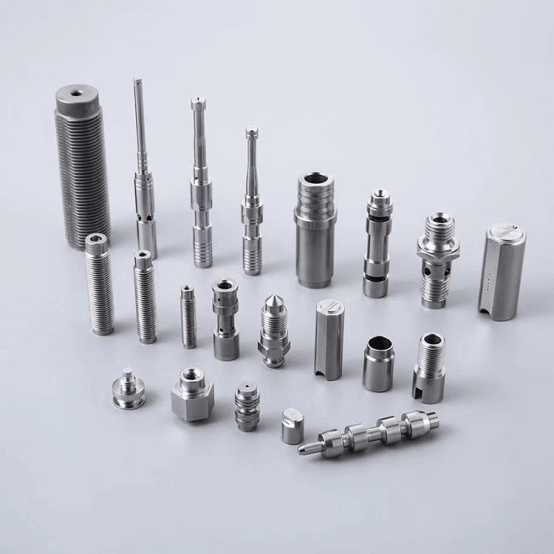
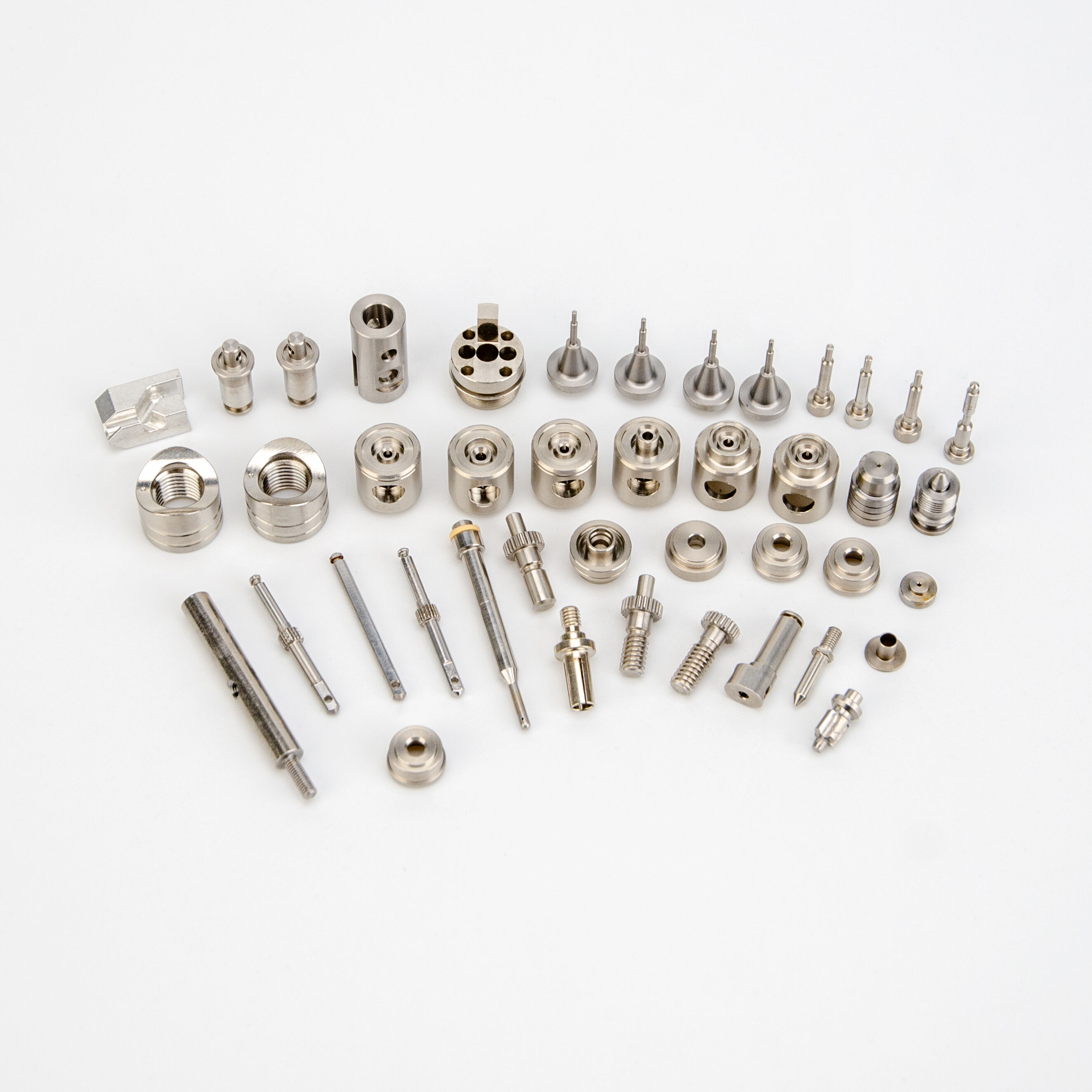
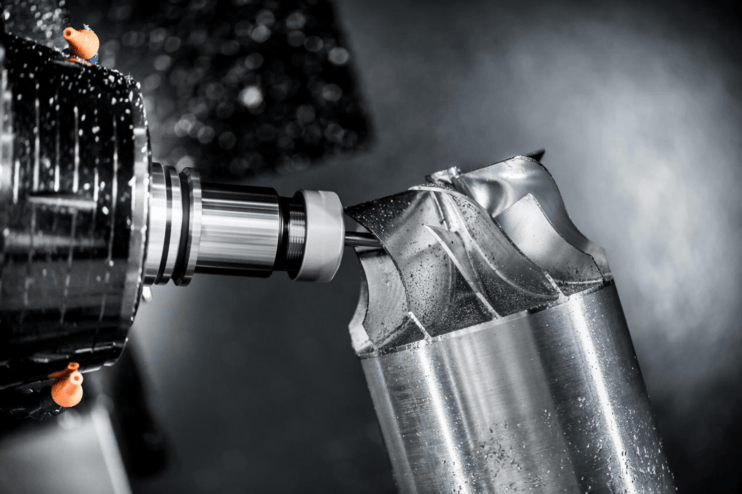
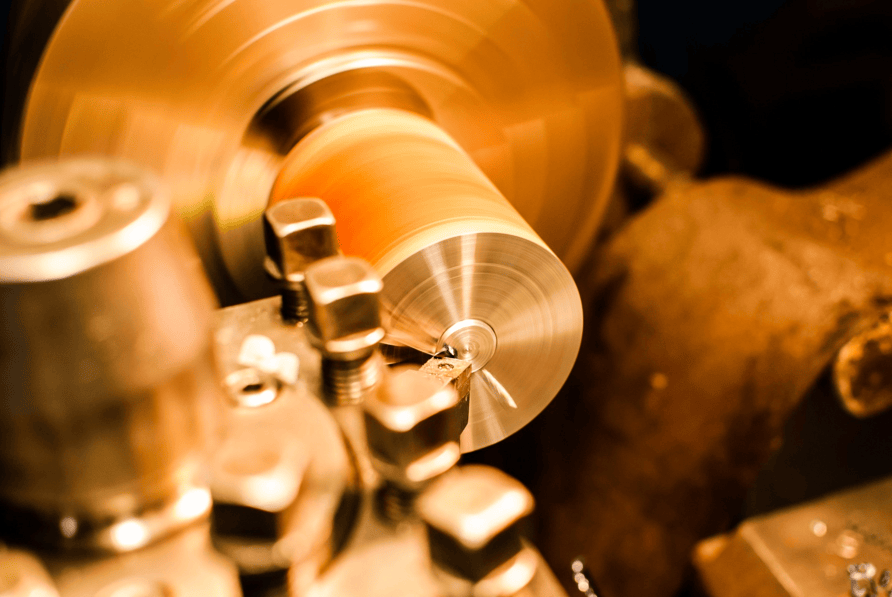
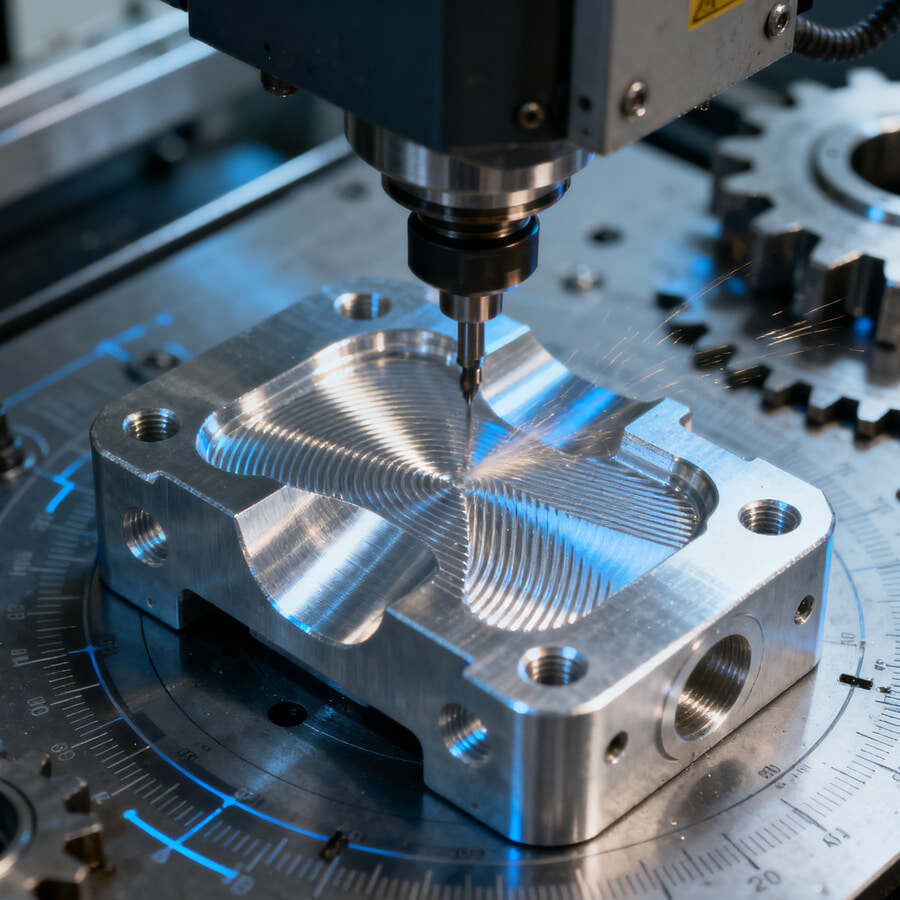
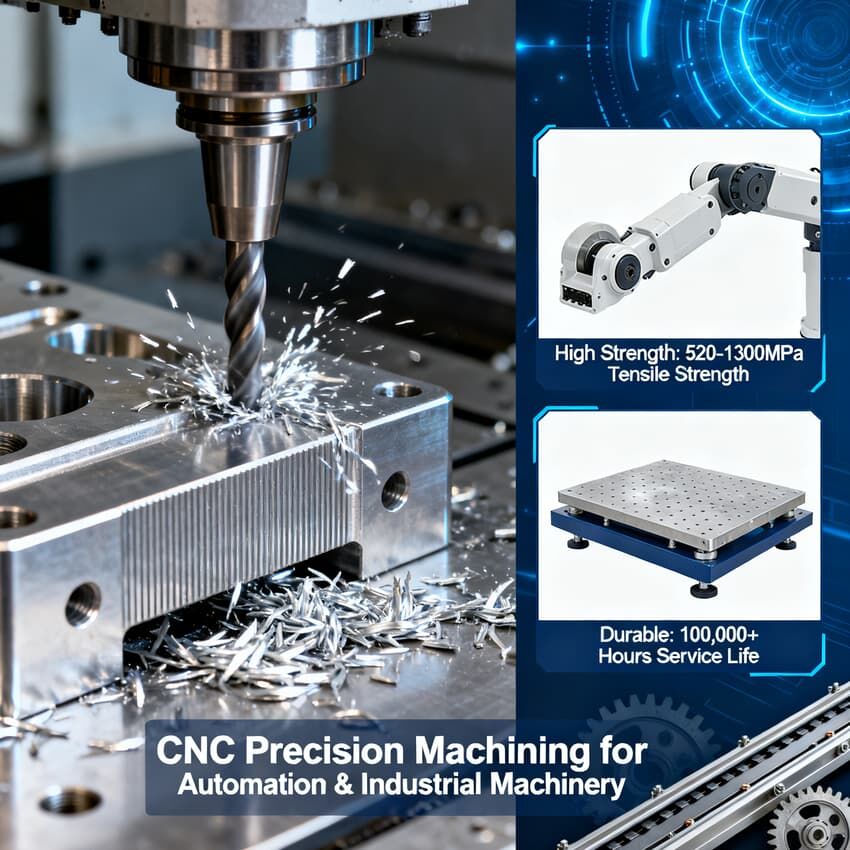
Swiss style CNC machining represents a revolutionary approach to precision manufacturing that has transformed how complex, small-diameter parts are produced across various industries. This advanced machining technique, also known as Swiss turning or sliding headstock machining, originated from the Swiss watchmaking industry's demanding requirements for ultra-precise miniature components. The fundamental principle behind swiss style cnc machining involves supporting the workpiece very close to the cutting tool, typically within 3mm of the cutting edge, which dramatically reduces deflection and vibration during the machining process. The main functions of swiss style cnc machining include creating intricate geometries on small-diameter parts, achieving exceptional surface finishes, and maintaining tight tolerances that traditional machining methods cannot accomplish. The technological features that set this machining method apart include a sliding headstock that moves the workpiece through a guide bushing, multiple tool stations that can operate simultaneously, and the ability to perform turning, milling, drilling, and threading operations in a single setup. The guide bushing serves as a critical component, providing rigid support for the workpiece material as it emerges from the chuck, ensuring minimal deflection even when working with long, slender parts. Swiss style cnc machining excels in producing components with length-to-diameter ratios exceeding 10:1, something that would be nearly impossible with conventional turning methods. The applications for this technology span numerous industries including medical device manufacturing, aerospace components, automotive precision parts, electronics, telecommunications, and defense systems. Medical applications particularly benefit from swiss style cnc machining capabilities, as it can produce surgical instruments, implant components, and catheter parts with the biocompatible surface finishes and dimensional accuracy required for life-critical applications. The technology's versatility extends to processing various materials including stainless steel, titanium, aluminum, brass, plastics, and exotic alloys, making it indispensable for modern precision manufacturing operations.

New Product Recommendations

The advantages of swiss style cnc machining deliver tangible benefits that directly impact manufacturing efficiency and product quality for businesses across industries. Superior precision stands as the most significant advantage, with this technology routinely achieving tolerances of ±0.0002 inches or better, far exceeding what conventional machining can accomplish. This exceptional accuracy translates into reduced scrap rates and eliminates the need for secondary operations, saving both time and money. The unique workpiece support system eliminates chatter and vibration, resulting in superior surface finishes that often meet final specifications without additional polishing or finishing steps. Swiss style cnc machining excels at handling complex geometries in a single setup, reducing handling time and eliminating potential errors that occur when transferring parts between different machines. This single-setup capability means manufacturers can complete intricate parts faster while maintaining consistent quality throughout production runs. The technology demonstrates remarkable efficiency when producing high volumes of small, complex parts, as the simultaneous multi-axis machining capabilities significantly reduce cycle times compared to traditional methods. Material waste reduction represents another crucial advantage, as the process optimizes material usage through precise cutting and minimal stock removal requirements. The ability to machine long, thin parts without deflection opens up design possibilities that were previously impractical or impossible, giving engineers greater freedom in component design. Swiss style cnc machining also provides excellent repeatability, ensuring that every part matches specifications exactly, which is critical for industries like aerospace and medical devices where consistency is paramount. The technology handles difficult-to-machine materials with ease, including hardened steels and exotic alloys that challenge conventional machining methods. Setup times are typically shorter than traditional multi-operation processes because all machining occurs in one fixture, reducing labor costs and improving throughput. Quality control benefits significantly from the reduced handling and single-setup approach, as there are fewer opportunities for dimensional variations to occur. The versatility of swiss style cnc machining allows manufacturers to adapt quickly to design changes and new product requirements without major retooling investments, providing strategic flexibility in competitive markets.

Latest News

The cleaning of precision components is crucial to ensuring their smoothness and functionality.

29

Nov

The cleaning of precision components is crucial to ensuring their smoothness and functionality.

View More
Methods to Improve the Efficiency of Precision Component Processing

29

Nov

Methods to Improve the Efficiency of Precision Component Processing

View More
Kindness Warms the Heart, Responsibility in Action

29

Nov

Kindness Warms the Heart, Responsibility in Action

View More
Design Knowledge for Shaft Pin Components

29

Nov

Design Knowledge for Shaft Pin Components

View More

Get a Free Quote

Our representative will contact you soon.
Email
Name
Company Name
WhatsApp
Message
0/1000

swiss style cnc machining

Unmatched Precision and Tight Tolerance Capabilities

Unmatched Precision and Tight Tolerance Capabilities

Swiss style cnc machining delivers precision levels that set new standards in manufacturing, consistently achieving tolerances that exceed industry expectations and meet the most demanding application requirements. The fundamental design principle of supporting the workpiece extremely close to the cutting point eliminates the primary source of inaccuracy in traditional machining: workpiece deflection. This proximity support system, combined with the guide bushing technology, creates a rigid cutting environment that maintains dimensional stability throughout the entire machining process. The result is consistent part-to-part accuracy that routinely achieves tolerances of ±0.0002 inches, with some specialized applications reaching even tighter specifications. This precision capability proves invaluable for industries where dimensional accuracy directly impacts product performance and safety. Medical device manufacturers rely on swiss style cnc machining to produce surgical instruments and implantable components where micron-level accuracy can mean the difference between successful treatment and potential complications. Aerospace applications benefit from this precision when creating critical flight components where dimensional variations could compromise safety and performance. The automotive industry leverages this accuracy for fuel injection components and transmission parts where precise tolerances ensure optimal engine performance and efficiency. The economic impact of this precision extends beyond just meeting specifications; it eliminates costly secondary operations, reduces scrap rates, and minimizes quality control issues. Manufacturers experience significant cost savings because parts come off the machine ready for final assembly or requiring minimal finishing work. The consistency of swiss style cnc machining means that statistical process control becomes more predictable, allowing for better production planning and inventory management. Quality assurance departments appreciate the reduced variation in part dimensions, which simplifies inspection procedures and reduces the likelihood of field failures. This precision advantage also enables manufacturers to bid on contracts that require extremely tight tolerances, opening new market opportunities that would be impossible with conventional machining methods.
Enhanced Material Versatility and Surface Finish Quality

Enhanced Material Versatility and Surface Finish Quality

Swiss style cnc machining demonstrates exceptional versatility in processing diverse materials while consistently delivering superior surface finish quality that often eliminates the need for secondary finishing operations. The technology excels at machining challenging materials that pose difficulties for conventional turning methods, including hardened stainless steels, titanium alloys, exotic superalloys, and advanced engineering plastics. This material flexibility stems from the stable cutting environment created by the guide bushing support system, which maintains consistent cutting forces and prevents material deflection regardless of material hardness or tendency to work-harden. The superior surface finish quality achieved through swiss style cnc machining results from multiple factors working in harmony: the rigid workpiece support eliminates chatter marks, the precise tool positioning ensures consistent cutting depths, and the ability to maintain optimal cutting parameters throughout the operation prevents surface irregularities. Surface finishes routinely achieve Ra values of 32 microinches or better, with specialized applications reaching mirror-like finishes of 8 microinches. This surface quality proves particularly valuable in medical applications where smooth surfaces reduce the risk of bacterial adhesion and improve biocompatibility. Aerospace components benefit from these excellent surface finishes as they reduce stress concentrations and improve fatigue resistance. The material versatility extends to processing parts with varying hardness zones, such as case-hardened components or materials with heat-affected zones from previous operations. Swiss style cnc machining handles these challenging materials without compromising dimensional accuracy or surface quality. The technology also excels at machining brittle materials that would crack or chip under conventional machining stresses. Advanced plastics and composites, which are increasingly used in medical and aerospace applications, machine cleanly without delamination or fiber pullout issues. This material versatility reduces inventory requirements for manufacturers, as they can use a single machine type for multiple material types rather than investing in specialized equipment for each material family. The economic benefits include reduced tooling costs, simplified operator training, and improved production scheduling flexibility.
Simultaneous Multi-Axis Operations and Cycle Time Reduction

Simultaneous Multi-Axis Operations and Cycle Time Reduction

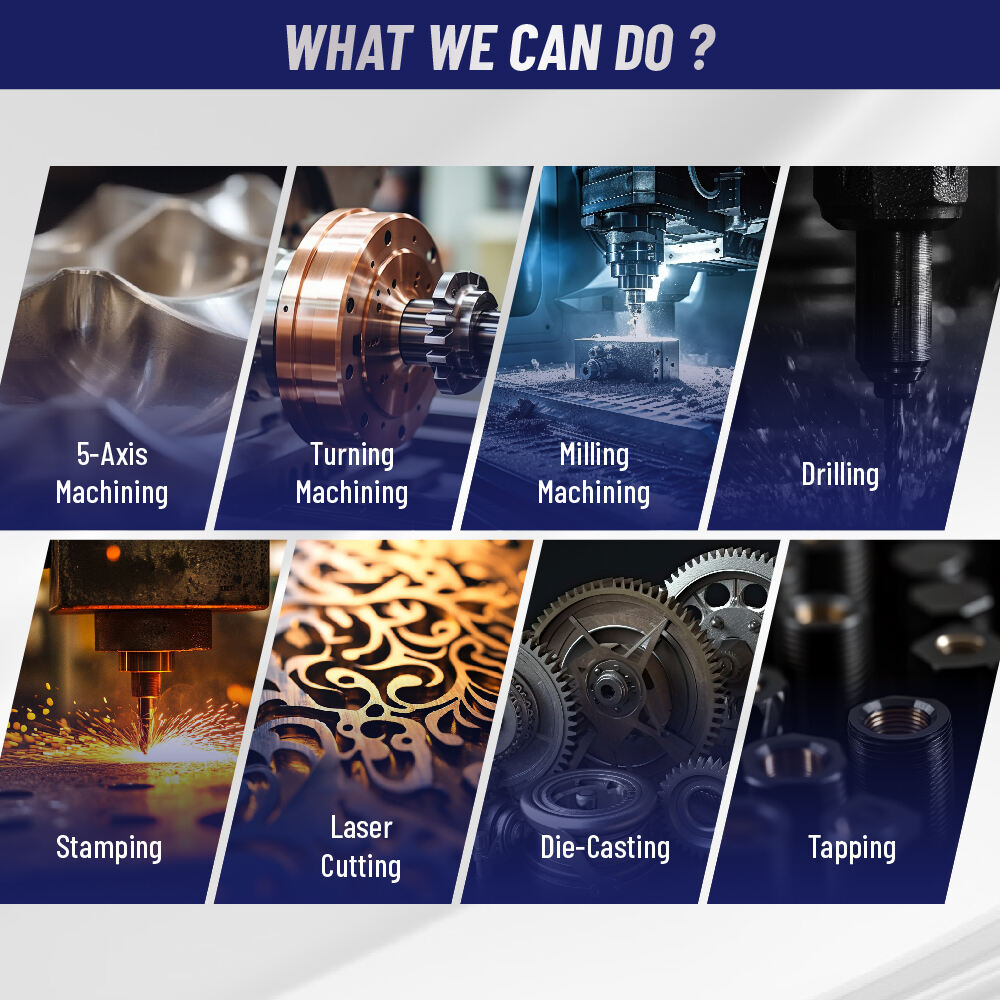
Swiss style cnc machining revolutionizes production efficiency through its ability to perform simultaneous multi-axis operations, dramatically reducing cycle times while maintaining exceptional quality standards throughout high-volume manufacturing runs. The unique architecture of swiss style cnc machining centers allows multiple cutting operations to occur simultaneously on different sections of the same workpiece, a capability that fundamentally changes how complex parts are manufactured. While the main spindle performs turning operations on one end of the part, secondary spindles can execute drilling, milling, or threading operations on other areas, creating a parallel processing environment that maximizes machine utilization. This simultaneous operation capability reduces cycle times by 40-70% compared to conventional sequential machining methods, providing immediate return on investment through increased throughput. The economic impact extends beyond faster production rates; reduced cycle times mean lower per-part costs, improved delivery schedules, and enhanced competitiveness in price-sensitive markets. Swiss style cnc machining centers typically feature multiple tool stations that can be engaged simultaneously, allowing for complex geometries to be created in a single setup without part repositioning. This eliminates the time-consuming transfer operations required in traditional multi-setup manufacturing processes and reduces the potential for handling-induced errors or damage. The technology particularly excels in high-volume production scenarios where the time savings from simultaneous operations compound exponentially across thousands of parts. Manufacturers report significant improvements in on-time delivery performance and the ability to accept rush orders that would be impossible with conventional machining methods. The multi-axis capability also enables the creation of complex features that would require multiple specialized machines and setups using traditional approaches. Cross-hole drilling, eccentric turning, polygon machining, and complex thread forms can all be completed in the same setup, reducing work-in-process inventory and simplifying production flow. Quality benefits from this approach include reduced handling-induced variations, consistent part orientation throughout all operations, and eliminated setup-related dimensional shifts. The simultaneous operation capability also provides strategic manufacturing advantages, allowing companies to respond quickly to design changes and new product introductions without major production disruptions or extensive retooling requirements.