Professional Rapid Prototyping Online Services - Fast, Affordable, High-Quality Manufacturing Solutions

All Categories

rapid prototyping online

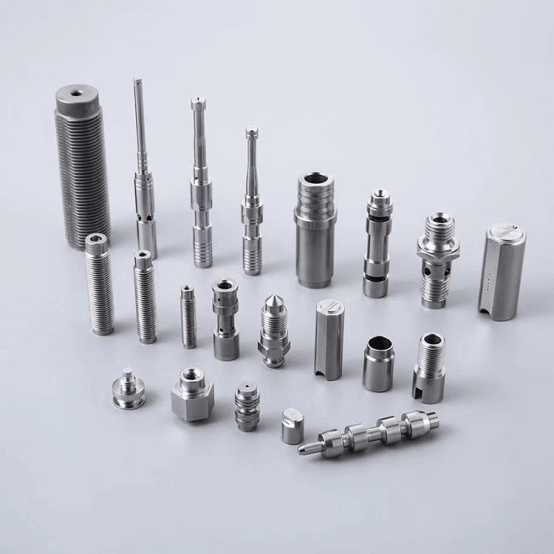
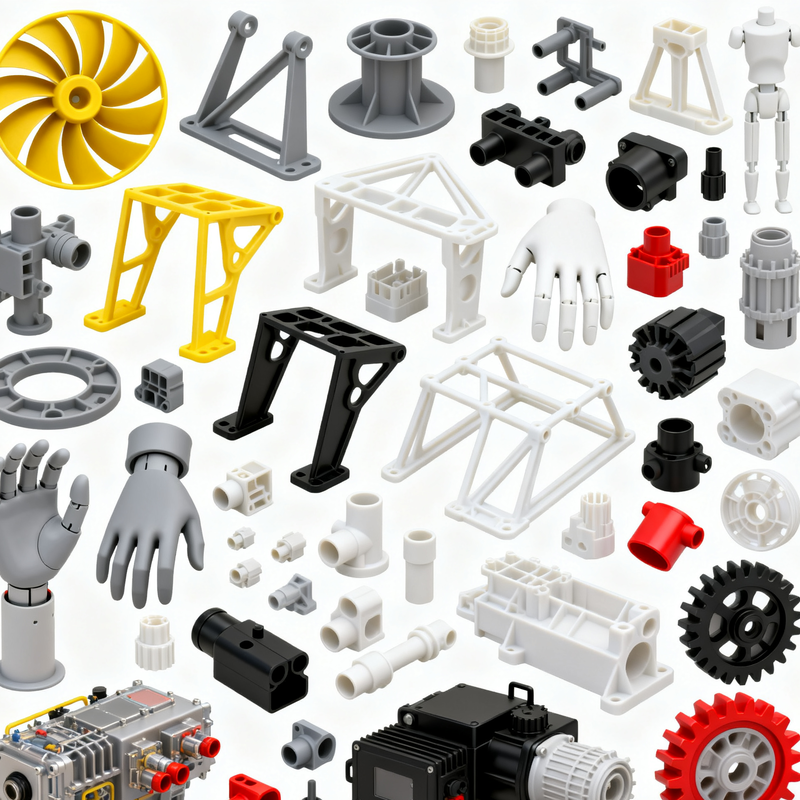
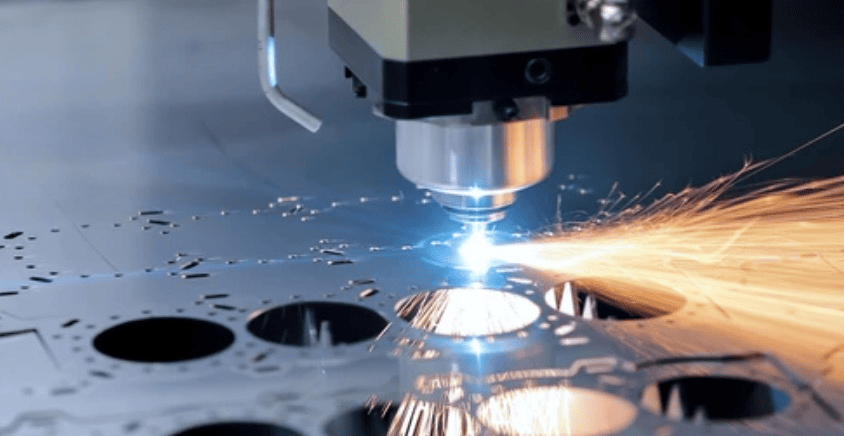
Rapid prototyping online represents a revolutionary approach to product development that transforms digital concepts into physical prototypes through web-based platforms and services. This innovative methodology combines advanced manufacturing technologies with cloud-based accessibility, enabling designers, engineers, and entrepreneurs to create tangible models of their ideas without requiring extensive in-house equipment or specialized facilities. The rapid prototyping online ecosystem encompasses various manufacturing processes including 3D printing, CNC machining, injection molding, and laser cutting, all accessible through intuitive web interfaces that streamline the entire production workflow. Users can upload their CAD files, select materials, specify finishing options, and receive professional-grade prototypes delivered directly to their doorstep. The technological foundation of rapid prototyping online services relies on sophisticated algorithms that automatically analyze uploaded designs for manufacturability, suggest optimizations, and provide real-time pricing estimates. These platforms integrate cutting-edge manufacturing equipment with automated quality control systems, ensuring consistent output quality while maintaining rapid turnaround times. Cloud-based project management tools allow collaborative design reviews, version control, and seamless communication between design teams and manufacturing specialists. The applications of rapid prototyping online span numerous industries including automotive, aerospace, medical devices, consumer electronics, fashion, and industrial equipment. Product designers utilize these services to validate form factors, test ergonomics, and evaluate aesthetic appeal before committing to mass production tooling. Engineers leverage rapid prototyping online for functional testing, mechanical validation, and iterative design improvements. Startups and established companies alike benefit from the ability to quickly iterate designs, conduct market research with physical samples, and accelerate time-to-market for new products. Educational institutions incorporate rapid prototyping online into curriculum development, enabling students to experience hands-on learning with professional manufacturing processes without significant capital investment in equipment and facilities.
New Product Releases

The advantages of rapid prototyping online extend far beyond traditional manufacturing limitations, offering unprecedented accessibility and convenience for creators worldwide. Unlike conventional prototyping methods that require substantial upfront investments in equipment, software licenses, and facility space, rapid prototyping online eliminates these barriers by providing instant access to professional-grade manufacturing capabilities through any internet connection. This democratization of manufacturing technology allows small businesses, independent inventors, and design students to compete on equal footing with large corporations, fostering innovation across all market segments. Cost efficiency represents another significant advantage, as users pay only for actual production without maintaining expensive machinery, purchasing specialized materials in bulk quantities, or employing skilled technicians. The pay-per-use model enables precise budget control and eliminates waste associated with failed experiments or design iterations. Speed advantages are equally compelling, with many rapid prototyping online services delivering finished parts within 24 to 72 hours compared to weeks or months required by traditional manufacturing approaches. This acceleration enables rapid iteration cycles where designers can test multiple concepts, gather feedback, incorporate improvements, and retest within compressed timeframes that align with modern product development schedules. Quality consistency emerges as a critical advantage through automated manufacturing processes that eliminate human error and maintain precise tolerances across multiple production runs. Professional rapid prototyping online platforms employ industrial-grade equipment operated under controlled conditions, ensuring superior finish quality and dimensional accuracy compared to desktop alternatives. Material variety represents another substantial benefit, with access to engineering-grade plastics, metals, ceramics, and specialized composites that would be prohibitively expensive for individual purchase. Users can experiment with different material properties, colors, and finishes without committing to large minimum quantities. Global accessibility means that geographic location no longer limits access to advanced manufacturing capabilities, enabling international collaboration and reducing regional disparities in innovation potential. Environmental sustainability improves through optimized material usage, reduced transportation requirements for equipment, and shared manufacturing resources that maximize utilization efficiency while minimizing waste generation.

Tips And Tricks

The cleaning of precision components is crucial to ensuring their smoothness and functionality.

29

Nov

The cleaning of precision components is crucial to ensuring their smoothness and functionality.

View More
Methods to Improve the Efficiency of Precision Component Processing

29

Nov

Methods to Improve the Efficiency of Precision Component Processing

View More
Kindness Warms the Heart, Responsibility in Action

29

Nov

Kindness Warms the Heart, Responsibility in Action

View More
Design Knowledge for Shaft Pin Components

29

Nov

Design Knowledge for Shaft Pin Components

View More

Get a Free Quote

Our representative will contact you soon.
Email
Name
Company Name
WhatsApp
Message
0/1000

rapid prototyping online

Instant Global Manufacturing Access Without Capital Investment

Instant Global Manufacturing Access Without Capital Investment

The most transformative aspect of rapid prototyping online lies in its ability to provide immediate access to world-class manufacturing facilities without requiring any capital investment in equipment or infrastructure. This revolutionary approach dismantles traditional barriers that have historically separated ideas from physical realization, creating unprecedented opportunities for innovation across all industries and skill levels. Through sophisticated web platforms, users gain instant access to industrial-grade 3D printers, precision CNC machines, injection molding equipment, and specialized finishing capabilities that would typically require millions of dollars in capital expenditure and years of facility development. The significance extends beyond mere cost savings to encompass strategic flexibility and risk mitigation that fundamentally alters business planning approaches. Companies can now evaluate multiple design concepts simultaneously without committing resources to permanent tooling or equipment purchases, enabling more experimental approaches to product development that were previously financially unfeasible. This accessibility democratizes manufacturing technology, allowing startups to prototype complex products that previously required substantial venture capital funding just to create initial samples. Educational institutions benefit enormously by providing students with exposure to professional manufacturing processes without budget constraints that limit hands-on learning experiences. The rapid prototyping online model eliminates maintenance responsibilities, software updates, operator training requirements, and facility management concerns that traditionally consume significant resources and management attention. Users can focus entirely on creative and technical aspects of product development while leaving manufacturing logistics to specialized service providers who maintain optimal equipment performance and stay current with technological advances. This arrangement creates a symbiotic relationship where manufacturing expertise concentrates in dedicated facilities that achieve economies of scale, while design innovation distributes globally without geographic constraints. The immediate availability aspect proves particularly valuable for time-sensitive projects where traditional procurement processes would create unacceptable delays. Emergency prototyping requirements, last-minute design changes, and competitive response initiatives can all be accommodated through rapid prototyping online services that operate continuously across multiple time zones.
Comprehensive Quality Control and Professional Finishing Standards

Comprehensive Quality Control and Professional Finishing Standards

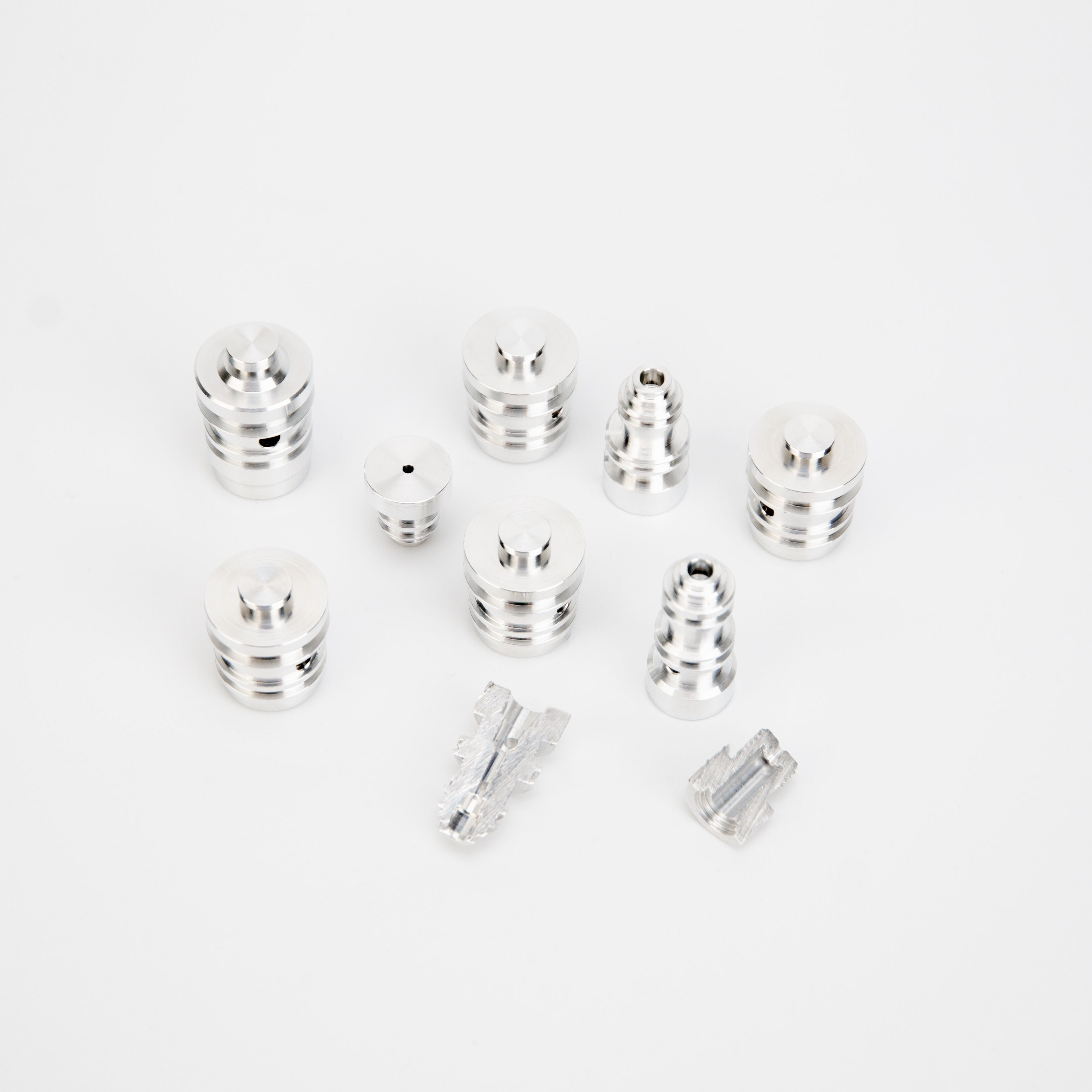
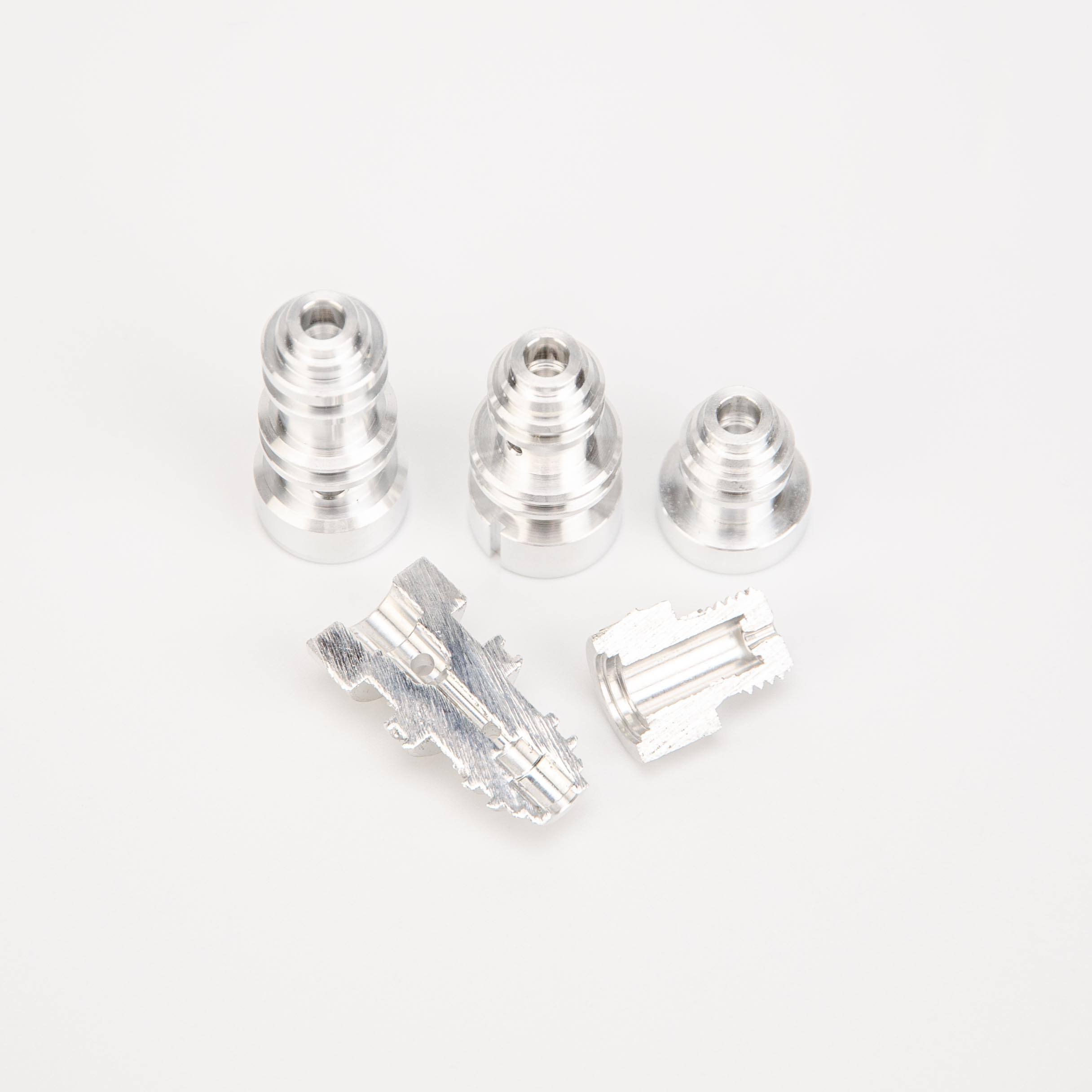
Quality assurance represents a cornerstone advantage of professional rapid prototyping online services, delivering consistency and precision that surpasses what most individual users could achieve with personal equipment investments. These platforms implement comprehensive quality control protocols that begin with automated design analysis and extend through final inspection procedures, ensuring every delivered prototype meets exacting professional standards. Advanced algorithms examine uploaded CAD files for potential manufacturing issues, automatically identifying problems such as unsupported overhangs, thin walls, sharp internal corners, and material stress concentrations that could compromise part integrity or surface quality. This preemptive analysis prevents costly production errors while providing valuable design feedback that improves overall product quality and manufacturability. The manufacturing processes themselves operate under strictly controlled environmental conditions with calibrated equipment that undergoes regular maintenance and performance verification. Temperature, humidity, and contamination controls ensure optimal processing conditions that directly translate to superior part quality and dimensional accuracy. Professional operators monitor production continuously, making real-time adjustments to maintain optimal parameters and intervene immediately when deviations occur. Multi-stage inspection procedures verify dimensional accuracy, surface finish quality, and structural integrity before parts leave manufacturing facilities. Coordinate measuring machines, optical scanning systems, and mechanical testing equipment validate that finished prototypes conform to specified tolerances and performance requirements. Surface finishing capabilities available through rapid prototyping online services encompass professional-grade options including vapor smoothing, bead blasting, anodizing, painting, and specialized coatings that enhance both aesthetic appeal and functional properties. These finishing processes require specialized equipment, controlled environments, and experienced technicians that would be prohibitively expensive for individual acquisition but become accessible through shared manufacturing platforms. Documentation and traceability systems maintain detailed records of manufacturing parameters, material certifications, and quality measurements that support regulatory compliance and enable process optimization. This professional approach ensures that prototypes accurately represent final product characteristics, reducing risks associated with scaling to volume production and providing confidence in design decisions based on prototype testing results.
Accelerated Innovation Cycles Through Rapid Iteration Capabilities

Accelerated Innovation Cycles Through Rapid Iteration Capabilities

The acceleration of innovation cycles through rapid prototyping online services fundamentally transforms how products are developed, tested, and refined, compressing traditional development timelines while simultaneously improving final product quality through enhanced iteration capabilities. This transformation occurs through the elimination of logistical delays, procurement bottlenecks, and setup requirements that historically created weeks or months between design modifications and physical validation. Modern rapid prototyping online platforms can deliver functional prototypes within 24 to 72 hours from file upload, enabling design teams to test concepts, gather feedback, implement improvements, and retest within a single week. This acceleration enables a fundamentally different approach to product development where multiple parallel concepts can be explored simultaneously, allowing teams to compare alternative solutions directly rather than relying solely on theoretical analysis or computer simulations. The rapid iteration capability proves particularly valuable during critical design phases where user feedback, market research, and technical validation must inform design decisions under tight time constraints. Companies can now conduct meaningful market research with physical prototypes, gathering tactile feedback and user interaction data that cannot be obtained through digital presentations or virtual reality experiences. This real-world validation significantly reduces market risks associated with new product launches while providing competitive advantages through faster response to market opportunities. The psychological impact of rapid iteration capabilities extends beyond mere schedule compression to influence design team creativity and risk-taking behaviors. When prototype costs and lead times are minimal, designers feel more comfortable exploring unconventional solutions, testing radical concepts, and pushing creative boundaries that might otherwise seem too risky or expensive to pursue. This enhanced creative freedom often leads to breakthrough innovations that emerge from iterative exploration rather than predetermined design constraints. Collaborative aspects improve dramatically when physical prototypes can be shared rapidly among distributed team members, enabling more effective communication than digital files alone. International design teams can now collaborate effectively with each member having access to identical physical samples, regardless of geographic location. The rapid prototyping online model also supports agile development methodologies that emphasize frequent testing and continuous improvement over extensive upfront planning, aligning manufacturing capabilities with modern software development practices that have proven highly effective across numerous industries.