Custom Brass Fabrication Services - Precision Manufacturing & Component Solutions

All Categories

custom brass fabrication

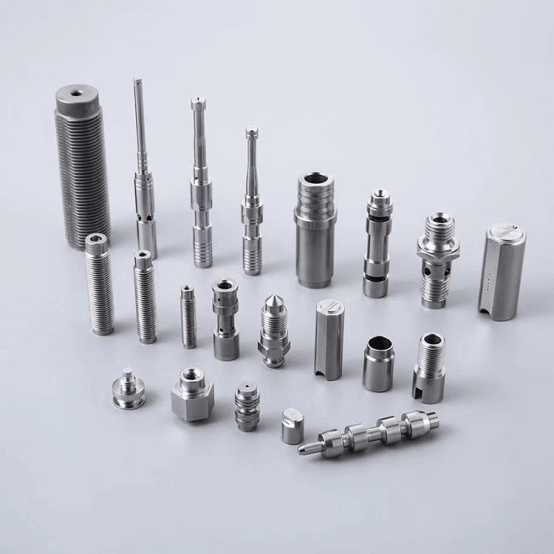
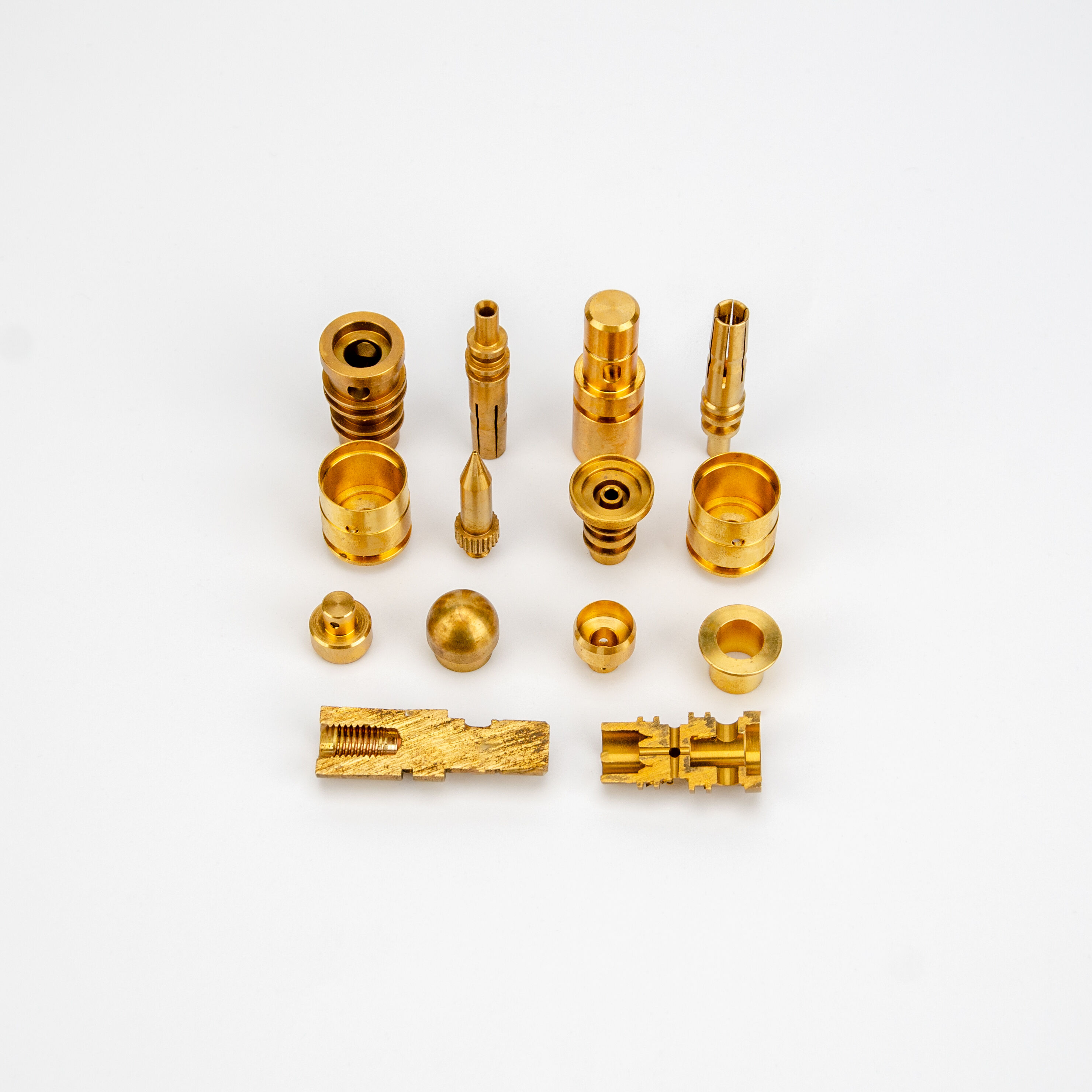
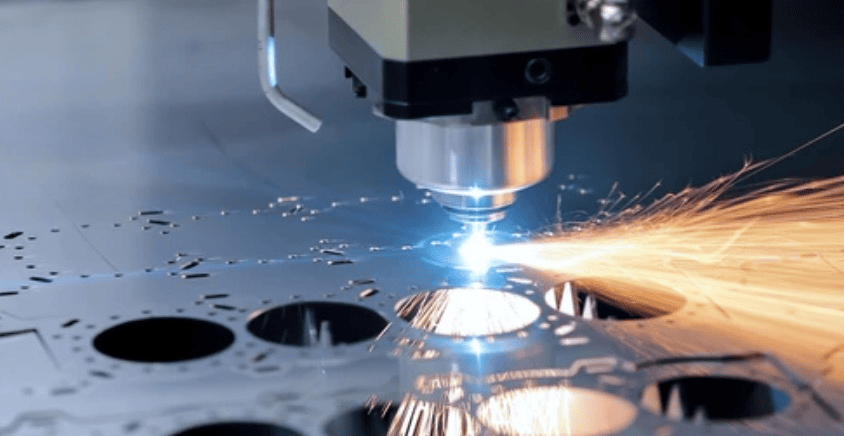
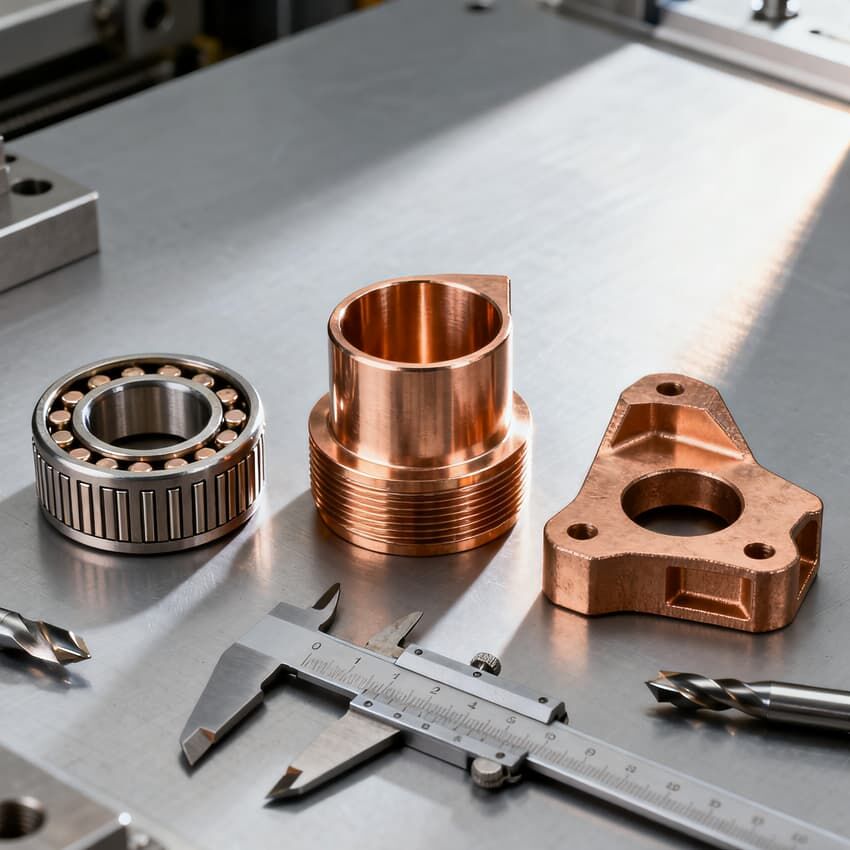
Custom brass fabrication represents a sophisticated manufacturing process that transforms raw brass materials into precisely engineered components tailored to specific client requirements. This specialized metalworking technique combines traditional craftsmanship with modern technology to create durable, corrosion-resistant products across numerous industries. The custom brass fabrication process encompasses various methods including machining, casting, forging, stamping, and welding to achieve desired specifications and tolerances. Brass, an alloy primarily composed of copper and zinc, offers exceptional properties that make it ideal for custom applications. Its natural antimicrobial qualities, excellent electrical conductivity, and superior resistance to corrosion position custom brass fabrication as a preferred choice for demanding environments. The fabrication process begins with material selection, where different brass compositions are chosen based on specific performance requirements. Standard brass alloys such as 360, 260, and naval brass each provide unique characteristics suitable for different applications. Modern custom brass fabrication facilities utilize computer-controlled machinery, precision cutting tools, and advanced quality control systems to ensure consistent results. The technological features of contemporary custom brass fabrication include CNC machining capabilities that deliver tolerances as tight as ±0.001 inches, automated inspection systems that verify dimensional accuracy, and specialized surface treatments that enhance appearance and performance. Applications span diverse sectors including marine hardware, architectural elements, electrical components, plumbing fixtures, musical instruments, and decorative items. The versatility of custom brass fabrication allows manufacturers to produce everything from intricate jewelry pieces to heavy-duty industrial components. Quality assurance protocols ensure that each custom brass fabrication project meets stringent industry standards and client specifications, incorporating material testing, dimensional verification, and functional validation throughout the production cycle.
New Product Releases

Custom brass fabrication delivers significant cost savings compared to purchasing standard off-the-shelf components, particularly when specific dimensions or unique features are required. This manufacturing approach eliminates the need for expensive modifications or workarounds that often accompany generic products. Companies can achieve substantial reductions in inventory costs by ordering precise quantities of custom brass fabrication components rather than maintaining large stocks of various standard parts. The durability inherent in custom brass fabrication ensures long-term value, as brass components typically outlast alternatives made from steel or aluminum in many environments. This longevity translates directly into reduced replacement costs and minimized downtime for maintenance activities. Custom brass fabrication provides unmatched design flexibility, allowing engineers and designers to optimize component geometry for specific performance requirements. This capability enables the creation of parts that integrate multiple functions into single components, reducing assembly complexity and potential failure points. The precision achievable through modern custom brass fabrication techniques ensures proper fit and function, eliminating costly field modifications or replacements due to dimensional inaccuracies. Speed to market represents another crucial advantage, as custom brass fabrication can produce prototype and production quantities faster than sourcing alternatives through multiple suppliers. The aesthetic appeal of brass components adds value to finished products, particularly in architectural and decorative applications where appearance matters as much as function. Environmental benefits emerge from custom brass fabrication due to brass's recyclability and the reduced waste generated by producing exactly what is needed rather than modifying existing parts. Quality control advantages stem from working directly with fabrication specialists who understand specific requirements and can implement appropriate testing protocols. Supply chain reliability improves when utilizing established custom brass fabrication partners who maintain consistent material sources and production capabilities. The technical expertise available through custom brass fabrication providers offers valuable design consultation, helping optimize components for manufacturability while maintaining performance requirements. These combined advantages position custom brass fabrication as a strategic manufacturing solution that delivers measurable benefits across cost, quality, timeline, and performance metrics.

Latest News

The cleaning of precision components is crucial to ensuring their smoothness and functionality.

29

Nov

The cleaning of precision components is crucial to ensuring their smoothness and functionality.

View More
Methods to Improve the Efficiency of Precision Component Processing

29

Nov

Methods to Improve the Efficiency of Precision Component Processing

View More
Kindness Warms the Heart, Responsibility in Action

29

Nov

Kindness Warms the Heart, Responsibility in Action

View More
Design Knowledge for Shaft Pin Components

29

Nov

Design Knowledge for Shaft Pin Components

View More

Get a Free Quote

Our representative will contact you soon.
Email
Name
Company Name
WhatsApp
Message
0/1000

custom brass fabrication

Precision Engineering and Tight Tolerances

Precision Engineering and Tight Tolerances

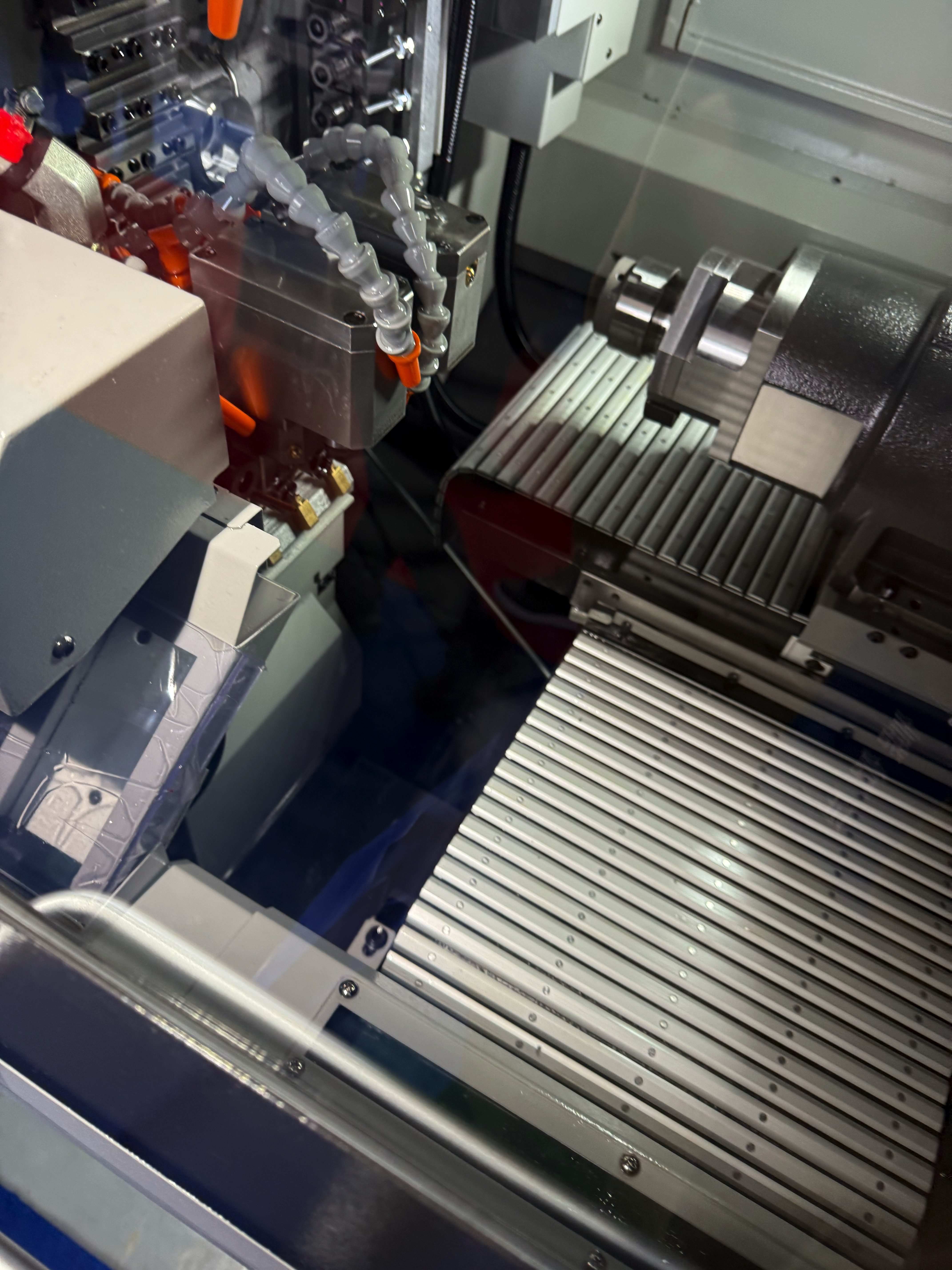
Custom brass fabrication achieves remarkable precision levels that surpass conventional manufacturing methods, delivering components with tolerances as precise as ±0.001 inches when required. This exceptional accuracy stems from advanced CNC machining centers equipped with high-resolution feedback systems and temperature-controlled environments that minimize thermal expansion effects. The precision capabilities of modern custom brass fabrication extend beyond simple dimensional accuracy to include complex geometric features such as intricate internal passages, precise thread forms, and sophisticated surface profiles. Quality assurance protocols integral to custom brass fabrication incorporate coordinate measuring machines, optical comparators, and laser scanning systems that verify dimensional conformance throughout production cycles. This meticulous attention to precision ensures that custom brass fabrication components integrate seamlessly into assemblies without requiring field adjustments or modifications. The economic impact of this precision cannot be overstated, as properly fitted components reduce assembly time, eliminate rework costs, and minimize warranty claims. Industries such as aerospace, medical devices, and precision instrumentation particularly benefit from the tight tolerances achievable through custom brass fabrication, where component accuracy directly affects system performance and safety. The repeatability of precision custom brass fabrication processes enables consistent quality across production runs, whether producing single prototypes or thousands of components. Advanced process control systems monitor cutting forces, tool wear, and dimensional drift to maintain precision standards throughout extended production cycles. The investment in precision equipment and skilled technicians required for high-accuracy custom brass fabrication pays dividends through reduced scrap rates, improved customer satisfaction, and enhanced competitive positioning. Temperature control systems within modern custom brass fabrication facilities maintain stable conditions that prevent thermal distortion during machining operations, contributing to consistent precision outcomes. The calibration and maintenance protocols governing precision custom brass fabrication equipment ensure continued accuracy over time, providing customers with confidence in dimensional consistency across multiple orders and extended timeframes.
Material Versatility and Alloy Selection

Material Versatility and Alloy Selection

Custom brass fabrication encompasses an extensive range of brass alloys, each engineered for specific performance characteristics and environmental conditions. The versatility of brass compositions available through custom brass fabrication enables manufacturers to optimize material properties for diverse applications, from marine environments requiring superior corrosion resistance to electrical applications demanding maximum conductivity. Standard alloys utilized in custom brass fabrication include free-machining brass 360 for easy processing, cartridge brass 260 for deep drawing operations, and naval brass for marine applications exposed to saltwater corrosion. Specialized alloys available through custom brass fabrication extend to lead-free formulations meeting environmental regulations, high-strength variants for structural applications, and antimicrobial grades for healthcare and food service industries. The selection process for custom brass fabrication projects involves careful analysis of operating conditions, performance requirements, and regulatory compliance needs to identify optimal alloy compositions. Advanced metallurgical knowledge within custom brass fabrication organizations enables recommendation of alternative alloys that may offer superior performance or cost advantages for specific applications. The availability of certified materials through established custom brass fabrication suppliers ensures traceability and compliance with industry standards such as ASTM, SAE, and military specifications. Custom brass fabrication processes can accommodate various material forms including bar stock, sheet metal, castings, and forgings, providing flexibility in manufacturing approach and component design. Heat treatment capabilities within comprehensive custom brass fabrication facilities allow modification of material properties through processes such as annealing, stress relieving, and age hardening to meet specific requirements. The compatibility of different brass alloys with various joining methods including welding, brazing, and mechanical fastening expands design possibilities in custom brass fabrication projects. Environmental considerations in custom brass fabrication include the selection of lead-free alloys for potable water applications and recyclable compositions that support sustainability initiatives. The extensive inventory management systems maintained by professional custom brass fabrication providers ensure availability of required materials while minimizing lead times and maintaining cost competitiveness across diverse alloy specifications.
Surface Treatment and Finishing Excellence

Surface Treatment and Finishing Excellence

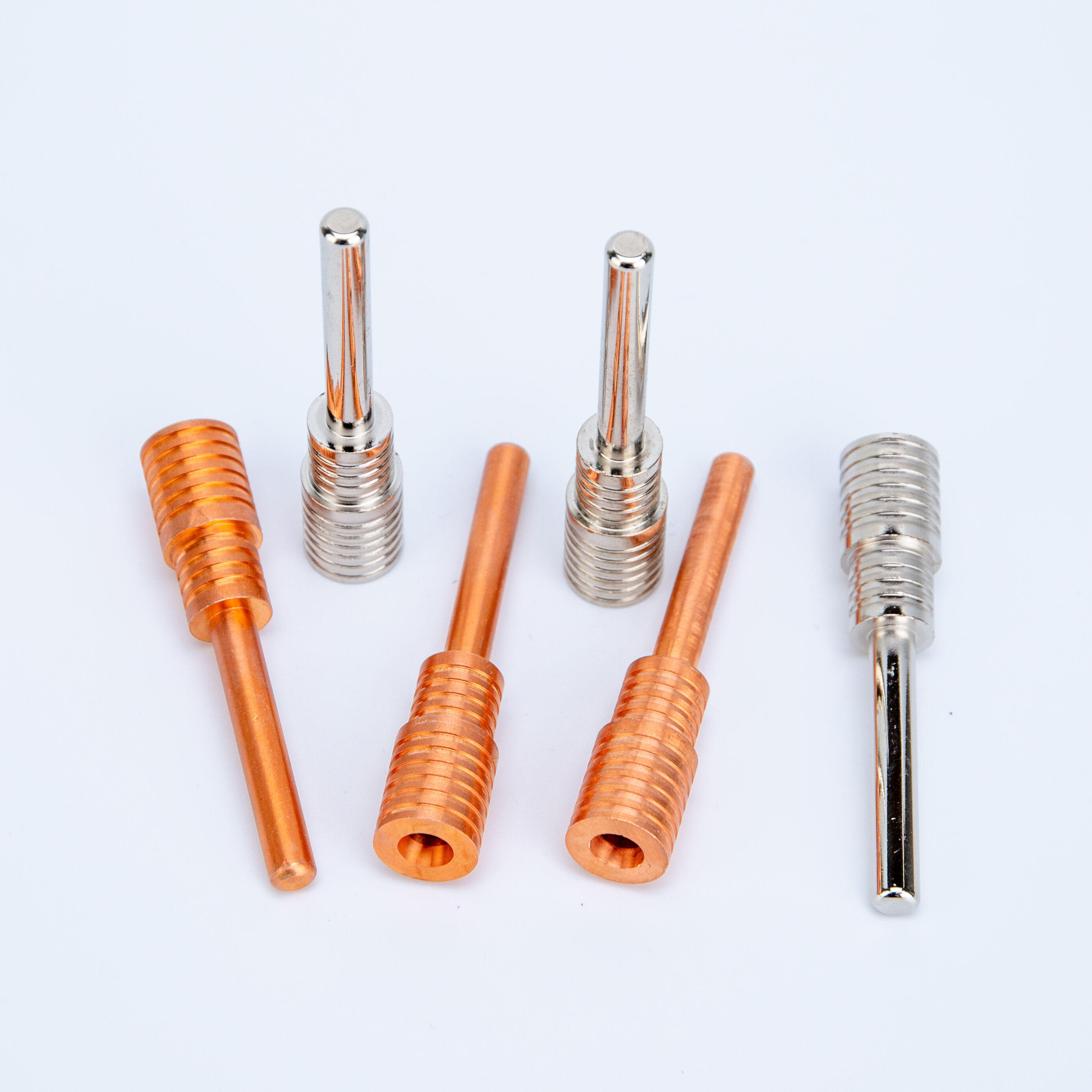
Custom brass fabrication incorporates comprehensive surface treatment and finishing capabilities that enhance both functional performance and aesthetic appeal of manufactured components. The natural properties of brass provide an excellent foundation for various finishing processes, with custom brass fabrication specialists offering everything from basic cleaning and deburring to sophisticated decorative and protective coatings. Mechanical finishing options in custom brass fabrication include precision grinding, polishing, and brushing techniques that achieve specific surface textures and appearance requirements. These processes not only improve visual appeal but also influence functional characteristics such as friction coefficients, wear resistance, and corrosion protection. Chemical treatments available through custom brass fabrication services encompass passivation processes that enhance corrosion resistance, etching techniques for improved adhesion of subsequent coatings, and cleaning procedures that remove manufacturing residues and contaminants. Electroplating capabilities within comprehensive custom brass fabrication facilities enable application of protective and decorative coatings including nickel, chrome, gold, and silver that extend component life and enhance appearance. The selection of appropriate surface treatments in custom brass fabrication projects depends on environmental exposure conditions, aesthetic requirements, and functional performance criteria. Quality control protocols governing surface finishing in custom brass fabrication ensure consistent results through standardized procedures, regular equipment calibration, and ongoing training of skilled technicians. Advanced surface analysis equipment including profilometers, coating thickness gauges, and adhesion testers verify finishing quality and conformance to specifications. The environmental compliance aspects of custom brass fabrication finishing processes include waste treatment systems, emission controls, and sustainable practices that minimize ecological impact while maintaining quality standards. Custom brass fabrication finishing capabilities extend to specialized processes such as antiquing treatments for architectural applications, precision masking for selective coating application, and post-treatment inspection procedures that ensure complete coverage and adherence. The integration of finishing operations within custom brass fabrication workflows eliminates additional handling and transportation costs while maintaining tight process control and quality assurance. Documentation and certification of surface treatments in custom brass fabrication projects provide customers with complete traceability and verification of finishing specifications, supporting quality management systems and regulatory compliance requirements.