precision machined components
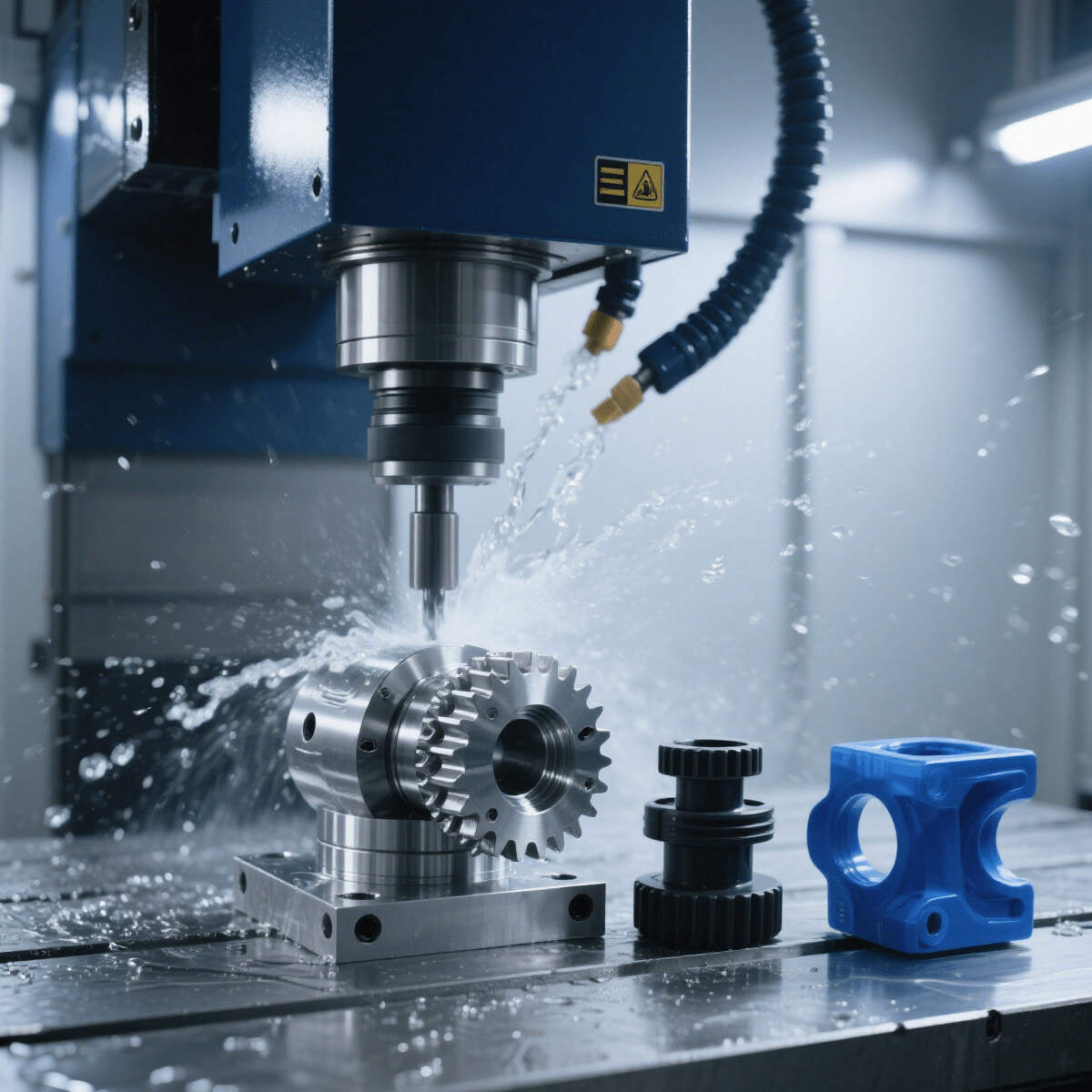
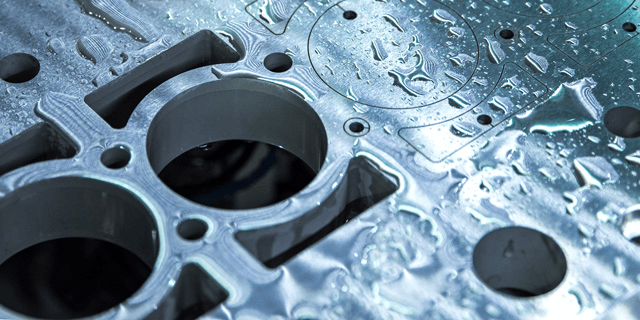
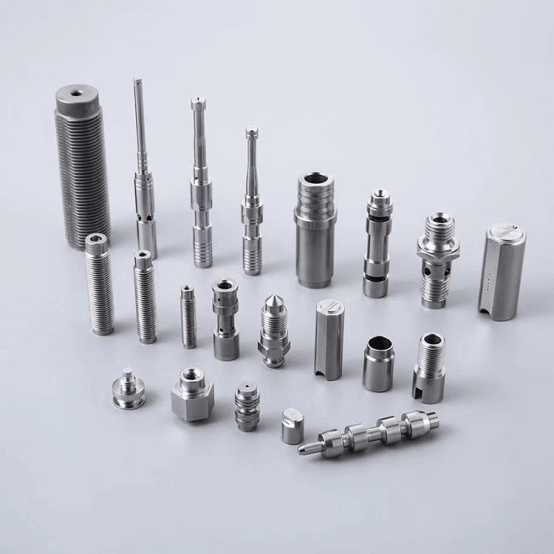
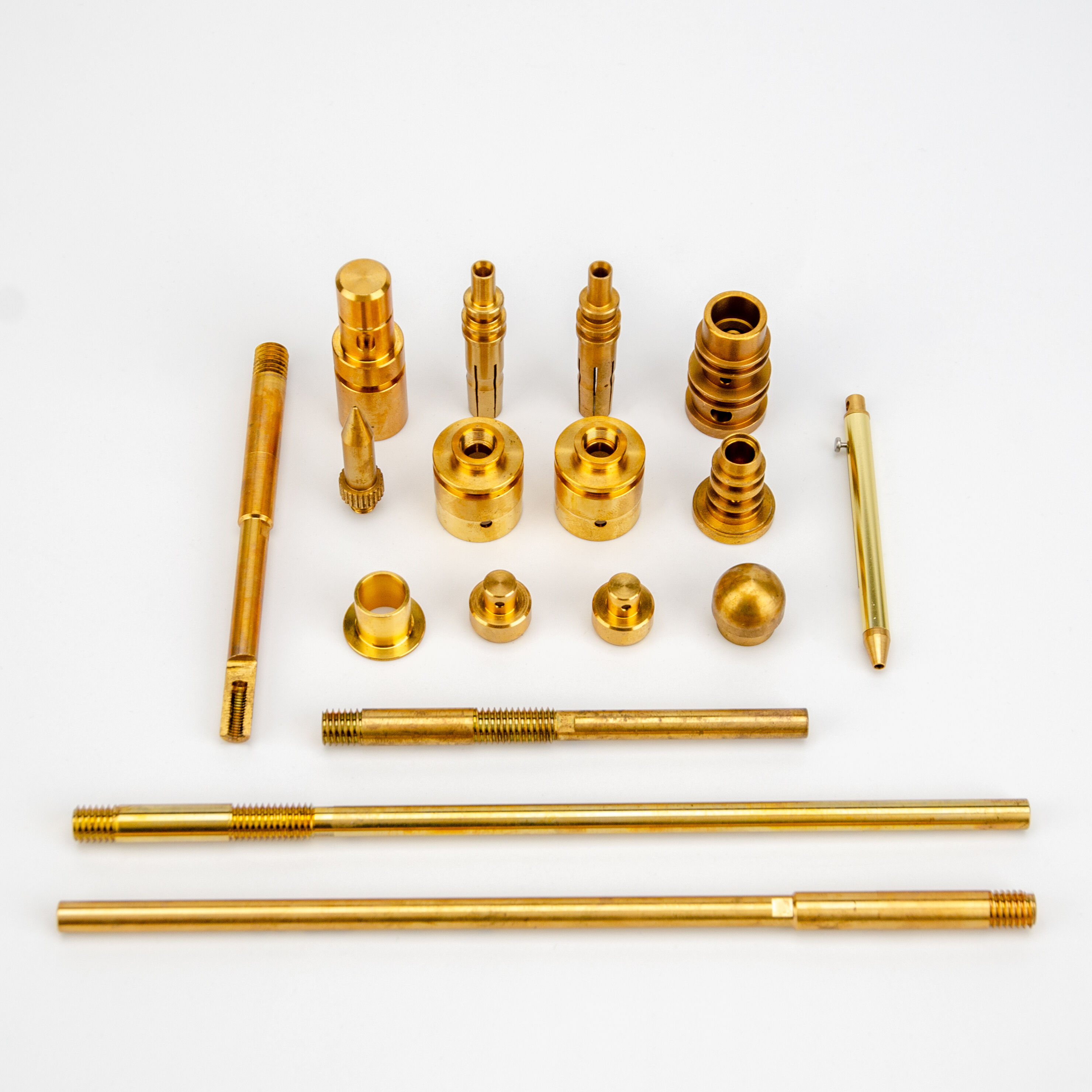
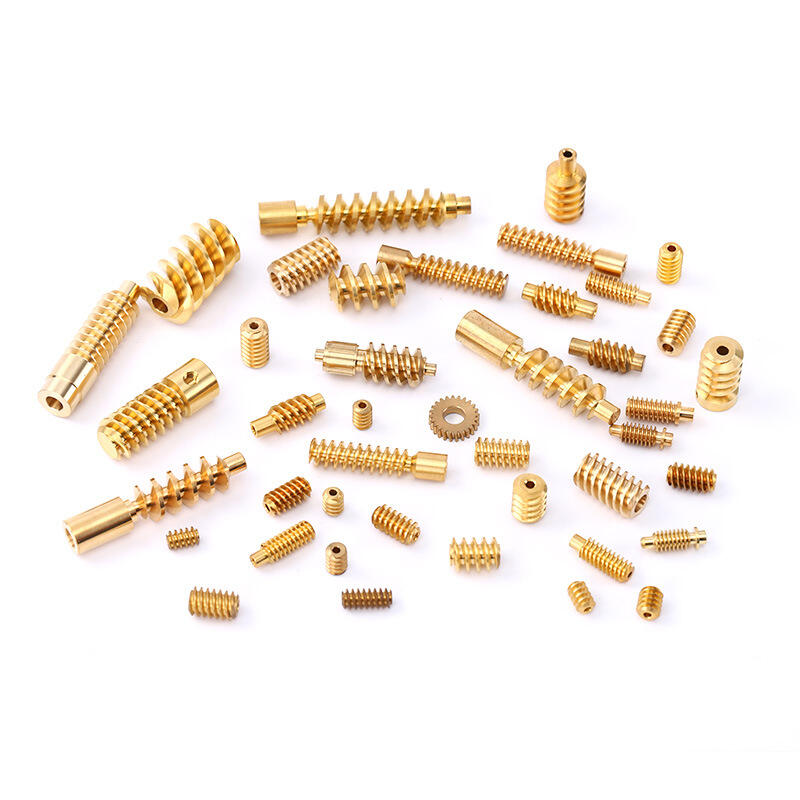
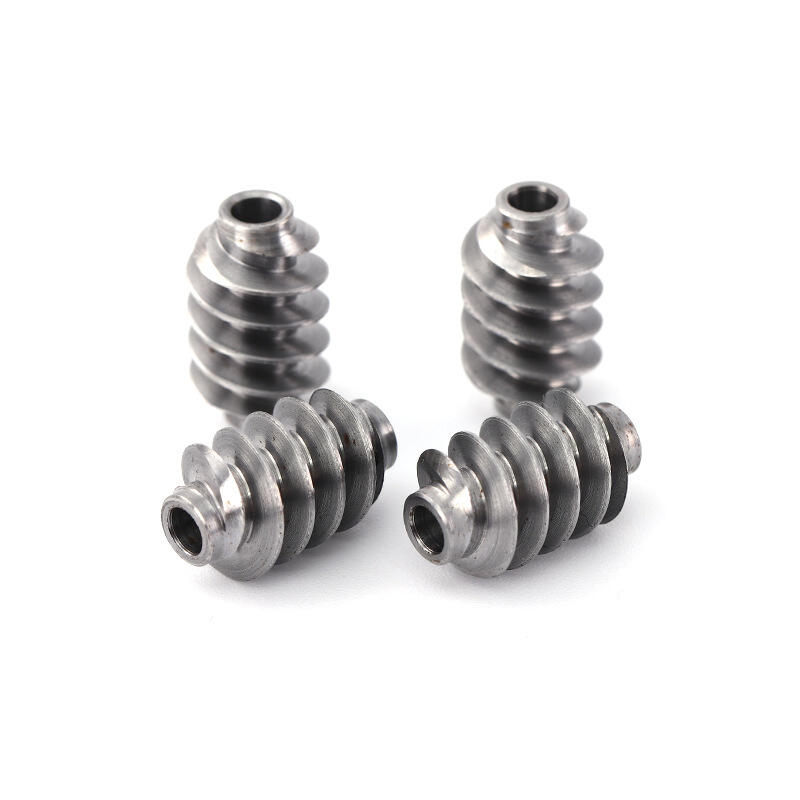
Precision machined components represent the backbone of modern manufacturing, delivering exceptional accuracy and reliability across countless industrial applications. These components are manufactured using advanced computer-controlled machinery that removes material from raw stock with extraordinary precision, typically achieving tolerances within thousandths of an inch or micrometers. The primary function of precision machined components centers on providing exact dimensional accuracy, superior surface finishes, and consistent performance characteristics that meet the demanding requirements of today's technology-driven industries. The technological features that define precision machined components include state-of-the-art CNC machining capabilities, multi-axis processing systems, and sophisticated quality control measures. These components utilize advanced cutting tools, high-speed spindles, and precision fixturing systems to achieve remarkable dimensional stability and repeatability. Temperature-controlled environments and real-time monitoring systems ensure consistent quality throughout the manufacturing process. The machining process incorporates various techniques such as turning, milling, drilling, and grinding, each selected based on the specific requirements of the final component. Material selection plays a crucial role, with precision machined components crafted from diverse materials including stainless steel, aluminum alloys, titanium, brass, and specialized engineering plastics. Applications for precision machined components span numerous industries, from aerospace and automotive to medical devices and electronics. In the aerospace sector, these components form critical parts of engines, landing gear systems, and navigation equipment where failure is not an option. The automotive industry relies on precision machined components for engine blocks, transmission parts, and safety systems that must perform flawlessly under extreme conditions. Medical device manufacturers depend on these components for surgical instruments, implants, and diagnostic equipment where patient safety demands the highest levels of precision and biocompatibility.



 EN
EN