Versatile Application Range
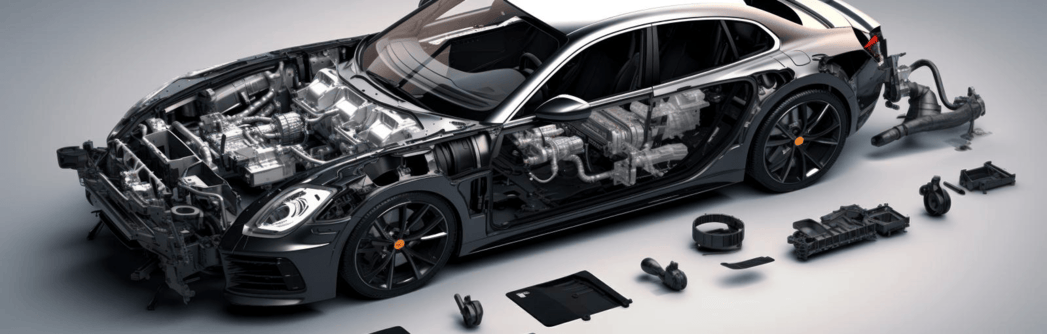
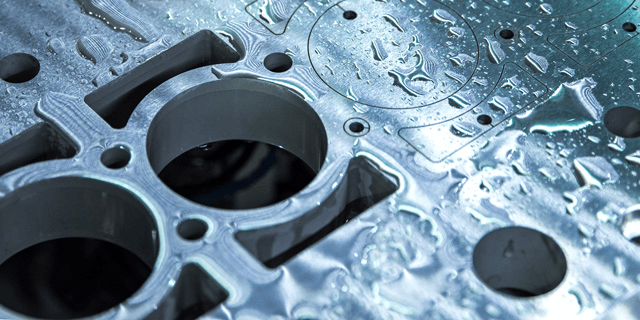
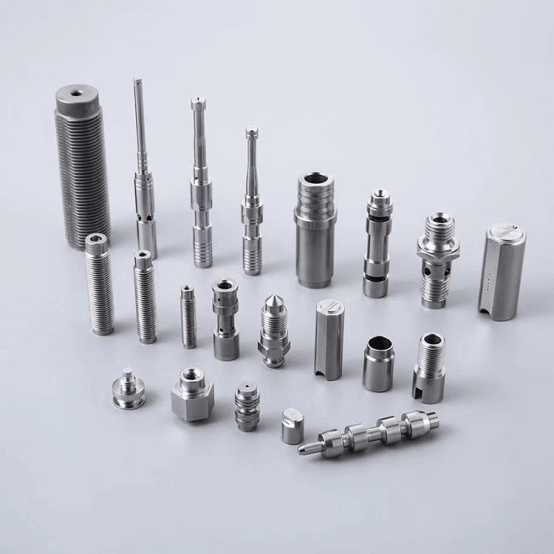
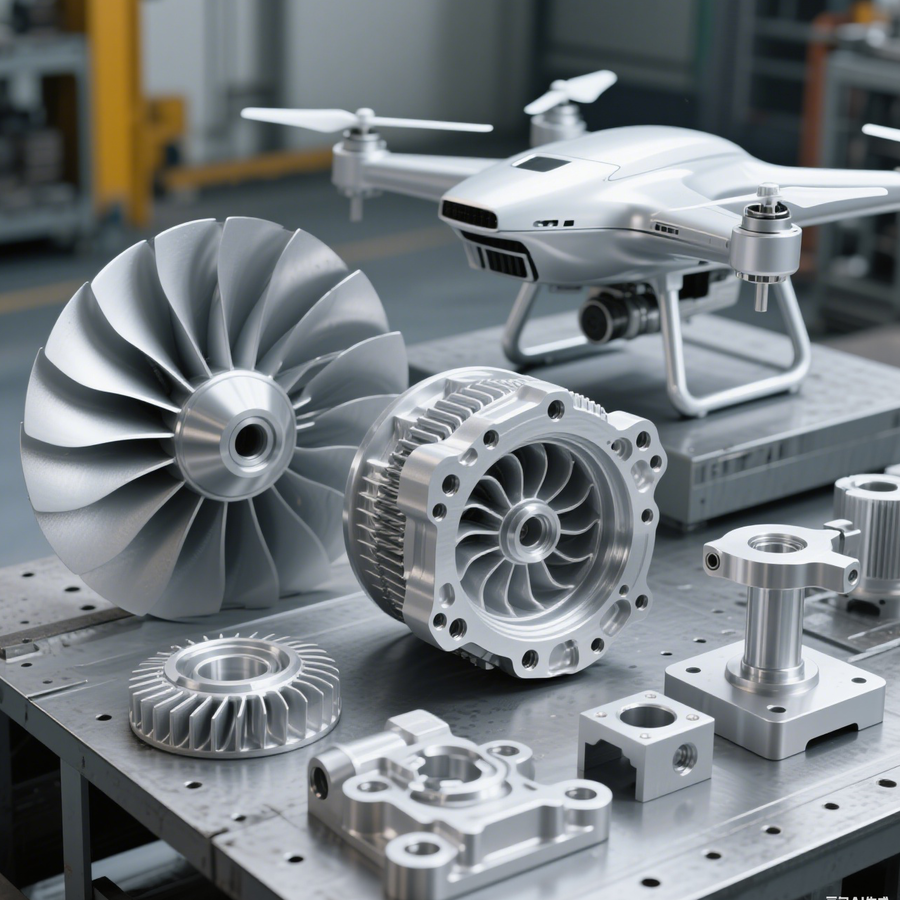
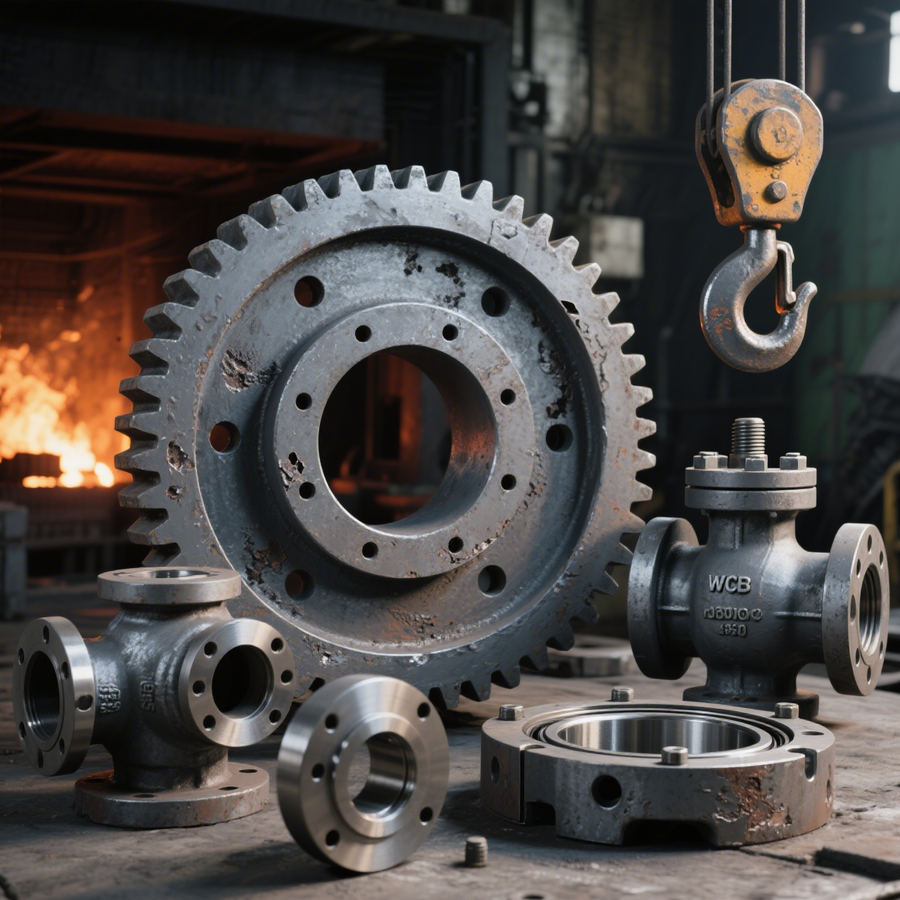
The versatile application range of custom metal casting molds encompasses an extraordinary spectrum of industries and manufacturing requirements, demonstrating their adaptability to diverse production challenges and material specifications. This versatility stems from the fundamental design flexibility inherent in custom tooling solutions, where each mold can be specifically engineered to accommodate unique product geometries, material properties, and production volumes. Automotive manufacturers leverage this versatility to produce everything from delicate sensor housings requiring precise dimensional control to massive engine blocks demanding exceptional strength and durability. The aerospace industry benefits from custom metal casting molds designed to handle exotic alloys and complex internal cooling passages required for turbine components and structural elements. Medical device manufacturers utilize specialized molds to create biocompatible implants and surgical instruments with surface finishes that meet stringent regulatory requirements. The versatility extends beyond industry applications to encompass a wide range of metal alloys, from lightweight aluminum and magnesium formulations to high-strength steel and specialized superalloys. Each material presents unique challenges in terms of casting temperature, flow characteristics, and solidification behavior, requiring custom metal casting molds to be specifically designed and optimized for individual alloy systems. Size versatility allows these molds to accommodate components ranging from miniature electronic housings weighing mere grams to massive industrial components exceeding several tons. This scalability ensures that manufacturers can maintain consistent quality standards regardless of component size or complexity. Production volume flexibility represents another dimension of versatility, as custom metal casting molds can be designed for prototype development, medium-volume production, or high-volume manufacturing scenarios. The modular design capabilities allow for easy modification and adaptation as product requirements evolve, ensuring long-term viability and continued relevance throughout changing market demands. Surface finish versatility enables the production of components with textures ranging from smooth, polished surfaces to complex patterns and functional textures that eliminate secondary processing requirements.



 EN
EN