Custom CNC Turning Parts - Precision Manufacturing Solutions for Complex Components

All Categories

custom cnc turning parts

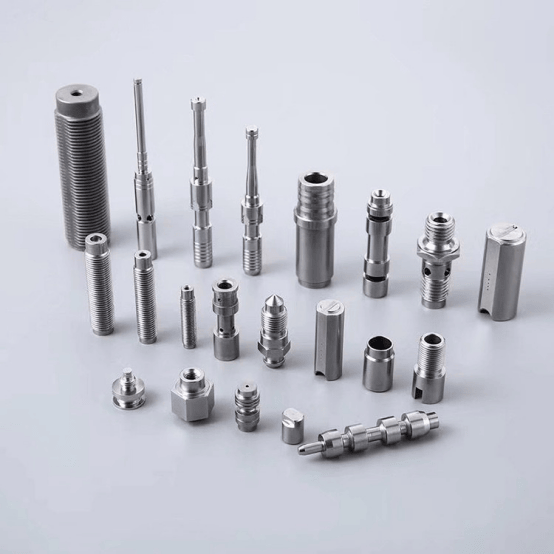
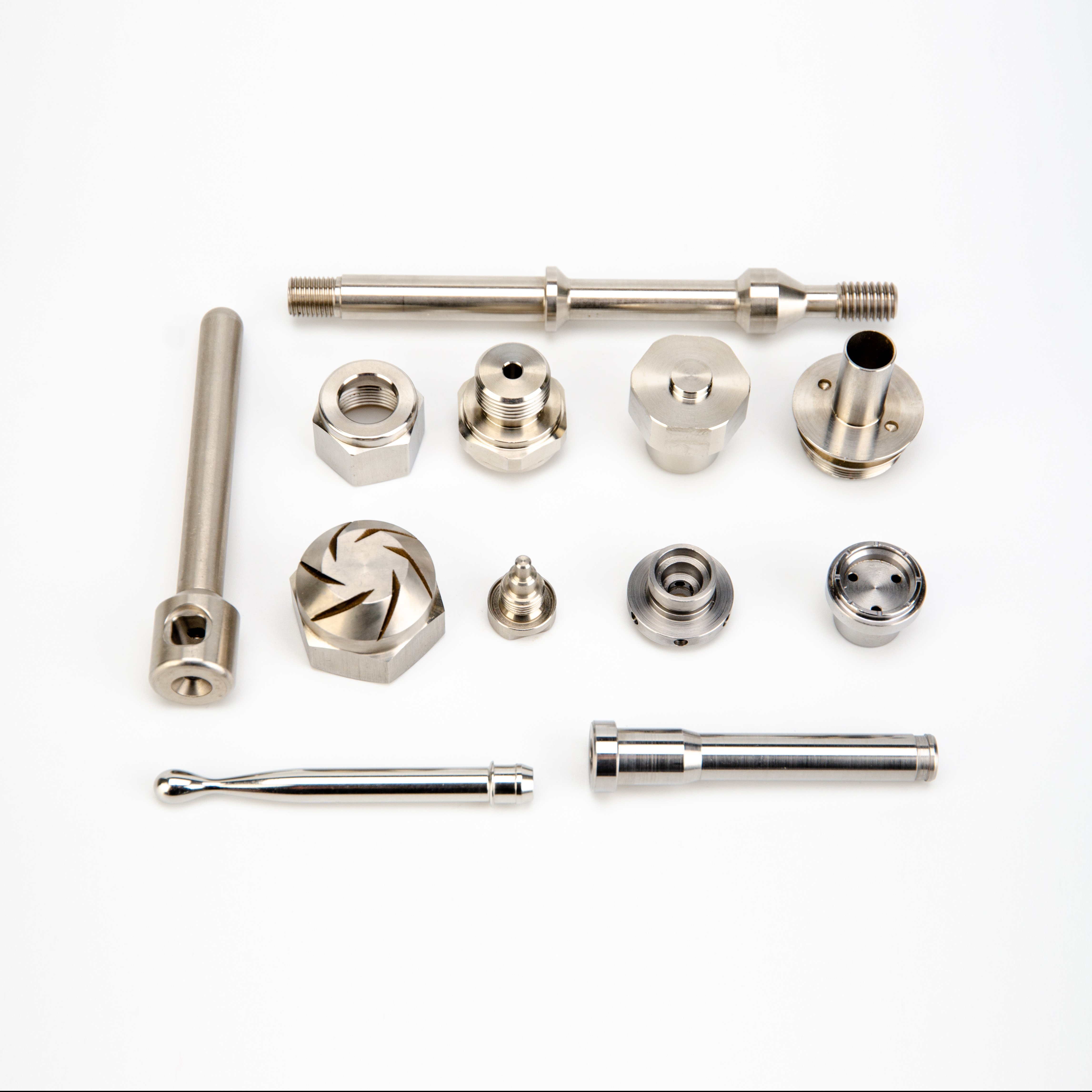
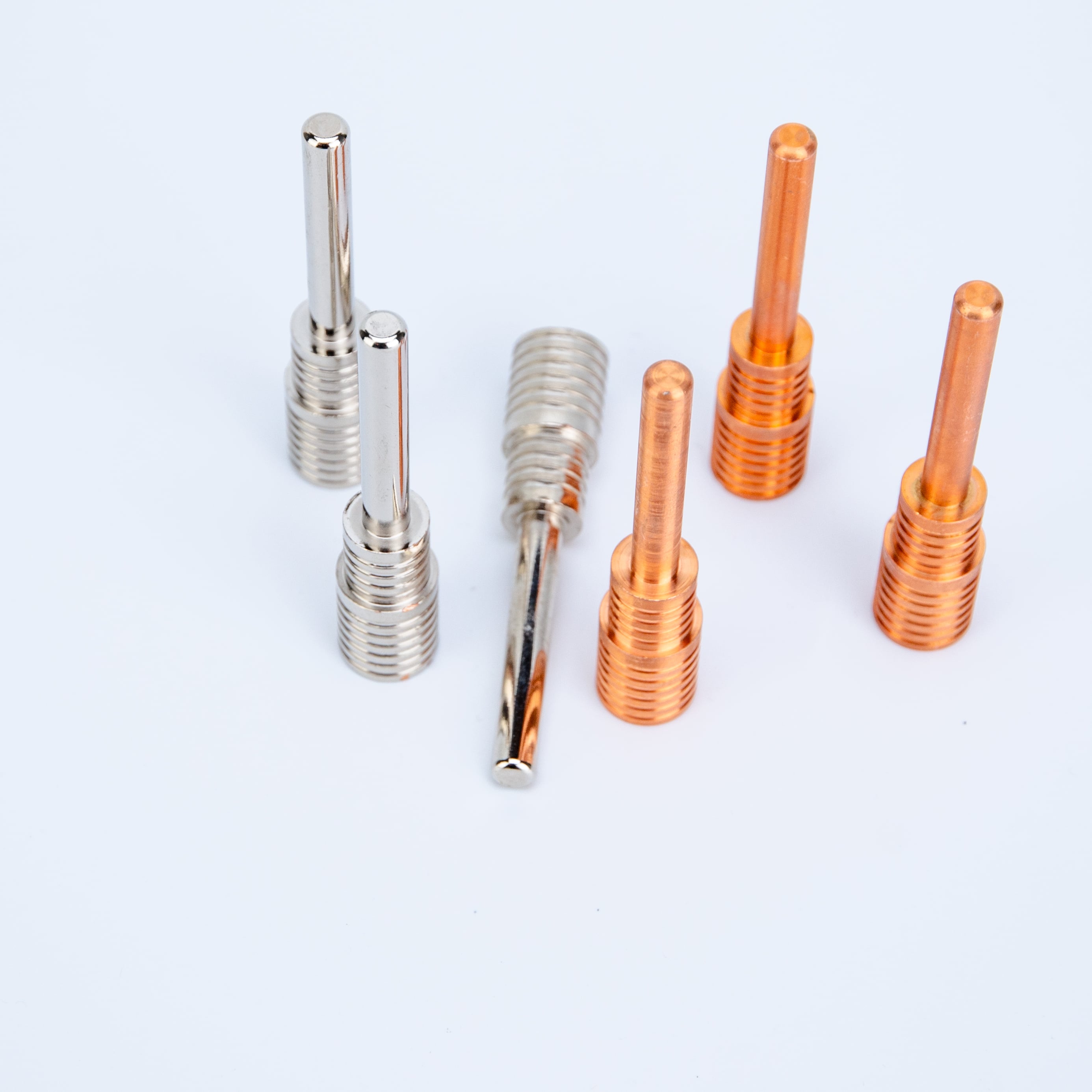
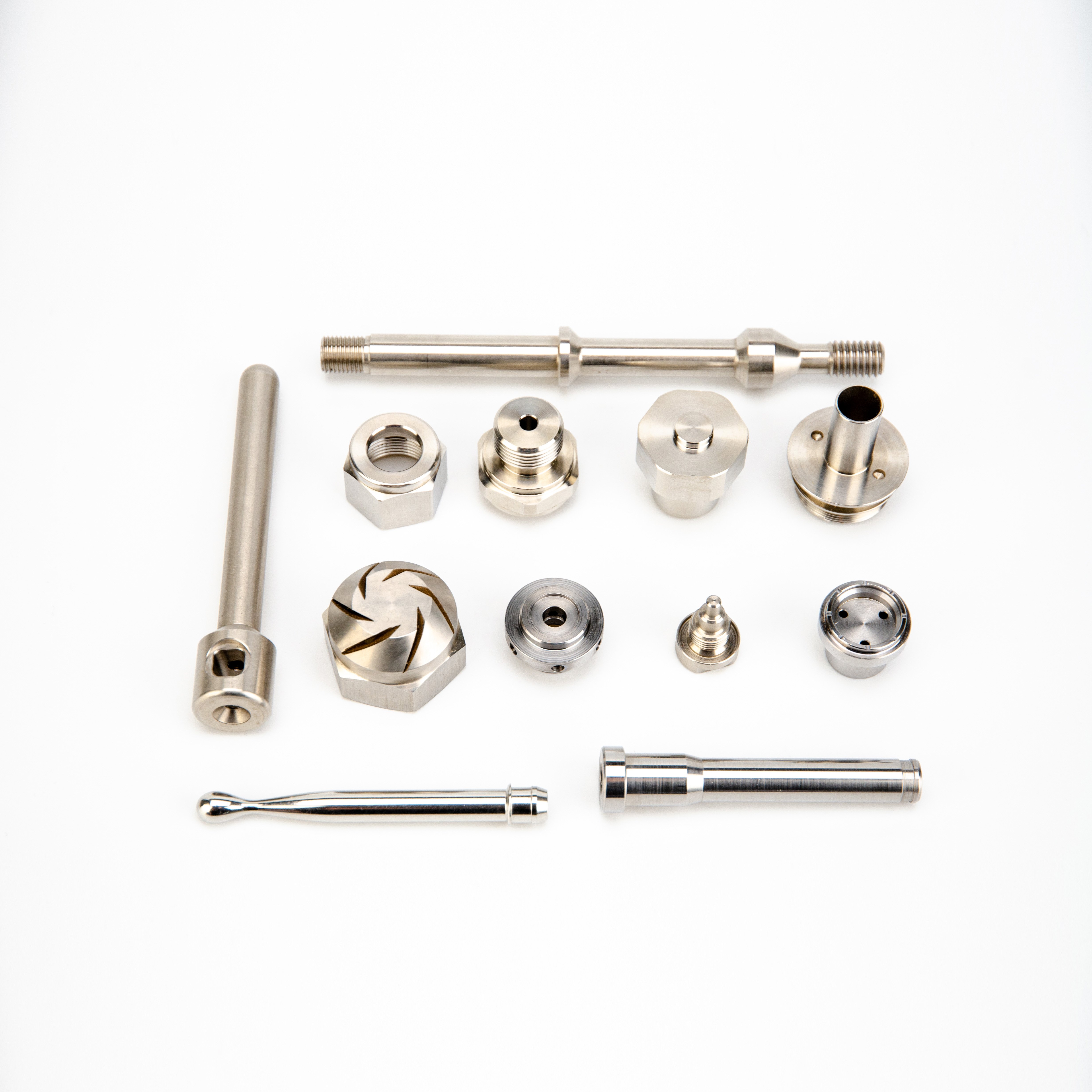
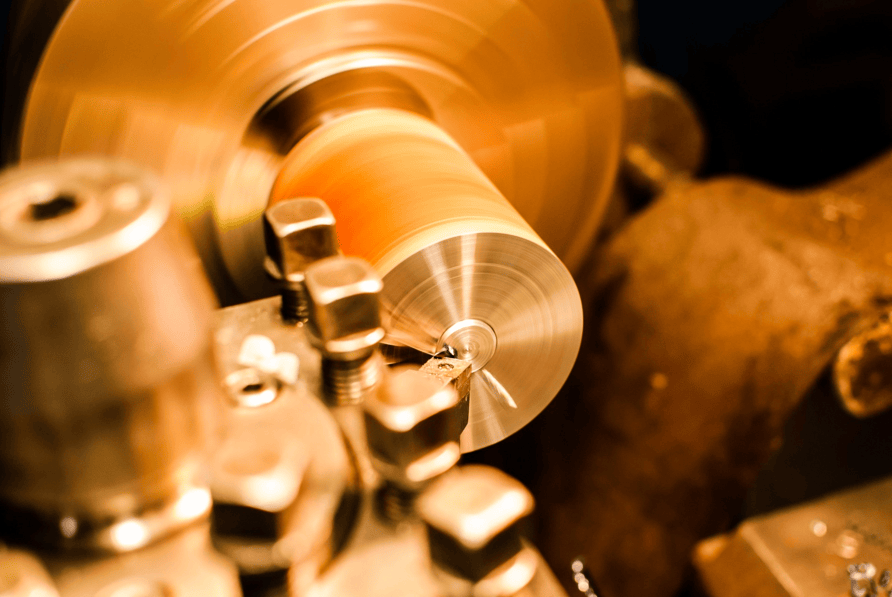
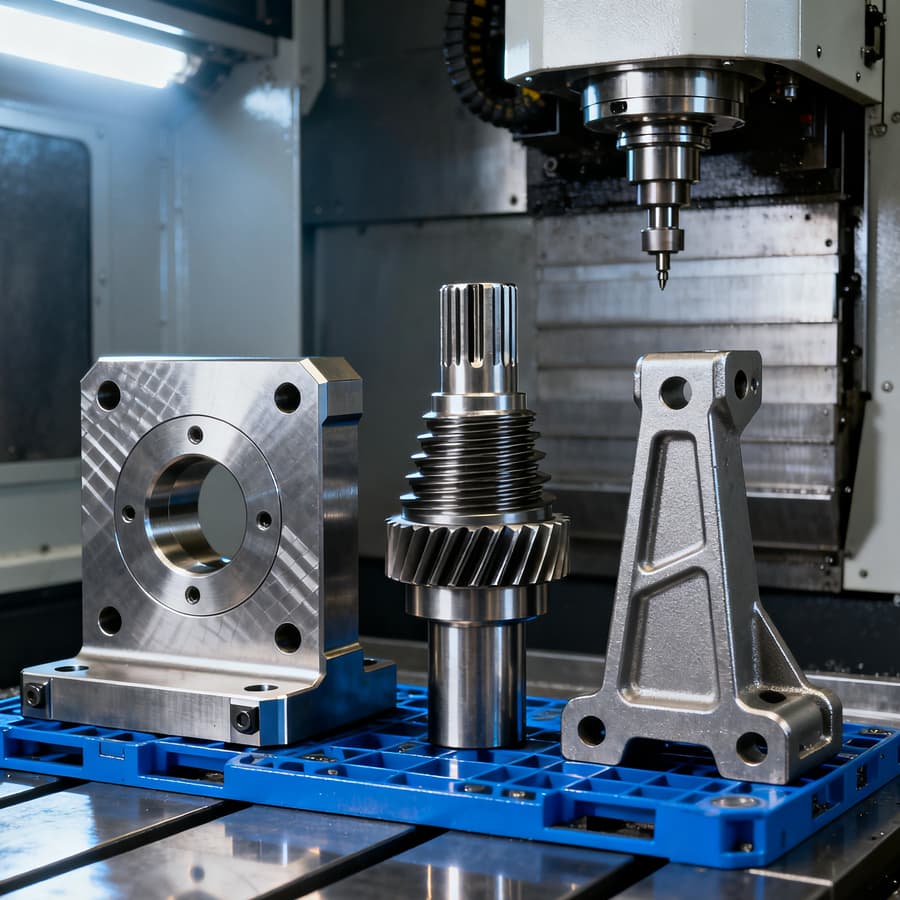
Custom CNC turning parts represent a sophisticated manufacturing solution that combines precision engineering with flexible production capabilities. These specialized components are created using computer numerical control (CNC) lathes that rotate workpieces while cutting tools shape them into exact specifications. The process enables manufacturers to produce cylindrical parts, shafts, pins, bushings, and complex geometries with exceptional accuracy and repeatability. Custom CNC turning parts serve as critical components across numerous industries, from aerospace and automotive to medical devices and electronics. The technology behind these parts involves advanced programming that controls tool movement, spindle speed, and feed rates to achieve precise dimensional tolerances often within thousandths of an inch. Modern CNC turning centers incorporate multiple axes of movement, live tooling capabilities, and automated part handling systems that enhance productivity while maintaining quality standards. The customization aspect allows engineers to specify unique dimensions, surface finishes, and material properties that meet specific application requirements. These parts can be manufactured from various materials including aluminum, steel, titanium, brass, plastics, and exotic alloys, each selected based on performance criteria such as strength, corrosion resistance, or thermal properties. The turning process excels at creating rotational symmetry features like threads, grooves, tapers, and complex contours that would be difficult or impossible to achieve through other manufacturing methods. Quality control measures integrated into the production process include in-process monitoring, statistical process control, and comprehensive inspection protocols using coordinate measuring machines and optical comparators. Custom CNC turning parts offer exceptional value through their ability to meet tight tolerances, reduce material waste, and provide consistent results across production runs of any size, from prototypes to high-volume manufacturing.

New Products

Custom CNC turning parts deliver remarkable precision that surpasses traditional manufacturing methods, achieving tolerances as tight as plus or minus 0.0001 inches consistently across production runs. This level of accuracy eliminates the need for secondary operations and reduces assembly complications, saving both time and costs for manufacturers. The automated nature of CNC turning processes ensures repeatability that human operators simply cannot match, producing identical parts whether you order ten pieces or ten thousand. This consistency translates directly into improved product quality and reduced rejection rates. Cost efficiency emerges as another significant advantage, particularly for medium to high volume production runs. While initial setup costs exist, the per-part cost decreases substantially as quantities increase, making custom CNC turning parts an economical choice for ongoing production needs. The speed of production stands out as a major benefit, with modern CNC turning centers capable of completing complex parts in minutes rather than hours required by conventional machining methods. This rapid turnaround enables faster time-to-market for new products and reduces inventory holding costs through just-in-time manufacturing capabilities. Material versatility represents another compelling advantage, as CNC turning processes accommodate an extensive range of materials from soft plastics to hardened tool steels. This flexibility allows designers to select optimal materials for specific applications without manufacturing constraints limiting their choices. The ability to create complex geometries in a single setup reduces handling time and potential errors associated with multiple machining operations. Features like internal threads, external grooves, and intricate contours can be machined simultaneously, improving efficiency and maintaining precise relationships between features. Quality assurance benefits from the digital nature of CNC programming, where proven programs can be stored and recalled, ensuring consistent results across multiple production runs separated by months or years. The documentation and traceability inherent in CNC processes support quality management systems and regulatory compliance requirements. Environmental advantages include reduced material waste through optimized cutting strategies and the ability to recycle chips and offcuts efficiently. Energy consumption per part often decreases compared to alternative manufacturing methods, supporting sustainability initiatives while maintaining production goals.

Practical Tips

The cleaning of precision components is crucial to ensuring their smoothness and functionality.

29

Nov

The cleaning of precision components is crucial to ensuring their smoothness and functionality.

View More
Methods to Improve the Efficiency of Precision Component Processing

29

Nov

Methods to Improve the Efficiency of Precision Component Processing

View More
Kindness Warms the Heart, Responsibility in Action

29

Nov

Kindness Warms the Heart, Responsibility in Action

View More
Design Knowledge for Shaft Pin Components

29

Nov

Design Knowledge for Shaft Pin Components

View More

Get a Free Quote

Our representative will contact you soon.
Email
Name
Company Name
WhatsApp
Message
0/1000

custom cnc turning parts

Unmatched Precision and Dimensional Accuracy

Unmatched Precision and Dimensional Accuracy

Custom CNC turning parts achieve extraordinary precision levels that set new standards for manufacturing excellence, delivering dimensional accuracy that consistently meets the most demanding specifications across diverse industries. The sophisticated computer-controlled systems eliminate human error variables while maintaining tolerances as tight as plus or minus 0.0001 inches, a precision level that proves crucial for applications in aerospace, medical devices, and high-performance automotive components. This exceptional accuracy stems from advanced servo motors, precision ball screws, and rigid machine construction that minimizes vibration and thermal drift during machining operations. The closed-loop feedback systems continuously monitor tool position and make real-time adjustments to maintain dimensional integrity throughout the entire production cycle. Temperature compensation features account for thermal expansion of both the workpiece and machine structure, ensuring consistent results regardless of ambient conditions or production duration. Custom CNC turning parts benefit from sophisticated measuring systems integrated directly into the machining process, allowing for in-cycle inspection and automatic tool compensation when wear occurs. This real-time quality control eliminates the production of out-of-specification parts and reduces material waste significantly. The precision capabilities extend beyond simple dimensional accuracy to include surface finish quality, geometric tolerances, and feature-to-feature relationships that remain consistent across thousands of parts. Advanced programming techniques optimize cutting parameters for each specific material and geometry combination, maximizing both precision and tool life while minimizing cycle times. The repeatability factor proves especially valuable for customers requiring identical parts over extended periods, as proven CNC programs can be stored indefinitely and recalled years later to produce parts identical to the original specification. This precision advantage translates directly into reduced assembly time, improved product performance, and enhanced customer satisfaction through consistently reliable components that meet exact requirements without compromise.
Exceptional Material Versatility and Engineering Flexibility

Exceptional Material Versatility and Engineering Flexibility

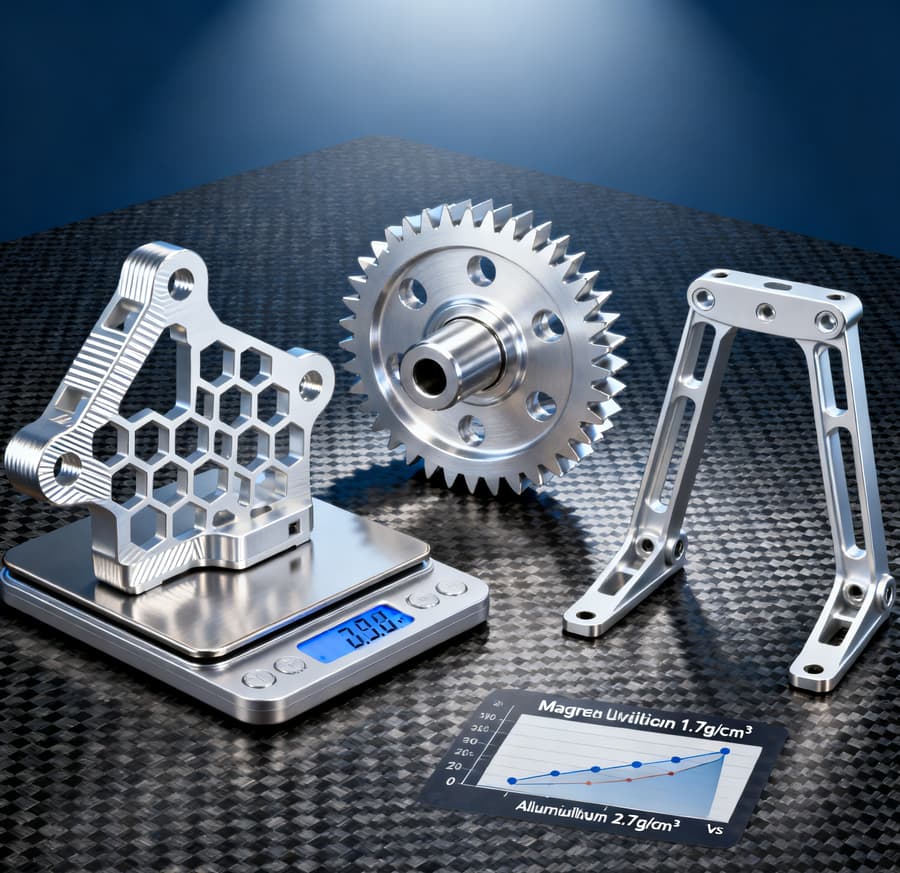
Custom CNC turning parts demonstrate remarkable adaptability through their ability to machine an extensive variety of materials, providing engineers and designers with unprecedented flexibility to select optimal materials based on performance requirements rather than manufacturing limitations. This versatility encompasses everything from common materials like aluminum and steel to exotic aerospace alloys, biocompatible titanium, high-temperature superalloys, and advanced engineering plastics. Each material presents unique machining challenges that CNC turning processes address through specialized tooling, optimized cutting parameters, and adaptive programming techniques. The material selection freedom enables custom CNC turning parts to excel in applications requiring specific properties such as corrosion resistance, electrical conductivity, thermal management, or biocompatibility. Stainless steel variants provide excellent corrosion resistance for marine and food processing applications, while aluminum alloys offer superior strength-to-weight ratios for aerospace and automotive components. Engineering plastics like PEEK and Delrin deliver chemical resistance and dimensional stability for medical and semiconductor applications where metal contamination must be avoided. The machining flexibility extends to material hardness ranges from soft copper alloys to hardened tool steels, accommodating heat-treated components that require finish machining after hardening processes. Custom CNC turning parts can incorporate multiple materials within single assemblies through techniques like overmolding, insert molding, or mechanical assembly of dissimilar materials. The programming flexibility allows for material-specific optimization, adjusting cutting speeds, feed rates, and tool selection to maximize surface finish quality and dimensional accuracy for each unique material combination. This adaptability proves especially valuable for prototyping applications where material selection may evolve based on testing results, as the same CNC programs can be modified quickly to accommodate different materials without extensive retooling. The ability to machine materials with varying machinability ratings ensures that custom CNC turning parts can meet diverse industry requirements while maintaining consistent quality standards across the entire material spectrum.
Rapid Production Capabilities and Scalable Manufacturing Solutions

Rapid Production Capabilities and Scalable Manufacturing Solutions

Custom CNC turning parts excel in delivering rapid production capabilities that transform manufacturing timelines from weeks to days while maintaining the flexibility to scale production volumes according to market demands. Modern CNC turning centers operate with remarkable efficiency, completing complex parts in minutes through optimized cutting strategies, high spindle speeds, and rapid tool change systems that minimize non-productive time. The programming sophistication enables lights-out manufacturing where machines operate unattended for extended periods, maximizing productivity while reducing labor costs and accelerating delivery schedules. This rapid production capability proves especially valuable for prototype development, where design iterations can be manufactured and tested quickly to accelerate product development cycles. The scalability advantage allows custom CNC turning parts to serve diverse production requirements, from single prototype pieces to high-volume production runs exceeding millions of parts annually. Setup efficiency plays a crucial role in this rapid response capability, with modern CNC systems featuring quick-change tooling, preset tool libraries, and automated workholding systems that reduce changeover times between different part numbers. The production speed extends beyond individual part cycle times to encompass overall project completion, as CNC turning processes often eliminate secondary operations like grinding, threading, or surface treatments through integrated live tooling capabilities. Multiple operations previously requiring separate machines and setups can now be completed in a single CNC turning cycle, dramatically reducing total production time and handling requirements. The rapid prototyping capabilities enable design validation and testing to proceed concurrently with tooling development for higher volume production, compressing overall project timelines significantly. Quality verification occurs simultaneously with production through integrated measurement systems, eliminating time-consuming inspection delays while ensuring dimensional compliance. The combination of speed and scalability makes custom CNC turning parts ideal for just-in-time manufacturing strategies, where inventory reduction and rapid response to customer demands provide competitive advantages in dynamic markets.