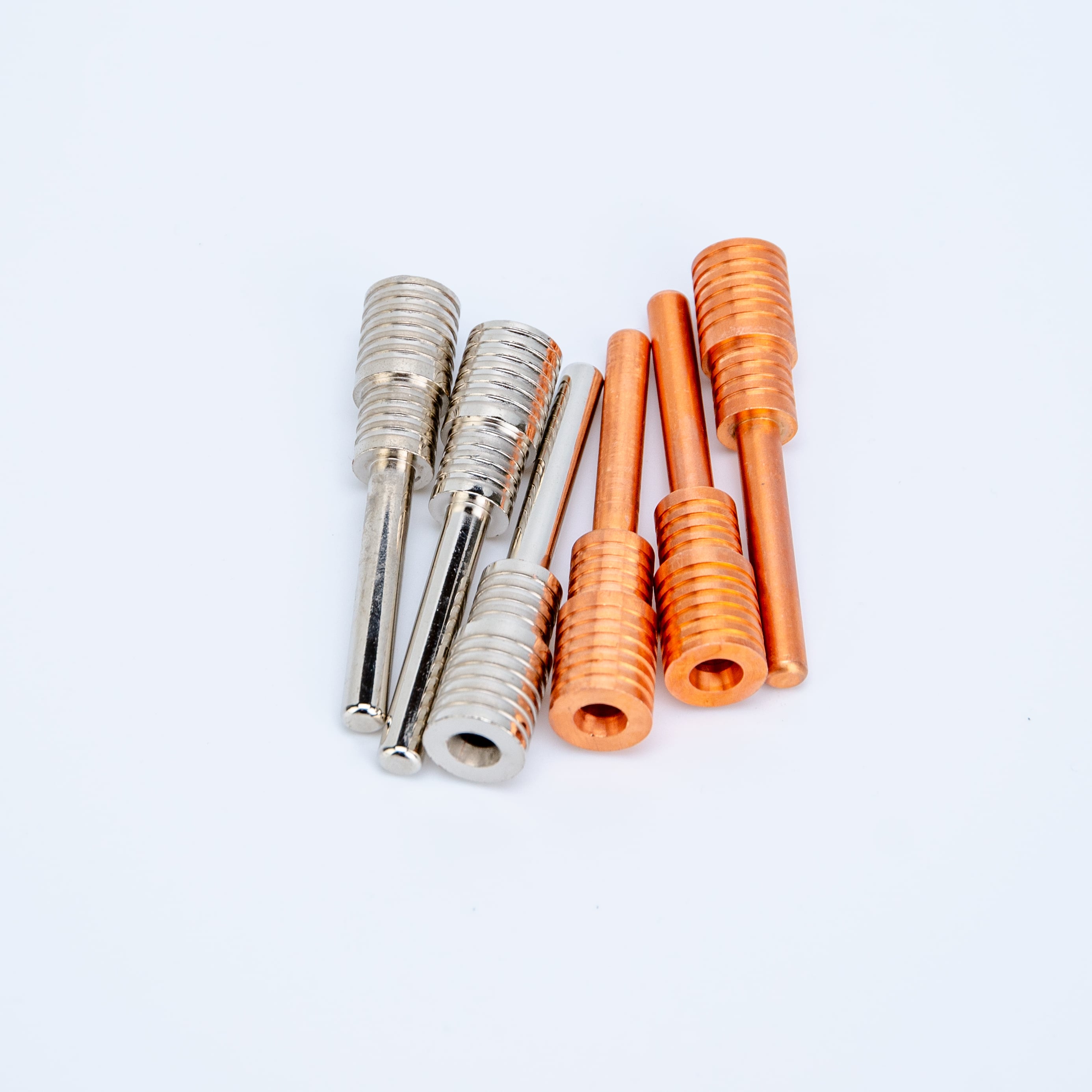
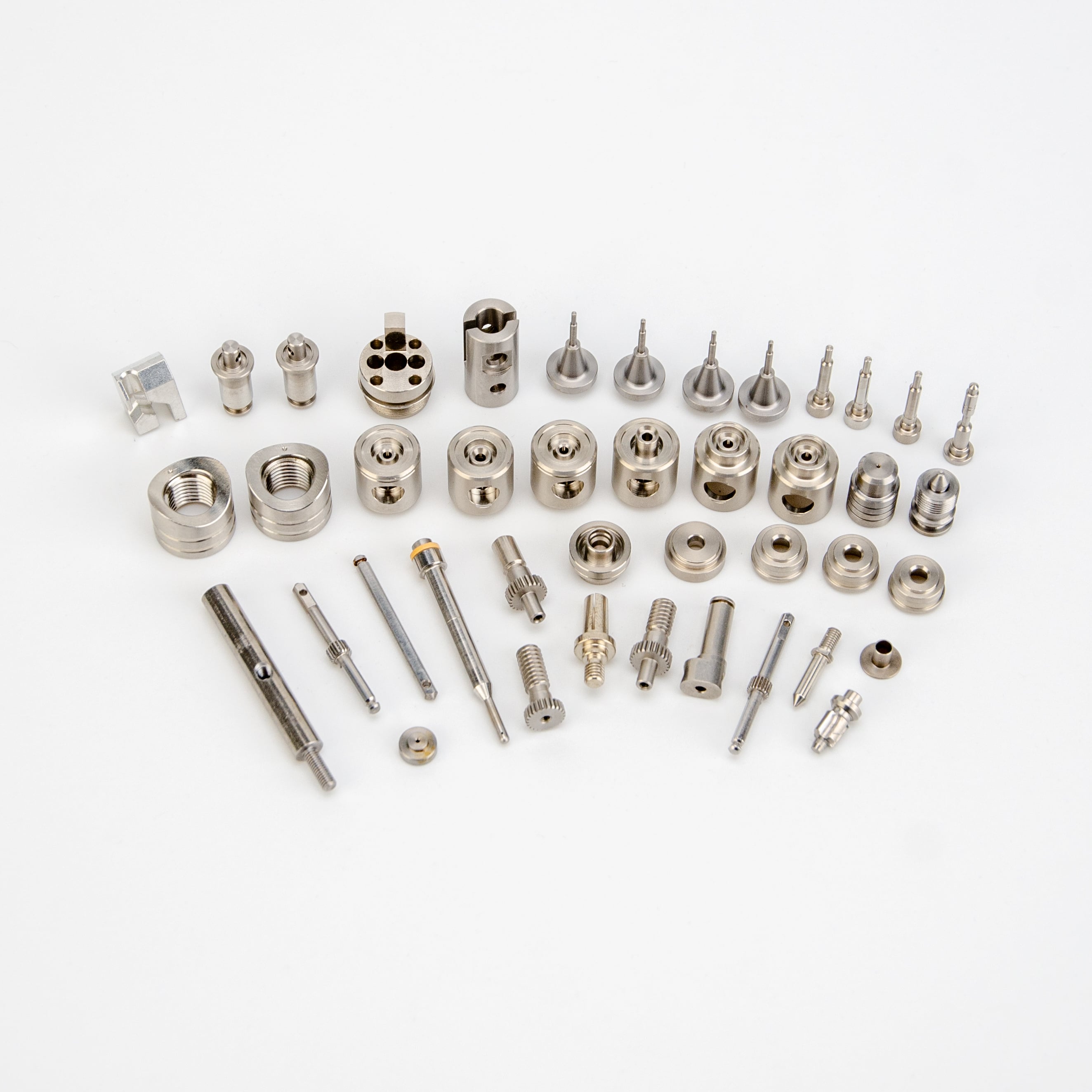
aluminum cnc turning part
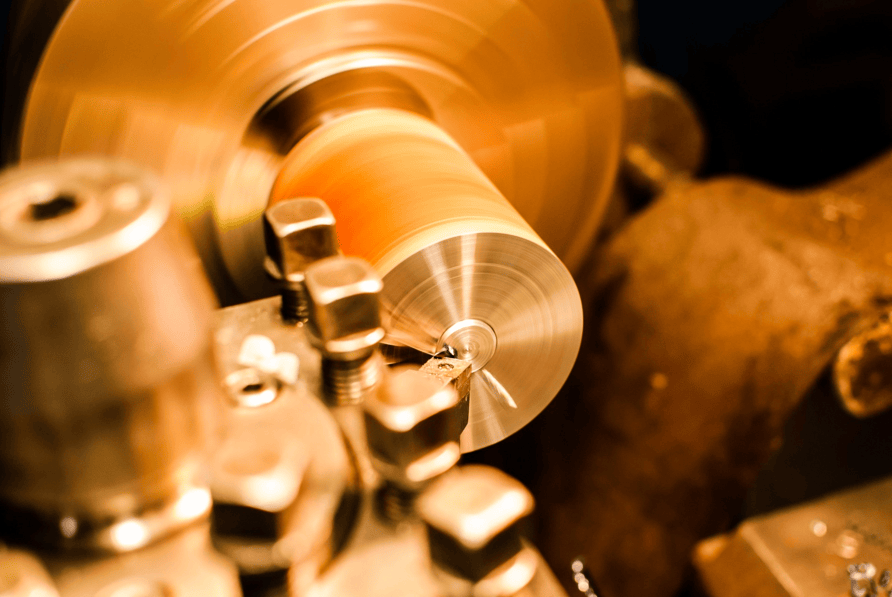
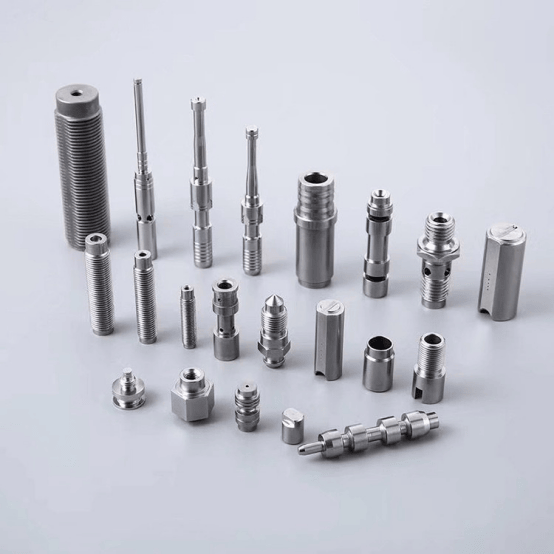
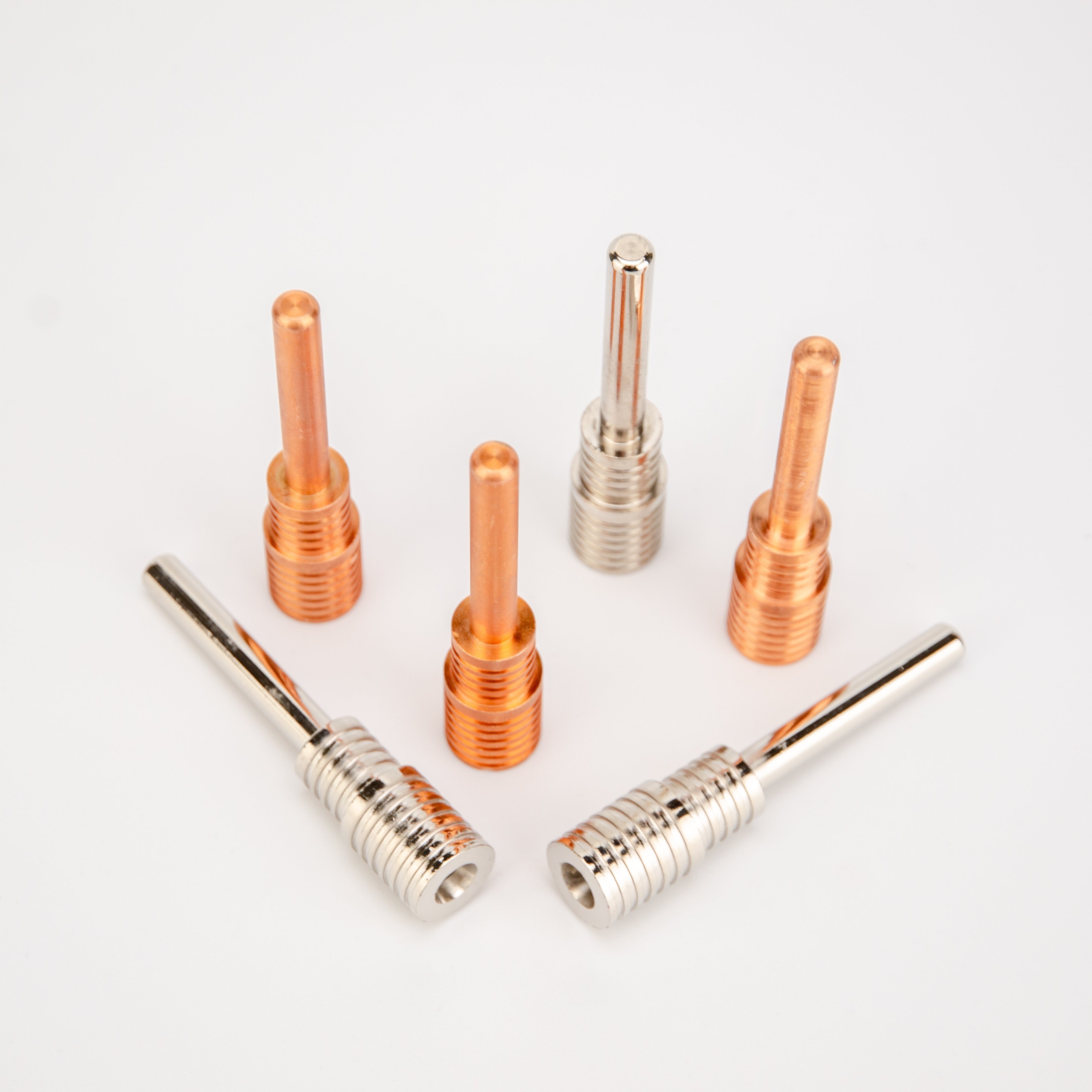
An aluminum CNC turning part represents a precision-engineered component manufactured through advanced computer numerical control machining processes. This aluminum CNC turning part is specifically designed to meet demanding industrial specifications where accuracy and repeatability are paramount. The manufacturing process involves rotating aluminum stock material against precision cutting tools, guided by computer programming to achieve exact dimensional tolerances.
The primary function of an aluminum CNC turning part is to provide components that require tight tolerances and superior surface finishes across various industries. An aluminum CNC turning part excels in applications demanding both reliability and cost-efficiency compared to alternative materials and manufacturing methods.
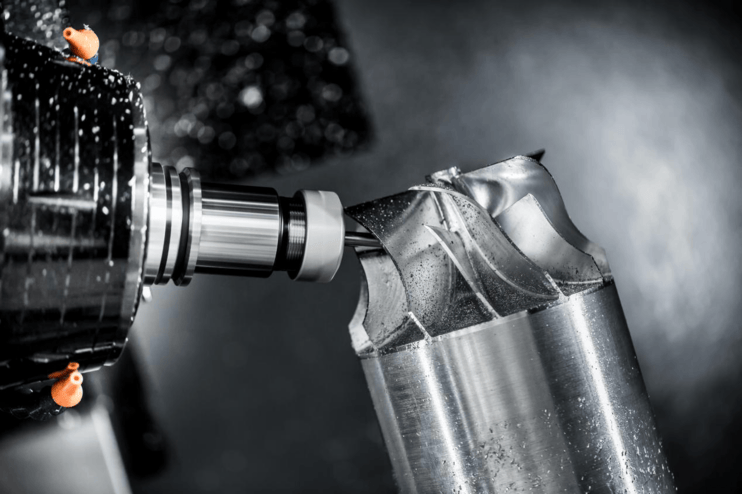
Technologically, an aluminum CNC turning part features advanced capabilities including multi-axis turning, threading operations, and complex geometric shaping. Modern CNC machines enable the production of intricate designs while maintaining consistent quality throughout production runs. The technology behind each aluminum CNC turning part ensures minimal material waste and maximum precision.
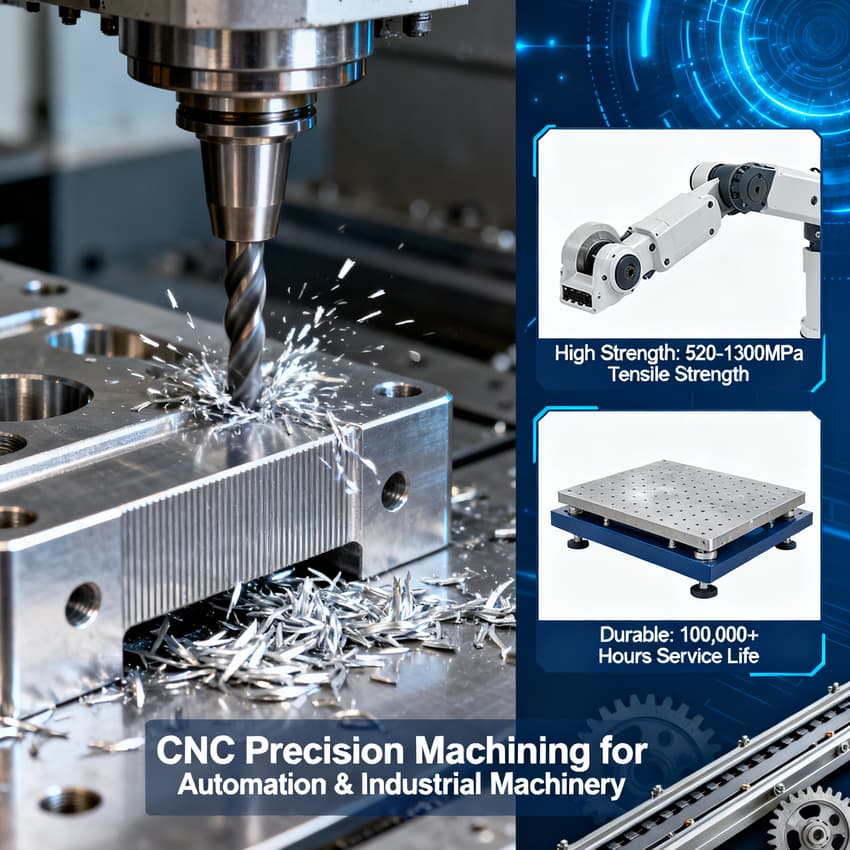
Applications for an aluminum CNC turning part span aerospace components, automotive parts, medical device housings, electronics enclosures, and telecommunications equipment. The versatility of aluminum as a material combined with CNC precision makes an aluminum CNC turning part ideal for prototyping and high-volume manufacturing. Industries requiring lightweight yet durable components particularly benefit from aluminum CNC turning part solutions. The material's excellent machinability allows for rapid production cycles while maintaining the exacting standards required in modern manufacturing environments.


 EN
EN