Premium CNC Milling Turning Machining Parts - Precision Manufacturing Solutions

All Categories

cnc milling turning machining parts

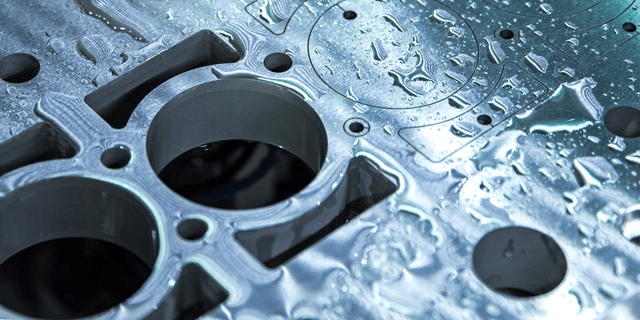
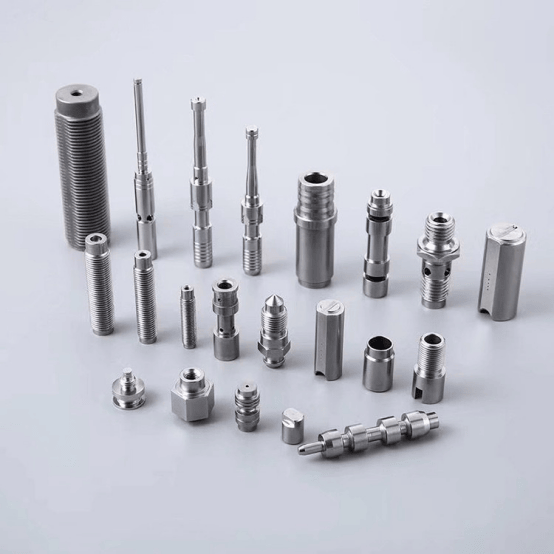
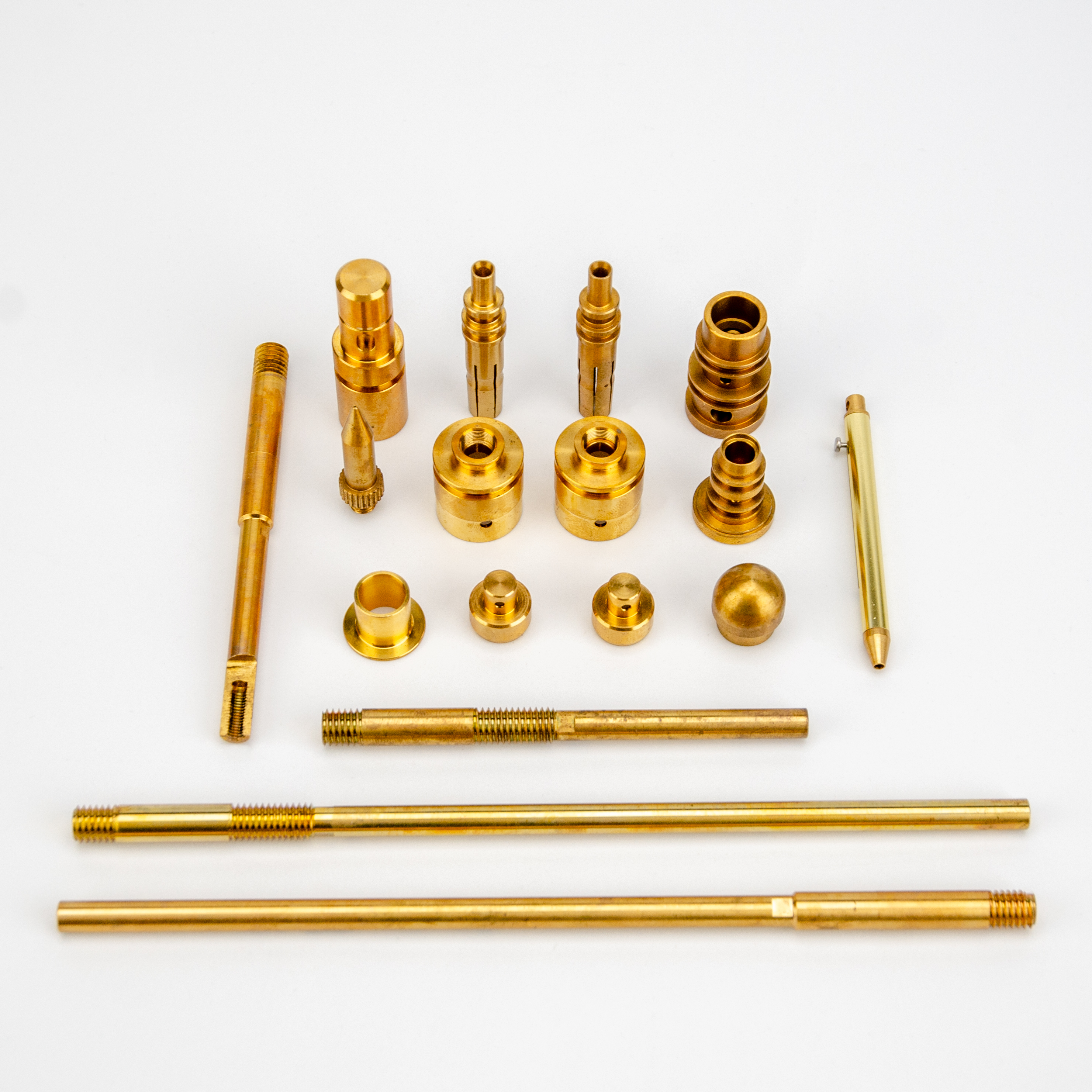
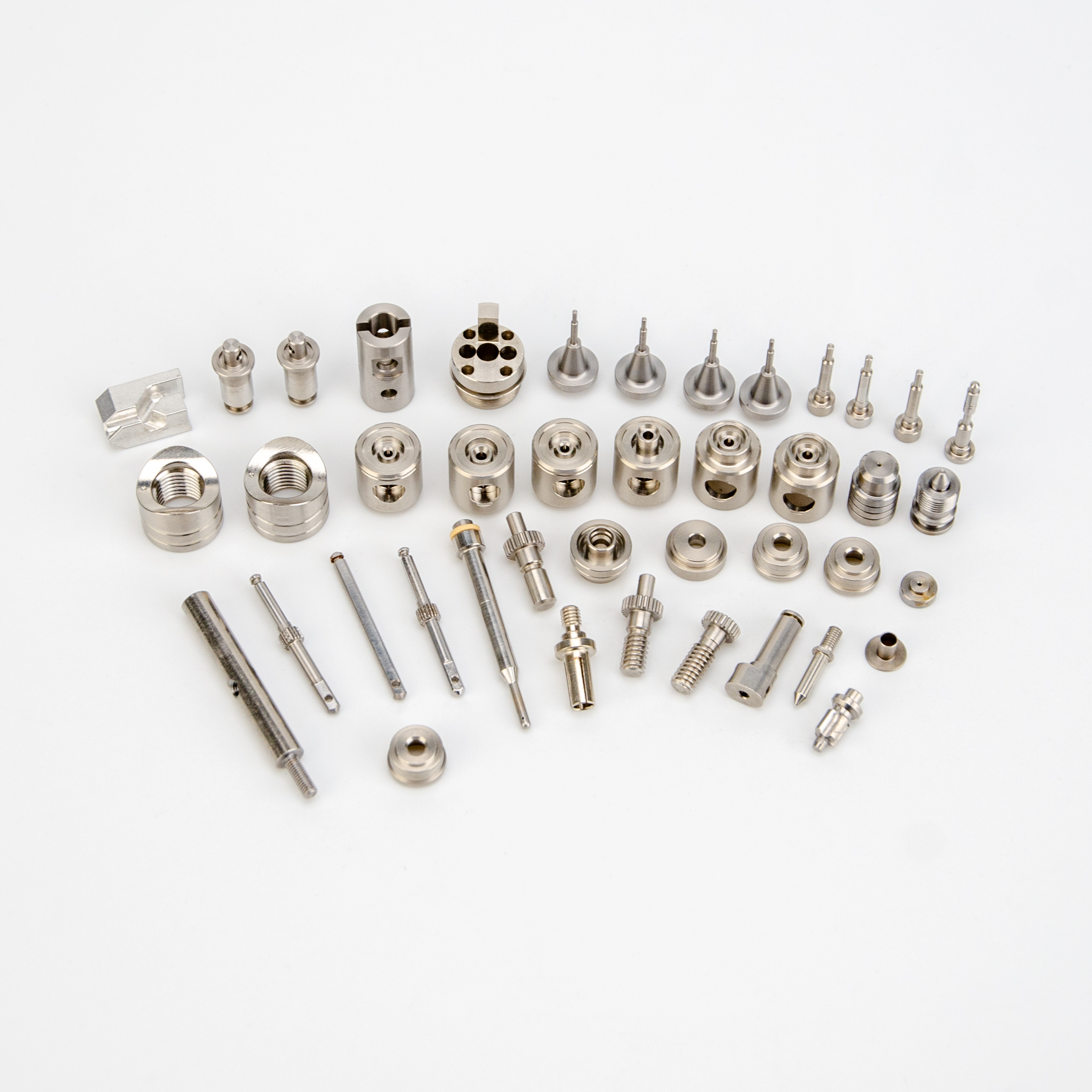
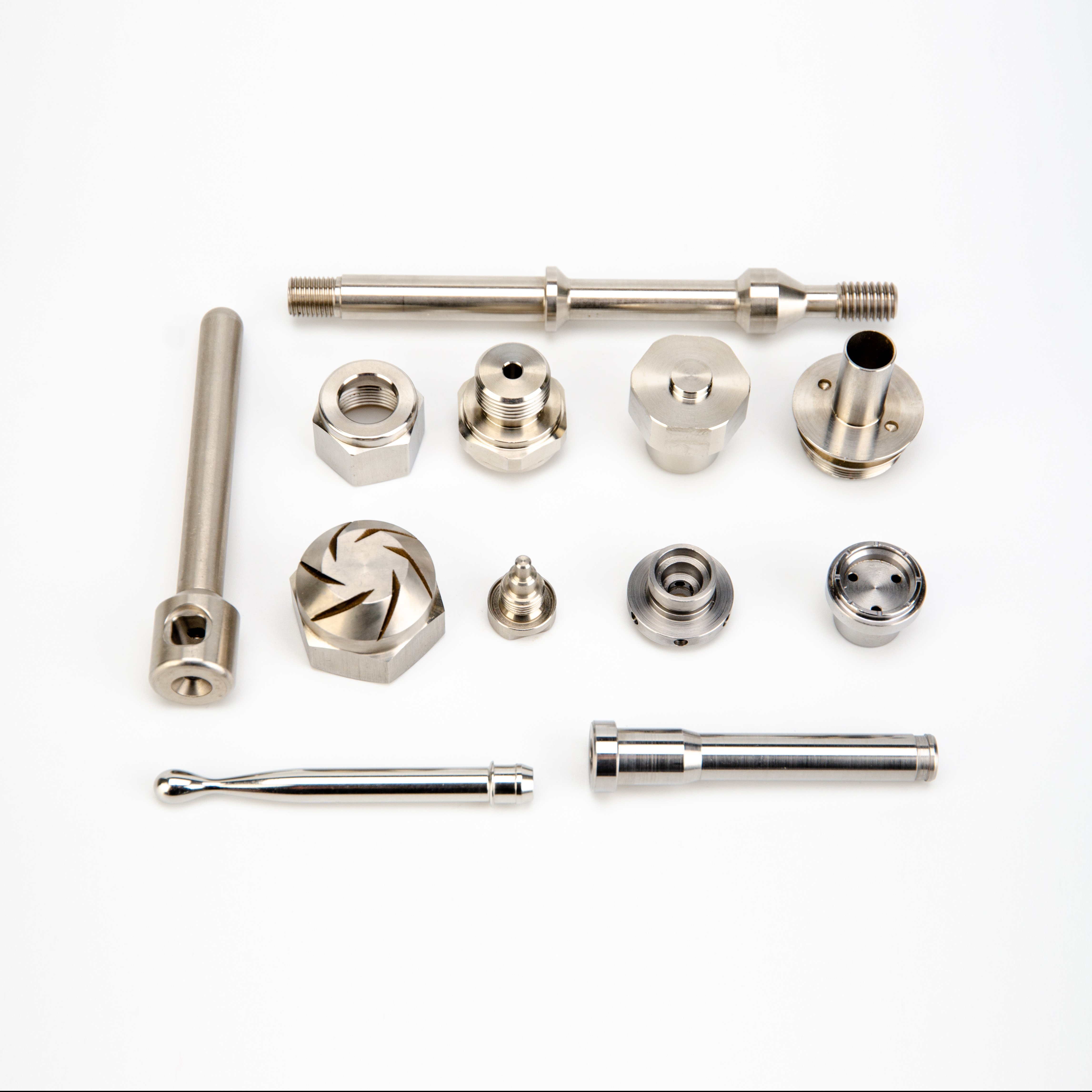
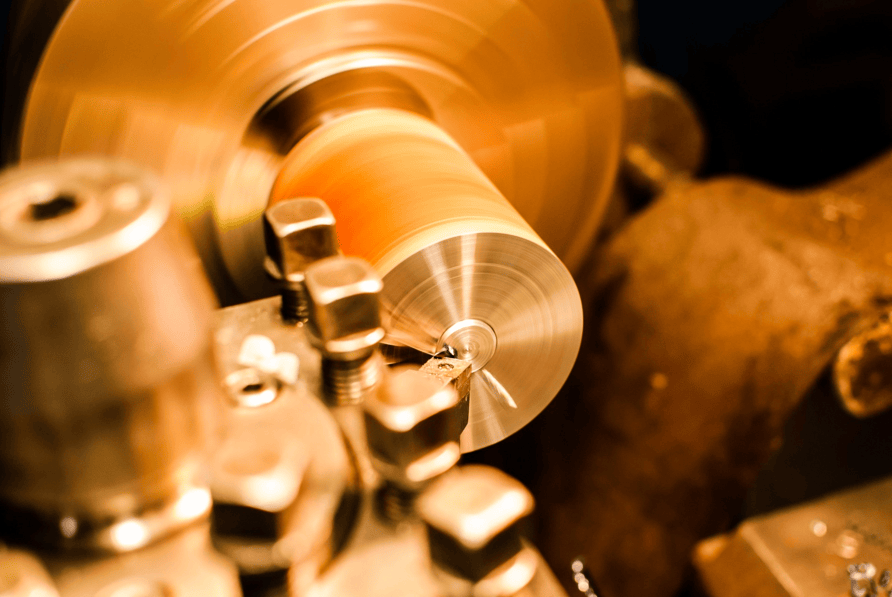
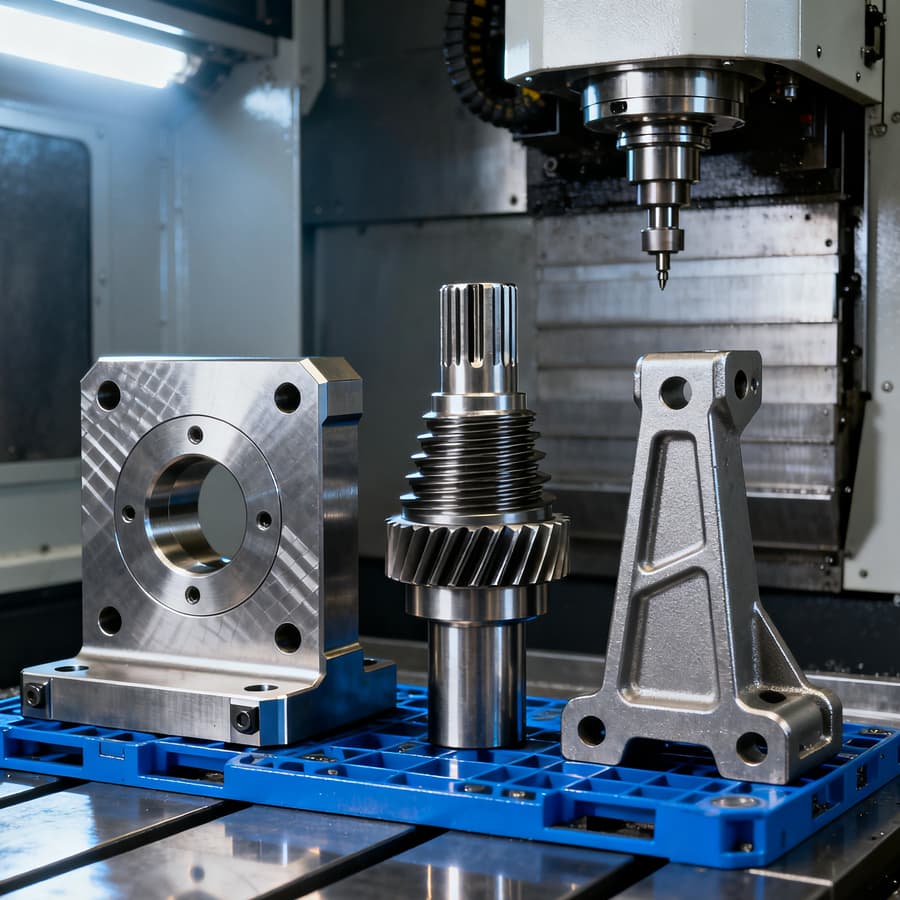
CNC milling turning machining parts represent a sophisticated manufacturing solution that combines computer-controlled precision with multi-axis machining capabilities. These advanced components are produced through state-of-the-art numerical control systems that execute complex operations with exceptional accuracy and repeatability. The integration of milling and turning processes in a single setup allows manufacturers to create intricate geometries while maintaining tight tolerances and superior surface finishes. Modern CNC milling turning machining parts serve as critical components across diverse industrial sectors, from aerospace and automotive to medical devices and electronics. The technology employs computer-aided design software to translate digital blueprints into precise cutting paths, enabling the production of complex three-dimensional shapes that would be impossible or extremely costly to achieve through conventional manufacturing methods. These machining parts are characterized by their ability to handle multiple operations simultaneously, including drilling, boring, threading, and contouring, all while maintaining consistent quality standards. The automated nature of CNC systems reduces human error and increases production efficiency, making it possible to manufacture large quantities of identical parts with minimal variation. Advanced tool management systems automatically select and change cutting tools based on programmed specifications, optimizing machining parameters for different materials and geometries. Temperature control systems ensure dimensional stability during extended machining cycles, while real-time monitoring capabilities provide immediate feedback on tool wear and part quality. The versatility of CNC milling turning machining parts extends to material compatibility, accommodating everything from aluminum and steel to exotic alloys and engineering plastics. Quality assurance protocols integrate dimensional inspection and surface roughness measurements throughout the production process, ensuring that finished parts meet stringent specification requirements before delivery to customers.

Popular Products

CNC milling turning machining parts deliver substantial cost savings through reduced labor requirements and improved material utilization rates. Companies benefit from decreased production times as automated systems operate continuously with minimal supervision, maximizing equipment utilization and throughput. The precision capabilities of these systems eliminate the need for secondary finishing operations, reducing overall manufacturing costs and delivery timeframes. Quality consistency represents another major advantage, as CNC milling turning machining parts maintain identical specifications across entire production runs, minimizing reject rates and warranty claims. This reliability translates directly into improved customer satisfaction and reduced quality control expenses. Flexibility stands out as a key competitive advantage, enabling rapid design changes and prototype development without extensive tooling modifications. Manufacturers can quickly adapt to market demands by reprogramming machine parameters rather than investing in new equipment or fixtures. The ability to machine complex geometries in single setups reduces handling time and eliminates positioning errors that commonly occur during multiple setup operations. Advanced simulation software allows engineers to optimize cutting strategies before actual production begins, preventing costly mistakes and reducing material waste. CNC milling turning machining parts support lean manufacturing principles by minimizing work-in-process inventory and enabling just-in-time delivery schedules. The technology accommodates both high-volume production runs and small batch customization, providing scalability that traditional manufacturing methods cannot match. Skilled operators can manage multiple machines simultaneously, further improving labor productivity and reducing per-part costs. Environmental benefits include reduced energy consumption through optimized cutting parameters and decreased material waste through precise stock removal calculations. Documentation capabilities provide complete traceability for quality audits and regulatory compliance requirements. Real-time data collection enables predictive maintenance scheduling, preventing unexpected downtime and maintaining consistent production schedules. The technology supports sustainable manufacturing practices through efficient resource utilization and reduced environmental impact compared to conventional machining methods.

Practical Tips

The cleaning of precision components is crucial to ensuring their smoothness and functionality.

29

Nov

The cleaning of precision components is crucial to ensuring their smoothness and functionality.

View More
Methods to Improve the Efficiency of Precision Component Processing

29

Nov

Methods to Improve the Efficiency of Precision Component Processing

View More
Kindness Warms the Heart, Responsibility in Action

29

Nov

Kindness Warms the Heart, Responsibility in Action

View More
Design Knowledge for Shaft Pin Components

29

Nov

Design Knowledge for Shaft Pin Components

View More

Get a Free Quote

Our representative will contact you soon.
Email
Name
Company Name
WhatsApp
Message
0/1000

cnc milling turning machining parts

Unmatched Precision and Surface Quality

Unmatched Precision and Surface Quality

CNC milling turning machining parts achieve exceptional dimensional accuracy and surface finish quality that exceeds traditional manufacturing capabilities. Modern computer-controlled systems maintain tolerances as tight as plus or minus 0.0001 inches, ensuring perfect fit and function in critical applications. The integration of advanced feedback systems continuously monitors cutting conditions and automatically adjusts parameters to maintain optimal surface quality throughout the machining process. This level of precision eliminates the need for extensive hand finishing or secondary operations, reducing production costs and delivery times. Surface roughness values consistently achieve Ra measurements below 32 microinches, providing smooth finishes that enhance both aesthetic appeal and functional performance. The controlled cutting environment minimizes vibration and chatter marks that typically compromise surface quality in manual operations. High-speed spindle technology enables fine surface finishes on complex geometries while maintaining rapid material removal rates. Advanced toolpath strategies distribute cutting forces evenly, preventing distortion in thin-walled components and maintaining dimensional stability. Temperature compensation systems account for thermal expansion during extended machining cycles, ensuring consistent dimensions across all produced parts. The precision capabilities of CNC milling turning machining parts support demanding applications in aerospace, medical devices, and precision instrumentation where component accuracy directly impacts system performance. Quality control integration provides real-time dimensional verification, immediately identifying and correcting any deviations from specified parameters. This continuous monitoring capability prevents the production of non-conforming parts and maintains statistical process control requirements. The combination of precision and surface quality achieved by CNC milling turning machining parts enables manufacturers to meet increasingly stringent customer requirements while maintaining competitive production costs and delivery schedules.
Enhanced Production Efficiency and Automation

Enhanced Production Efficiency and Automation

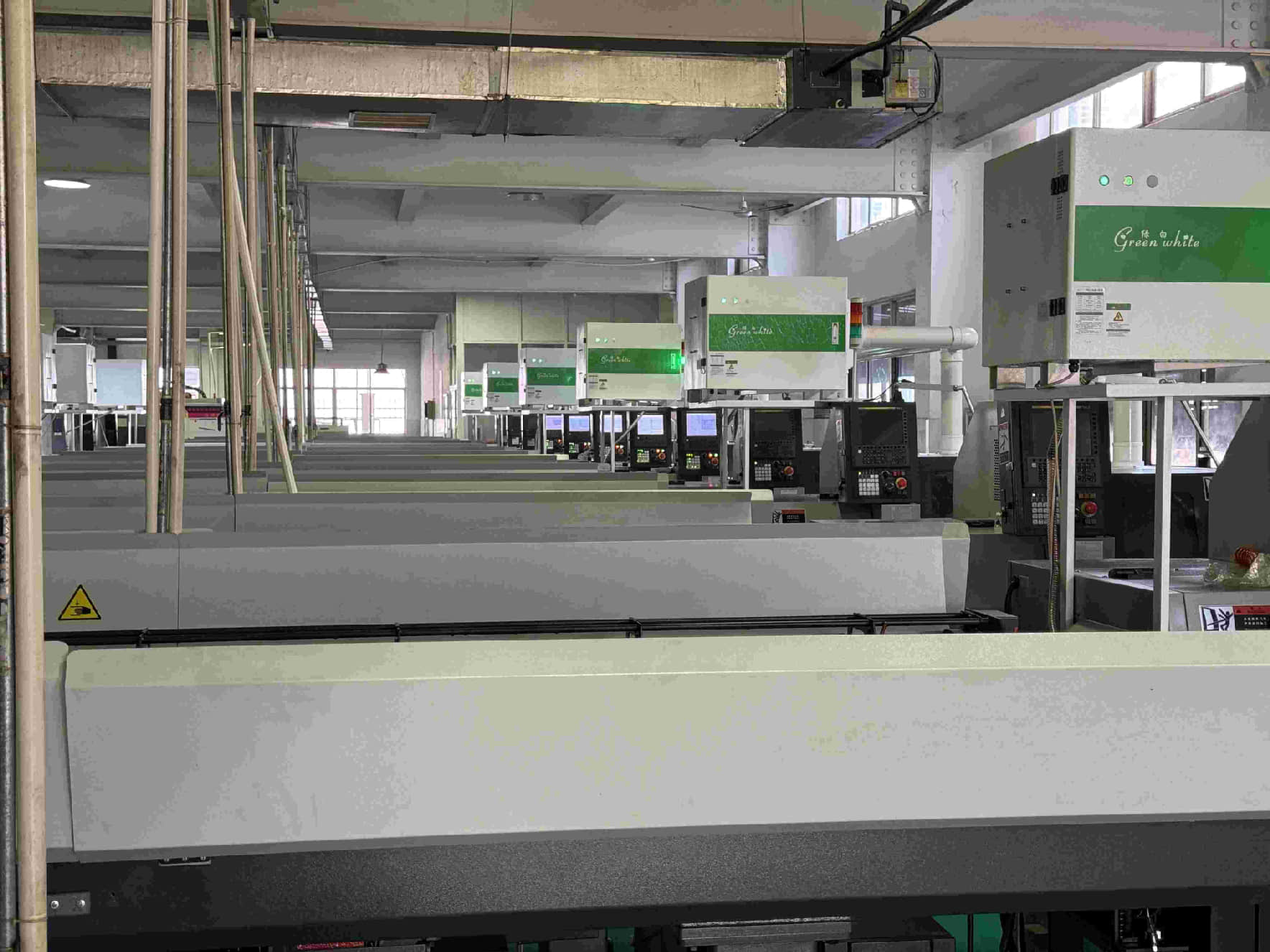
CNC milling turning machining parts revolutionize manufacturing efficiency through comprehensive automation and intelligent process optimization. Automated tool changers equipped with extensive tool libraries enable continuous operation without manual intervention, maximizing machine utilization rates and minimizing setup times. Advanced programming capabilities allow complex multi-axis operations to be completed in single setups, eliminating time-consuming part repositioning and reducing handling errors. The integration of adaptive machining technologies automatically adjusts cutting parameters based on real-time feedback from sensors monitoring cutting forces, tool wear, and dimensional accuracy. This intelligent optimization ensures consistent quality while maximizing material removal rates and extending tool life. Unattended operation capabilities enable CNC milling turning machining parts to run continuously during off-shifts, dramatically increasing daily production capacity without proportional increases in labor costs. Automated workpiece loading and unloading systems further enhance productivity by eliminating manual handling time and enabling true lights-out manufacturing. The technology supports batch processing of multiple part numbers within single production runs, accommodating mixed production requirements without significant changeover time penalties. Predictive maintenance algorithms analyze machine performance data to schedule maintenance activities during planned downtime, preventing unexpected failures that disrupt production schedules. Bar feeding systems and parts catchers enable extended unattended operation for high-volume production runs, maximizing equipment productivity and reducing per-part costs. Quality inspection integration provides automatic dimensional verification and statistical process control data collection, eliminating separate inspection operations and accelerating throughput. The efficiency gains achieved through CNC milling turning machining parts enable manufacturers to respond quickly to customer demands while maintaining competitive pricing and superior quality standards. These automation capabilities position manufacturers to capitalize on market opportunities requiring rapid scaling of production volumes.
Versatile Material Compatibility and Complex Geometry Capabilities

Versatile Material Compatibility and Complex Geometry Capabilities

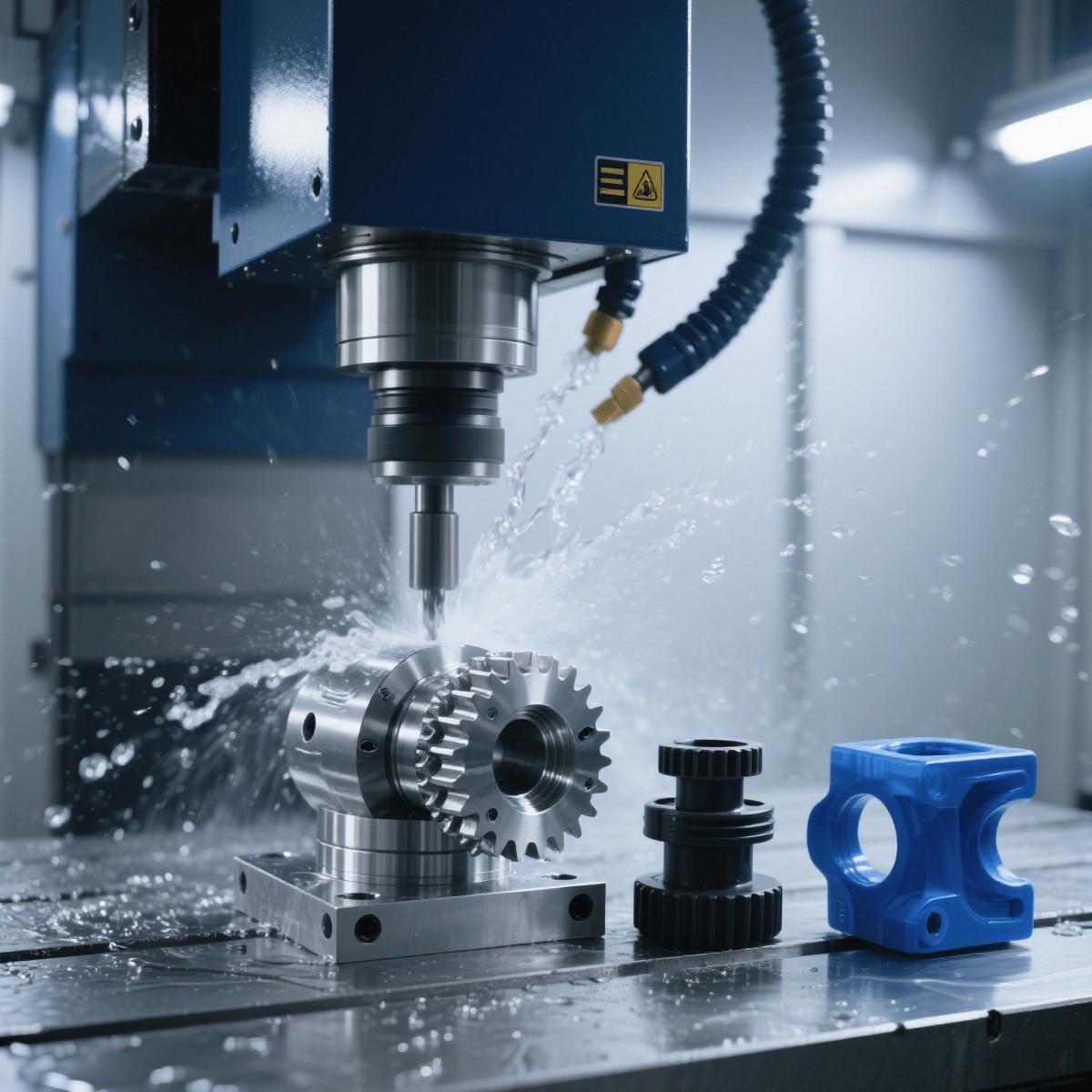
CNC milling turning machining parts excel in processing diverse materials ranging from conventional metals to advanced engineering alloys and high-performance plastics. The technology accommodates aluminum alloys, stainless steels, titanium, Inconel, and other superalloys commonly used in aerospace and medical applications. Specialized cutting tools and optimized machining parameters ensure efficient material removal and excellent surface finishes regardless of material hardness or thermal properties. Advanced cooling systems and cutting fluid delivery mechanisms prevent heat buildup that could compromise material properties or dimensional accuracy during machining operations. The multi-axis capabilities of CNC milling turning machining parts enable the production of complex three-dimensional geometries that would be impossible to achieve through conventional manufacturing methods. Simultaneous five-axis machining eliminates the need for multiple setups and special fixturing, reducing production time and improving geometric accuracy. Interpolated tool paths create smooth contours and complex curves with mathematical precision, enabling the manufacture of aerodynamic surfaces, medical implants, and artistic components with exceptional detail. Undercut machining capabilities allow the production of internal features and complex cavities that traditional methods cannot access. The technology supports the integration of multiple manufacturing processes including drilling, tapping, boring, and threading in single operations, consolidating production steps and reducing handling time. Complex part geometries benefit from advanced CAM software that optimizes tool paths to minimize cutting forces and prevent tool deflection in challenging areas. Material-specific programming libraries contain optimized cutting parameters for hundreds of different alloys and composites, ensuring efficient machining of specialized materials. The versatility of CNC milling turning machining parts enables manufacturers to expand their capabilities into new markets and applications without significant capital investment in specialized equipment. This flexibility provides competitive advantages in industries requiring rapid prototyping and low-volume production of complex components with demanding material specifications and geometric requirements.