CNC Turning Parts | Precision Machined Components

All Categories

cnc turning parts

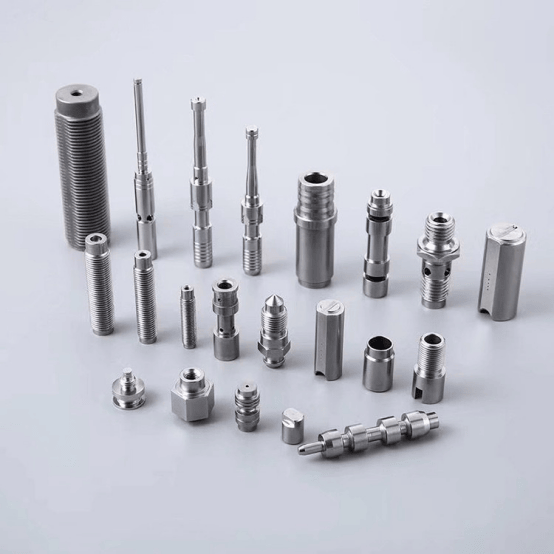
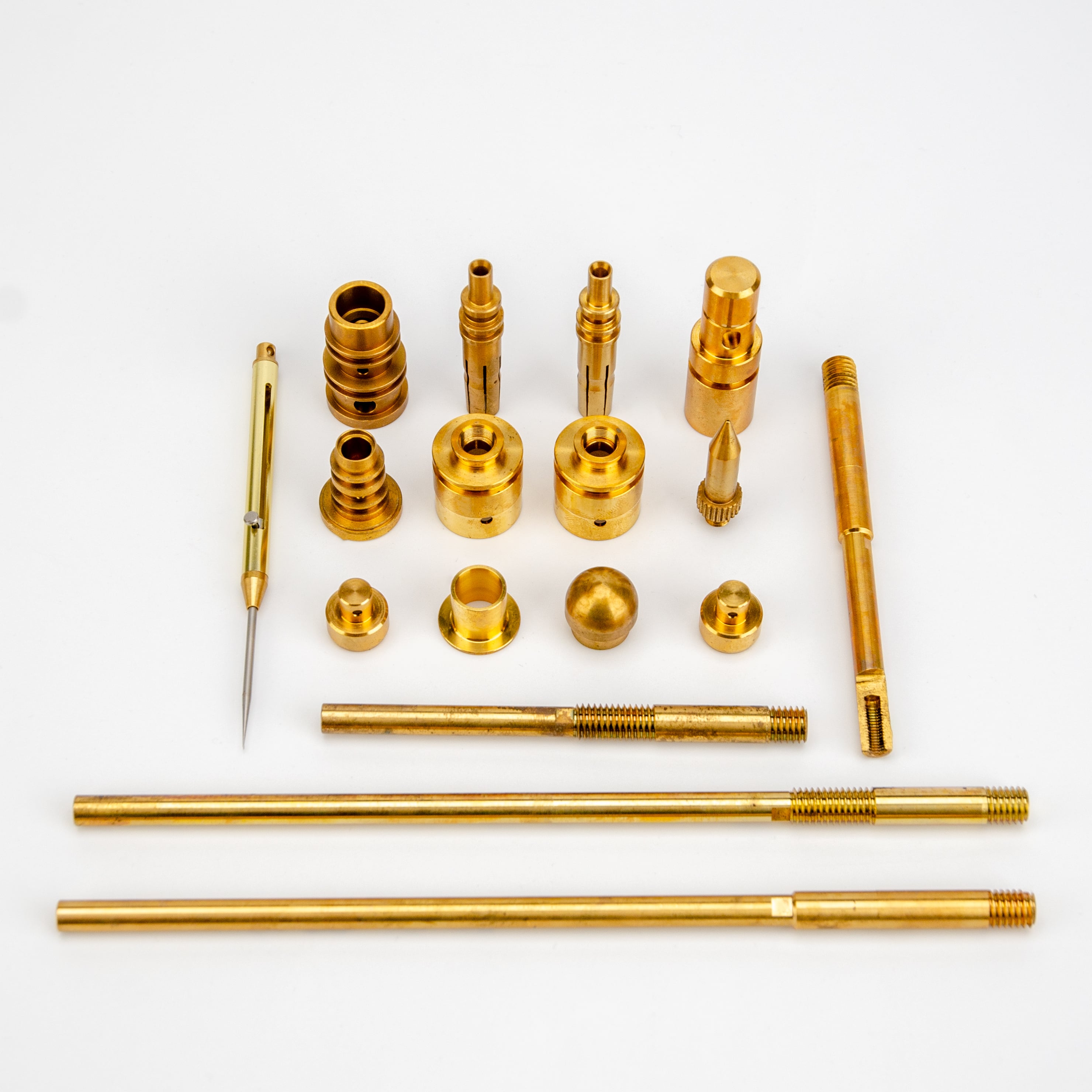
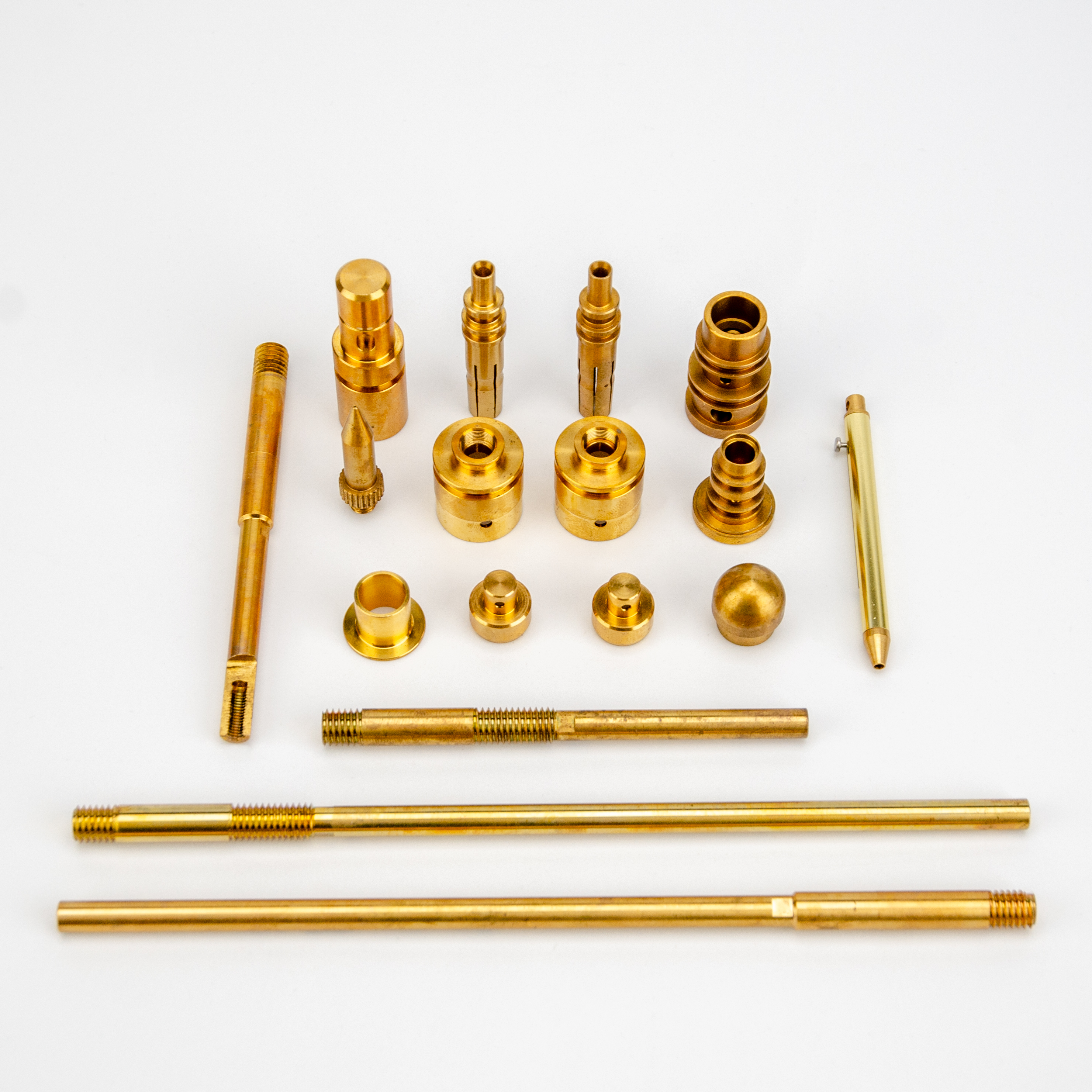
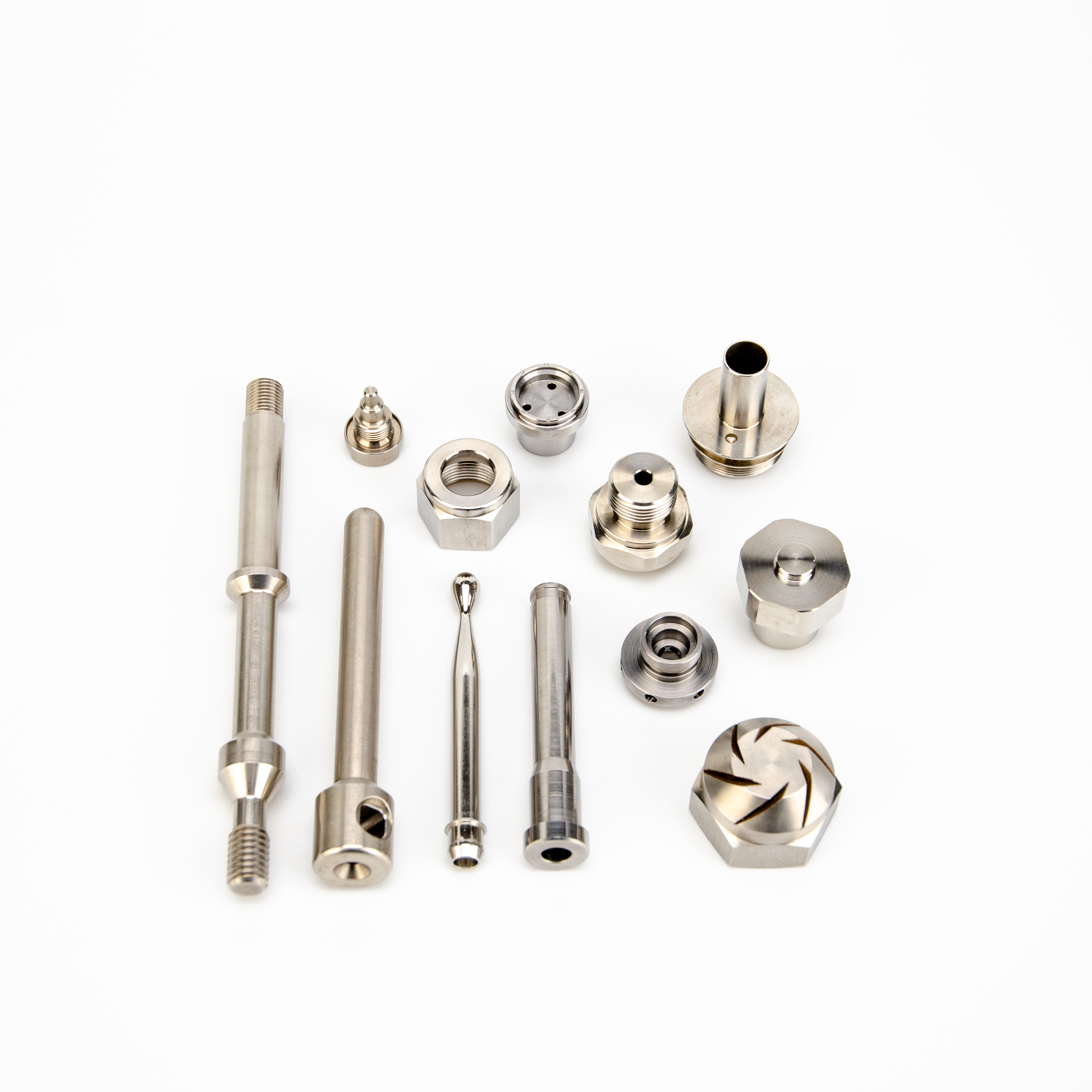
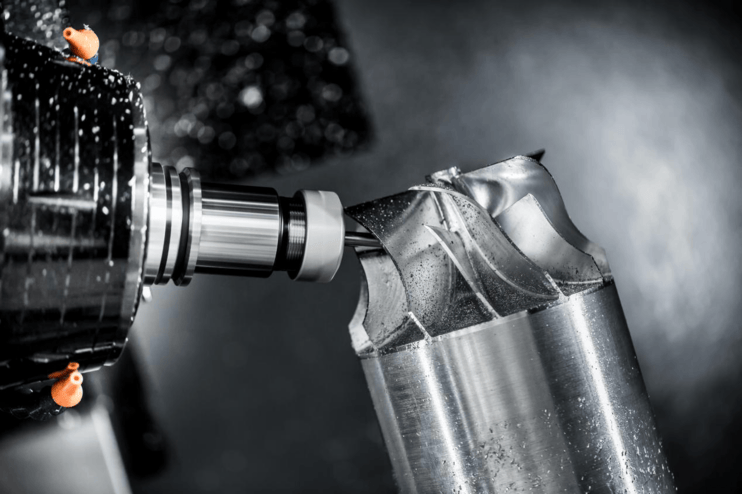
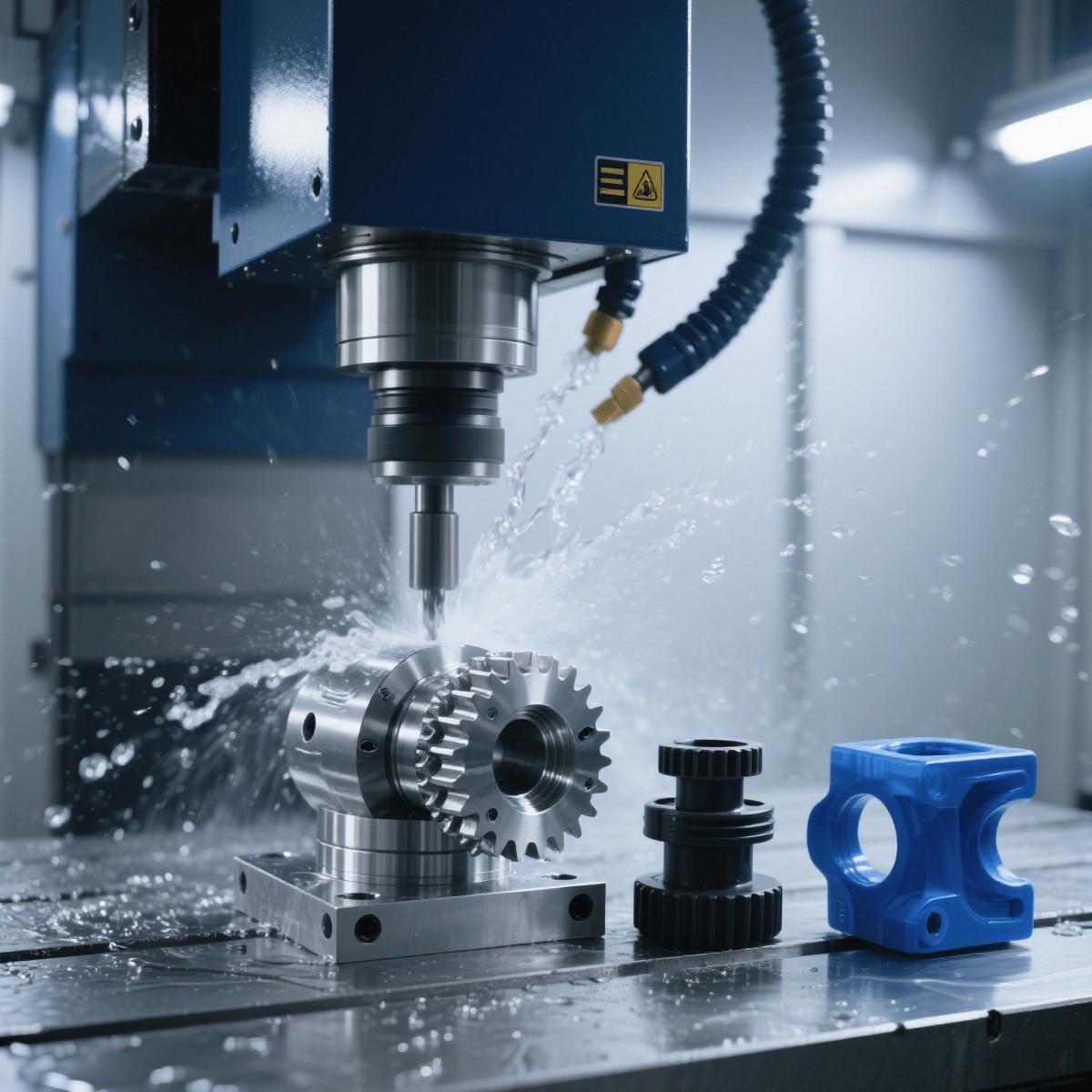
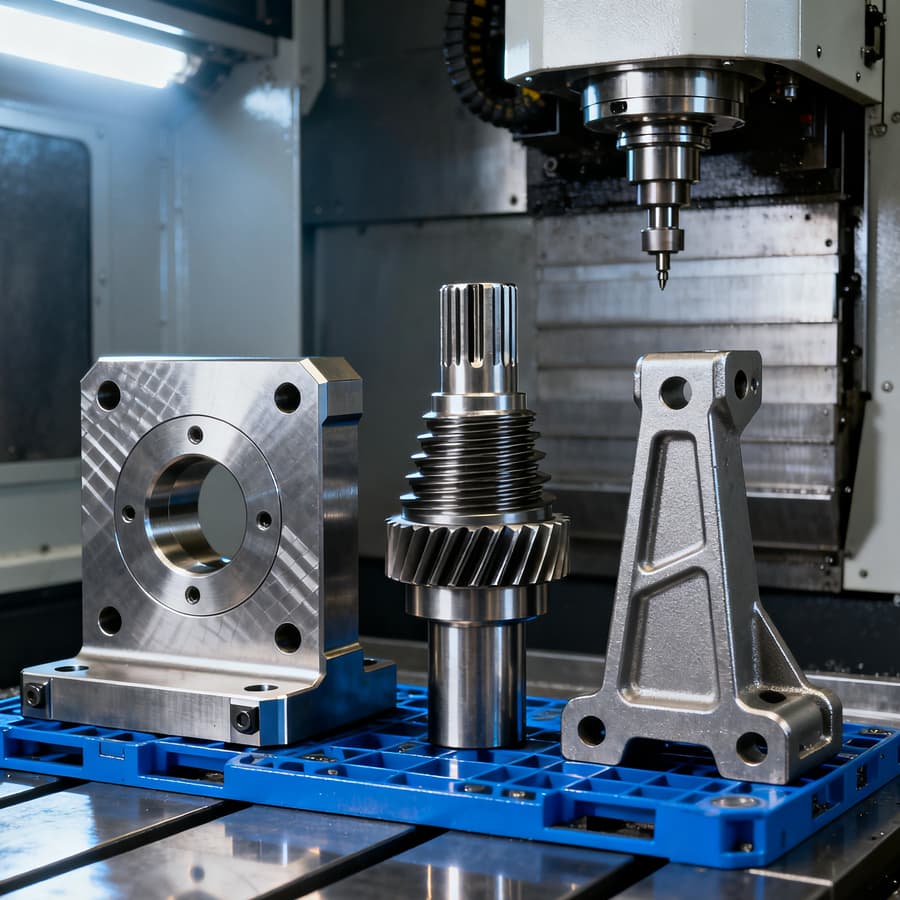
CNC turning parts represent a fundamental component in modern manufacturing, delivering precision-engineered components across diverse industrial applications. These specialized parts are produced using Computer Numerical Control technology, which automates the machining process with exceptional accuracy and consistency. CNC turning parts are manufactured through a sophisticated process where raw materials rotate against cutting tools, removing excess material to achieve desired specifications. The primary function of CNC turning parts involves creating cylindrical and tapered components with tight tolerances, meeting stringent quality requirements. The technological features of CNC turning parts include multi-axis capability, allowing simultaneous machining from multiple angles, significantly reducing production time. Advanced CNC turning parts incorporate real-time monitoring systems that detect deviations and maintain dimensional accuracy throughout the manufacturing process. These parts utilize high-speed spindle technology, enabling faster material removal rates while maintaining superior surface finishes. CNC turning parts benefit from programmable automation, which eliminates human error and ensures reproducible quality across production runs. Applications for CNC turning parts span numerous industries, including automotive, aerospace, medical device manufacturing, and industrial machinery. In the automotive sector, CNC turning parts serve as engine components, transmission shafts, and brake system elements. Aerospace industries rely on CNC turning parts for landing gear components and hydraulic system parts. Medical manufacturers use CNC turning parts for surgical instruments and diagnostic equipment components. The versatility of CNC turning parts makes them essential in contemporary manufacturing environments.
Popular Products

CNC turning parts deliver substantial operational benefits that directly enhance manufacturing efficiency and product quality. The primary advantage of CNC turning parts involves achieving exceptional dimensional precision, with tolerances reaching ±0.01 millimeters, eliminating costly rework and product failures. Customers benefit from rapid turnaround times when utilizing CNC turning parts, as automated programming reduces setup duration significantly compared to traditional machining methods. Cost efficiency represents a critical buyer value proposition for CNC turning parts. Automated production minimizes labor expenses while maximizing material utilization, reducing waste and lowering per-unit manufacturing costs. When implementing CNC turning parts, manufacturers experience improved scalability, producing identical components consistently across large production quantities without quality degradation. The reliability of CNC turning parts ensures predictable performance characteristics, supporting customers' quality assurance protocols and regulatory compliance requirements. Operational suitability makes CNC turning parts ideal for both small-batch prototyping and high-volume production runs. Manufacturers choose CNC turning parts for applications demanding intricate geometries and complex specifications that manual machining cannot achieve efficiently. The flexibility of CNC turning parts accommodates various material types, including metals, alloys, and specialty materials, addressing diverse application requirements. Decision-useful product context demonstrates that CNC turning parts significantly reduce production scheduling conflicts and equipment downtime through reliable, repeatable manufacturing processes. Additional advantages include extended tool life through optimized cutting parameters built into CNC turning parts programming, and enhanced worker safety by removing operators from dangerous cutting zones. Environmental benefits emerge from reduced material waste and energy-efficient production cycles inherent to CNC turning parts manufacturing technology.

Practical Tips

The cleaning of precision components is crucial to ensuring their smoothness and functionality.

29

Nov

The cleaning of precision components is crucial to ensuring their smoothness and functionality.

View More
Methods to Improve the Efficiency of Precision Component Processing

29

Nov

Methods to Improve the Efficiency of Precision Component Processing

View More
Kindness Warms the Heart, Responsibility in Action

29

Nov

Kindness Warms the Heart, Responsibility in Action

View More
Design Knowledge for Shaft Pin Components

29

Nov

Design Knowledge for Shaft Pin Components

View More

Get a Free Quote

Our representative will contact you soon.
Email
Name
Company Name
WhatsApp
Message
0/1000

cnc turning parts

Precision Engineering Excellence

Precision Engineering Excellence

CNC turning parts exemplify precision engineering through advanced Computer Numerical Control technology that delivers uncompromising accuracy in every component produced. The engineering excellence embedded in CNC turning parts enables manufacturers to achieve tolerances previously impossible with conventional machining techniques. Each CNC turning parts component undergoes rigorous dimensional verification, ensuring compliance with exacting industry standards and customer specifications. The precision capabilities of CNC turning parts make them indispensable for industries where performance directly impacts safety and reliability, such as aerospace and medical device manufacturing. By selecting CNC turning parts, customers gain competitive advantages through superior product quality and reduced warranty claims. The investment in CNC turning parts technology pays dividends through improved customer satisfaction and enhanced market reputation, positioning manufacturers as providers of dependable, high-quality solutions.
Cost-Effective Production Solutions

Cost-Effective Production Solutions

Manufacturing CNC turning parts through automated processes delivers remarkable cost savings without compromising quality standards. The efficiency of CNC turning parts production reduces labor requirements, minimizing operational expenses while maintaining consistent output quality. Customers selecting CNC turning parts benefit from economies of scale, where increased production volumes drive per-unit costs downward significantly. Material optimization within CNC turning parts production minimizes scrap rates and waste, directly improving profitability margins. The versatility of CNC turning parts accommodates diverse production requirements, from prototype development to large-scale manufacturing, providing financial flexibility. Implementing CNC turning parts eliminates expensive tool changeovers and manual adjustments, streamlining workflows and accelerating product delivery timelines. By investing in CNC turning parts manufacturing capabilities, companies achieve superior return on investment while maintaining competitive pricing structures that attract customers seeking value-driven solutions.
Reliability and Consistency

Reliability and Consistency

CNC turning parts demonstrate exceptional reliability through automated manufacturing processes that eliminate human variables and ensure consistent performance across production batches. The dependability of CNC turning parts stems from programmable precision, where identical specifications apply to every component manufactured, guaranteeing interchangeability and compatibility. Customers utilizing CNC turning parts experience reduced defect rates and minimal rework requirements, translating directly into operational efficiency gains. The consistency of CNC turning parts manufacturing supports supply chain predictability, enabling manufacturers to meet delivery commitments reliably. Industries dependent on CNC turning parts, including automotive and medical sectors, benefit from assured performance characteristics that satisfy stringent regulatory requirements and certification standards. The repeatability inherent to CNC turning parts production builds customer confidence and fosters long-term partnerships based on proven reliability. By selecting CNC turning parts suppliers with established quality histories, manufacturers secure components that perform consistently throughout their operational lifecycles.