Premium Aluminum Parts CNC Turning Services - Precision Manufacturing Solutions

All Categories

aluminum parts cnc turning

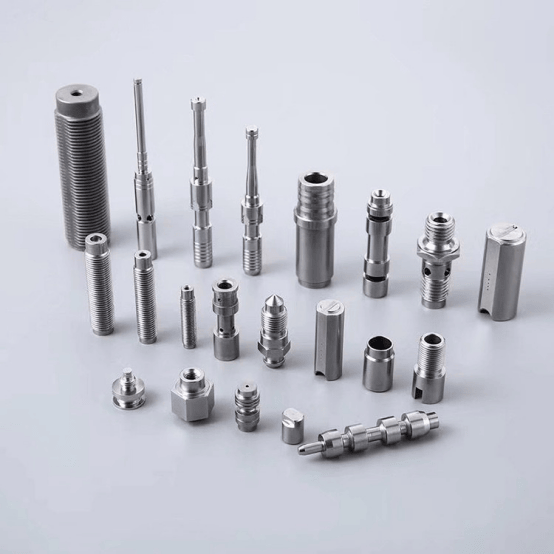
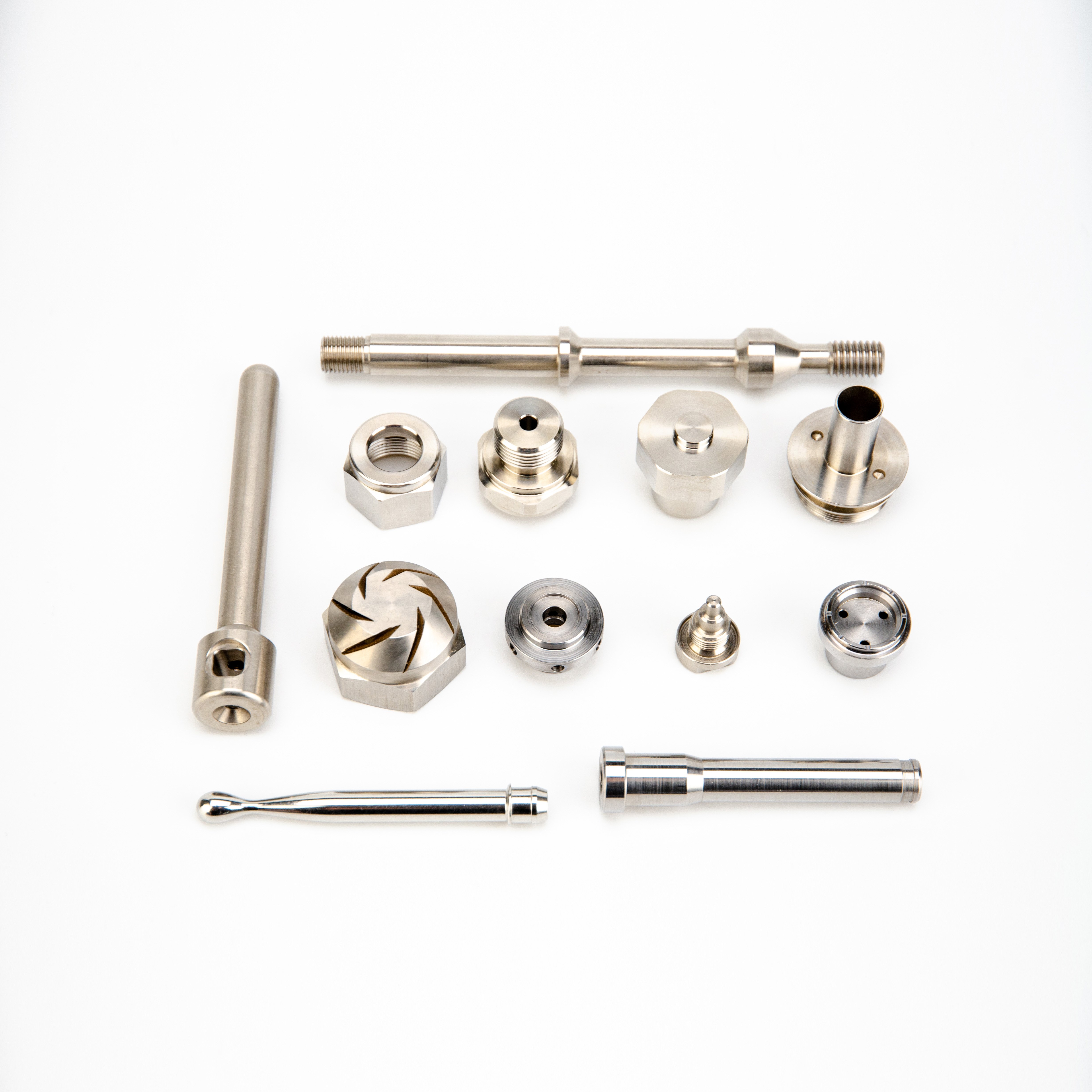
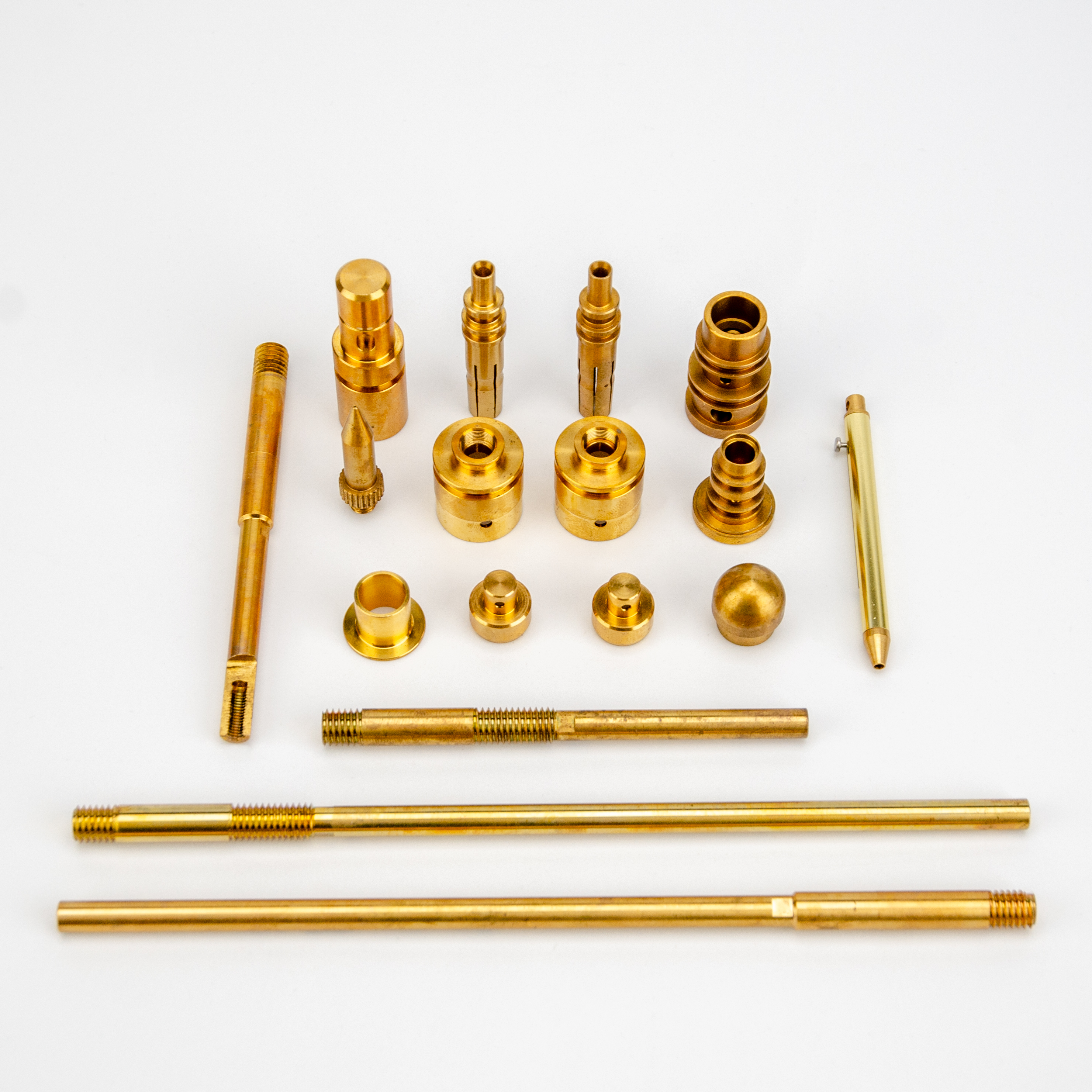
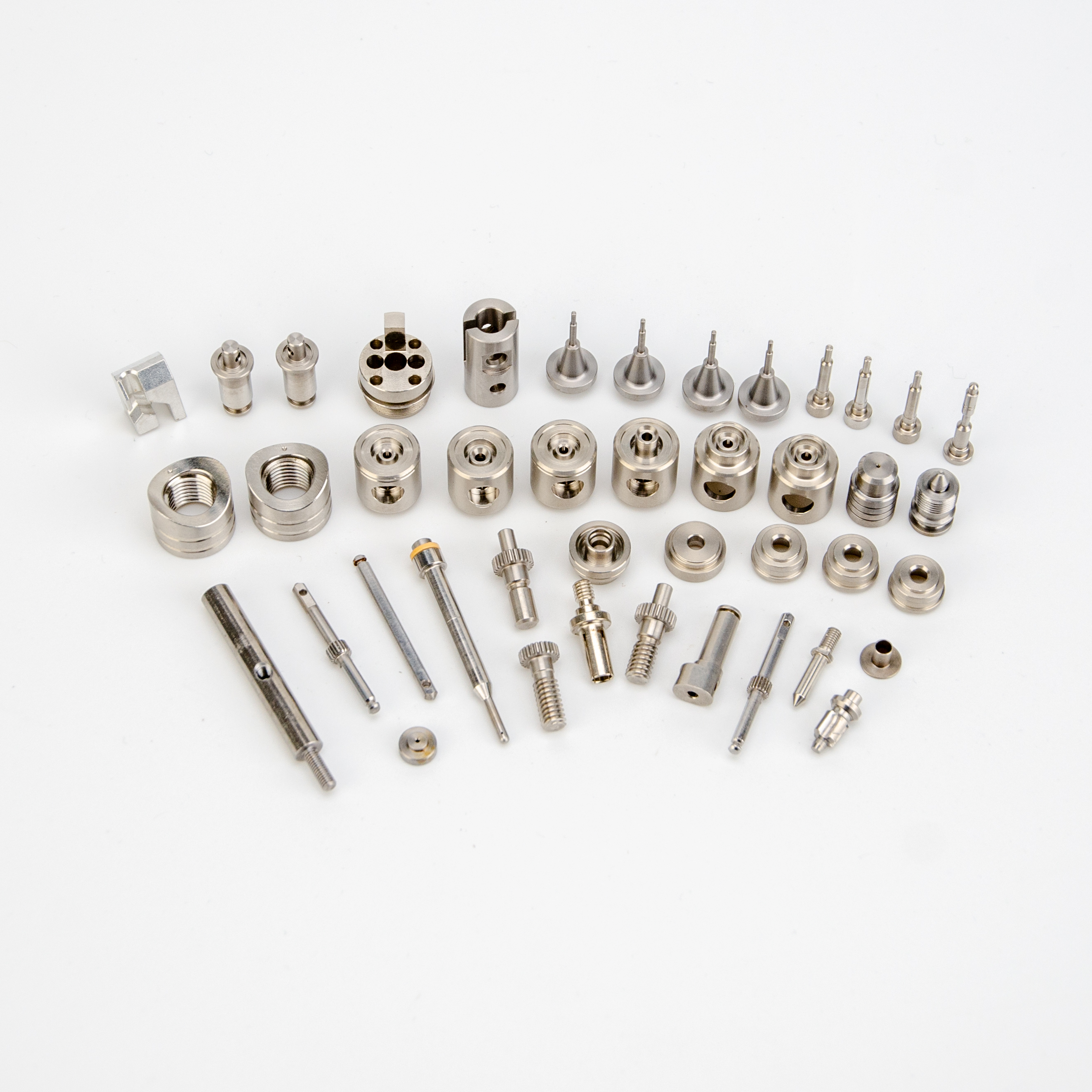
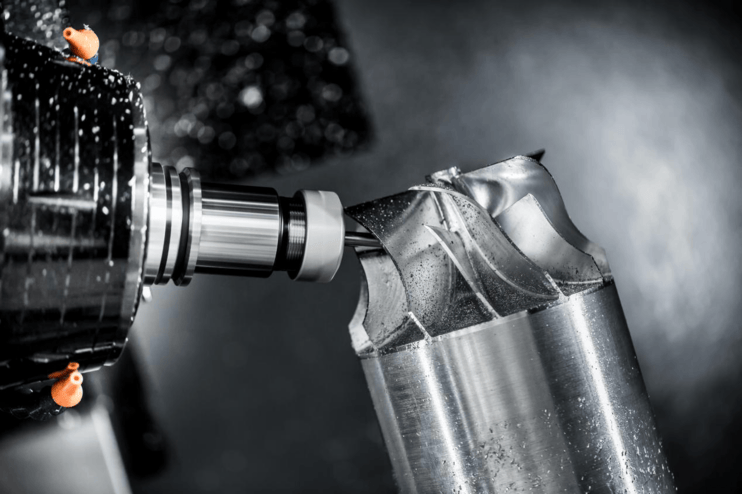
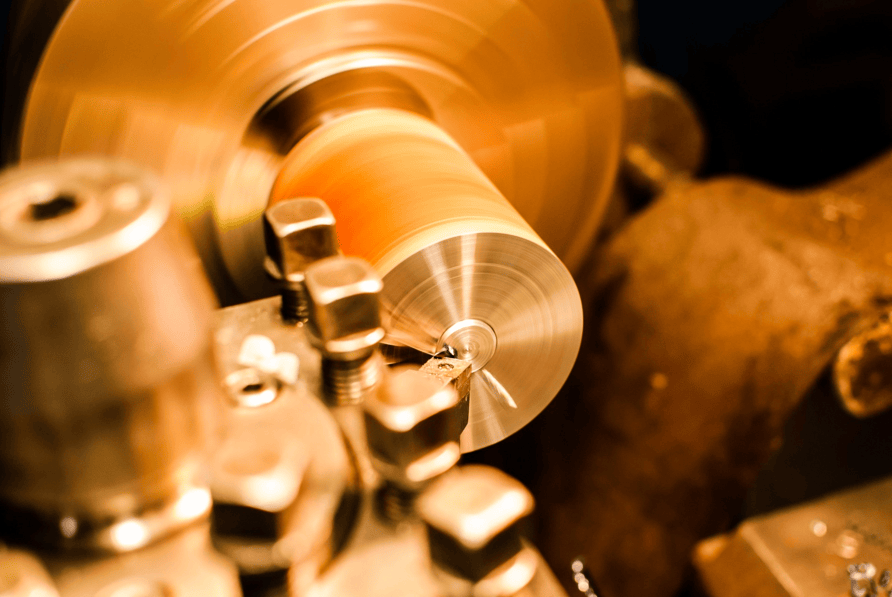
Aluminum parts CNC turning represents a sophisticated manufacturing process that combines the inherent benefits of aluminum materials with the precision capabilities of computer numerical control machining technology. This advanced manufacturing method involves the rotation of aluminum workpieces on a lathe while cutting tools remove material to create precise cylindrical, conical, or complex geometric shapes. The process utilizes computer-controlled machinery to ensure exceptional accuracy and repeatability in production. The main functions of aluminum parts CNC turning encompass the creation of shafts, pins, bushings, connectors, housings, and various cylindrical components that require tight tolerances and superior surface finishes. The technological features of this process include multi-axis capabilities that allow for complex geometries, automatic tool changers that enhance efficiency, and real-time monitoring systems that maintain quality standards throughout production. Modern CNC turning centers can achieve tolerances as tight as ±0.001 inches while maintaining excellent surface roughness values. The applications for aluminum parts CNC turning span numerous industries including aerospace, automotive, electronics, medical devices, telecommunications, and consumer goods manufacturing. In aerospace applications, these components serve as critical structural elements, while in automotive manufacturing, they form essential engine and transmission components. The electronics industry relies on aluminum CNC turned parts for heat sinks, enclosures, and connector components. Medical device manufacturers utilize this technology to produce surgical instruments and implantable components that meet stringent regulatory requirements. The versatility of aluminum parts CNC turning makes it an indispensable manufacturing solution for companies requiring high-quality, precision-machined components with excellent strength-to-weight ratios and corrosion resistance properties.

New Product Releases

Aluminum parts CNC turning offers numerous compelling advantages that make it an optimal choice for precision manufacturing applications across diverse industries. The primary benefit lies in the exceptional dimensional accuracy achievable through computer-controlled machining processes, which consistently deliver parts within extremely tight tolerances while maintaining superior surface finishes. This precision eliminates the need for extensive secondary operations, reducing overall production costs and lead times significantly. The lightweight nature of aluminum combined with its excellent strength characteristics provides manufacturers with components that offer outstanding performance-to-weight ratios, making them ideal for applications where weight reduction is critical without compromising structural integrity. Cost-effectiveness represents another major advantage, as aluminum material costs remain relatively affordable compared to other metals, while the CNC turning process minimizes material waste through precise cutting strategies and optimal tool paths. The speed of production achievable with modern CNC turning equipment allows for rapid prototyping and high-volume manufacturing runs, enabling companies to meet tight delivery schedules while maintaining consistent quality standards. Aluminum parts CNC turning also provides excellent corrosion resistance properties, making these components suitable for harsh environmental conditions without requiring additional protective coatings or treatments. The process offers remarkable design flexibility, allowing engineers to create complex geometries, intricate features, and custom specifications that would be difficult or impossible to achieve through conventional manufacturing methods. Material compatibility extends beyond standard aluminum grades to include specialized alloys engineered for specific applications, such as aerospace-grade materials or food-safe compositions. Quality consistency remains a cornerstone advantage, as CNC turning eliminates human error variables and ensures that every part meets identical specifications throughout production runs. The scalability of aluminum parts CNC turning accommodates both prototype quantities and large-scale manufacturing volumes, providing businesses with flexible production solutions that can adapt to changing market demands. Additionally, the process generates minimal environmental impact through efficient material utilization and recyclable aluminum waste, supporting sustainable manufacturing practices while reducing overall production costs.

Practical Tips

The cleaning of precision components is crucial to ensuring their smoothness and functionality.

29

Nov

The cleaning of precision components is crucial to ensuring their smoothness and functionality.

View More
Methods to Improve the Efficiency of Precision Component Processing

29

Nov

Methods to Improve the Efficiency of Precision Component Processing

View More
Kindness Warms the Heart, Responsibility in Action

29

Nov

Kindness Warms the Heart, Responsibility in Action

View More
Design Knowledge for Shaft Pin Components

29

Nov

Design Knowledge for Shaft Pin Components

View More

Get a Free Quote

Our representative will contact you soon.
Email
Name
Company Name
WhatsApp
Message
0/1000

aluminum parts cnc turning

Superior Precision and Surface Quality Excellence

Superior Precision and Surface Quality Excellence

Aluminum parts CNC turning delivers unmatched precision capabilities that set new standards for manufacturing excellence in today's competitive marketplace. The computer-controlled nature of this process ensures that every component meets exact specifications with tolerances achievable down to ±0.0005 inches, far exceeding what traditional machining methods can accomplish. This extraordinary precision stems from the elimination of human error variables and the implementation of advanced feedback systems that continuously monitor and adjust cutting parameters in real-time. The surface quality achieved through aluminum parts CNC turning is exceptional, typically ranging from 32 to 125 micro-inches Ra, which often eliminates the need for additional finishing operations and reduces overall production costs. Modern CNC turning centers employ sophisticated vibration dampening systems and rigid machine structures that minimize tool chatter and ensure consistent surface finishes across entire production runs. The precision capabilities extend beyond simple dimensional accuracy to include complex geometric features such as threads, grooves, chamfers, and intricate contours that maintain their specified dimensions throughout the machining process. Quality control systems integrated into CNC turning equipment provide continuous monitoring of critical dimensions, automatically compensating for tool wear and thermal expansion to maintain consistent part quality. This level of precision proves invaluable for applications requiring perfect fit and function, such as aerospace components where dimensional variations can compromise safety and performance. The repeatability of aluminum parts CNC turning ensures that parts produced months apart will maintain identical specifications, supporting lean manufacturing principles and just-in-time delivery requirements. Advanced tooling technologies, including carbide inserts and specialized coatings, further enhance precision capabilities while extending tool life and reducing production costs. The precision achieved through aluminum parts CNC turning eliminates the guesswork associated with manual machining operations and provides manufacturers with the confidence that every part will meet stringent quality requirements without extensive inspection and rework procedures.
Exceptional Material Properties and Performance Benefits

Exceptional Material Properties and Performance Benefits

Aluminum parts CNC turning leverages the outstanding material properties of aluminum alloys to deliver components that excel in demanding applications across multiple industries. The inherent characteristics of aluminum, including its excellent strength-to-weight ratio, make it an ideal choice for applications where weight reduction directly impacts performance and efficiency. Aluminum parts produced through CNC turning typically weigh 60-70 percent less than comparable steel components while maintaining sufficient strength for most structural applications. The corrosion resistance properties of aluminum ensure that CNC turned parts perform reliably in challenging environmental conditions without requiring additional protective treatments or coatings. This natural resistance to oxidation and chemical degradation translates into longer service life and reduced maintenance requirements for end-use applications. Thermal conductivity represents another significant advantage, as aluminum parts CNC turning produces components that effectively dissipate heat in electronic and mechanical applications, preventing overheating and extending equipment life. The electrical conductivity of aluminum makes these CNC turned parts valuable for electrical and electronic applications where efficient current flow is essential for optimal performance. Machinability characteristics of aluminum allow for higher cutting speeds and feed rates compared to other metals, resulting in shorter production cycles and reduced manufacturing costs. The material flexibility of aluminum enables the production of both thin-walled precision components and robust structural elements through the same CNC turning process. Aluminum alloys used in CNC turning can be heat-treated to achieve specific mechanical properties tailored to application requirements, providing engineers with the flexibility to optimize performance characteristics. The recyclability of aluminum supports environmental sustainability initiatives while maintaining material properties through multiple recycling cycles, making aluminum parts CNC turning an environmentally responsible manufacturing choice. Fatigue resistance properties ensure that aluminum CNC turned parts maintain their structural integrity under cyclic loading conditions, making them suitable for dynamic applications in automotive and aerospace industries.
Cost-Effective Production and Manufacturing Efficiency

Cost-Effective Production and Manufacturing Efficiency

Aluminum parts CNC turning provides exceptional value through cost-effective production methods that optimize manufacturing efficiency while maintaining superior quality standards. The economic advantages begin with material costs, as aluminum remains significantly less expensive than comparable metals such as titanium or stainless steel, while offering performance characteristics suitable for most applications. The high-speed machining capabilities of aluminum allow CNC turning operations to run at optimal parameters, reducing cycle times and increasing throughput without compromising part quality. Tool life extends considerably when machining aluminum compared to harder materials, resulting in lower tooling costs and reduced machine downtime for tool changes. The efficient chip formation characteristics of aluminum during CNC turning operations minimize cutting forces and reduce power consumption, contributing to overall production cost savings. Setup times for aluminum parts CNC turning are typically shorter due to the material's forgiving machining characteristics and reduced clamping force requirements. The versatility of CNC turning equipment allows for the production of multiple part geometries without significant tooling changes, maximizing machine utilization and reducing per-part costs. Aluminum's excellent dimensional stability during machining minimizes the risk of part distortion and scrap generation, ensuring high yield rates and predictable production costs. The ability to machine aluminum parts to final dimensions in a single setup eliminates costly secondary operations and reduces handling time between processes. Inventory management benefits from the rapid production capabilities of aluminum parts CNC turning, allowing manufacturers to implement just-in-time production strategies that reduce carrying costs and warehouse space requirements. Quality consistency achieved through CNC turning eliminates the costs associated with part rejection, rework, and customer complaints, contributing to improved profitability and customer satisfaction. The scalability of aluminum parts CNC turning accommodates production volume changes without significant capital investment, providing manufacturers with the flexibility to respond to market demands efficiently. Automated features available in modern CNC turning centers, such as automatic bar feeders and robotic part handling systems, further reduce labor costs while increasing production capacity and consistency.