CNC Precision Machining Services - Advanced Manufacturing Solutions for Superior Quality

All Categories

cnc precision machining

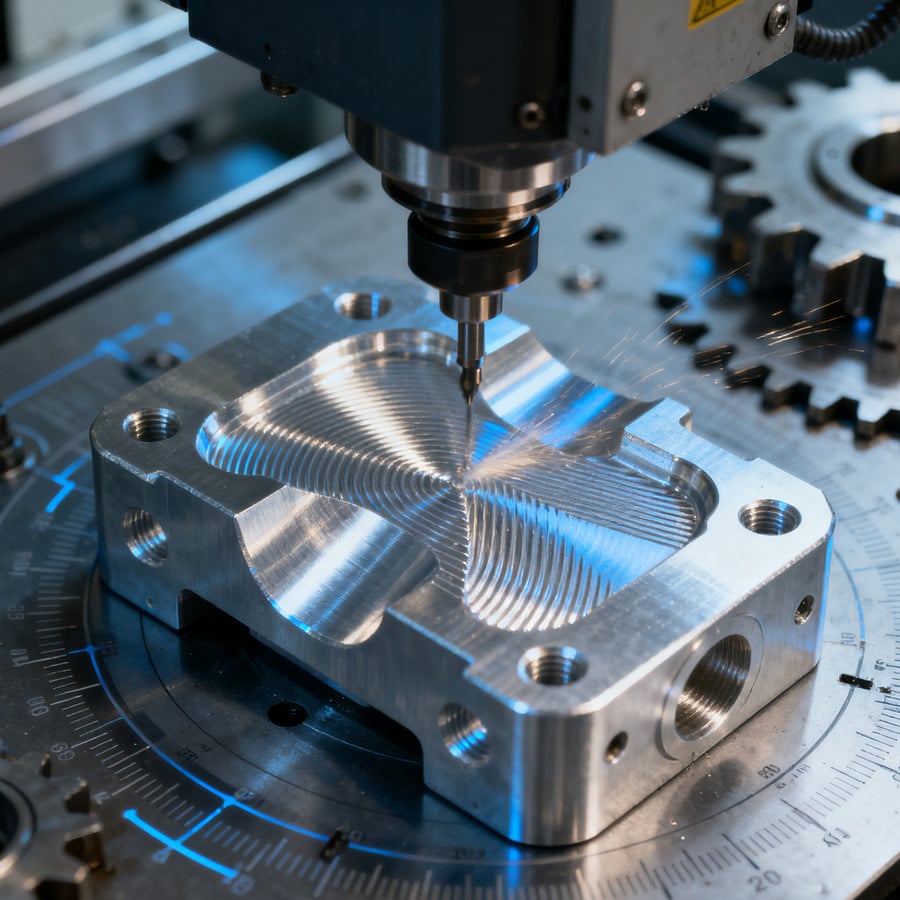
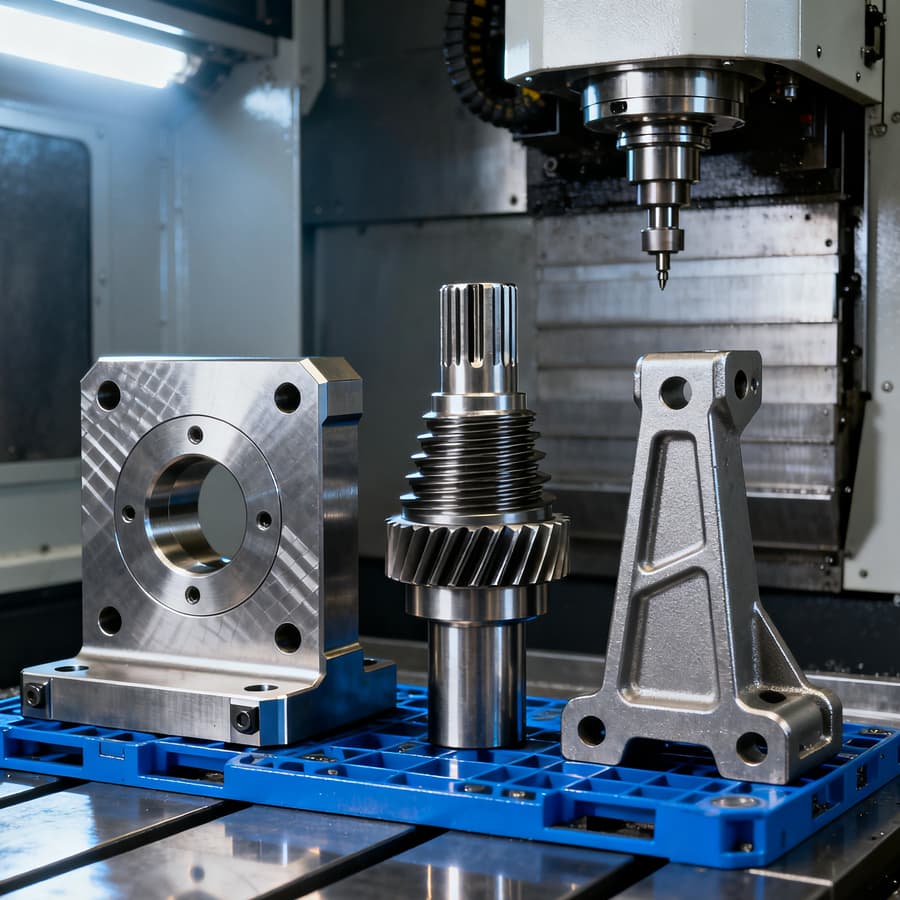
CNC precision machining represents a revolutionary manufacturing technology that transforms raw materials into highly accurate components through computer-controlled cutting tools and equipment. This advanced manufacturing process utilizes Computer Numerical Control systems to execute precise movements and operations, delivering exceptional accuracy that traditional manual machining cannot achieve. The technology operates through sophisticated software that converts digital designs into specific machine instructions, controlling every aspect of the cutting process with remarkable precision. CNC precision machining encompasses various operations including milling, turning, drilling, grinding, and electrical discharge machining, each tailored to specific manufacturing requirements. The main functions of this technology center around producing components with tolerances as tight as ±0.001 inches, ensuring consistent quality across large production runs. Modern CNC precision machining centers feature multi-axis capabilities, allowing simultaneous operations on complex geometries that would be impossible through conventional methods. The technological features include advanced spindle systems operating at high speeds, sophisticated tool changing mechanisms, and real-time monitoring systems that ensure optimal performance throughout the manufacturing process. Temperature control systems maintain stable operating conditions, while adaptive control technologies automatically adjust parameters based on material properties and cutting conditions. Applications span numerous industries including aerospace, automotive, medical devices, electronics, defense, and energy sectors. In aerospace manufacturing, CNC precision machining produces critical components like turbine blades, engine parts, and structural elements that demand exceptional accuracy and reliability. The automotive industry relies on this technology for engine components, transmission parts, and safety systems where precision directly impacts performance and safety. Medical device manufacturing utilizes CNC precision machining for surgical instruments, implants, and diagnostic equipment where human safety depends on manufacturing excellence. The technology continues evolving with innovations in artificial intelligence, machine learning, and advanced materials, promising even greater capabilities for future manufacturing challenges.

New Product Recommendations

CNC precision machining delivers numerous compelling advantages that make it the preferred choice for manufacturers seeking superior quality and efficiency. The primary benefit lies in its exceptional accuracy, consistently producing parts within extremely tight tolerances that manual machining simply cannot achieve. This precision translates directly into improved product performance, reduced assembly time, and enhanced customer satisfaction. Manufacturing costs decrease significantly through reduced material waste, as CNC precision machining optimizes cutting paths and minimizes scrap generation. The technology eliminates human error from the manufacturing equation, ensuring every component meets exact specifications without variation. Production speed increases dramatically compared to traditional methods, with CNC precision machining operating continuously without breaks, fatigue, or performance degradation. Quality consistency remains uniform across entire production runs, whether manufacturing ten pieces or ten thousand, each component maintains identical specifications. Setup time reduces considerably once programs are established, allowing rapid transitions between different part numbers without extensive retooling. Labor costs decrease as fewer skilled operators are required to supervise multiple machines simultaneously, improving overall productivity ratios. Complex geometries become achievable through multi-axis capabilities, enabling manufacturers to create intricate designs that would be impossible or prohibitively expensive using conventional methods. Surface finish quality improves significantly, often eliminating secondary finishing operations and reducing overall production time. Repeatability ensures identical parts every time, crucial for industries requiring interchangeable components or strict quality standards. Documentation and traceability become automatic through digital records, providing complete manufacturing history for quality control and regulatory compliance. Flexibility allows quick design changes through software modifications rather than expensive tooling adjustments. Material utilization reaches optimal levels through precise cutting strategies, reducing raw material costs and environmental impact. Safety improves substantially as operators work away from cutting tools, reducing workplace accidents and insurance costs. The technology adapts easily to various materials including metals, plastics, ceramics, and composites, providing versatility for diverse manufacturing requirements. Investment returns accelerate through increased throughput, reduced labor costs, and improved quality ratings that command premium pricing in competitive markets.

Latest News

The cleaning of precision components is crucial to ensuring their smoothness and functionality.

29

Nov

The cleaning of precision components is crucial to ensuring their smoothness and functionality.

View More
Methods to Improve the Efficiency of Precision Component Processing

29

Nov

Methods to Improve the Efficiency of Precision Component Processing

View More
Kindness Warms the Heart, Responsibility in Action

29

Nov

Kindness Warms the Heart, Responsibility in Action

View More
Design Knowledge for Shaft Pin Components

29

Nov

Design Knowledge for Shaft Pin Components

View More

Get a Free Quote

Our representative will contact you soon.
Email
Name
Company Name
WhatsApp
Message
0/1000

cnc precision machining

Unmatched Precision and Accuracy Standards

Unmatched Precision and Accuracy Standards

CNC precision machining sets the gold standard for manufacturing accuracy, delivering tolerances that reach microscopic levels impossible to achieve through manual operations. This exceptional precision stems from computer-controlled movements that eliminate human variability, ensuring every cut, drill, and surface finish meets exact specifications. The technology employs advanced feedback systems that continuously monitor tool position, spindle speed, and cutting forces, making real-time adjustments to maintain optimal performance throughout the entire machining process. Modern CNC precision machining centers utilize laser measurement systems and touch probes that verify part dimensions during production, catching any deviations before they become costly defects. This level of accuracy becomes particularly crucial in industries where component failure could have catastrophic consequences, such as aerospace engine parts or medical implants where patient safety depends on manufacturing excellence. The precision capabilities extend beyond simple dimensional accuracy to include surface finish quality, with CNC precision machining achieving mirror-like finishes that eliminate the need for secondary polishing operations. Tool compensation algorithms automatically adjust for tool wear, maintaining consistent accuracy throughout extended production runs. Temperature-controlled environments ensure thermal stability, preventing expansion and contraction that could affect part dimensions. Multi-axis simultaneous machining creates complex geometries with seamless transitions between surfaces, eliminating witness marks and improving overall part integrity. Statistical process control integration monitors every aspect of production, providing detailed documentation that meets the strictest quality standards required by aerospace, medical, and automotive industries. This precision advantage translates directly into improved product performance, reduced assembly problems, and enhanced customer confidence. Manufacturers choosing CNC precision machining gain competitive advantages through superior quality that commands premium pricing while reducing warranty claims and customer complaints. The investment in precision technology pays dividends through increased customer loyalty and expanded market opportunities in high-value applications where accuracy cannot be compromised.
Enhanced Production Efficiency and Speed

Enhanced Production Efficiency and Speed

CNC precision machining revolutionizes production efficiency through automated operations that maximize throughput while maintaining superior quality standards. Unlike traditional manufacturing methods that rely heavily on operator skill and manual intervention, this technology operates with consistent speed and accuracy around the clock, dramatically increasing productive capacity. Modern CNC precision machining centers feature automatic tool changers that swap cutting tools in seconds, eliminating downtime between operations and enabling lights-out manufacturing for extended periods. Pallet changing systems allow operators to load new workpieces while machines continue processing previous parts, creating seamless production flow that maximizes equipment utilization. The efficiency gains become particularly evident in high-volume production scenarios where CNC precision machining can operate continuously without performance degradation or quality variation. Advanced programming software optimizes cutting paths to minimize cycle times while preserving tool life and surface finish quality. High-speed machining capabilities allow rapid material removal rates during roughing operations, followed by precision finishing passes that achieve final dimensions and surface requirements. Multi-tasking machines combine multiple operations in single setups, reducing handling time and improving accuracy through maintained workpiece reference points. Adaptive control systems automatically adjust cutting parameters based on real-time monitoring of cutting forces, vibration, and tool condition, optimizing performance without operator intervention. Setup time reductions occur through standardized tooling systems and proven machining programs that eliminate trial-and-error programming. Production scheduling becomes more predictable as CNC precision machining delivers consistent cycle times that enable accurate delivery commitments to customers. Inventory levels decrease through just-in-time production capabilities, reducing working capital requirements and storage costs. Quality inspection time diminishes as in-process monitoring ensures parts meet specifications during production rather than requiring extensive post-processing verification. The cumulative efficiency improvements result in lower per-piece costs, faster delivery times, and improved customer satisfaction that drives business growth and market expansion opportunities.
Exceptional Versatility Across Materials and Applications

Exceptional Versatility Across Materials and Applications

CNC precision machining demonstrates remarkable versatility in processing diverse materials and adapting to varied application requirements across multiple industries. This adaptability stems from sophisticated control systems that adjust cutting parameters, tool selection, and machining strategies based on specific material properties and geometric requirements. The technology successfully machines traditional metals including aluminum, steel, stainless steel, and titanium, each requiring unique approaches to achieve optimal results. Advanced materials such as Inconel, Hastelloy, and other superalloys present significant challenges that CNC precision machining overcomes through specialized tooling and programming techniques developed specifically for difficult-to-machine materials. Plastic and composite materials benefit from precise temperature control and specialized cutting tools that prevent melting, delamination, or fiber pullout common in conventional machining. Ceramic materials, known for their brittleness and hardness, require diamond tooling and carefully controlled cutting conditions that CNC precision machining provides through programmable parameters and real-time monitoring. The versatility extends to part geometries, with multi-axis capabilities enabling complex contours, undercuts, and internal features that would be impossible through traditional methods. Medical device manufacturing benefits from this versatility through biocompatible material processing, creating surgical instruments, orthopedic implants, and diagnostic equipment with surfaces meeting FDA requirements. Aerospace applications leverage the material versatility for processing exotic alloys used in jet engines, where operating temperatures and stress levels demand materials with exceptional properties. Automotive manufacturers utilize this adaptability for processing everything from lightweight aluminum engine blocks to hardened steel transmission components. Electronics industry applications require precision machining of heat sinks, connector components, and housing parts from various materials including aluminum, copper, and specialized plastics. Tool and die manufacturing depends on this versatility for creating complex molds and fixtures from hardened steels and carbide materials. Research and development projects benefit enormously from the ability to quickly prototype parts from various materials without extensive setup procedures. This material versatility translates into reduced supplier requirements, simplified inventory management, and enhanced design flexibility that enables innovative product development. Manufacturers gain strategic advantages through single-source capabilities that streamline supply chains while maintaining quality consistency across diverse material applications.