CNC Turning Milling: Precision Manufacturing

All Categories

cnc turning milling

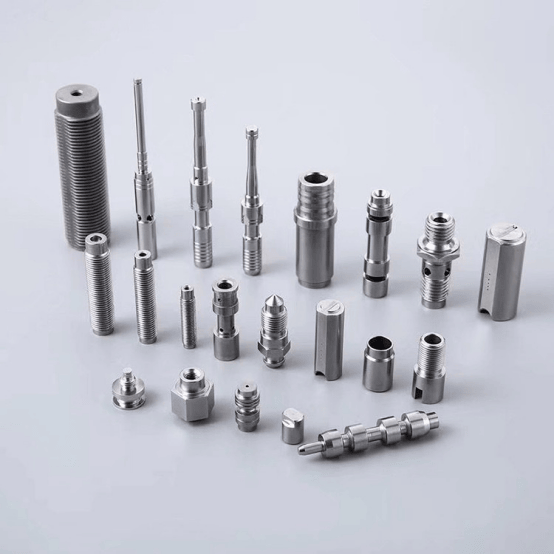
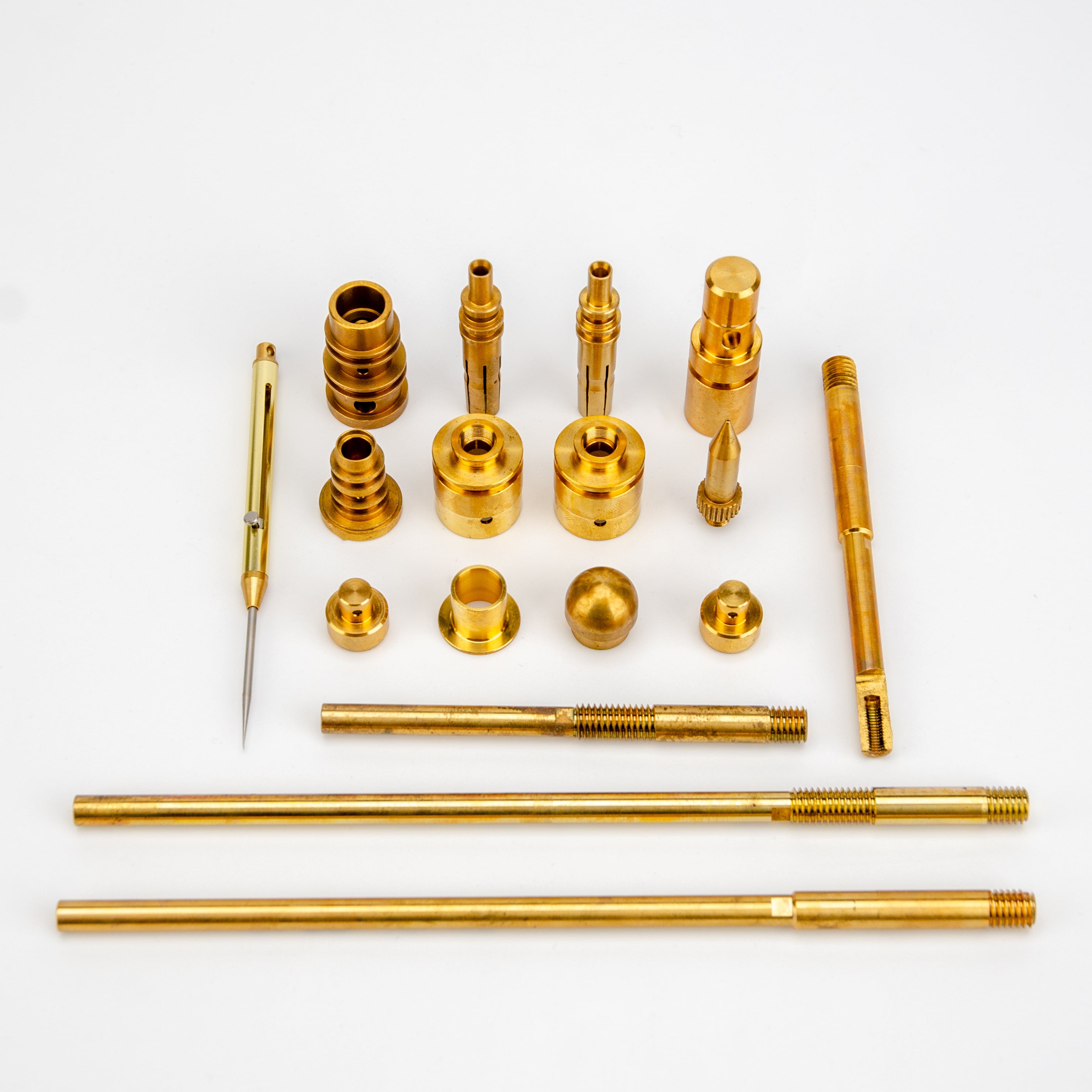
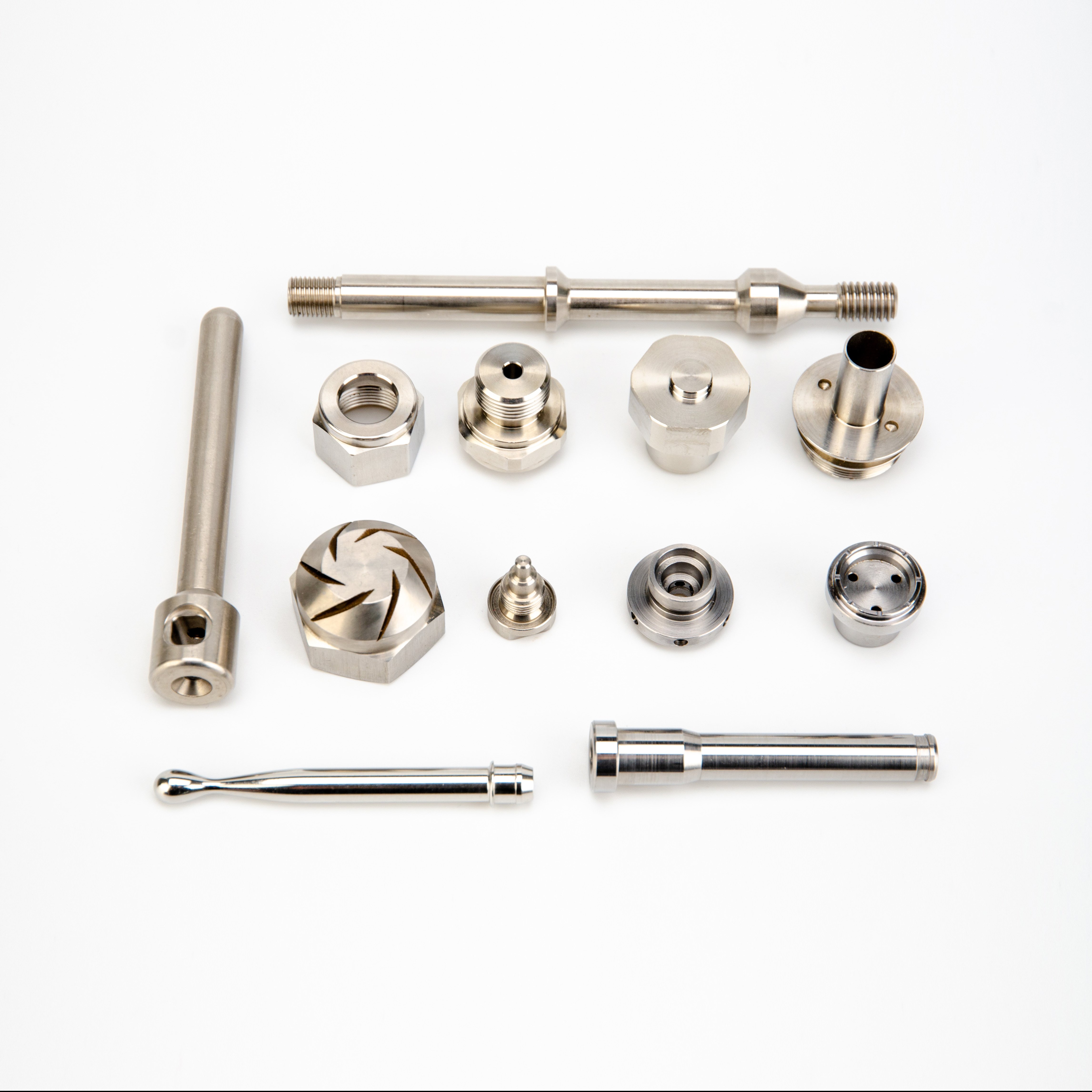
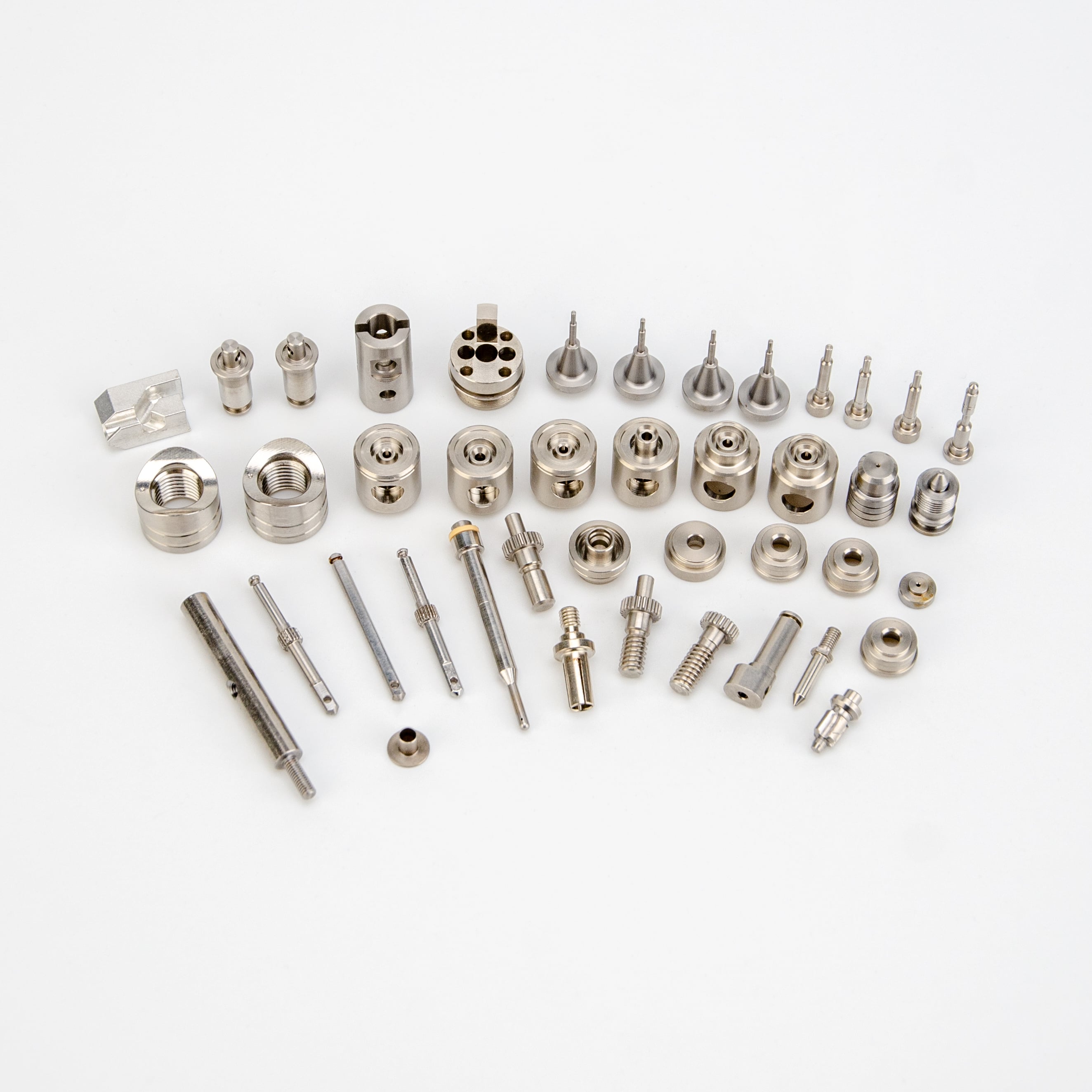
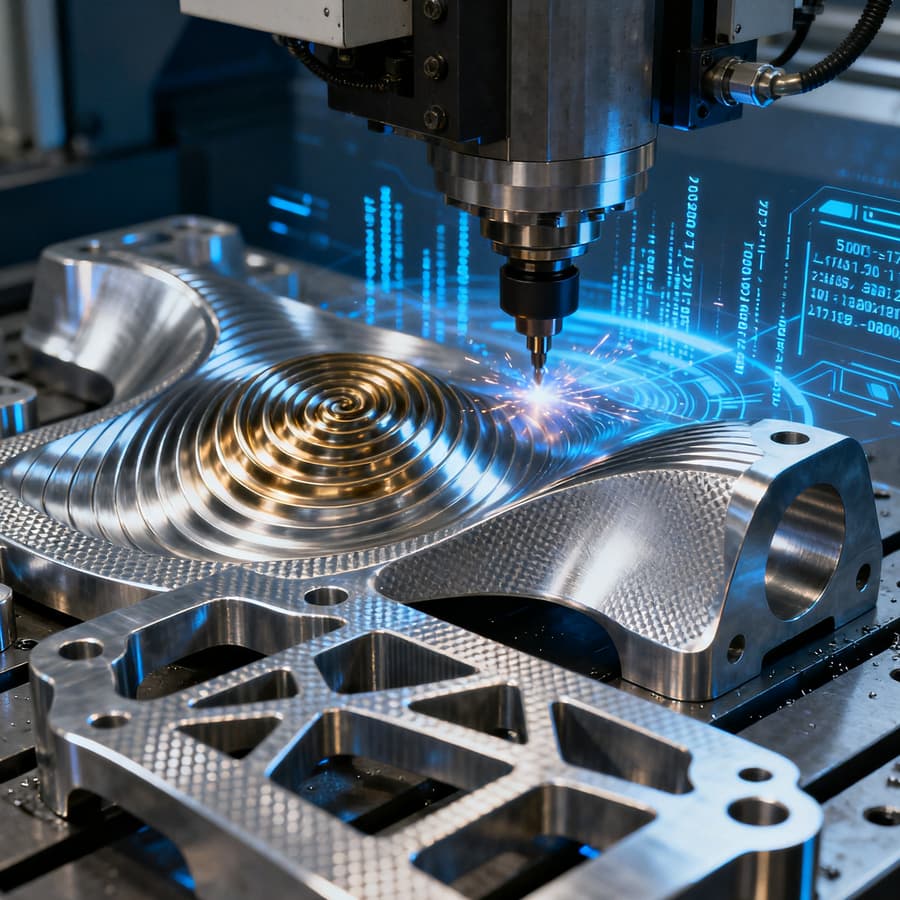
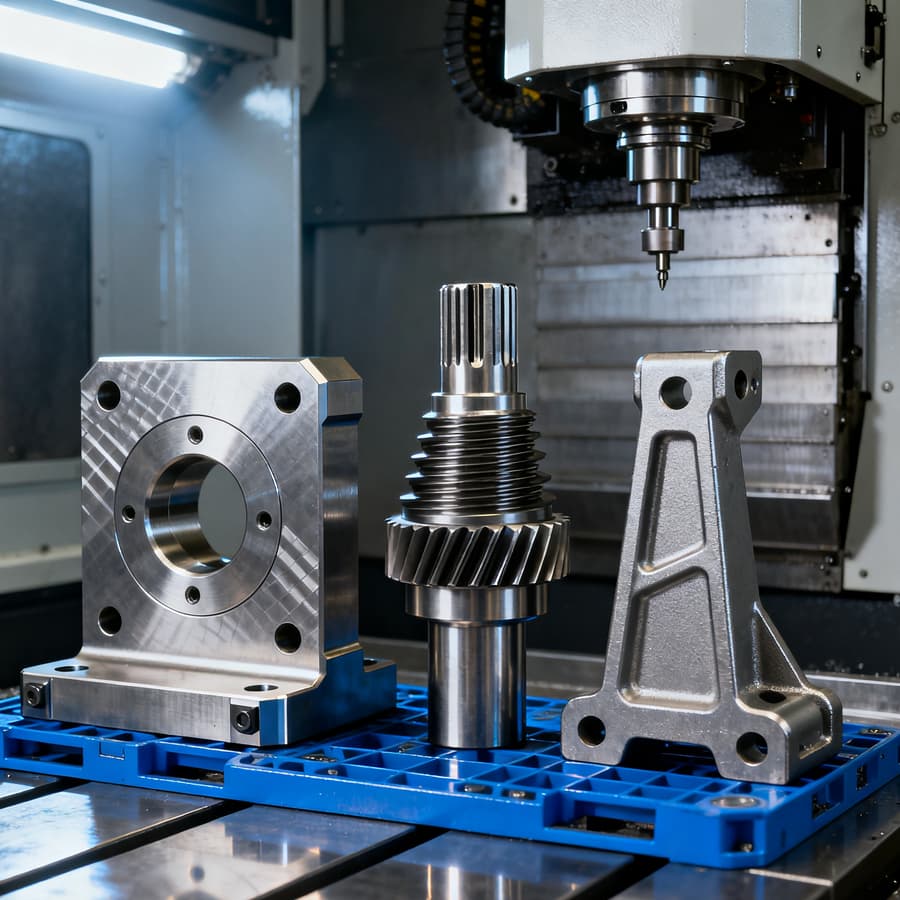
CNC turning milling represents a revolutionary advancement in modern manufacturing technology, combining the precision of computer numerical control with dual operational capabilities. CNC turning milling machines integrate both turning and milling functions into a single sophisticated platform, eliminating the need for multiple machines and reducing production time significantly. These advanced systems utilize computer programming to execute complex machining operations with exceptional accuracy and repeatability. The primary function of CNC turning milling equipment is to perform intricate cutting, shaping, and finishing operations on various materials including metals, plastics, and composites. The technology features multi-axis control systems that enable simultaneous movement and positioning, allowing operators to create complicated geometries with minimal human intervention. CNC turning milling machines are equipped with automatic tool changers, advanced spindle systems, and real-time monitoring capabilities that ensure consistent quality throughout the production process. Key technological features include high-speed spindles, precision ball screws, and sophisticated control systems that manage tool paths with micron-level accuracy. These machines offer remarkable versatility, accommodating diverse workpiece sizes and complexities. Applications span across industries including aerospace, automotive, medical device manufacturing, and industrial equipment production. CNC turning milling technology has become indispensable for manufacturers seeking competitive advantages through improved efficiency, reduced waste, and enhanced product quality in today's demanding market.
New Product Recommendations

CNC turning milling machines deliver substantial operational benefits that transform manufacturing efficiency and profitability for businesses of all sizes. The primary advantage lies in dramatically reduced production time, as these machines perform both turning and milling operations without requiring workpiece repositioning between different machines. This consolidation eliminates expensive downtime and dramatically increases throughput capacity. Operational efficiency reaches new heights with CNC turning milling technology through automation that minimizes human error and ensures precise, repeatable results across entire production runs. The automatic tool changing systems enable continuous operation with minimal operator intervention, freeing skilled technicians to manage multiple machines simultaneously. This flexibility allows manufacturers to optimize workforce allocation and reduce labor costs substantially. Quality improvement represents another critical advantage for businesses implementing CNC turning milling solutions. The precision engineering ensures consistent dimensional accuracy, superior surface finishes, and reduced material waste compared to conventional machining methods. Manufacturers achieve higher first-pass acceptance rates, minimizing costly rework and scrap. Cost effectiveness extends beyond immediate production savings. CNC turning milling machines require significantly lower tooling investments than operating separate turning and milling equipment, reducing capital expenditure. The technology's versatility enables manufacturers to handle diverse projects without acquiring specialized equipment, improving asset utilization rates. For small-to-medium enterprises, CNC turning milling equipment provides entry into precision manufacturing without massive infrastructure investment. These machines accommodate rapid design modifications through simple program adjustments, enabling quick response to market demands and customer specifications. Industries from aerospace to medical manufacturing benefit enormously from this adaptability and precision.

Practical Tips

The cleaning of precision components is crucial to ensuring their smoothness and functionality.

29

Nov

The cleaning of precision components is crucial to ensuring their smoothness and functionality.

View More
Methods to Improve the Efficiency of Precision Component Processing

29

Nov

Methods to Improve the Efficiency of Precision Component Processing

View More
Kindness Warms the Heart, Responsibility in Action

29

Nov

Kindness Warms the Heart, Responsibility in Action

View More
Design Knowledge for Shaft Pin Components

29

Nov

Design Knowledge for Shaft Pin Components

View More

Get a Free Quote

Our representative will contact you soon.
Email
Name
Company Name
WhatsApp
Message
0/1000

cnc turning milling

Advanced Multi-Axis Precision Engineering

Advanced Multi-Axis Precision Engineering

CNC turning milling machines feature sophisticated multi-axis control systems that deliver unparalleled precision in complex component manufacturing. These systems simultaneously control multiple cutting axes, enabling the creation of intricate geometries that would require multiple separate operations on traditional equipment. The advanced technology ensures dimensional accuracy within microns, meeting the strictest quality standards across aerospace, automotive, and medical sectors. The precision engineering of CNC turning milling systems dramatically reduces material waste and improves production yields. Operators program complex cutting paths that optimize tool utilization and minimize scrap, directly improving profit margins on every production run. The computer numerical control technology continuously monitors and adjusts operations in real-time, compensating for tool wear and material variations automatically. This intelligent approach guarantees consistent quality throughout extended production cycles, eliminating the variability inherent in manual machining operations and delivering superior component performance.
Integrated Turning and Milling Capabilities

Integrated Turning and Milling Capabilities

The revolutionary integration of turning and milling functions within single CNC turning milling machines eliminates traditional manufacturing bottlenecks and dramatically streamlines production workflows. Unlike conventional shops requiring separate equipment, these unified systems perform comprehensive machining operations without workpiece handling between machines, reducing cycle times by up to fifty percent. Manufacturers eliminate the complexity and expense of managing multiple machines, dedicating tooling systems, and coordinating material movements between workstations. This consolidation delivers profound economic benefits beyond time savings. Businesses invest in fewer machines while achieving greater production capacity, improving return on equipment investment significantly. CNC turning milling technology accommodates complex component specifications that previously demanded extended manufacturing campaigns across multiple machines. Small batches and custom orders become economically feasible, enabling manufacturers to serve niche markets profitably and respond rapidly to customer demands with minimal setup adjustments and tooling changes.
Reduced Production Time and Enhanced Throughput

Reduced Production Time and Enhanced Throughput

CNC turning milling equipment revolutionizes production scheduling by dramatically reducing cycle times for complex components. By performing turning and milling operations sequentially within a single machine setup, manufacturers eliminate costly machine-to-machine transfers and associated handling time. This streamlined approach accelerates delivery schedules, improves customer satisfaction, and enhances competitive positioning in time-sensitive markets. Enhanced throughput becomes achievable through simultaneous multi-axis operations that compress traditional multi-stage manufacturing into consolidated cycles. Automatic tool changers maintain continuous machining without manual intervention, enabling extended production runs with minimal operator attendance. CNC turning milling systems maximize spindle utilization rates, ensuring equipment operates productively throughout scheduled shifts. For manufacturers serving just-in-time inventory systems or responding to urgent customer orders, this capability provides decisive competitive advantage, allowing rapid production scaling without proportional labor increases or equipment expansion investments.