machine parts precision cnc
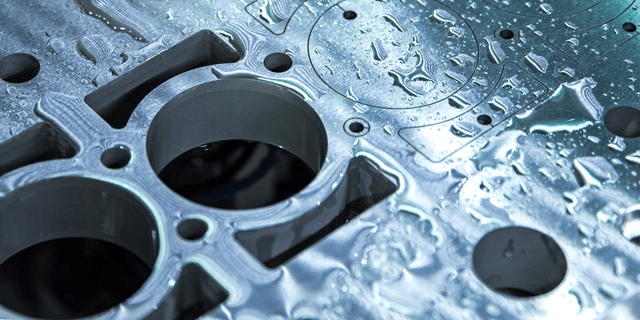
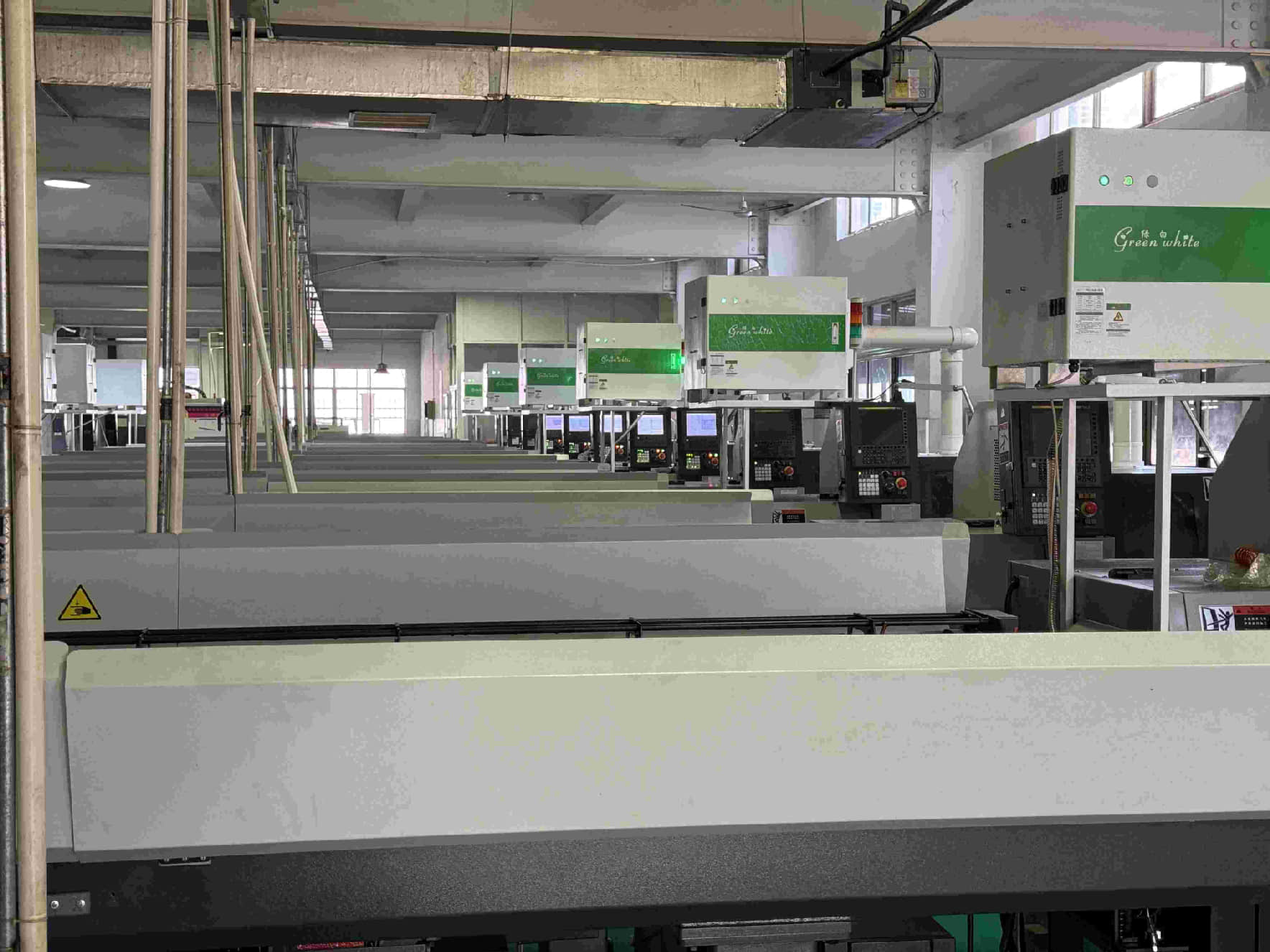
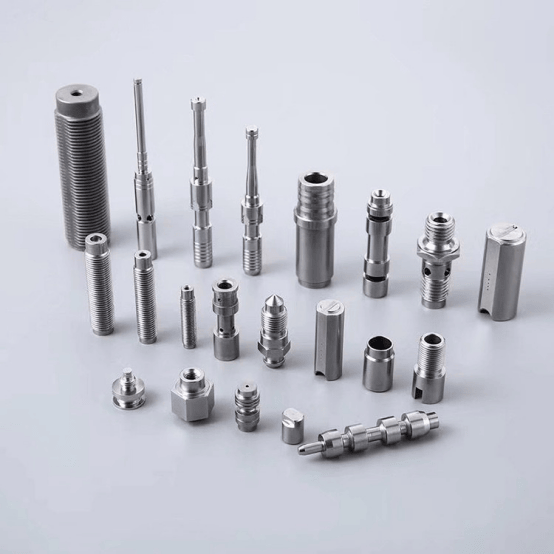
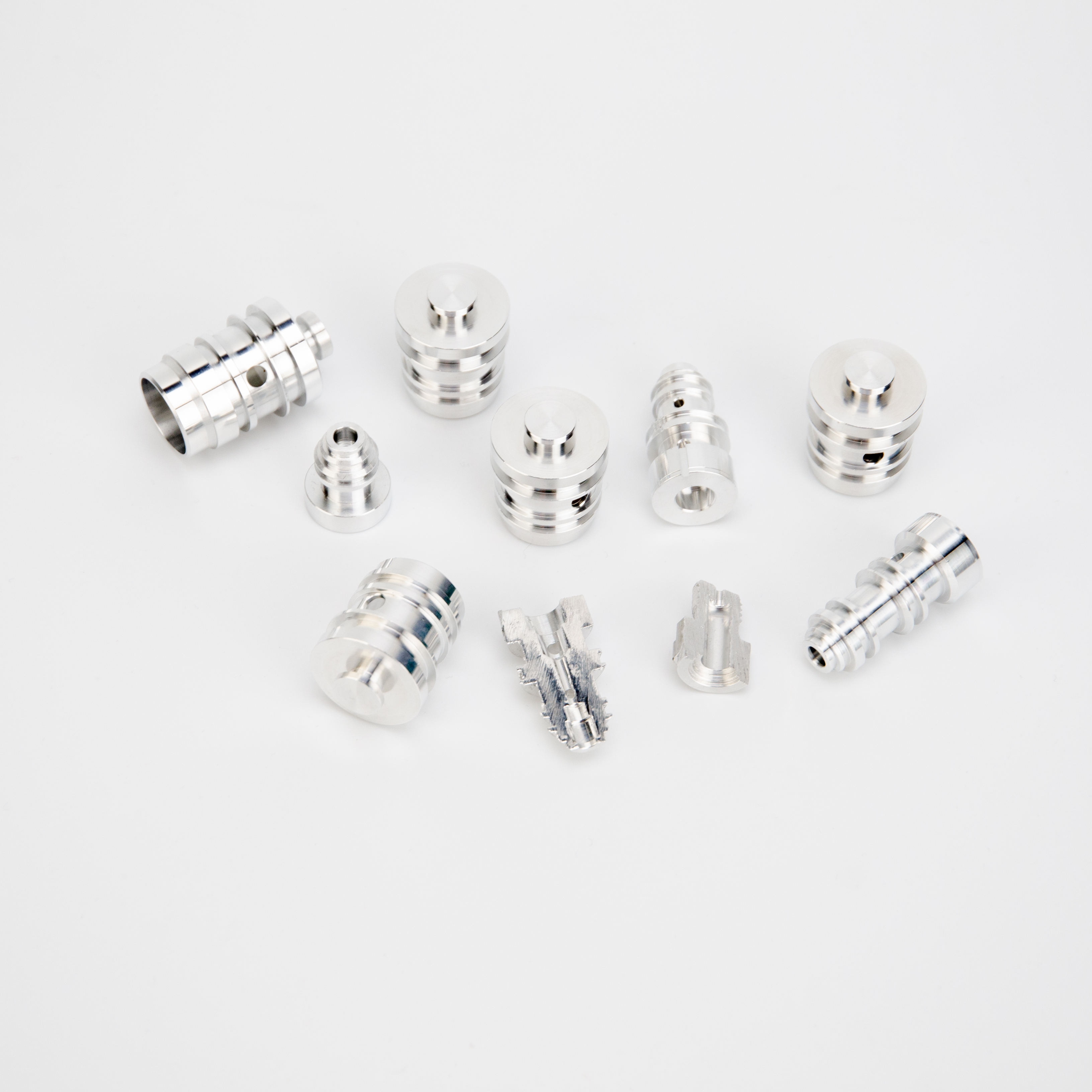
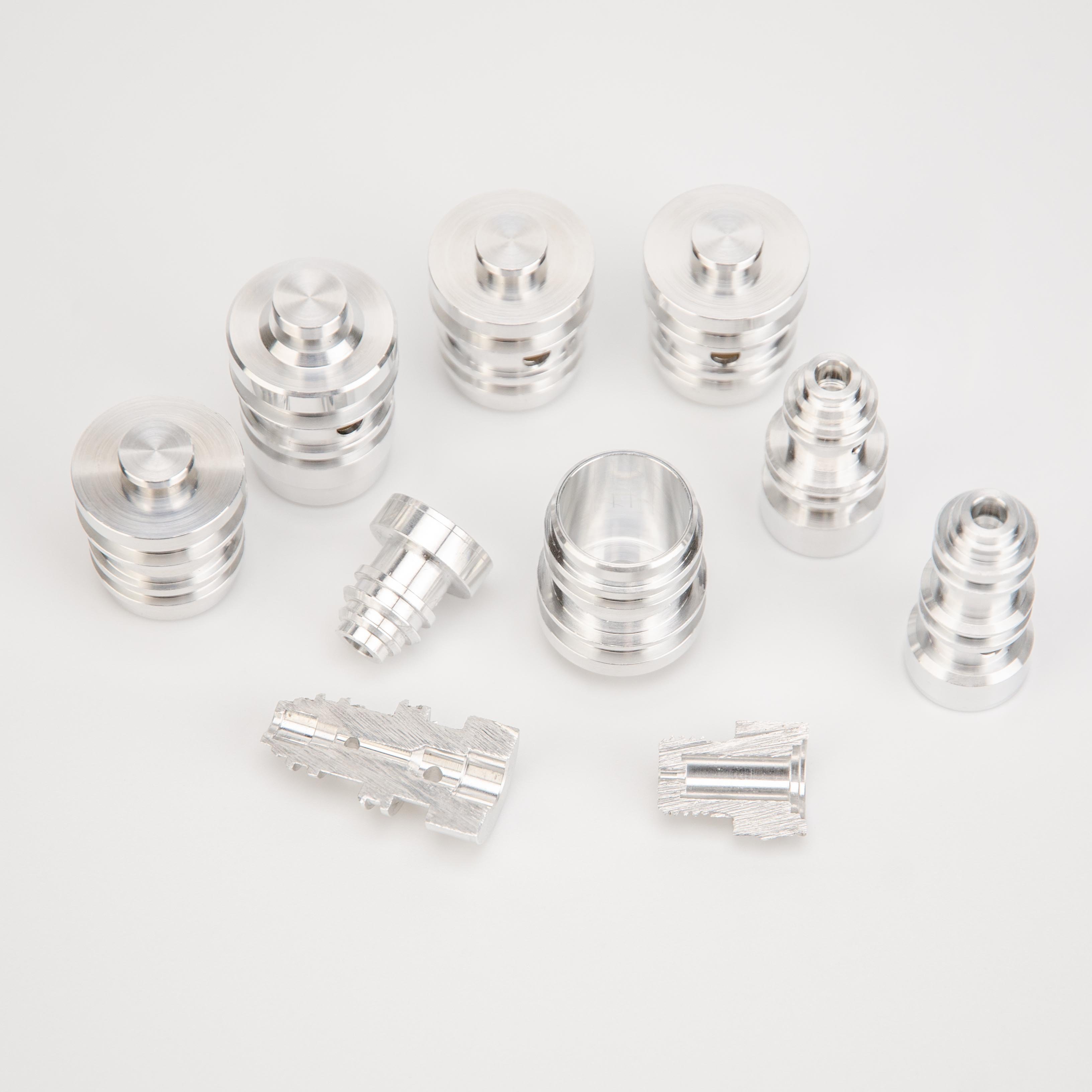
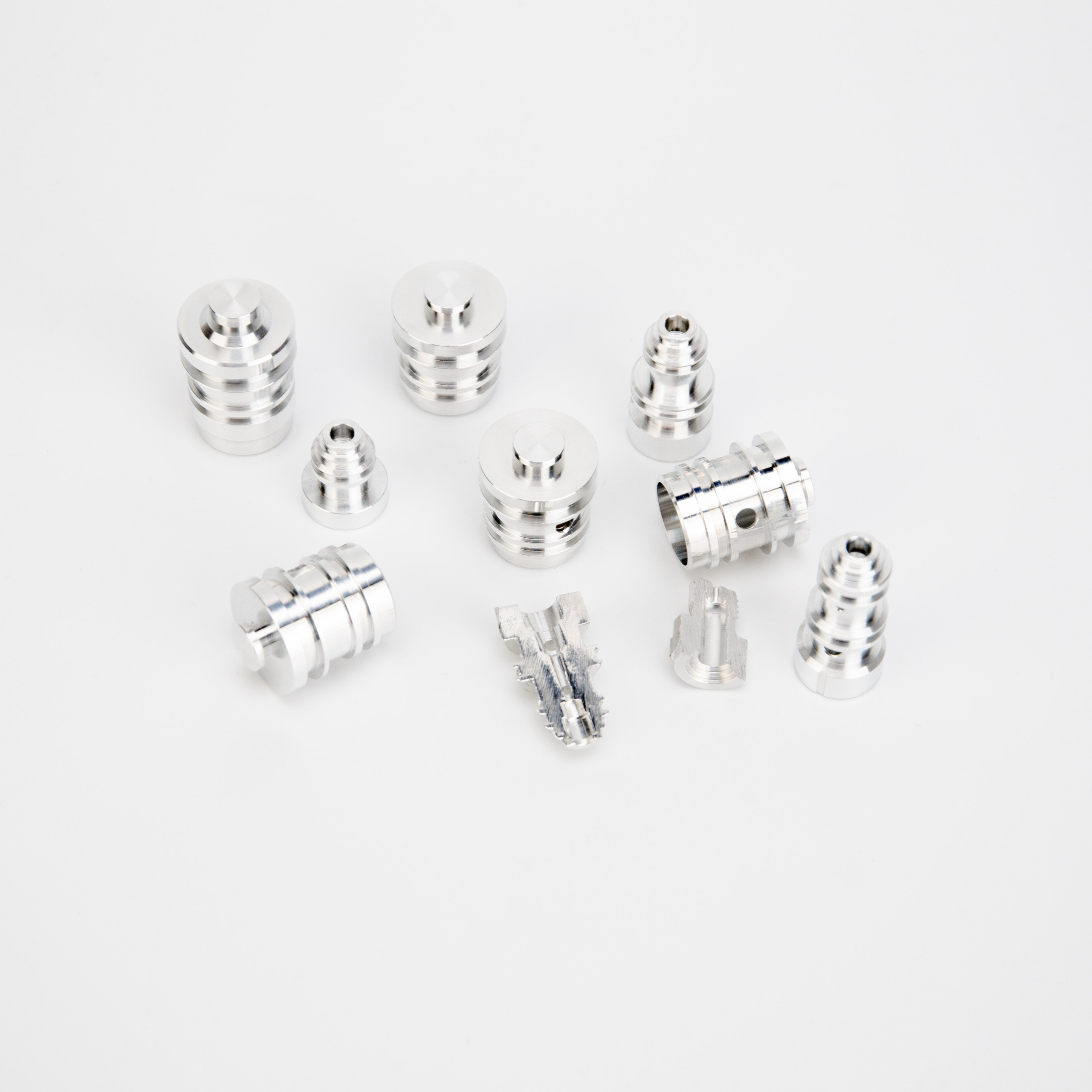
Machine parts precision CNC represents the pinnacle of modern manufacturing technology, designed to produce components with exceptional accuracy and consistency. Precision CNC machines utilize computer numerical control systems to automate the machining process, ensuring that every machine parts precision CNC operation meets exact specifications. These advanced systems can manufacture intricate components for various industries, from automotive and aerospace to medical devices and electronics.
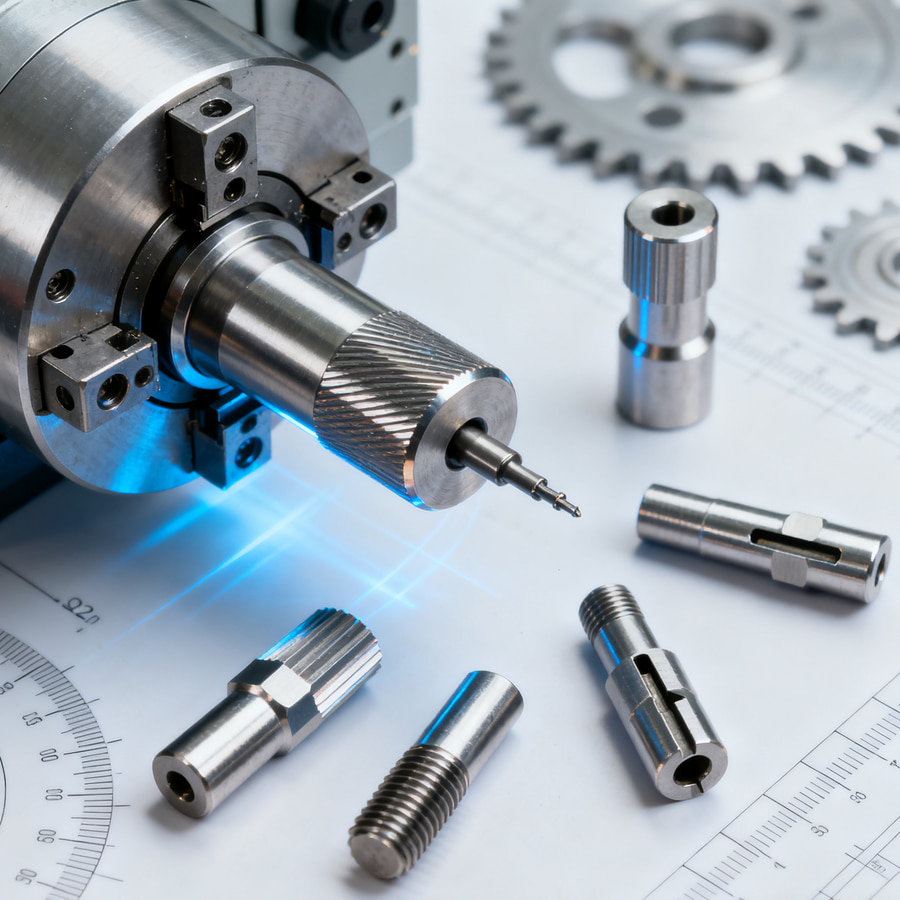
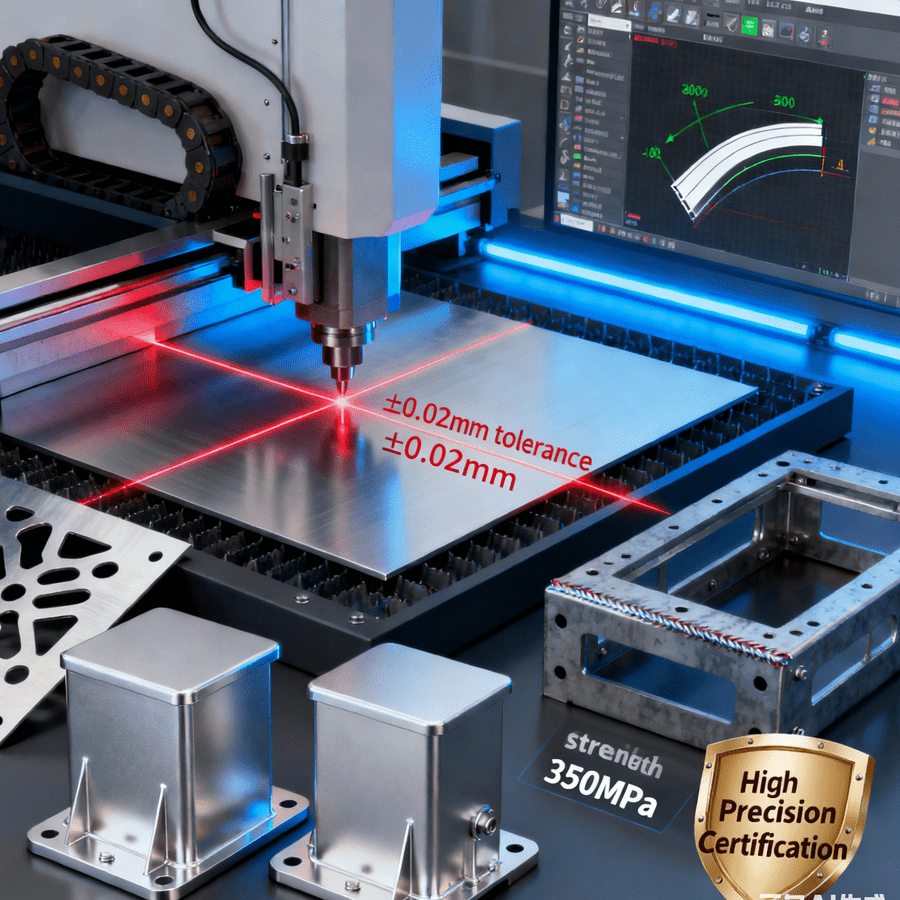
The technological foundation of machine parts precision CNC involves sophisticated software programming combined with high-precision mechanical components. The system operates through detailed digital instructions that guide cutting tools with micron-level accuracy, eliminating human error and variability. Machine parts precision CNC technology enables manufacturers to create complex geometries that would be impossible or impractical to achieve through traditional manual machining methods.
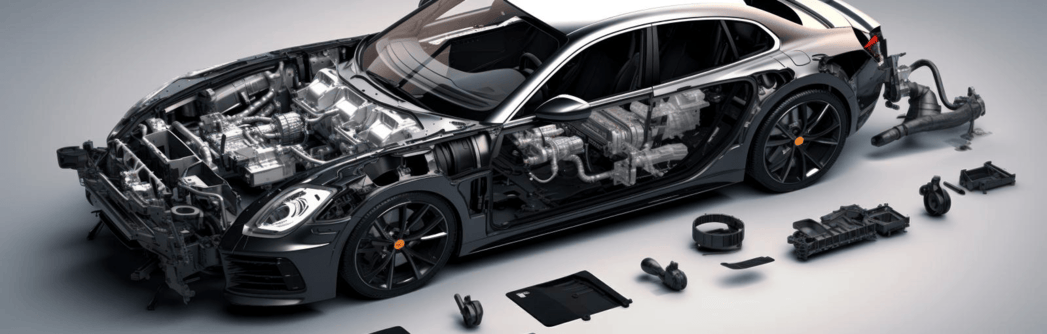
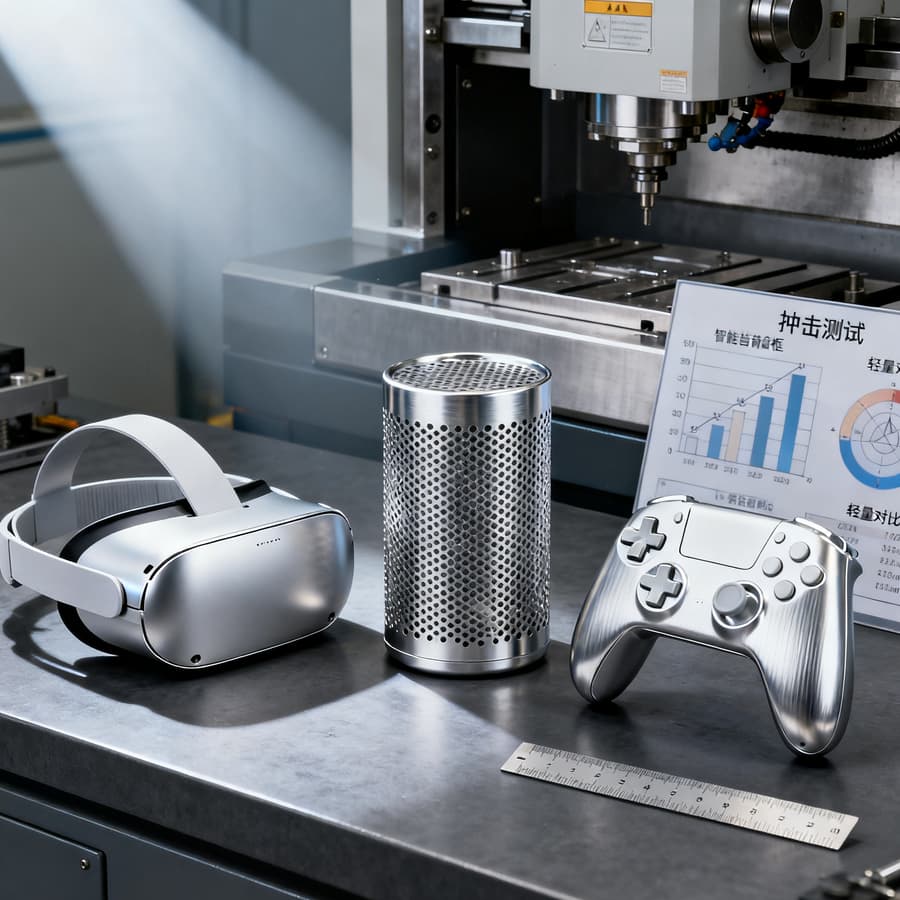
Key functions include material removal through controlled cutting operations, dimensional accuracy verification, and automated tool management. The machine parts precision CNC systems feature multi-axis capability, allowing simultaneous movement on several planes to achieve complex part geometries. Applications span across industries requiring high-quality components: turbine blades, surgical instruments, automotive engine parts, electronic housings, and hydraulic fittings. The versatility of machine parts precision CNC technology makes it essential for manufacturers demanding repeatability and precision in their production processes.


 EN
EN