High-Precision CNC Milling Parts - Advanced Manufacturing Solutions for Complex Components

All Categories

cnc milling parts

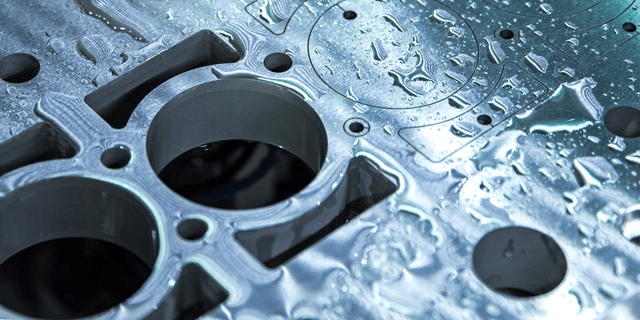
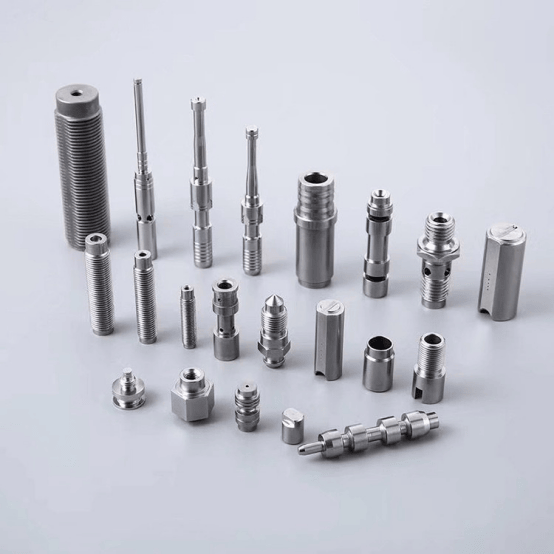
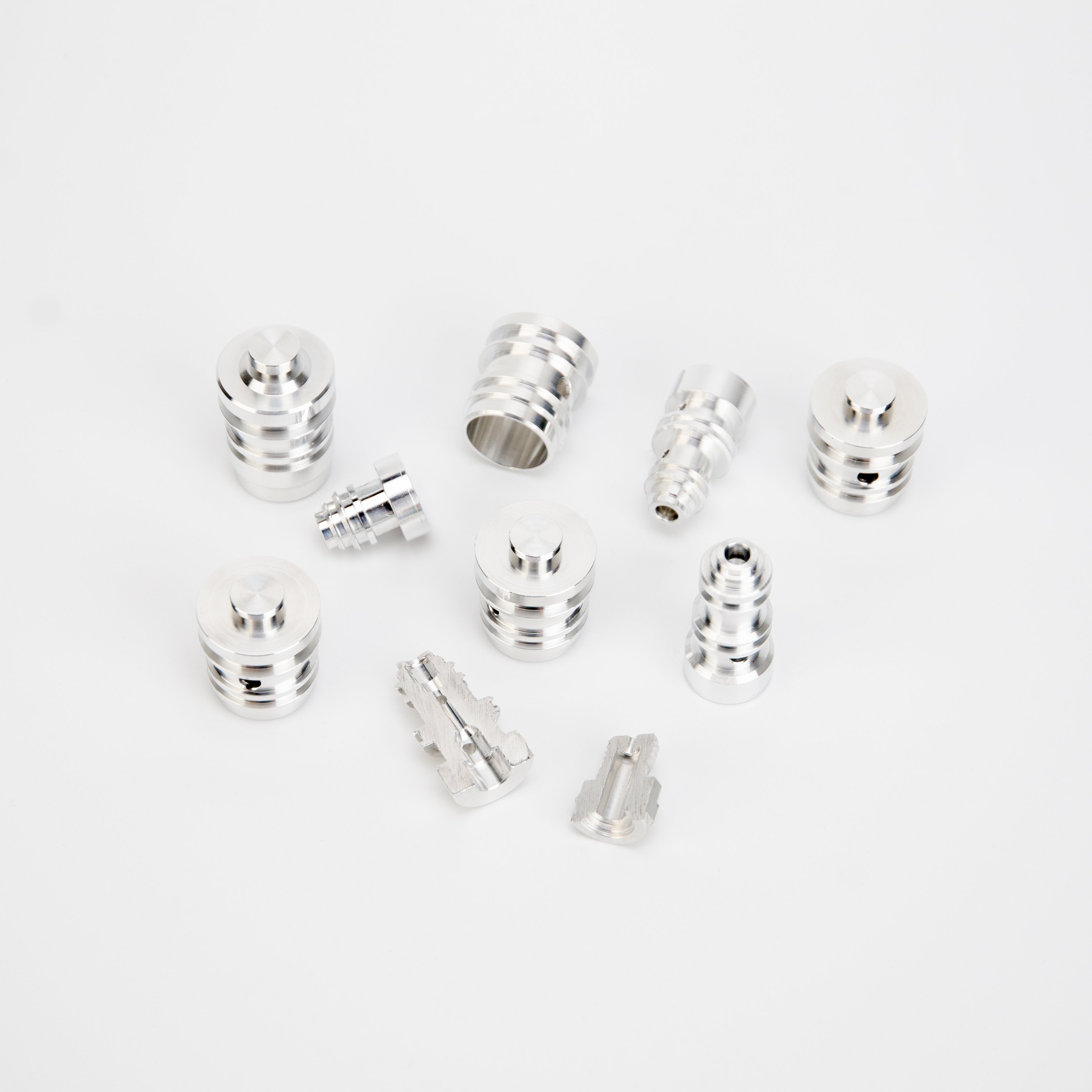
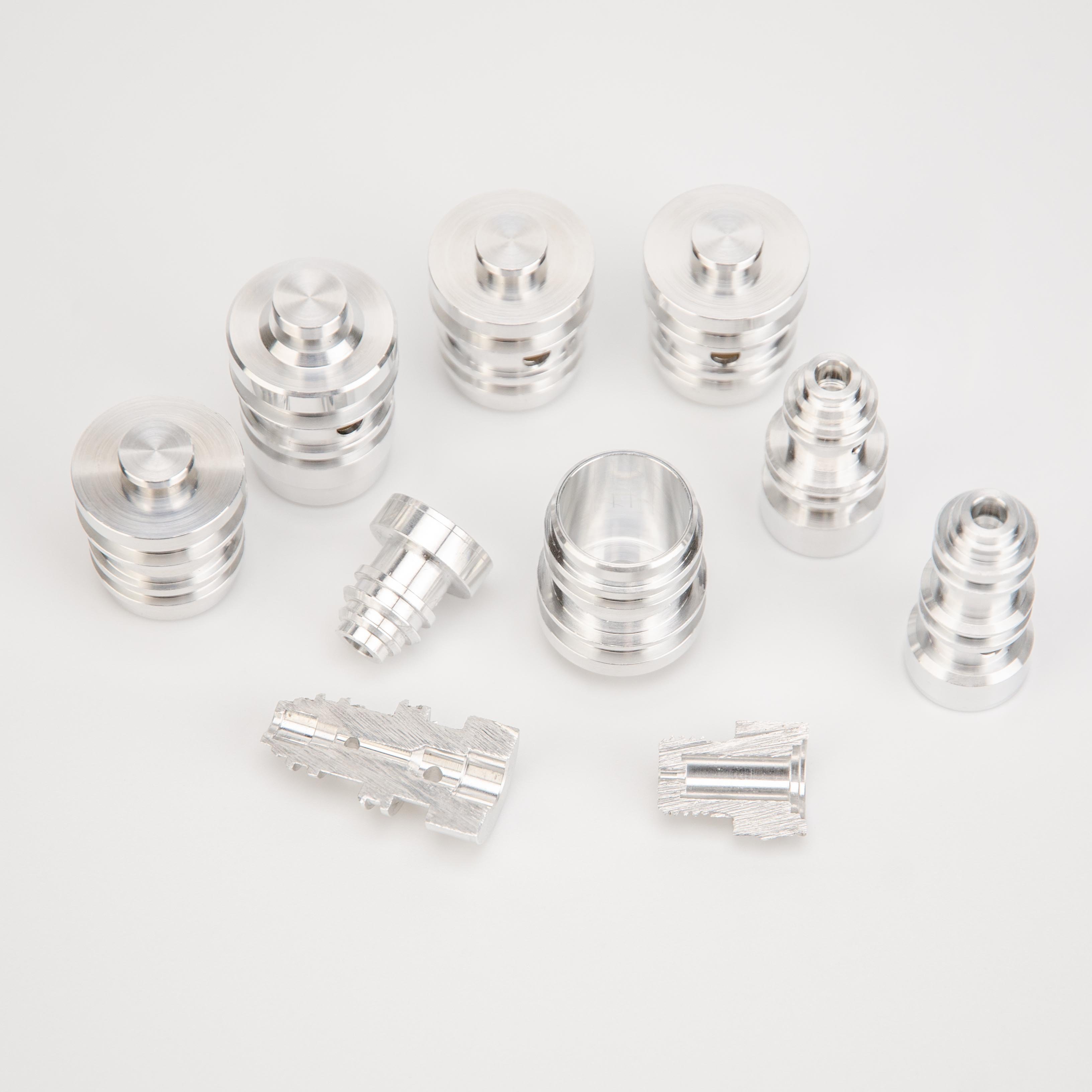
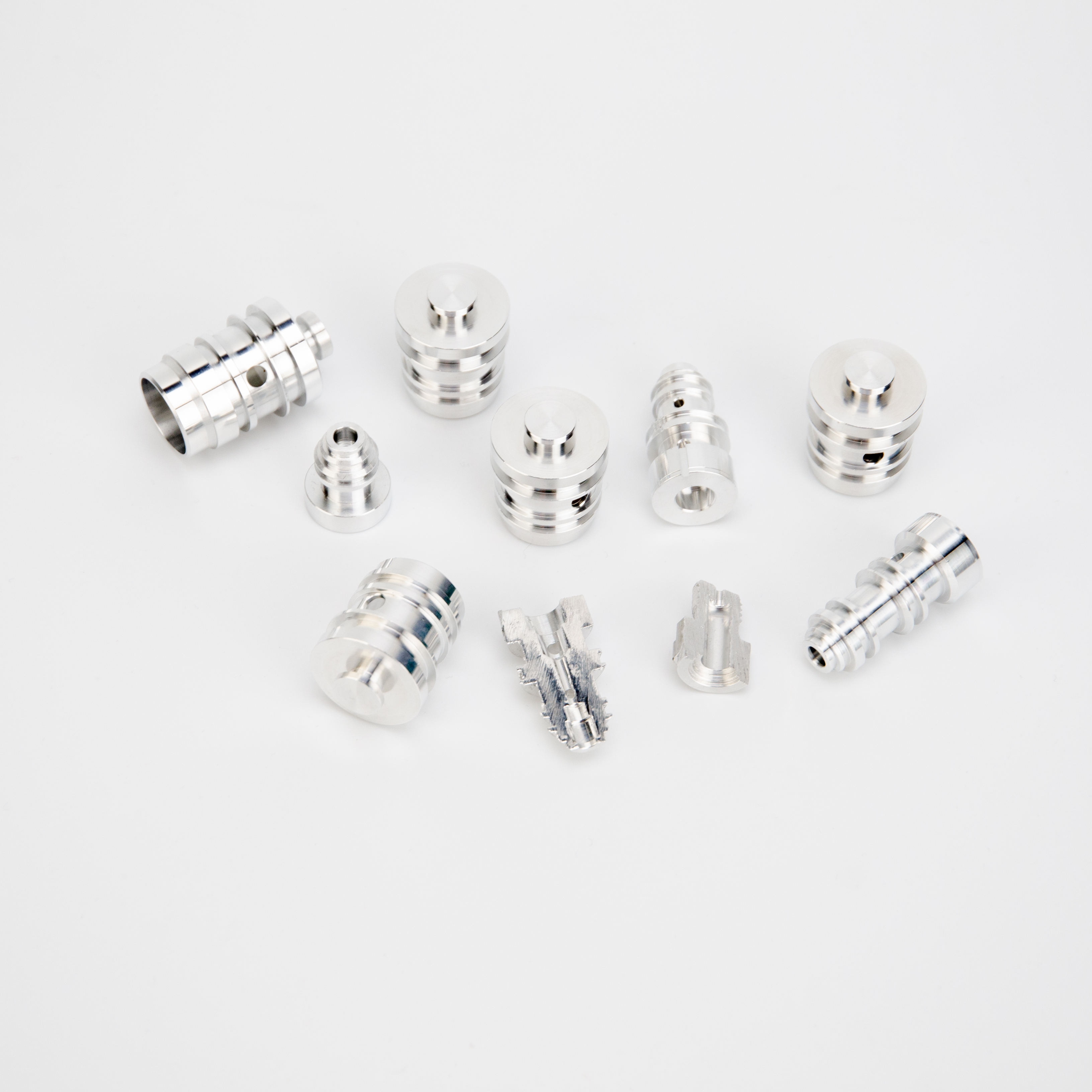
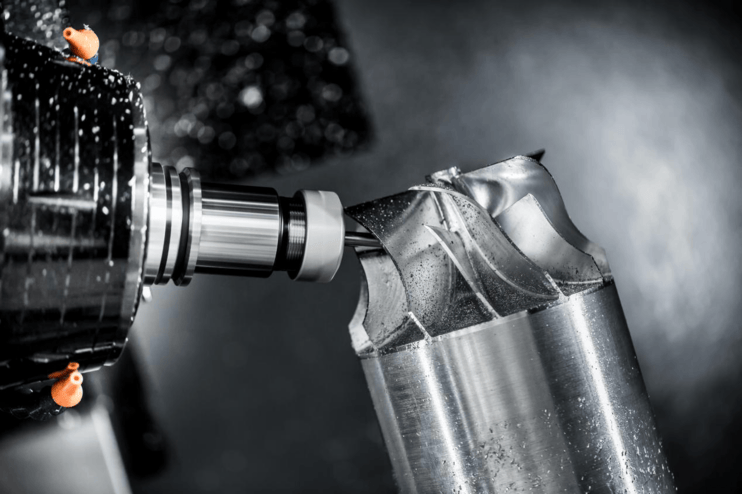
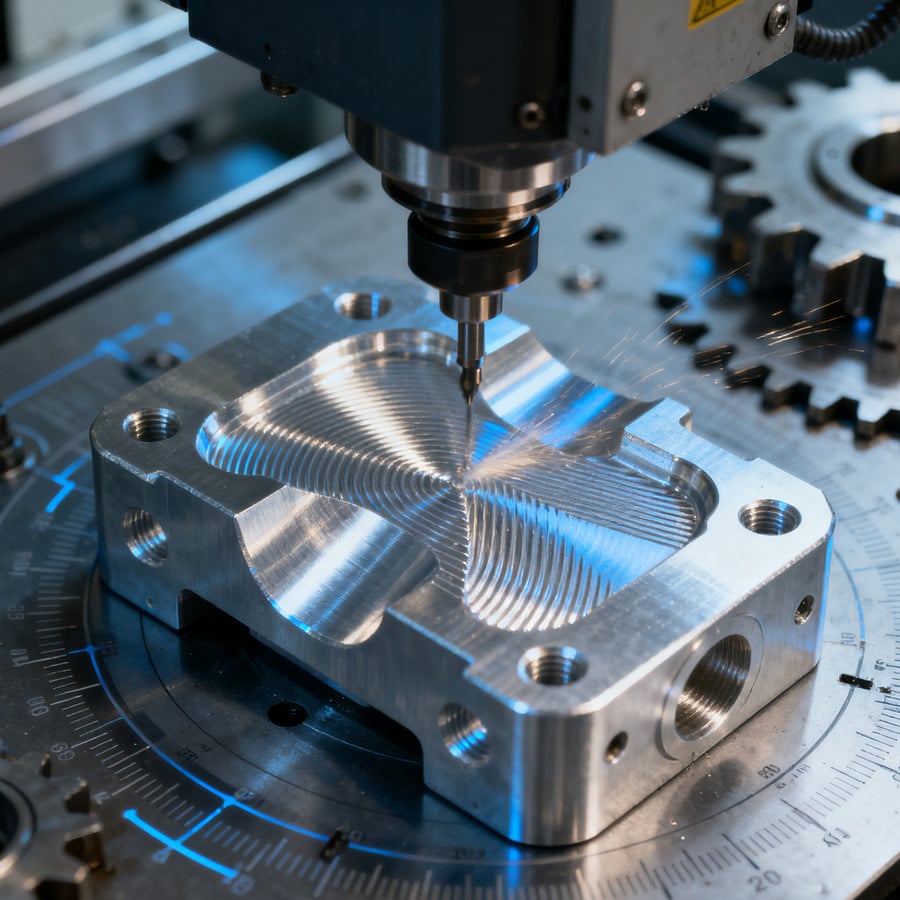
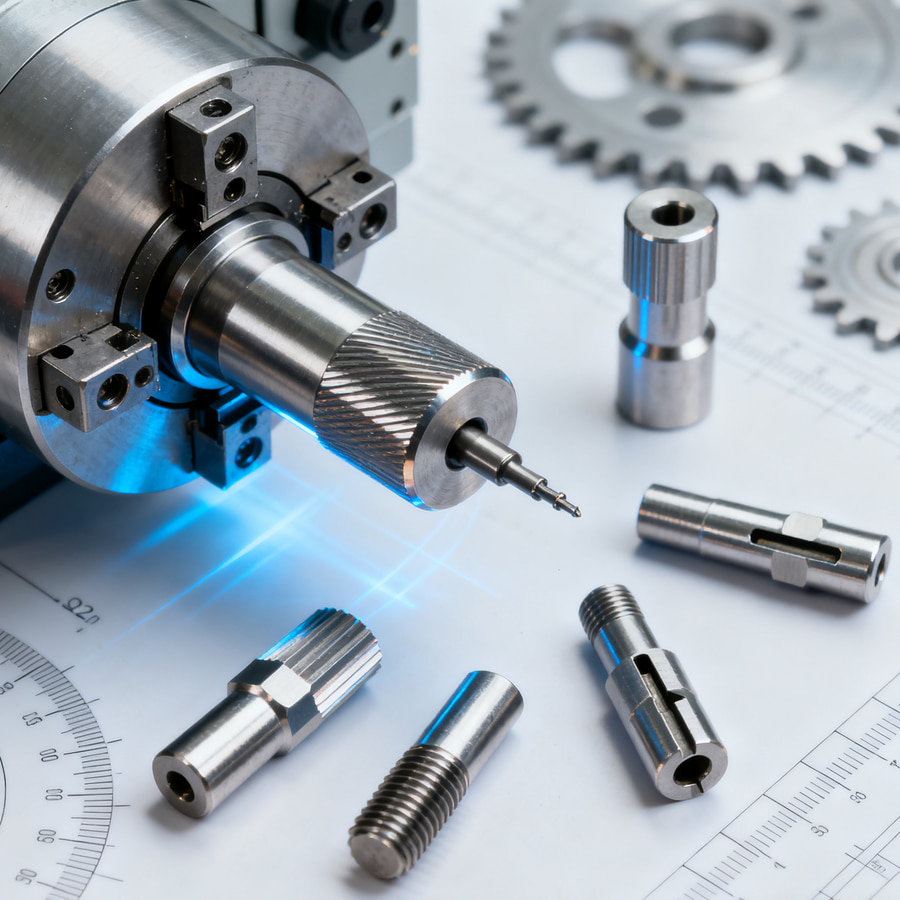
CNC milling parts represent a cornerstone of modern precision manufacturing, utilizing computer numerical control technology to create components with exceptional accuracy and repeatability. These sophisticated manufacturing solutions transform raw materials into finished products through automated cutting processes that remove material with rotating cutting tools. The fundamental operation involves a computer-controlled machine that follows programmed instructions to move cutting tools along multiple axes, typically three to five axes, enabling the creation of complex geometries that would be impossible or extremely difficult to achieve through traditional manufacturing methods. CNC milling parts encompass a vast range of components across industries, from aerospace brackets and medical device housings to automotive engine blocks and consumer electronics enclosures. The technology behind these parts relies on advanced software that converts digital designs into precise toolpath instructions, ensuring consistent quality across production runs. Modern CNC milling systems incorporate sophisticated spindle systems that can reach speeds exceeding 20,000 RPM while maintaining exceptional precision tolerances often within 0.001 inches. The versatility of cnc milling parts extends to material compatibility, as these systems can effectively machine metals including aluminum, steel, titanium, and exotic alloys, as well as engineering plastics and composites. Temperature management systems ensure dimensional stability during machining operations, while advanced tool changing mechanisms enable automatic switching between different cutting tools during complex operations. Quality control integration allows real-time monitoring of dimensional accuracy, surface finish, and tool wear, ensuring that every cnc milling part meets stringent specifications. The applications span from prototype development to high-volume production, making cnc milling parts essential for industries requiring precision, reliability, and efficiency in their manufacturing processes.

New Product Recommendations

CNC milling parts deliver substantial advantages that revolutionize manufacturing operations and provide measurable benefits for businesses across diverse industries. The precision capabilities of cnc milling parts eliminate human error factors, consistently producing components with tolerances that manual machining cannot achieve. This enhanced accuracy translates directly into improved product quality, reduced warranty claims, and enhanced customer satisfaction. The repeatability factor ensures that the first part produced matches the thousandth part exactly, eliminating variations that plague traditional manufacturing methods. Cost efficiency emerges as a primary advantage, as cnc milling parts reduce labor costs through automation while simultaneously increasing production speeds. The elimination of manual setup processes and the ability to run unattended operations during off-hours maximizes equipment utilization and reduces per-part costs significantly. Material waste reduction represents another compelling benefit, as precise toolpath programming minimizes scrap material while optimizing cutting strategies for maximum efficiency. The flexibility of cnc milling parts allows manufacturers to quickly adapt to design changes without retooling entire production lines, reducing time-to-market for new products. Complex geometries that would require multiple operations or specialized fixtures become achievable in single setups, streamlining workflows and reducing handling costs. Quality consistency across production runs eliminates the need for extensive quality control processes, as cnc milling parts maintain dimensional accuracy throughout extended production cycles. The ability to integrate with computer-aided design systems enables seamless transitions from concept to production, reducing development timelines and accelerating product launches. Skilled operator requirements decrease substantially compared to conventional machining, as cnc milling parts operate through programmed instructions rather than manual expertise. The scalability of production volumes accommodates both prototype quantities and mass production requirements without significant setup modifications. Enhanced safety features protect operators from hazardous machining operations while maintaining productivity levels. Documentation capabilities automatically record production parameters, ensuring traceability and compliance with quality standards essential for regulated industries.

Practical Tips

The cleaning of precision components is crucial to ensuring their smoothness and functionality.

29

Nov

The cleaning of precision components is crucial to ensuring their smoothness and functionality.

View More
Methods to Improve the Efficiency of Precision Component Processing

29

Nov

Methods to Improve the Efficiency of Precision Component Processing

View More
Kindness Warms the Heart, Responsibility in Action

29

Nov

Kindness Warms the Heart, Responsibility in Action

View More
Design Knowledge for Shaft Pin Components

29

Nov

Design Knowledge for Shaft Pin Components

View More

Get a Free Quote

Our representative will contact you soon.
Email
Name
Company Name
WhatsApp
Message
0/1000

cnc milling parts

Unmatched Precision and Dimensional Accuracy

Unmatched Precision and Dimensional Accuracy

The precision capabilities of cnc milling parts establish new benchmarks in manufacturing accuracy that directly impact product performance and customer satisfaction. Advanced servo motor systems and linear encoders work together to achieve positional accuracies within micrometers, ensuring that critical dimensions remain consistent across entire production runs. This precision level becomes particularly crucial for industries like aerospace and medical devices, where dimensional variations can compromise safety and functionality. The closed-loop control systems continuously monitor tool positions and automatically compensate for thermal expansion, machine deflection, and tool wear, maintaining accuracy throughout extended machining cycles. High-resolution feedback systems provide real-time position data that enables the control system to make instantaneous corrections, ensuring that cnc milling parts meet the most demanding specifications. Temperature compensation algorithms account for environmental variations and machine heat generation, preventing dimensional drift that could affect part quality. The rigid machine construction and precision-ground components eliminate vibrations and deflections that compromise accuracy in conventional machining operations. Advanced spindle bearings and precision ground ways ensure smooth motion across all axes, contributing to surface finish quality and dimensional consistency. Tool presetting systems establish exact tool geometries before machining begins, eliminating setup variations that affect part dimensions. The integration of probing systems allows for automatic workpiece alignment and in-process measurement verification, detecting potential issues before they affect part quality. Sophisticated interpolation algorithms enable smooth motion along complex curved surfaces, maintaining consistent feed rates and surface finishes. The ability to maintain tolerances within 0.0001 inches consistently reduces downstream assembly issues and eliminates the need for secondary operations. Quality documentation systems automatically record dimensional measurements and process parameters, providing complete traceability for critical applications. This precision advantage translates into reduced inspection time, lower rejection rates, and improved overall equipment effectiveness for manufacturing operations.
Advanced Automation and Operational Efficiency

Advanced Automation and Operational Efficiency

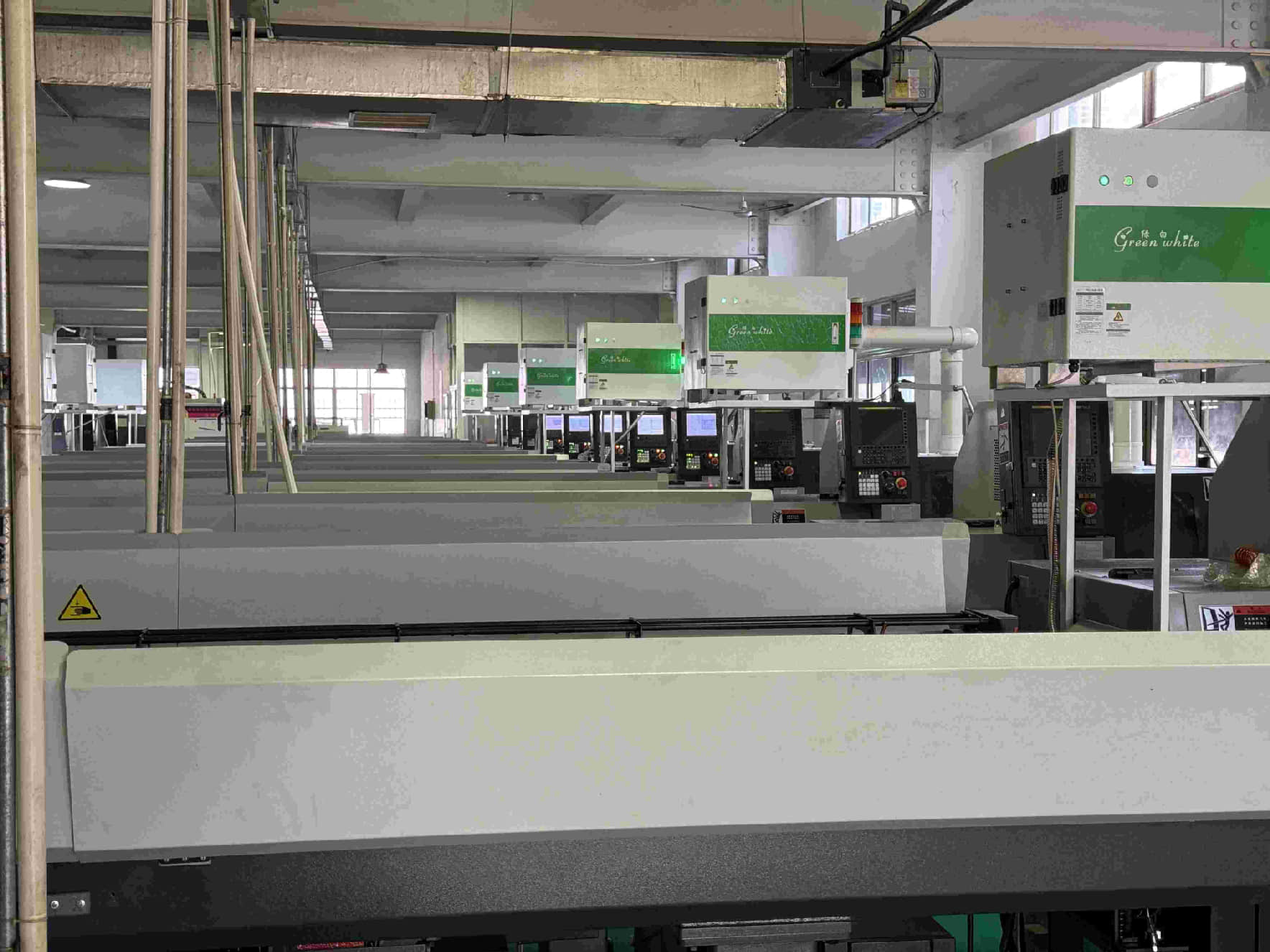
The automation capabilities of cnc milling parts transform manufacturing operations by eliminating manual interventions while maximizing productivity and consistency. Sophisticated control systems orchestrate complex machining sequences automatically, coordinating tool changes, spindle operations, coolant flow, and workpiece positioning without operator intervention. This automation extends to adaptive machining strategies that automatically adjust cutting parameters based on material conditions and tool wear, optimizing performance throughout the machining cycle. Automatic tool changers accommodate dozens of cutting tools, enabling complete part machining in single setups while reducing handling time and setup errors. The integration of robotic loading systems further enhances automation by handling workpiece placement and removal, enabling continuous operation during unmanned shifts. Predictive maintenance algorithms monitor machine performance parameters and alert operators to potential issues before they cause production disruptions, maximizing uptime and reliability. Real-time optimization systems continuously analyze cutting conditions and automatically adjust parameters to maintain optimal performance while extending tool life. The ability to store and recall thousands of program files enables rapid changeovers between different parts, reducing setup time and increasing machine utilization. Advanced scheduling software coordinates multiple machines and optimizes production sequences to maximize throughput while meeting delivery requirements. Integrated quality control systems perform automatic measurements and comparisons against specifications, identifying variations immediately and preventing defective parts from continuing through production. Remote monitoring capabilities allow operators to oversee multiple machines simultaneously while receiving alerts about status changes or required interventions. The seamless integration with enterprise resource planning systems provides real-time production data that enables accurate scheduling and inventory management. Energy management features optimize power consumption during different machining operations, reducing operational costs while maintaining performance levels. This comprehensive automation approach results in significant labor cost reductions, improved consistency, and enhanced competitiveness for manufacturers utilizing cnc milling parts in their operations.
Versatile Material Processing and Complex Geometry Capabilities

Versatile Material Processing and Complex Geometry Capabilities

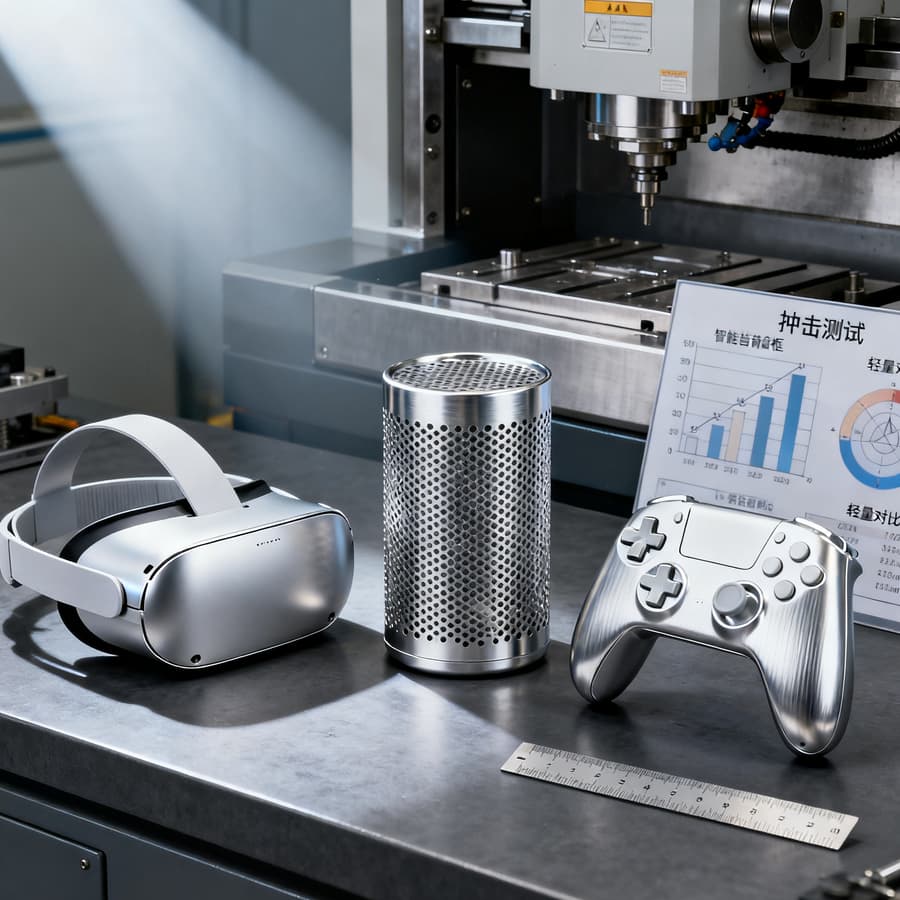
The versatility of cnc milling parts in handling diverse materials and complex geometries opens unlimited possibilities for innovative product design and manufacturing flexibility. Advanced spindle systems and cutting tool technologies enable effective machining of materials ranging from soft plastics to hardened steels and exotic superalloys used in demanding applications. The multi-axis capabilities of modern cnc milling parts allow simultaneous cutting operations along multiple planes, creating complex three-dimensional shapes that would be impossible with conventional machining methods. Five-axis machining capabilities eliminate the need for multiple setups and fixtures, reducing handling time while improving accuracy and surface finish quality. The ability to machine undercuts, internal features, and complex curved surfaces in single operations streamlines production workflows and reduces manufacturing costs. Specialized cutting strategies accommodate different material properties, automatically adjusting feed rates, spindle speeds, and cutting depths to optimize performance for each specific material type. Advanced coolant systems and chip evacuation mechanisms handle the challenges associated with different materials, from heat-sensitive plastics to work-hardening stainless steels. The integration of high-pressure coolant systems enables effective machining of difficult-to-machine materials while extending tool life and improving surface finish quality. Adaptive machining algorithms continuously monitor cutting forces and vibrations, automatically adjusting parameters to prevent tool breakage and maintain surface quality across varying material conditions. The capability to machine thin-walled components without distortion requires sophisticated workholding solutions and machining strategies that cnc milling parts deliver consistently. Complex internal passages, intricate cooling channels, and detailed surface textures become achievable through specialized tooling and programming techniques. The ability to switch between roughing and finishing operations automatically ensures optimal material removal rates while achieving required surface finish specifications. Composite material machining capabilities address the growing demand for lightweight, high-strength components in aerospace and automotive applications. This material and geometry versatility enables manufacturers to consolidate multiple operations, reduce part counts, and create innovative designs that enhance product performance while reducing manufacturing complexity and costs.