Custom Machined Parts: Precision Manufacturing Solutions for Superior Performance

All Categories

custom machined parts

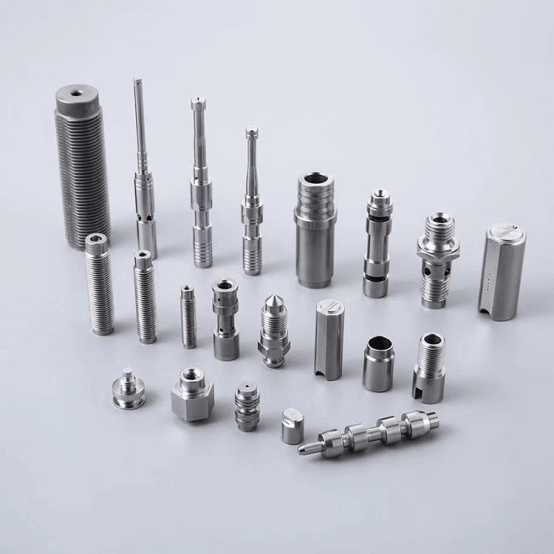
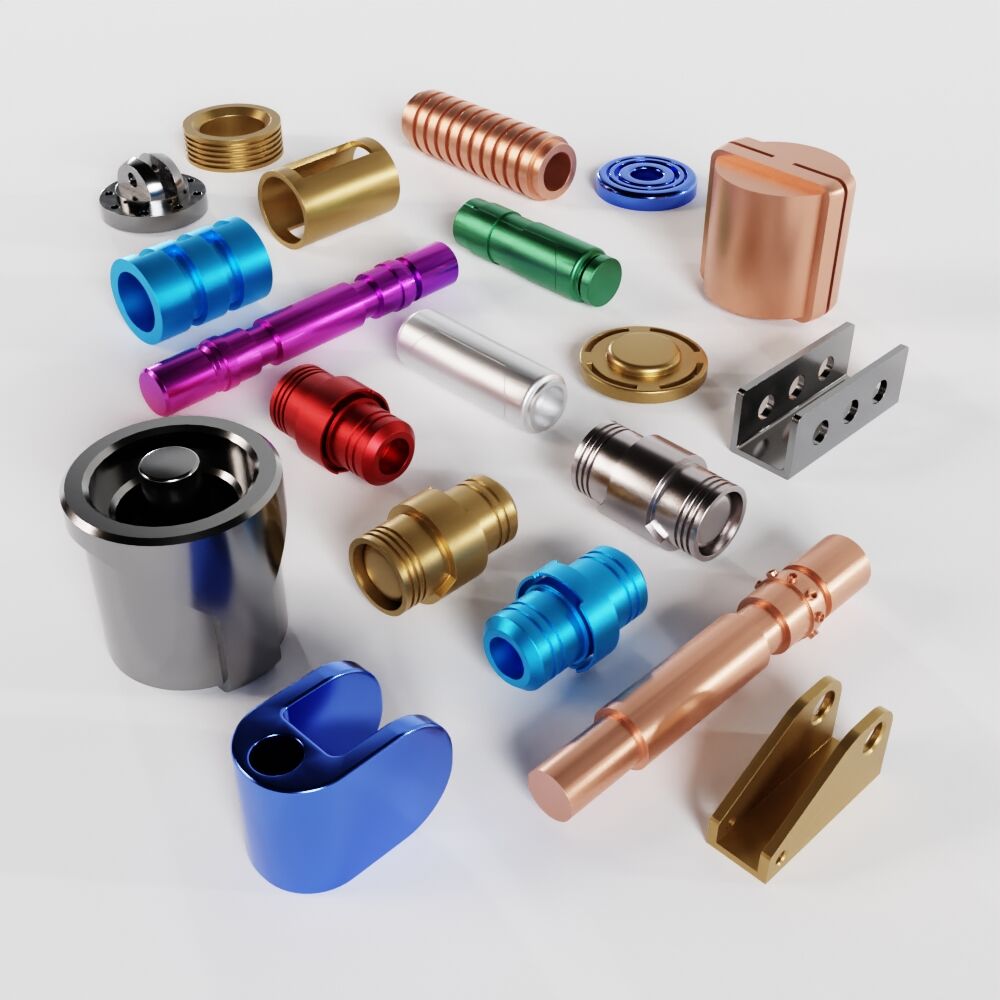
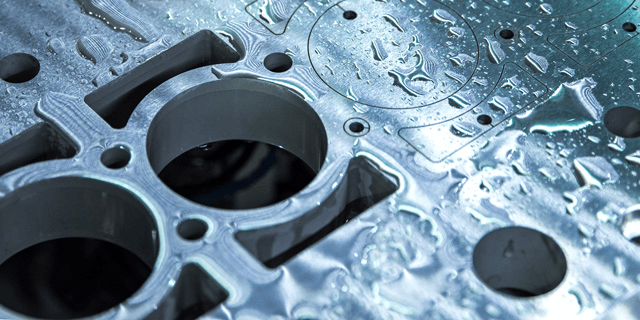
Custom machined parts represent precision-engineered components manufactured to exact specifications using advanced machining processes. These specialized components serve as the backbone of countless industries, from aerospace and automotive to medical devices and electronics. Unlike standard off-the-shelf parts, custom machined parts are designed and produced to meet unique requirements, ensuring perfect fit and optimal performance in specific applications. The manufacturing process involves sophisticated computer numerical control (CNC) machines that can work with various materials including aluminum, steel, titanium, brass, and advanced composites. These machines utilize cutting-edge technology to remove material with incredible accuracy, creating complex geometries and maintaining tight tolerances often measured in thousandths of an inch. The primary function of custom machined parts extends beyond simple replacement components. They enable engineers and designers to create innovative solutions that push the boundaries of what is possible in mechanical design. Whether creating intricate medical implants, high-performance automotive components, or specialized aerospace parts, custom machined parts deliver the precision and reliability that critical applications demand. The technological features of these components include superior surface finishes, dimensional accuracy, and material integrity that cannot be achieved through conventional manufacturing methods. Advanced machining centers can perform multiple operations in a single setup, including milling, turning, drilling, and threading, which ensures consistency and reduces production time. Quality control measures throughout the manufacturing process guarantee that each custom machined part meets or exceeds specified requirements, making them essential for applications where failure is not an option.
New Product Releases

Custom machined parts offer numerous practical benefits that make them invaluable for businesses seeking high-quality manufacturing solutions. The most significant advantage is precision manufacturing that delivers components with exceptional accuracy and consistency. This precision translates directly into improved product performance and reliability, reducing the risk of costly failures in critical applications. Companies can specify exact dimensions, tolerances, and material properties, ensuring that each custom machined part perfectly fits their unique requirements. Cost efficiency emerges as another major benefit, particularly for specialized applications where standard parts simply cannot deliver adequate performance. While the initial investment may seem higher than off-the-shelf alternatives, custom machined parts often provide superior value through extended service life, reduced maintenance requirements, and improved operational efficiency. The ability to optimize designs for specific applications means that custom machined parts can often replace multiple standard components, simplifying assemblies and reducing overall system complexity. Material selection flexibility allows manufacturers to choose the optimal material for each application, whether that requires exceptional corrosion resistance, high strength-to-weight ratios, or specialized thermal properties. This flexibility extends to surface treatments and coatings that can enhance performance characteristics such as wear resistance or electrical conductivity. Production efficiency benefits include streamlined manufacturing processes and reduced inventory requirements. Rather than stocking multiple standard parts that may not provide optimal performance, companies can rely on custom machined parts that are designed specifically for their applications. Quality assurance represents another crucial advantage, as custom machined parts undergo rigorous inspection and testing throughout the manufacturing process. This comprehensive quality control ensures that each component meets specified requirements and performs reliably in service. The ability to incorporate multiple features into a single custom machined part can eliminate the need for assembly operations, reducing labor costs and potential failure points. Innovation support is perhaps one of the most valuable advantages, as custom machined parts enable designers to create breakthrough products that would be impossible with standard components. This capability to push design boundaries often leads to competitive advantages and market differentiation.

Tips And Tricks

The cleaning of precision components is crucial to ensuring their smoothness and functionality.

29

Nov

The cleaning of precision components is crucial to ensuring their smoothness and functionality.

View More
Methods to Improve the Efficiency of Precision Component Processing

29

Nov

Methods to Improve the Efficiency of Precision Component Processing

View More
Kindness Warms the Heart, Responsibility in Action

29

Nov

Kindness Warms the Heart, Responsibility in Action

View More
Design Knowledge for Shaft Pin Components

29

Nov

Design Knowledge for Shaft Pin Components

View More

Get a Free Quote

Our representative will contact you soon.
Email
Name
Company Name
WhatsApp
Message
0/1000

custom machined parts

Unmatched Precision and Dimensional Accuracy

Unmatched Precision and Dimensional Accuracy

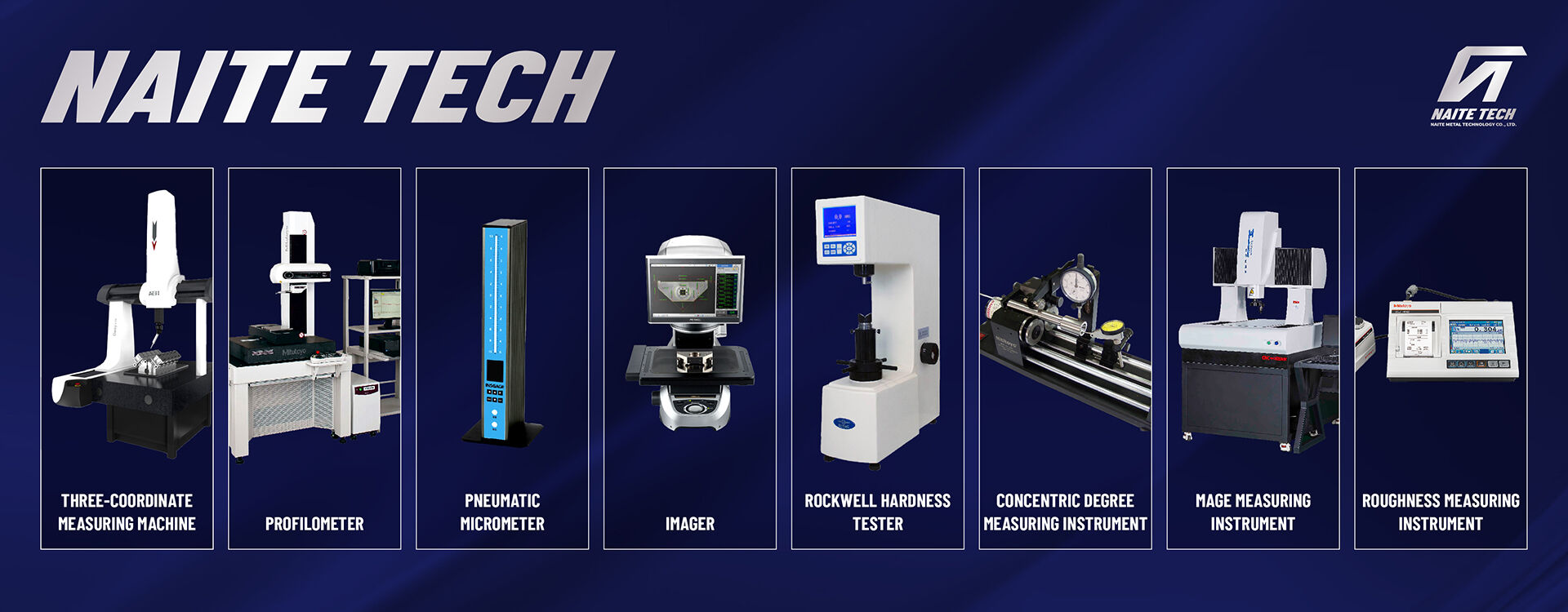
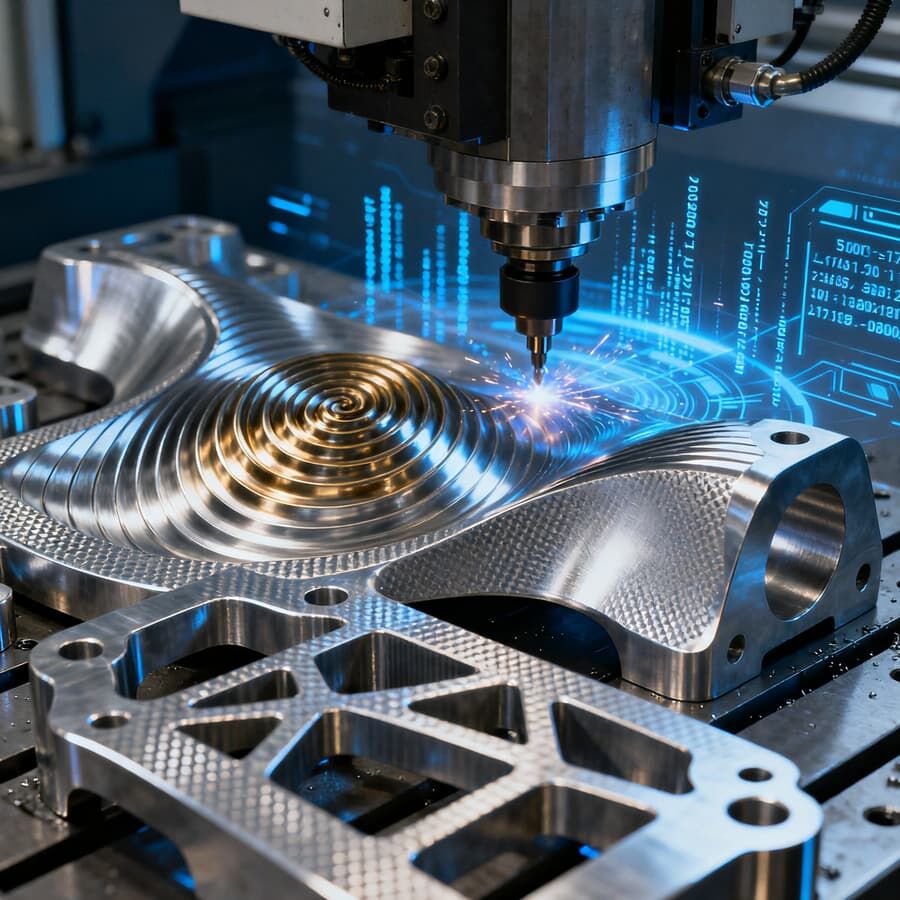
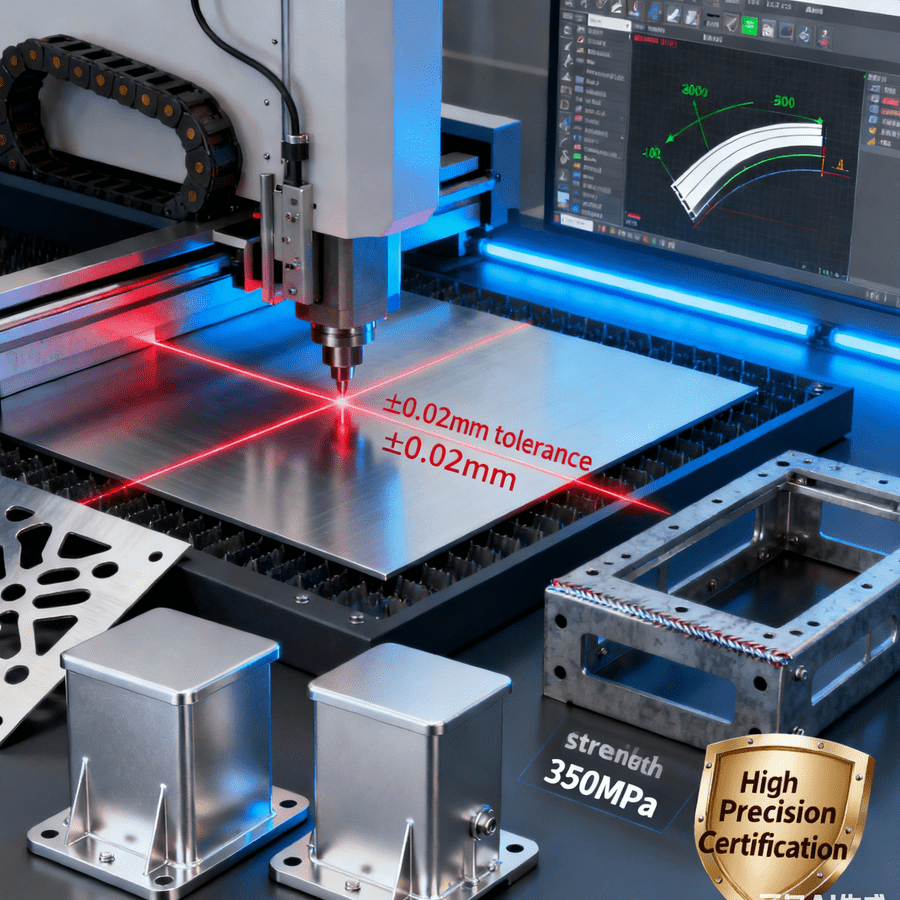
The precision capabilities of custom machined parts set them apart from all other manufacturing methods, delivering dimensional accuracy that can reach tolerances as tight as plus or minus 0.0001 inches. This extraordinary precision is achieved through state-of-the-art CNC machining centers equipped with advanced measurement systems and environmental controls that eliminate variables that could affect accuracy. The precision manufacturing process begins with detailed engineering drawings and specifications that define every critical dimension and tolerance requirement. Computer-aided manufacturing software then generates optimized tool paths that ensure consistent material removal while maintaining surface integrity. High-precision spindles operating at variable speeds allow for optimal cutting conditions across different materials and geometries, while rigid machine construction minimizes vibration and deflection that could compromise accuracy. Temperature-controlled manufacturing environments ensure that thermal expansion does not affect dimensional stability during the machining process. Multi-axis capabilities enable complex geometries to be machined in single setups, eliminating the accumulation of errors that can occur when parts are repositioned between operations. In-process measurement systems continuously monitor dimensions throughout manufacturing, making automatic adjustments when necessary to maintain specified tolerances. This level of precision directly translates to superior product performance in critical applications where even minor dimensional variations can lead to failure or reduced efficiency. Medical devices, aerospace components, and precision instruments all rely on this exceptional accuracy to function properly. The consistency of custom machined parts means that replacement components will fit and perform exactly like the originals, reducing downtime and maintenance costs. Quality assurance protocols including coordinate measuring machines and statistical process control ensure that precision standards are maintained throughout production runs. This commitment to precision makes custom machined parts the preferred choice for applications where accuracy is paramount and failure is not acceptable.
Superior Material Versatility and Performance Optimization

Superior Material Versatility and Performance Optimization

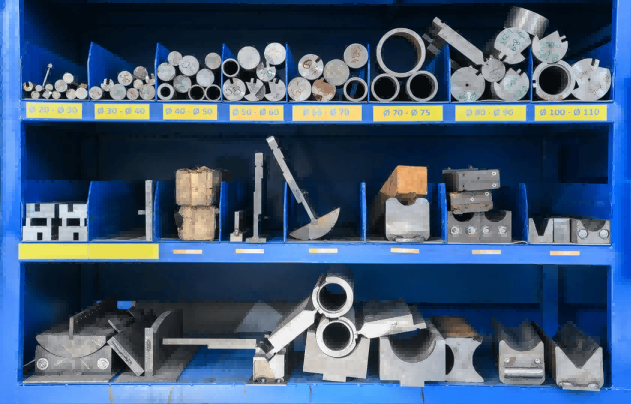
Custom machined parts excel in material versatility, offering access to an extensive range of materials that can be optimized for specific performance requirements and operating conditions. This material flexibility extends far beyond basic metals to include advanced alloys, exotic materials, and specialized composites that provide unique combinations of properties. Aluminum alloys offer excellent strength-to-weight ratios and corrosion resistance, making them ideal for aerospace and automotive applications where weight reduction is critical. Stainless steel grades provide superior corrosion resistance and hygiene properties essential for medical and food processing applications. Titanium alloys deliver exceptional strength and biocompatibility for demanding aerospace and medical implant applications. High-performance plastics and composites offer unique combinations of chemical resistance, electrical properties, and thermal stability that metallic materials cannot match. The ability to select optimal materials for each application ensures that custom machined parts deliver maximum performance and service life. Material selection considers factors including operating temperature ranges, chemical exposure, mechanical stress levels, and environmental conditions. Advanced heat treatment processes can further enhance material properties, providing specific hardness levels, stress relief, and dimensional stability. Surface treatments and coatings can be applied to enhance wear resistance, reduce friction, improve electrical conductivity, or provide specialized appearance characteristics. The expertise of experienced machinists and engineers ensures that material selection takes into account not only performance requirements but also machining characteristics and cost considerations. This comprehensive approach to material optimization results in custom machined parts that outperform standard alternatives while often providing cost advantages through extended service life and reduced maintenance requirements. Quality control procedures verify that materials meet specified chemical composition and mechanical property requirements before machining begins. Post-machining inspection confirms that all performance characteristics have been achieved and maintained throughout the manufacturing process.
Rapid Prototyping and Design Iteration Capabilities

Rapid Prototyping and Design Iteration Capabilities

Custom machined parts provide unparalleled opportunities for rapid prototyping and design iteration, enabling engineers and designers to quickly test concepts, validate designs, and optimize performance before committing to full production. This capability represents a fundamental advantage in today's fast-paced development environment where time-to-market can determine competitive success. The rapid prototyping process begins with computer-aided design files that can be quickly converted into machining programs, allowing prototype custom machined parts to be produced within days rather than weeks or months required for other manufacturing methods. Advanced CAM software optimizes tool paths for prototype production, balancing speed with quality to deliver functional parts quickly. Single prototype units can be produced economically, allowing multiple design iterations without significant financial investment. This flexibility enables designers to explore alternative approaches, test different materials, and optimize geometries based on actual performance data rather than theoretical calculations. The ability to machine functional prototypes from production materials provides accurate performance data that cannot be obtained from models or simulation alone. Design validation through prototype testing reveals potential issues early in the development process, preventing costly design changes during production phases. Iterative design improvements can be implemented quickly, with modified custom machined parts available for testing within short timeframes. This rapid iteration capability accelerates the overall development process and improves final product quality. Complex assemblies can be prototyped and tested to verify fit and function before committing to production tooling or processes. The knowledge gained through prototype testing of custom machined parts often leads to design optimizations that improve performance while reducing manufacturing costs. Engineering teams can evaluate multiple design alternatives quickly and cost-effectively, leading to better final designs. Customer feedback can be incorporated into design iterations rapidly, ensuring that final products meet market requirements. The transition from prototype to production is seamless since the same manufacturing processes and quality standards apply to both phases, eliminating the risks associated with process changes during scale-up.