Versatile Material Compatibility and Processing Capabilities
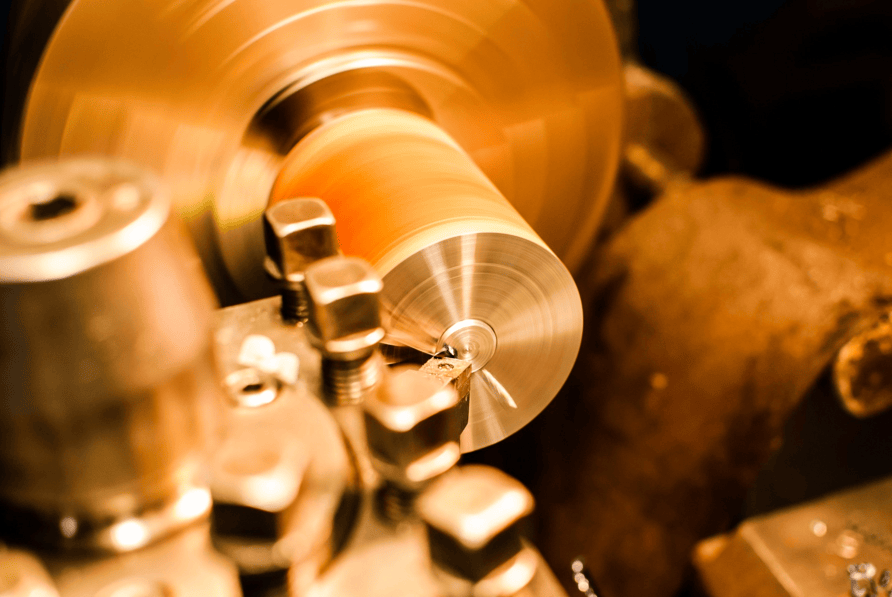
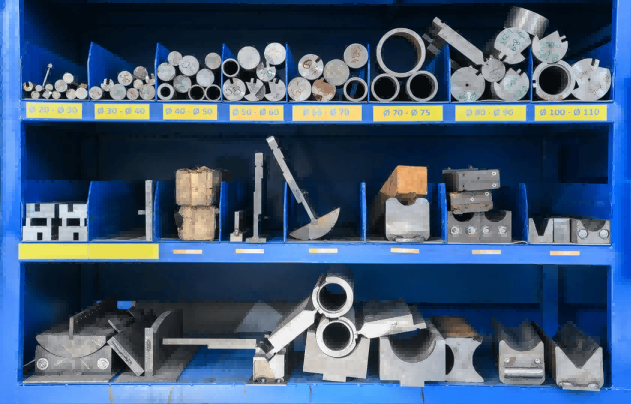
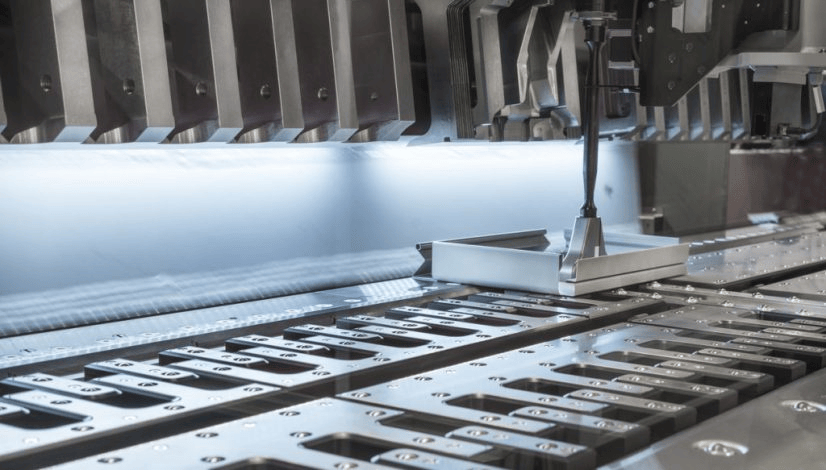
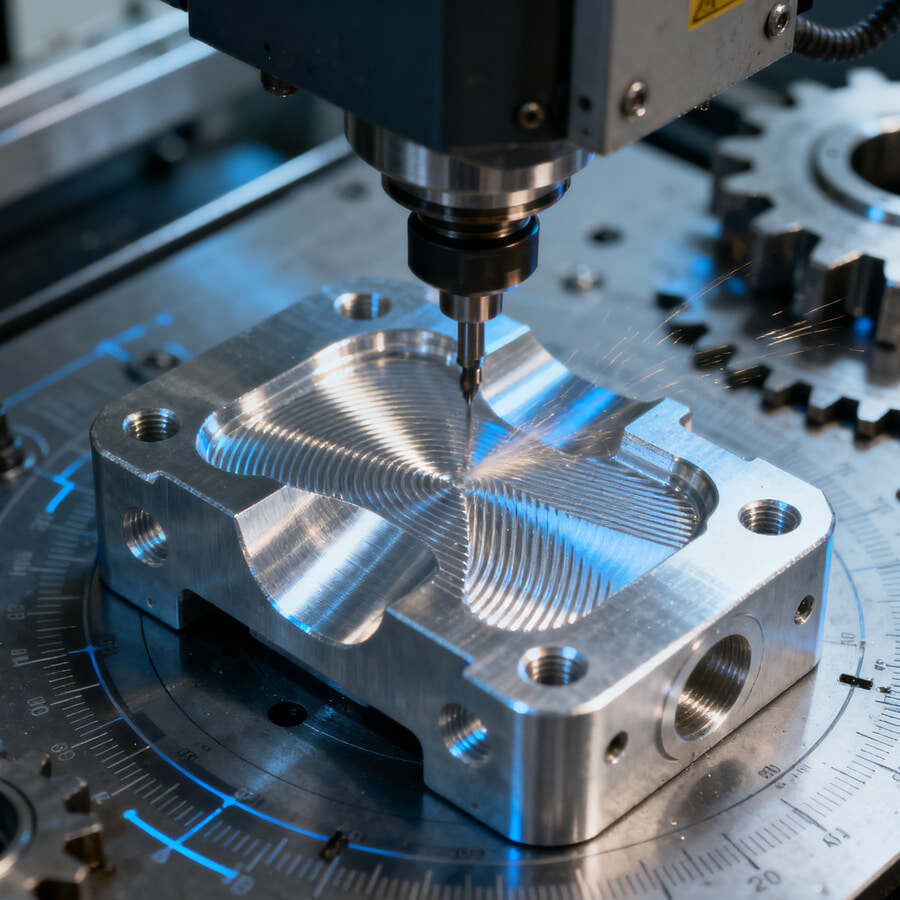
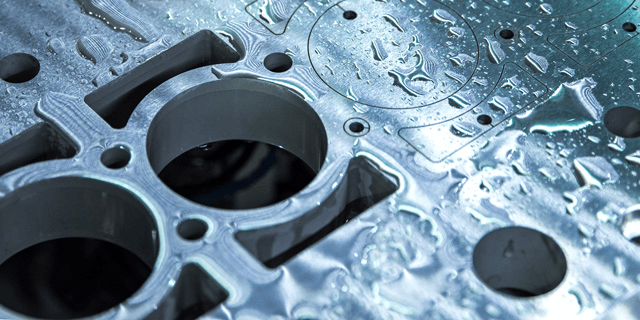
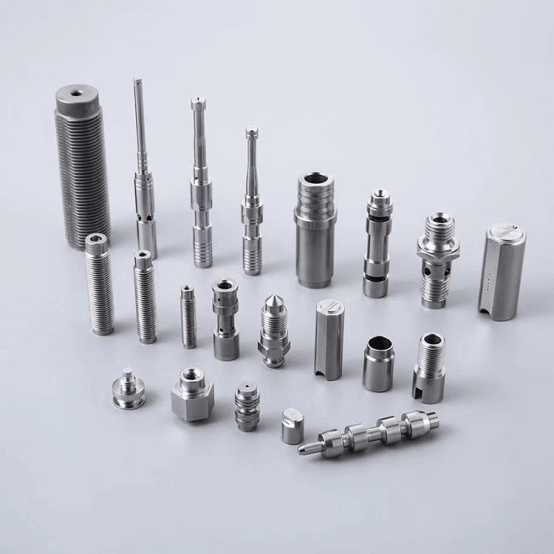
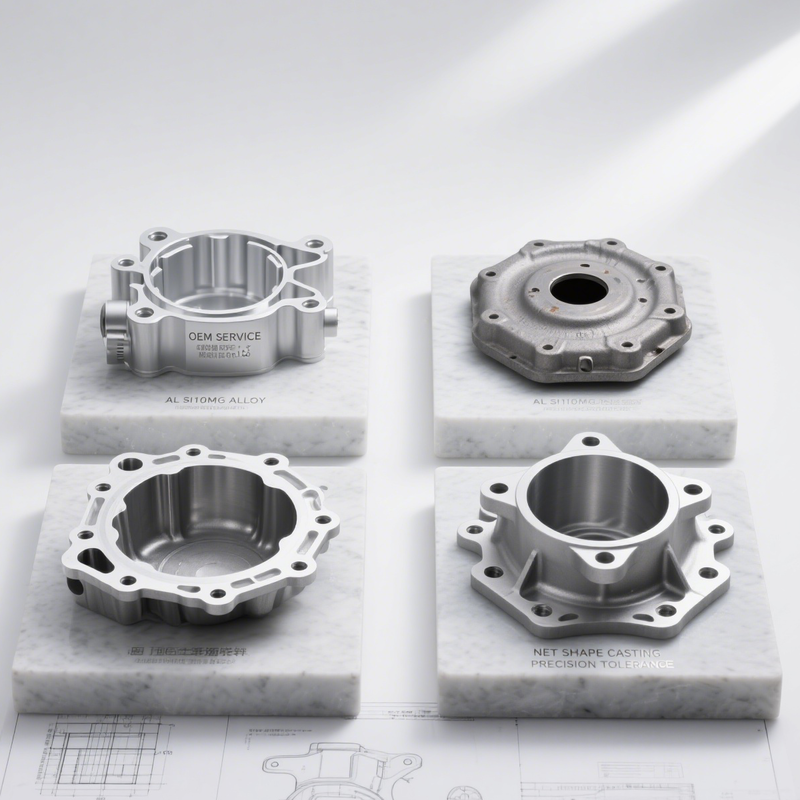
CNC milling aluminum excels in processing diverse aluminum alloys and grades, from soft commercial-purity aluminum to high-strength aerospace alloys, each requiring specialized machining parameters and techniques. The technology adapts seamlessly to different aluminum tempers, including annealed, work-hardened, and precipitation-hardened conditions, adjusting cutting speeds, feeds, and tool selections accordingly. Advanced CNC milling aluminum systems incorporate material databases that automatically optimize machining parameters based on alloy composition and mechanical properties, ensuring consistent results across different aluminum grades. The versatility extends to various aluminum forms, including plate, bar stock, extrusions, and castings, with programming flexibility that accommodates different starting geometries and material orientations. Specialized cooling and lubrication systems prevent aluminum adhesion to cutting tools while managing heat generation that could affect material properties or dimensional stability. The technology handles thin-wall aluminum components without distortion through carefully controlled clamping strategies and optimized tool paths that minimize cutting forces. CNC milling aluminum capabilities include both roughing operations that remove large amounts of material efficiently and finishing passes that achieve mirror-like surface quality suitable for appearance-critical applications. Multi-axis capabilities enable complex aluminum part geometries including compound angles, internal features, and intricate surface textures that would be impossible with conventional machining methods. The processing versatility accommodates various part sizes from miniature electronic components to large structural elements, with machine selections optimized for specific size ranges and accuracy requirements. Tool technology specifically designed for aluminum machining includes specialized coatings, geometries, and materials that optimize performance across different cutting conditions and aluminum alloys. The adaptability of CNC milling aluminum extends to various production volumes, from single prototypes requiring maximum flexibility to high-volume production demanding consistency and efficiency. Integration capabilities allow CNC milling aluminum systems to work seamlessly with other manufacturing processes including assembly, finishing, and quality inspection operations, creating efficient production workflows that maximize overall manufacturing effectiveness.



 EN
EN