Custom CNC Milling Parts - Precision Manufacturing Solutions for Complex Components

All Categories

custom cnc milling parts

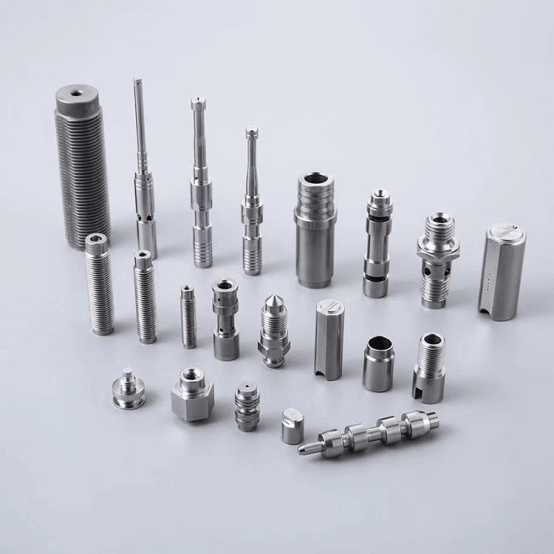
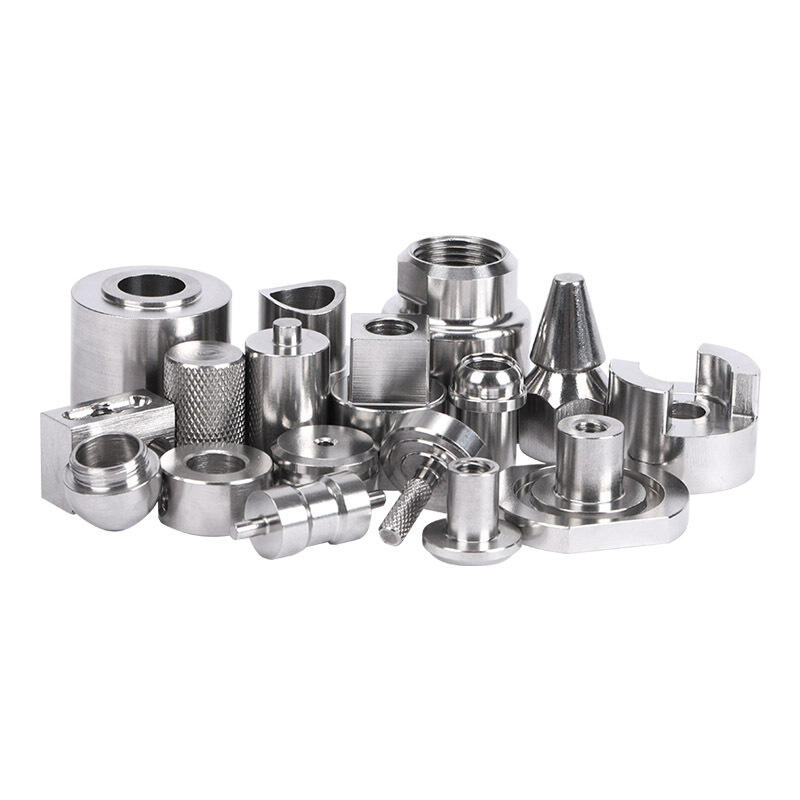
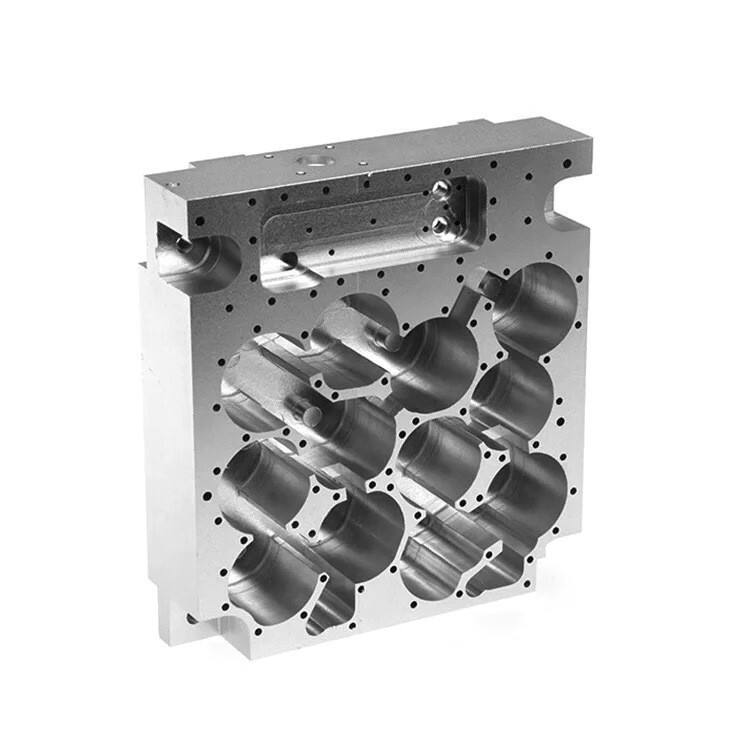
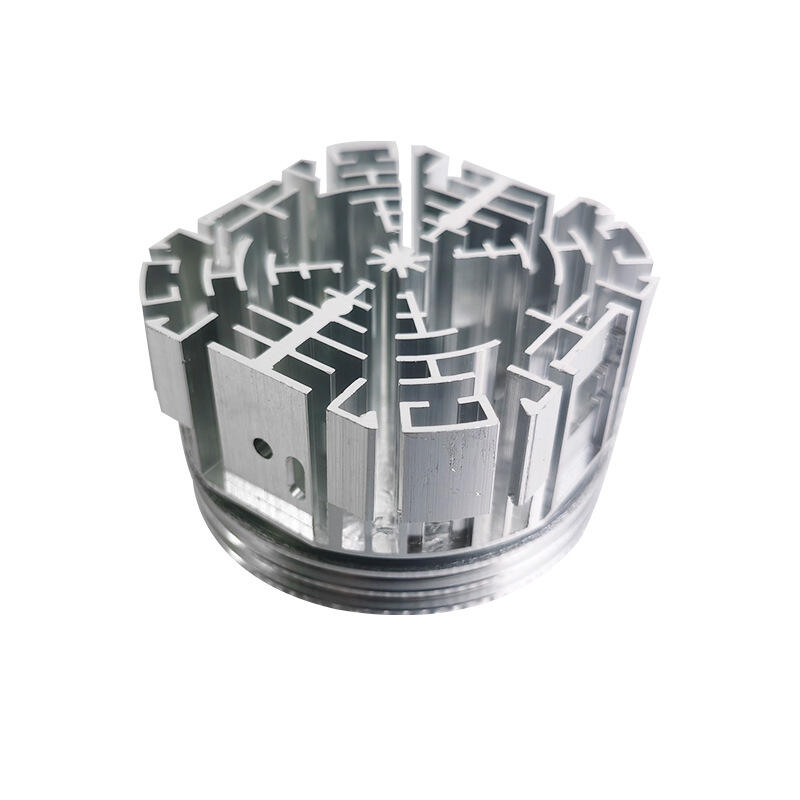
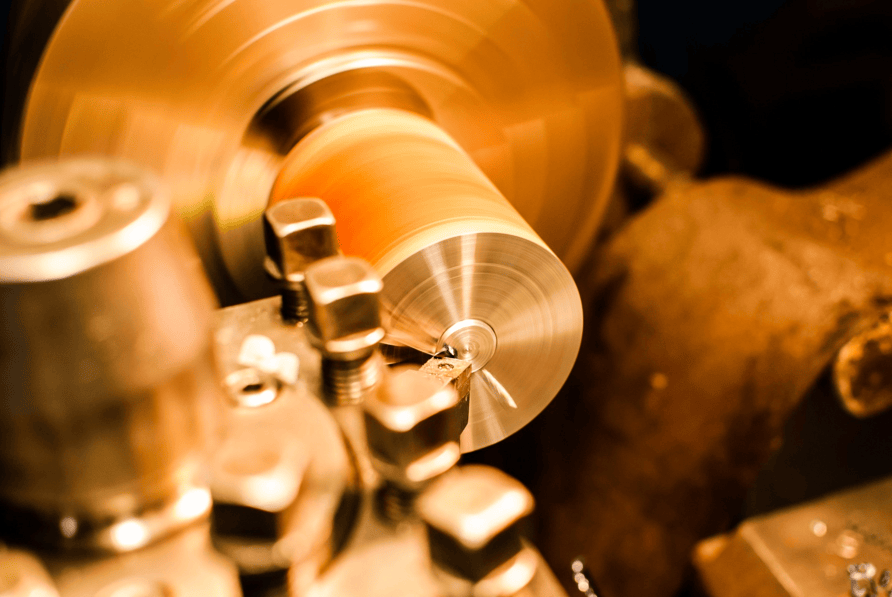
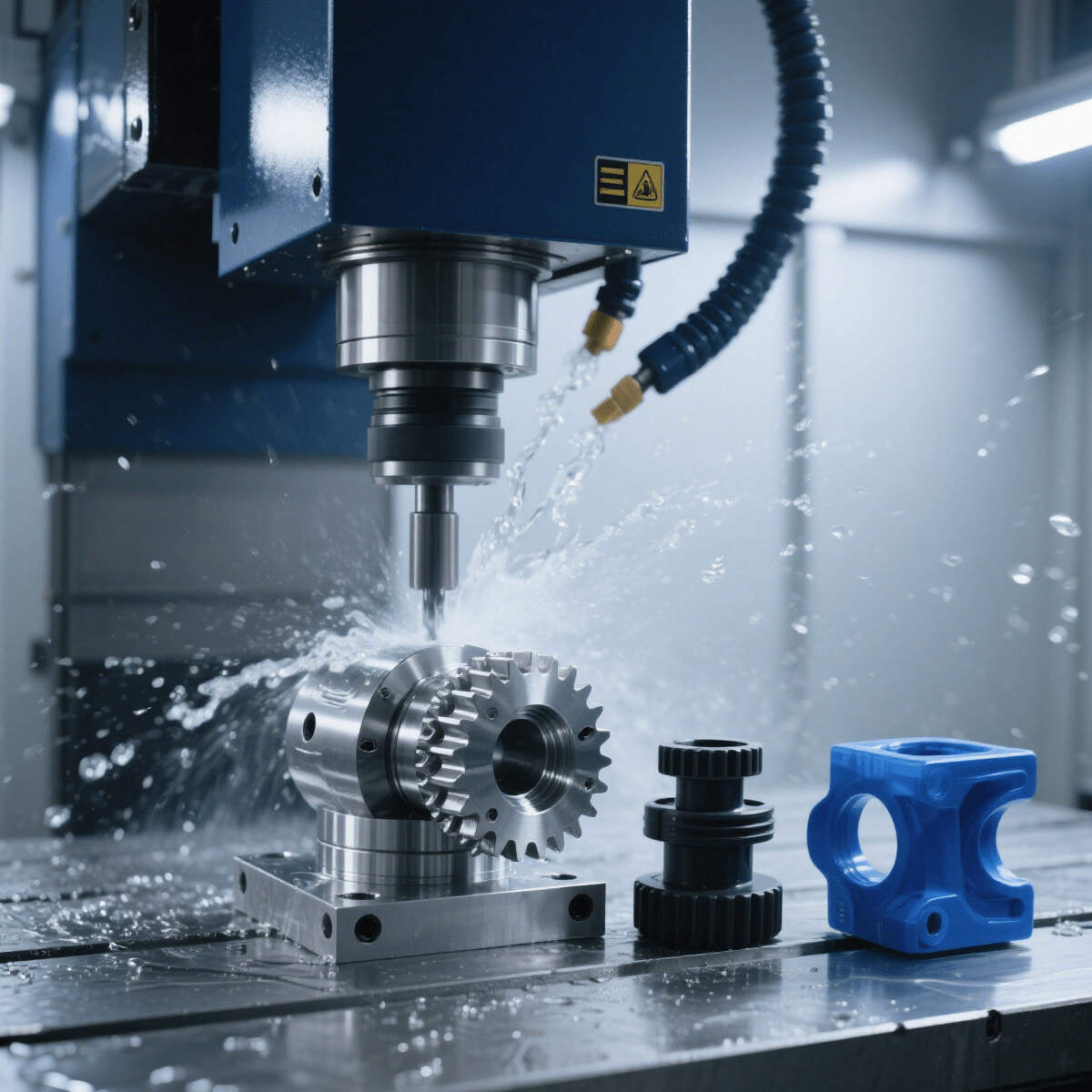
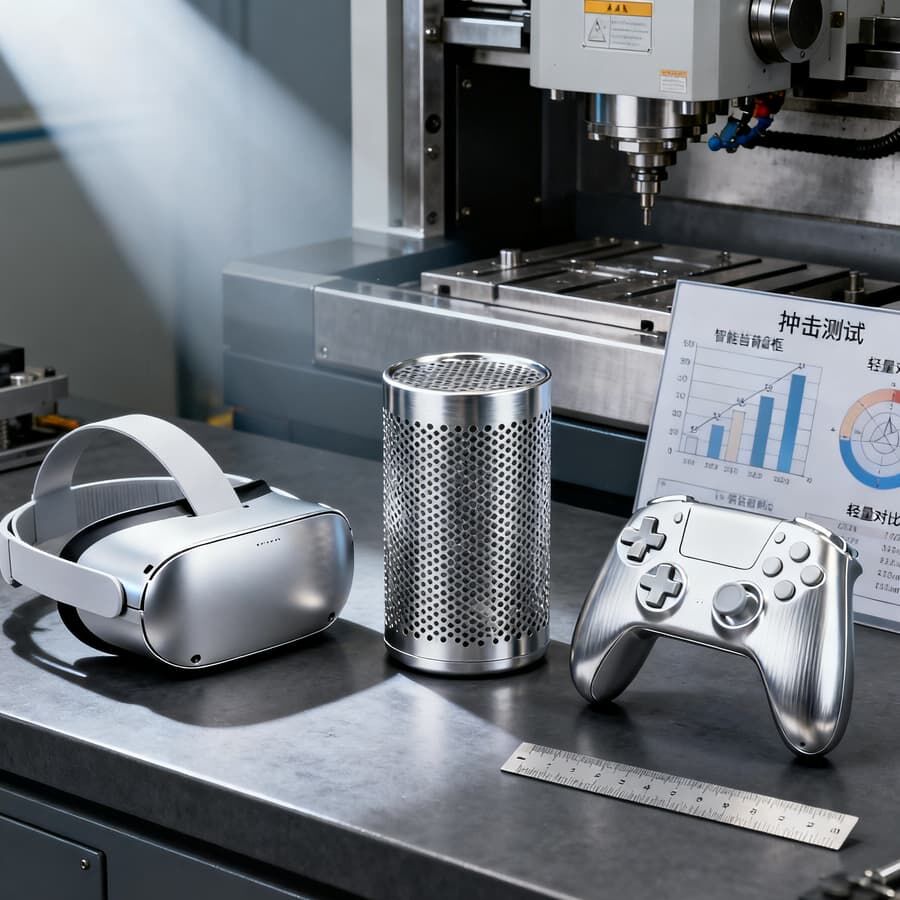
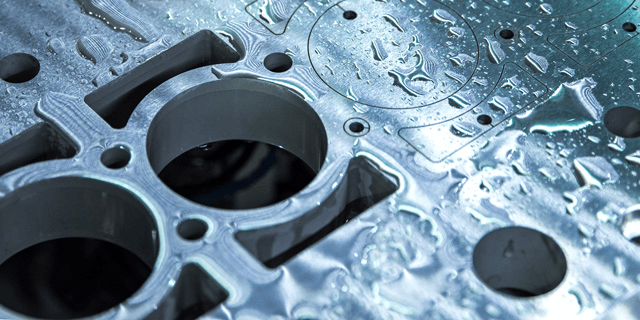
Custom CNC milling parts represent a revolutionary manufacturing solution that transforms raw materials into precisely engineered components through computer-controlled machining processes. These specialized parts are created using advanced CNC milling machines that remove material from workpieces with exceptional accuracy, producing components that meet exact specifications and tolerances. The technology behind custom CNC milling parts involves sophisticated software programming that controls cutting tools to create complex geometries, intricate features, and smooth surface finishes across various materials including aluminum, steel, titanium, plastics, and composites. The main functions of custom CNC milling parts encompass creating prototypes, producing small to medium production runs, and manufacturing replacement components for existing machinery. These parts serve critical roles in automotive engines, aerospace assemblies, medical devices, electronic enclosures, and industrial equipment where precision and reliability are paramount. The technological features of custom CNC milling parts include multi-axis machining capabilities, which allow for complex three-dimensional shapes and undercuts that would be impossible with traditional manufacturing methods. Modern CNC milling centers can operate with three, four, or five axes simultaneously, enabling the creation of sophisticated geometries in single setups. The precision achievable with custom CNC milling parts typically ranges from ±0.001 to ±0.005 inches, depending on material properties and part complexity. Surface finish quality can reach Ra values as low as 32 microinches, eliminating the need for secondary finishing operations in many applications. The applications for custom CNC milling parts span numerous industries, from creating turbine blades for power generation to manufacturing surgical instruments for healthcare. In the electronics sector, these parts form heat sinks, chassis components, and connector housings that require precise dimensions and excellent thermal properties. The automotive industry relies on custom CNC milling parts for engine components, transmission cases, and suspension parts that must withstand extreme operating conditions while maintaining dimensional stability throughout their service life.
New Product Releases

Custom CNC milling parts deliver exceptional precision that surpasses traditional manufacturing methods, ensuring components meet the most demanding specifications with consistent repeatability. This precision translates directly into better-fitting assemblies, reduced assembly time, and improved overall product performance. Manufacturing teams benefit from the ability to create complex geometries that would require multiple operations using conventional methods, streamlining production workflows and reducing handling costs. The versatility of custom CNC milling parts allows manufacturers to work with an extensive range of materials, from soft plastics to hardened steels, without requiring specialized tooling for each material type. This flexibility enables rapid material changes based on application requirements or cost considerations, providing manufacturing agility that responds quickly to market demands. Production speed represents another significant advantage, as custom CNC milling parts can be produced directly from digital files without lengthy setup procedures or expensive tooling creation. Once programming is complete, identical parts can be manufactured repeatedly with minimal operator intervention, reducing labor costs and human error. The scalability of custom CNC milling parts production allows manufacturers to efficiently handle orders ranging from single prototypes to thousands of production pieces using the same setup and programming. This scalability eliminates the need for different manufacturing processes as volumes change, maintaining consistency throughout the product lifecycle. Quality control benefits emerge from the digital nature of CNC milling, as each custom part follows identical tool paths and cutting parameters, ensuring uniform quality across entire production batches. Dimensional inspection data can be integrated directly into the manufacturing process, providing real-time feedback and automatic adjustments to maintain specified tolerances. Cost-effectiveness becomes apparent when considering the elimination of expensive tooling, fixtures, and dies typically required for other manufacturing processes. Custom CNC milling parts require only standard cutting tools and workholding devices, reducing upfront investment and allowing for quick changes between different part designs. The reduced waste generation compared to traditional machining methods contributes to material cost savings, as CNC programming optimizes cutting paths to minimize material removal while achieving desired geometries. Lead times for custom CNC milling parts are significantly shorter than traditional manufacturing approaches, enabling rapid prototyping and faster time-to-market for new products. This speed advantage proves crucial in competitive markets where product introduction timing can determine commercial success.

Practical Tips

The cleaning of precision components is crucial to ensuring their smoothness and functionality.

29

Nov

The cleaning of precision components is crucial to ensuring their smoothness and functionality.

View More
Methods to Improve the Efficiency of Precision Component Processing

29

Nov

Methods to Improve the Efficiency of Precision Component Processing

View More
Kindness Warms the Heart, Responsibility in Action

29

Nov

Kindness Warms the Heart, Responsibility in Action

View More
Design Knowledge for Shaft Pin Components

29

Nov

Design Knowledge for Shaft Pin Components

View More

Get a Free Quote

Our representative will contact you soon.
Email
Name
Company Name
WhatsApp
Message
0/1000

custom cnc milling parts

Unmatched Precision and Dimensional Accuracy

Unmatched Precision and Dimensional Accuracy

Custom CNC milling parts achieve dimensional tolerances that set the industry standard for precision manufacturing, delivering accuracies within ±0.001 inches across complex three-dimensional geometries. This exceptional precision results from the computer-controlled nature of CNC milling, where cutting tools follow programmed paths with mechanical repeatability that eliminates human variation and tool positioning errors. The precision capabilities of custom CNC milling parts extend beyond simple dimensional accuracy to include surface finish quality, geometric tolerances, and positional relationships between features that traditional manufacturing methods struggle to achieve consistently. Advanced CNC milling centers incorporate thermal compensation systems that automatically adjust for machine expansion and contraction during operation, maintaining tight tolerances even during extended production runs where temperature variations could affect part quality. The measurement and verification systems integrated into modern CNC milling operations provide real-time dimensional feedback, allowing for immediate corrections and ensuring every custom part meets specified requirements before leaving the machine. This precision translates into tangible benefits for customers, including reduced assembly times, improved fit and finish of final products, and enhanced performance characteristics that depend on tight dimensional control. In critical applications such as aerospace components or medical devices, the precision of custom CNC milling parts can mean the difference between product success and failure, making this accuracy level essential rather than merely desirable. The consistency of precision across production quantities ensures that whether ordering a single prototype or thousands of production pieces, each custom CNC milling part will maintain the same dimensional integrity and quality standards. This reliability reduces the need for incoming inspection and quality control procedures, streamlining customer supply chains and reducing total cost of ownership. The precision advantages extend to complex features such as threaded holes, counterbores, and intricate surface profiles that require exact positioning and dimensional control to function properly within larger assemblies.
Exceptional Material Versatility and Compatibility

Exceptional Material Versatility and Compatibility

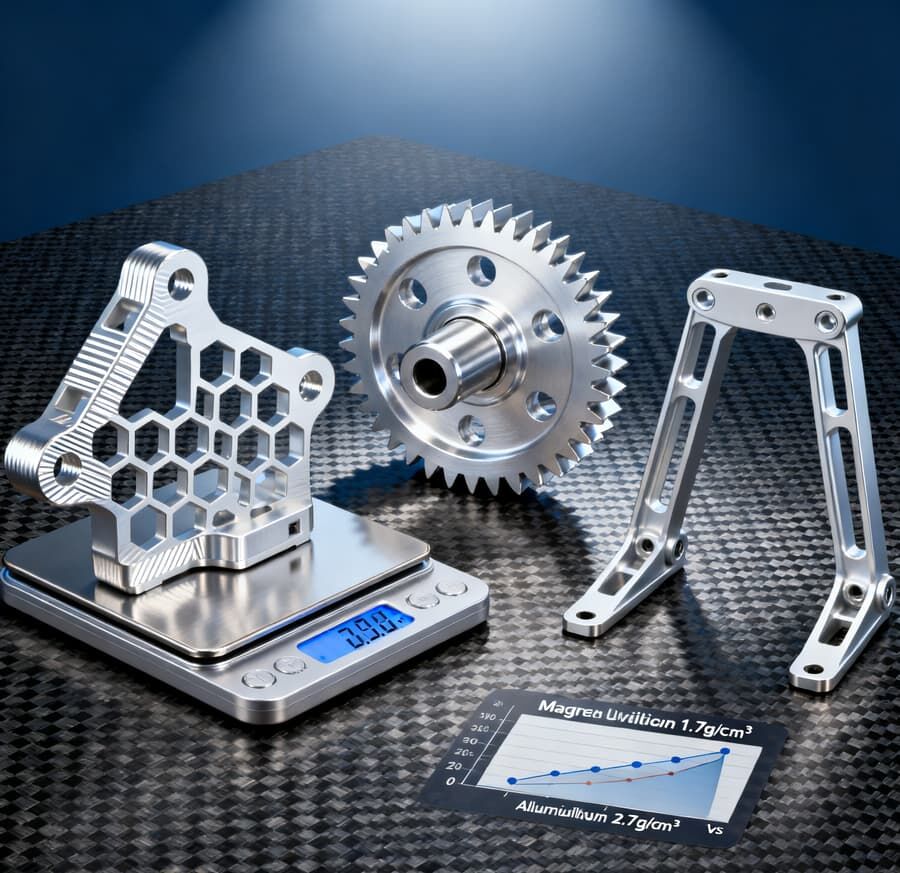
Custom CNC milling parts accommodate an extraordinary range of materials, from common aluminum alloys and steel grades to exotic superalloys, advanced composites, and specialized plastics, providing unmatched flexibility for diverse application requirements. This material versatility stems from the adaptable nature of CNC milling processes, where cutting parameters, tool selection, and machining strategies can be optimized for each specific material without requiring expensive tooling changes or process modifications. The ability to machine different materials using the same equipment platform reduces manufacturing complexity and allows customers to specify materials based purely on application requirements rather than manufacturing constraints. Advanced cutting tool technologies enable custom CNC milling parts to be produced from challenging materials such as titanium alloys, Inconel superalloys, and carbon fiber reinforced plastics that provide superior performance characteristics but require specialized machining expertise. The material compatibility extends to dissimilar material combinations within single components, allowing for hybrid designs that incorporate multiple materials to optimize performance, weight, or cost characteristics. Heat treatment and surface finishing operations integrate seamlessly with CNC milling processes, enabling custom parts to achieve final material properties and surface conditions without additional handling or transfer between facilities. The material selection flexibility provides customers with optimization opportunities for weight reduction, corrosion resistance, thermal properties, or mechanical strength characteristics specific to their application environments. Rapid material changeover capabilities allow manufacturing priorities to shift quickly based on material availability, cost fluctuations, or changing application requirements without disrupting production schedules or requiring new setup procedures. The expertise developed in machining diverse materials translates into better surface finishes, extended tool life, and optimized cycle times that benefit customers through improved part quality and competitive pricing. Quality assurance procedures adapt to material-specific requirements, ensuring that custom CNC milling parts meet not only dimensional specifications but also material property requirements critical for application success.
Rapid Prototyping and Short Lead Time Delivery

Rapid Prototyping and Short Lead Time Delivery

Custom CNC milling parts excel in rapid prototyping applications where speed-to-market considerations demand quick turnaround times without compromising quality or precision, enabling product development cycles that respond effectively to competitive pressures and market opportunities. The digital workflow inherent in CNC milling eliminates time-consuming steps associated with traditional manufacturing, such as pattern making, tool design, or fixture fabrication, allowing production to begin immediately upon completion of part programming and setup procedures. This streamlined approach reduces typical lead times from weeks to days, providing customers with the agility needed for iterative design processes, market testing, and product validation activities that require multiple design iterations within compressed timeframes. The programmable nature of CNC milling enables rapid design changes and modifications without scrapping existing tooling or restarting manufacturing processes, allowing engineering teams to incorporate feedback, correct issues, or implement improvements throughout development phases without significant time or cost penalties. Prototype quantities ranging from single pieces to small batches can be produced economically using the same setup and programming used for full production, ensuring that prototype parts accurately represent final production characteristics and performance. The ability to produce custom CNC milling parts in prototype quantities enables comprehensive testing and validation before committing to larger production volumes, reducing risk and ensuring that final designs meet all performance requirements before market introduction. Advanced scheduling and production planning systems prioritize urgent prototype requests while maintaining production flow for standard orders, providing customers with expedited delivery options when project timelines demand accelerated schedules. The integration of design software with CNC programming systems reduces programming time and eliminates transcription errors, further compressing lead times while improving accuracy of manufactured parts. Rush delivery capabilities accommodate emergency replacement needs, critical project deadlines, and unexpected market opportunities where standard lead times would result in missed opportunities or operational disruptions. The combination of rapid response capabilities with maintained quality standards provides customers with confidence that urgent requirements will be met without compromising part performance or reliability characteristics essential for application success.