Premium Customized CNC Milling Services | Precision Manufacturing Solutions

All Categories

customized cnc milling services

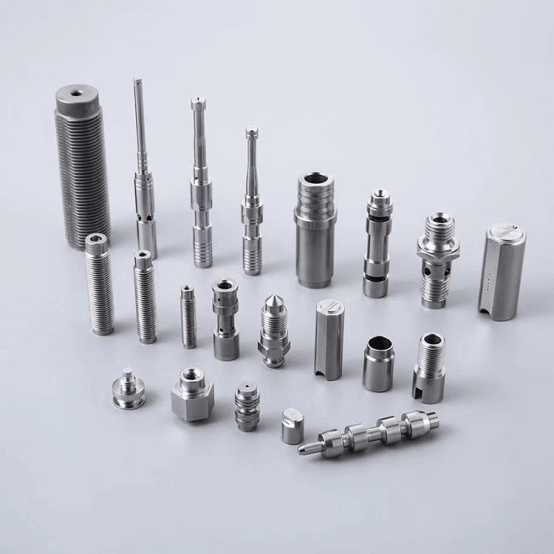
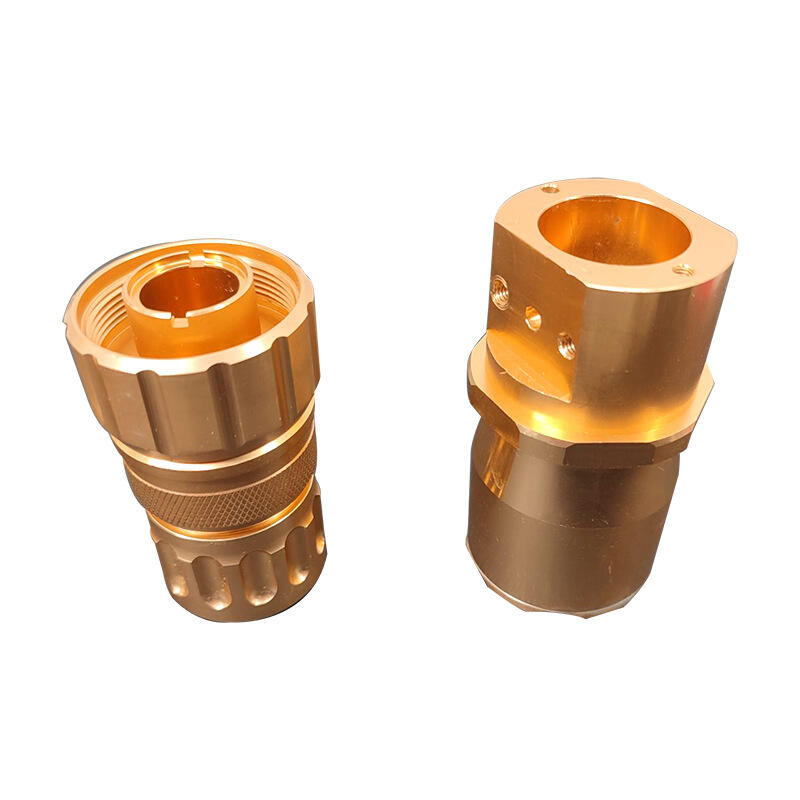
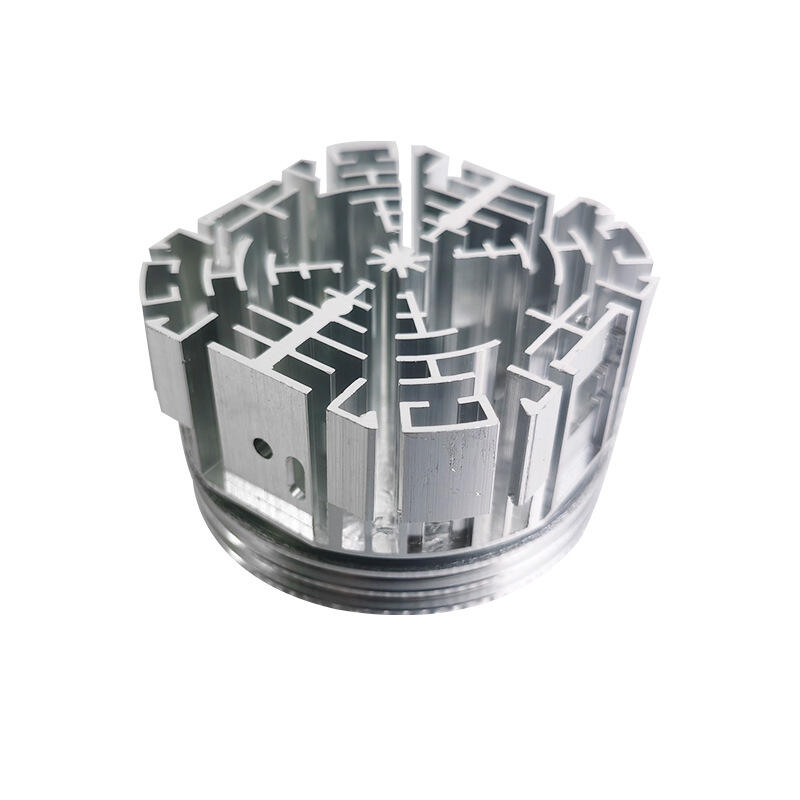
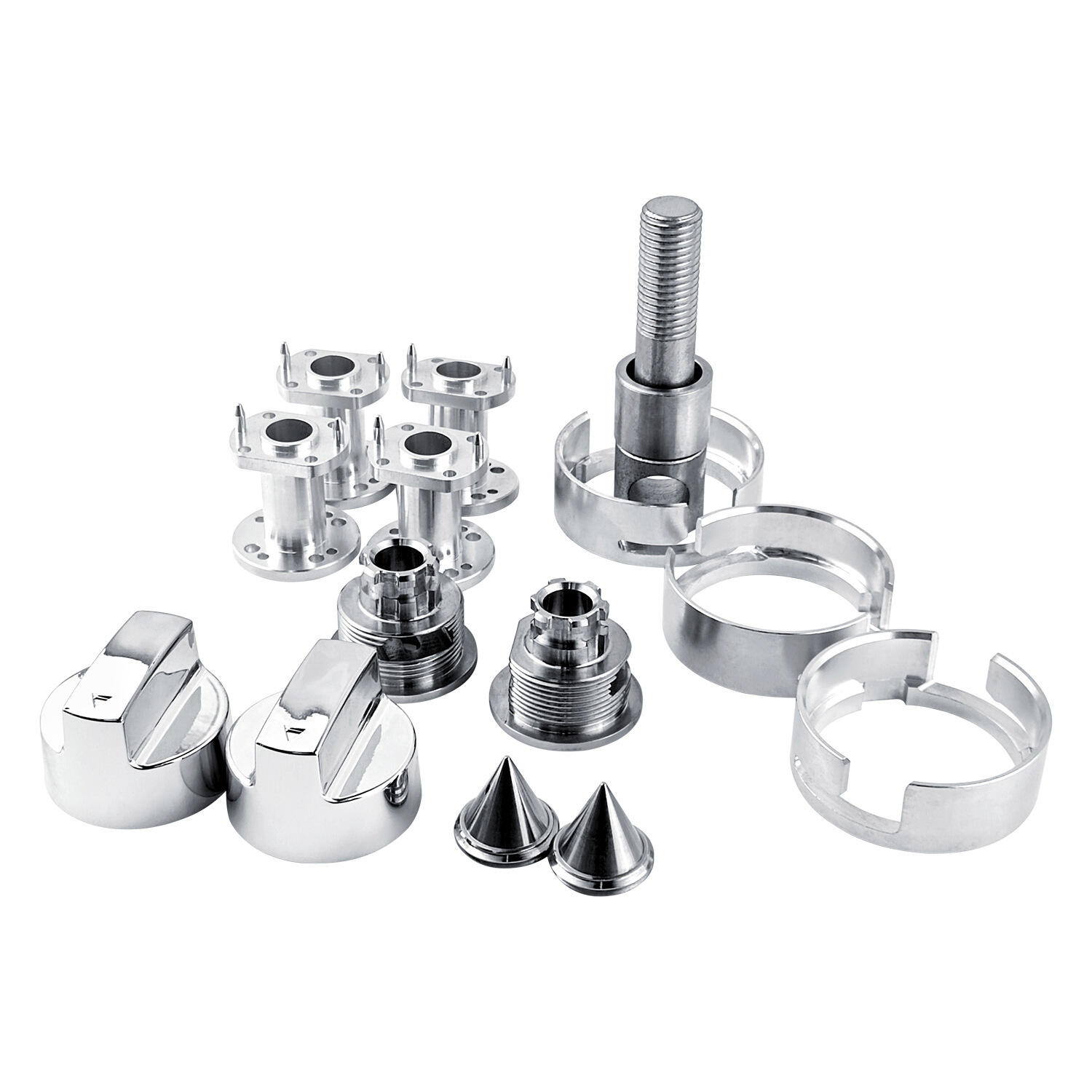
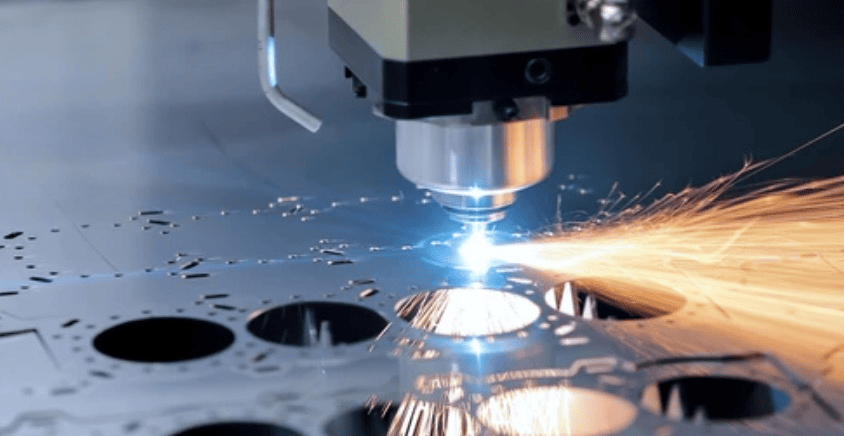
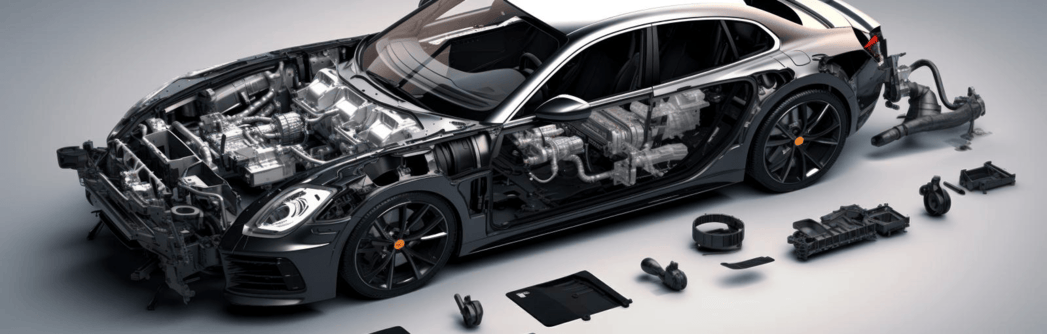
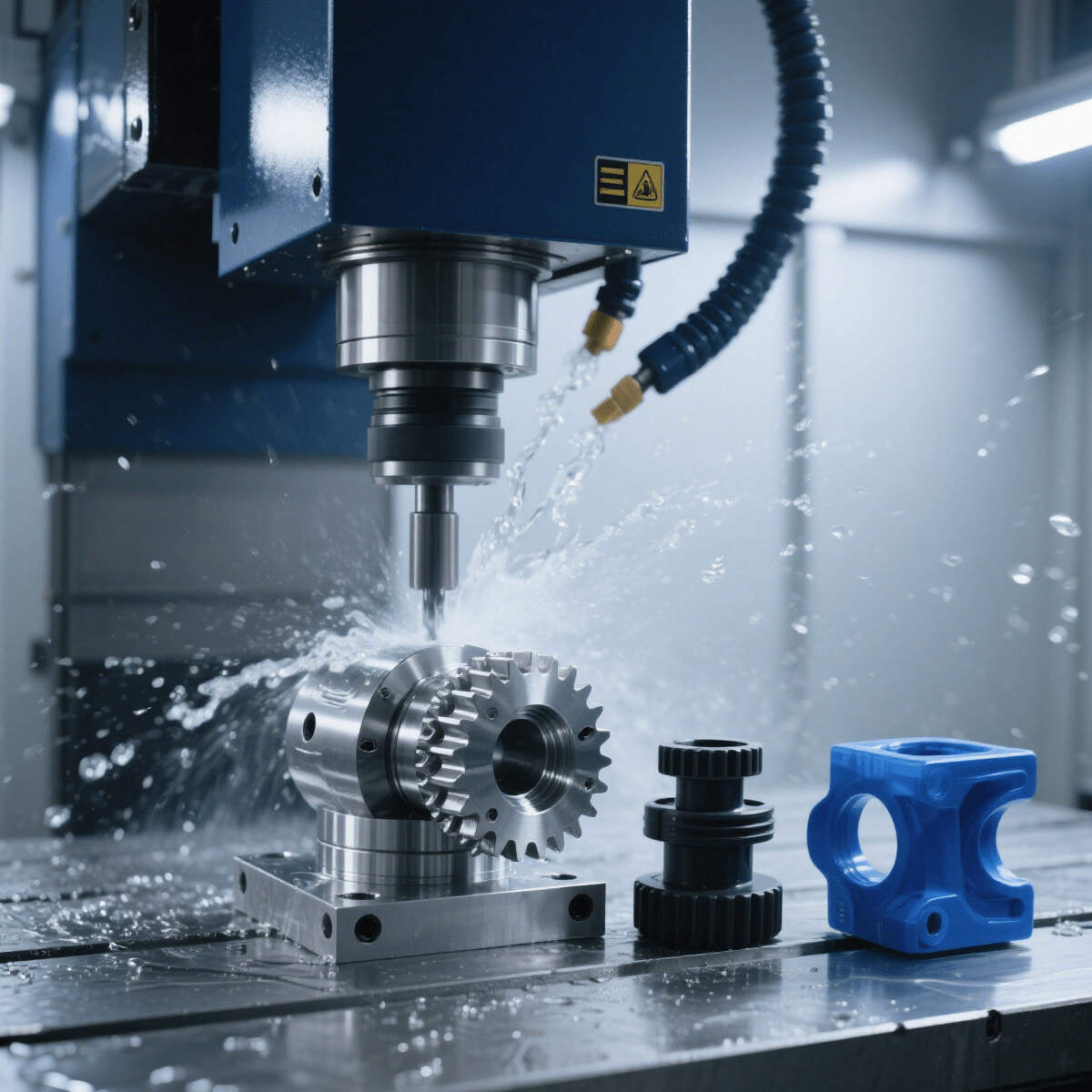
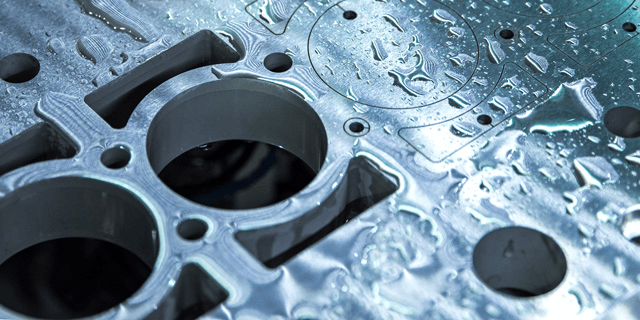
Customized CNC milling services represent a cutting-edge manufacturing solution that transforms raw materials into precision-engineered components through computer-controlled machining processes. These services utilize advanced numerical control technology to execute complex cutting operations with exceptional accuracy and repeatability. The primary function of customized cnc milling services involves material removal from workpieces using rotating cutting tools, creating intricate geometries, surfaces, and features according to exact specifications. Modern CNC milling centers integrate sophisticated software systems that interpret digital designs and convert them into precise machine movements, ensuring consistent quality across production runs. The technological features encompass multi-axis capabilities, allowing simultaneous movement along multiple planes to produce complex three-dimensional shapes that would be impossible through conventional machining methods. High-speed spindles enable rapid material removal while maintaining surface finish quality, while automatic tool changers facilitate uninterrupted production cycles. Temperature control systems prevent thermal expansion that could compromise dimensional accuracy, and in-process measurement capabilities provide real-time quality verification. Applications span numerous industries including aerospace, automotive, medical device manufacturing, electronics, and prototype development. Aerospace components require extreme precision and reliability, making customized cnc milling services essential for turbine blades, structural elements, and navigation system housings. Medical device manufacturers rely on these services for surgical instruments, implants, and diagnostic equipment that demand biocompatible materials and microscopic tolerances. Automotive applications include engine components, transmission parts, and chassis elements where performance and durability are paramount. Electronic device manufacturers utilize these services for heat sinks, connector housings, and specialized enclosures that protect sensitive circuitry. The versatility of customized cnc milling services extends to prototype development, enabling rapid iteration and testing of new designs before full-scale production implementation.
New Product Recommendations

Customized cnc milling services deliver substantial advantages that transform manufacturing efficiency and product quality across diverse industries. The precision achieved through these services surpasses traditional machining methods, consistently producing components with tolerances measured in thousandths of inches. This exceptional accuracy eliminates the need for secondary finishing operations, reducing production time and associated costs. Manufacturers benefit from enhanced repeatability, ensuring every component matches exact specifications regardless of production volume. The flexibility offered by customized cnc milling services enables rapid design modifications without extensive retooling, allowing businesses to respond quickly to market demands and engineering changes. Complex geometries that challenge conventional manufacturing methods become achievable through multi-axis machining capabilities, expanding design possibilities and functional performance. Material versatility represents another significant advantage, as these services accommodate metals, plastics, ceramics, and composite materials within the same production environment. Quality control benefits from automated measurement systems that monitor dimensional accuracy throughout the manufacturing process, detecting deviations before they affect final products. Production scheduling becomes more predictable due to consistent cycle times and reduced setup requirements, enabling better resource allocation and delivery commitments. Customized cnc milling services eliminate human error factors that plague manual machining operations, resulting in lower rejection rates and improved yield percentages. The scalability of these services accommodates both prototype quantities and high-volume production runs without compromising quality standards. Reduced labor requirements translate to lower operational costs while maintaining superior output quality. Surface finish consistency meets demanding application requirements without additional processing steps, particularly important for components requiring specific aesthetic or functional characteristics. Documentation capabilities provide complete traceability for quality assurance and regulatory compliance, essential in highly regulated industries. Waste reduction occurs through optimized cutting paths and material utilization strategies, contributing to environmental sustainability goals while improving profitability. The integration of these advantages creates a comprehensive manufacturing solution that enhances competitiveness and operational excellence.

Tips And Tricks

The cleaning of precision components is crucial to ensuring their smoothness and functionality.

29

Nov

The cleaning of precision components is crucial to ensuring their smoothness and functionality.

View More
Methods to Improve the Efficiency of Precision Component Processing

29

Nov

Methods to Improve the Efficiency of Precision Component Processing

View More
Kindness Warms the Heart, Responsibility in Action

29

Nov

Kindness Warms the Heart, Responsibility in Action

View More
Design Knowledge for Shaft Pin Components

29

Nov

Design Knowledge for Shaft Pin Components

View More

Get a Free Quote

Our representative will contact you soon.
Email
Name
Company Name
WhatsApp
Message
0/1000

customized cnc milling services

Advanced Multi-Axis Precision Capabilities

Advanced Multi-Axis Precision Capabilities

The cornerstone of exceptional customized cnc milling services lies in advanced multi-axis precision capabilities that revolutionize component manufacturing across demanding applications. Modern five-axis machining centers enable simultaneous movement along linear and rotational axes, creating complex geometries with unparalleled accuracy and surface finish quality. This technological advancement eliminates the need for multiple setups and repositioning operations that traditionally introduced cumulative errors and extended production times. The importance of multi-axis capabilities becomes evident when manufacturing components with undercuts, angled features, and intricate internal passages that would be impossible or economically unfeasible through conventional three-axis machining. Aerospace turbine blades exemplify the value of this technology, requiring precise airfoil shapes with complex twist distributions that directly impact engine efficiency and performance. Medical implant manufacturers leverage these capabilities to produce anatomically contoured surfaces that promote better patient outcomes and reduced recovery times. The precision achieved through advanced multi-axis systems consistently maintains tolerances within plus or minus 0.0001 inches across complex three-dimensional surfaces, ensuring perfect fit and function in critical applications. Tool accessibility improvements result from the ability to approach workpiece features from optimal angles, reducing tool deflection and extending cutting tool life while improving surface finish quality. Customized cnc milling services utilizing these capabilities eliminate secondary operations such as EDM or hand finishing, significantly reducing production costs and lead times. The value proposition extends beyond precision to include enhanced design freedom, allowing engineers to optimize component functionality without manufacturing constraints. Automotive manufacturers benefit from producing lightweight components with internal cooling channels and complex mounting interfaces that improve vehicle performance and fuel efficiency. The technological sophistication of these systems includes real-time compensation for thermal effects and tool wear, maintaining precision throughout extended production runs and ensuring consistent quality across entire manufacturing batches.
Comprehensive Material Processing Expertise

Comprehensive Material Processing Expertise

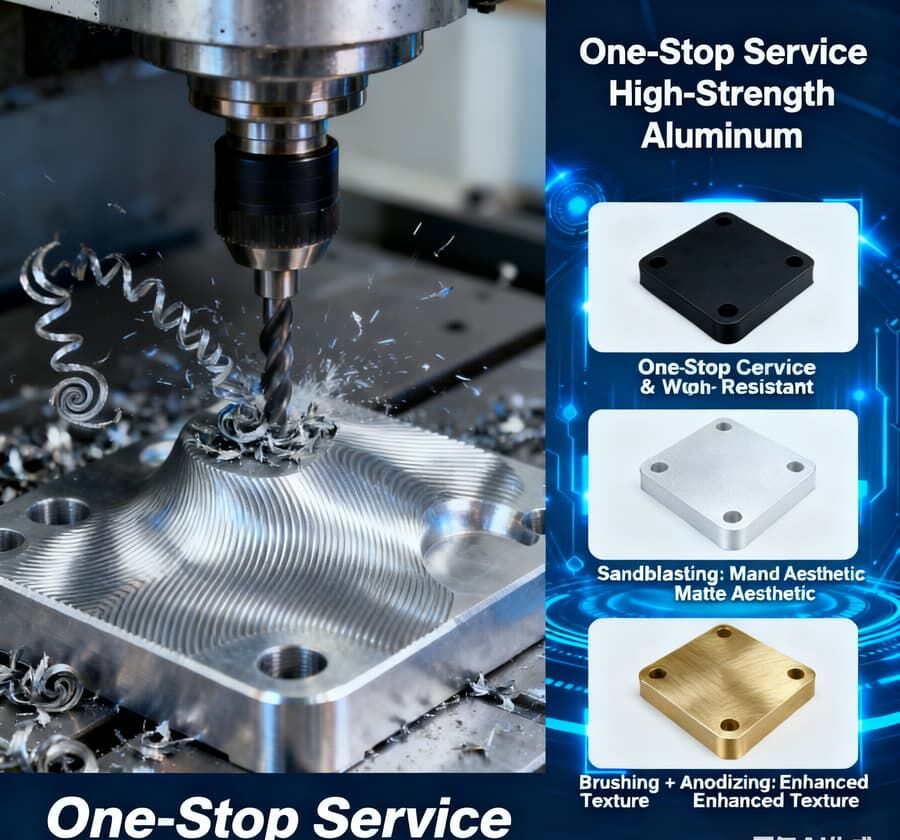
Comprehensive material processing expertise distinguishes superior customized cnc milling services through the ability to machine diverse materials with specialized techniques tailored to each material's unique characteristics. This expertise encompasses ferrous and non-ferrous metals, engineering plastics, advanced composites, and exotic alloys that demand specific cutting parameters and tooling strategies. The importance of material-specific processing knowledge becomes critical when machining titanium alloys used in aerospace applications, where improper techniques can result in work hardening, tool failure, and component rejection. Aluminum processing requires different approaches to prevent built-up edge formation and achieve the mirror-like finishes demanded by electronic device manufacturers. Stainless steel machining involves managing heat generation and work hardening tendencies while maintaining dimensional stability throughout the cutting process. Engineering plastics such as PEEK and Ultem require temperature control and specialized tooling to prevent thermal damage while achieving tight tolerances for medical device applications. The value of comprehensive material expertise extends to composite materials where delamination prevention and fiber orientation considerations directly impact component strength and durability. Customized cnc milling services with this expertise optimize cutting speeds, feed rates, and tool geometries for each material, maximizing productivity while ensuring quality standards. Coolant selection and application methods vary significantly between materials, with some requiring flood cooling while others benefit from minimal quantity lubrication or dry machining techniques. Tool selection represents a critical aspect of material processing expertise, matching carbide grades, coatings, and geometries to specific material properties and application requirements. Heat treatment considerations factor into machining sequence planning, determining whether components require intermediate stress relief or final heat treatment to achieve specified mechanical properties. Quality control procedures adapt to material-specific requirements, utilizing appropriate measurement techniques and inspection intervals to verify dimensional accuracy and surface integrity. The economic benefits of this expertise include reduced tool costs, improved cycle times, and elimination of scrapped components due to processing errors, providing customers with cost-effective solutions that meet exacting specifications.
Integrated Quality Assurance Systems

Integrated Quality Assurance Systems

Integrated quality assurance systems form the backbone of reliable customized cnc milling services, providing continuous monitoring and verification throughout the entire manufacturing process. These sophisticated systems combine in-process measurement, statistical process control, and comprehensive documentation to ensure every component meets or exceeds specified requirements. The importance of integrated quality assurance becomes paramount in industries where component failure can have catastrophic consequences, such as aerospace, medical devices, and automotive safety systems. Modern quality assurance integration begins with initial setup verification using precision measurement equipment to confirm tool positions, workpiece alignment, and machine calibration before production commences. In-process probing systems automatically measure critical dimensions during machining operations, comparing results against programmed tolerances and making real-time adjustments when necessary. This proactive approach prevents the production of non-conforming parts and eliminates waste associated with discovering defects after completion. Statistical process control algorithms analyze measurement data trends, identifying potential issues before they affect product quality and triggering preventive maintenance or process adjustments. Temperature monitoring systems track thermal variations that could affect dimensional accuracy, automatically compensating for thermal growth and ensuring consistent precision throughout production runs. Surface finish measurement capabilities verify that components meet specified roughness requirements without requiring separate inspection operations. The value of integrated quality assurance extends to comprehensive traceability documentation that records all process parameters, measurements, and certifications associated with each manufactured component. This documentation proves essential for regulated industries requiring complete audit trails and quality certifications. Automated reject handling systems immediately remove non-conforming parts from the production stream, preventing their accidental inclusion in shipments and maintaining customer confidence. Calibration management systems ensure all measurement equipment maintains accuracy through scheduled verification and adjustment procedures. The economic benefits include reduced inspection costs, elimination of customer returns, and improved production efficiency through reduced rework and scrap rates. Customer confidence increases substantially when receiving components backed by comprehensive quality documentation and statistical evidence of process capability and control.