High-Precision CNC Milling Aluminum Parts - Custom Manufacturing Solutions

All Categories

cnc milling aluminum parts

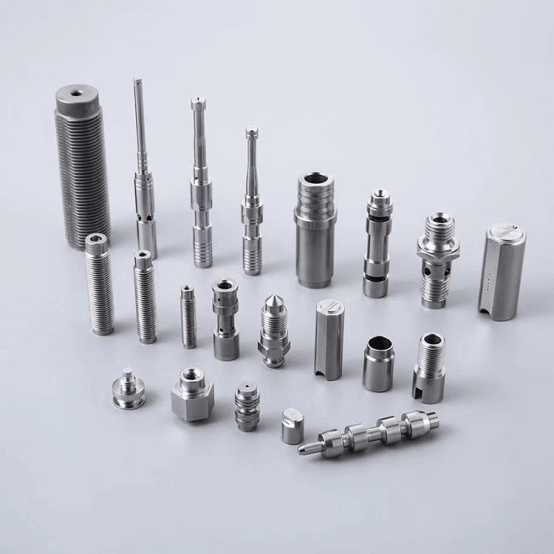
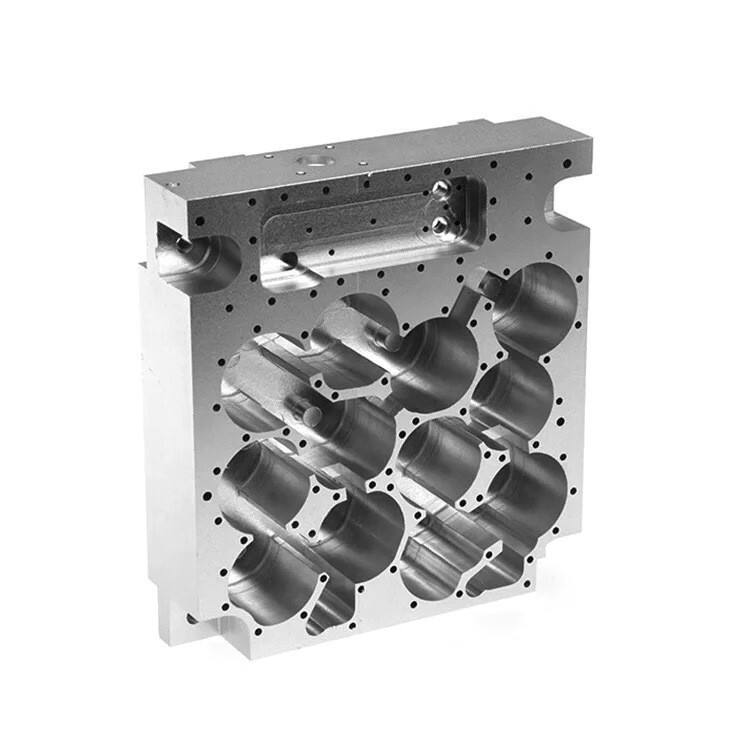
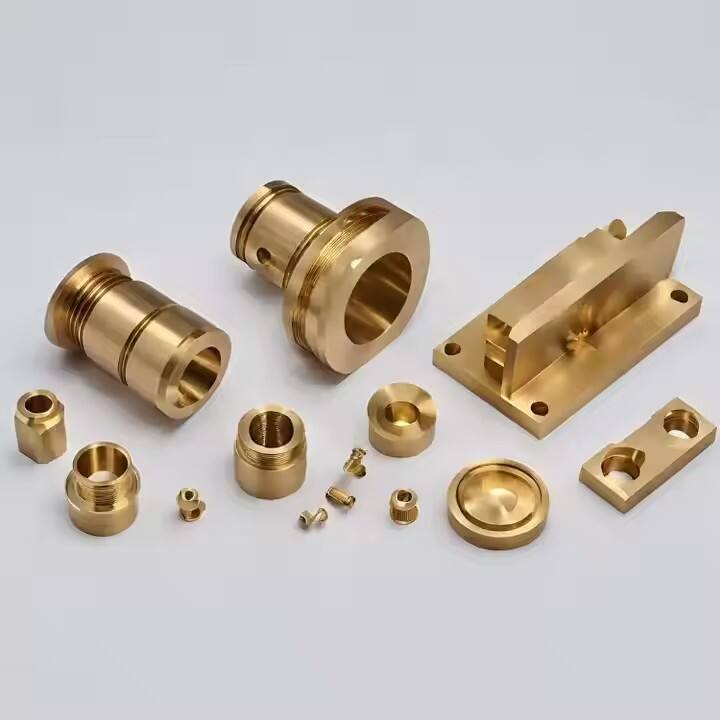
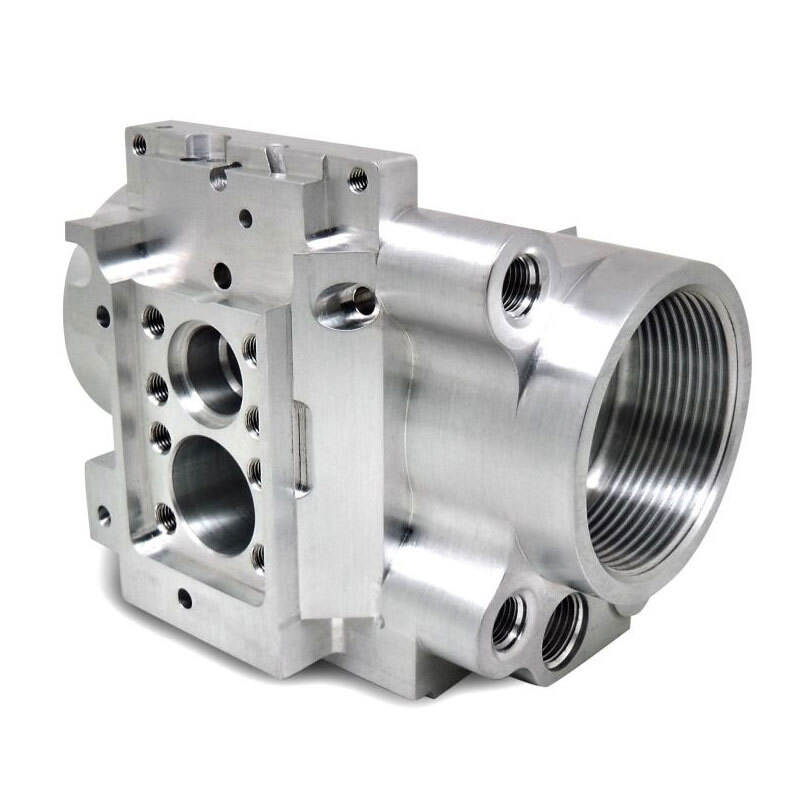
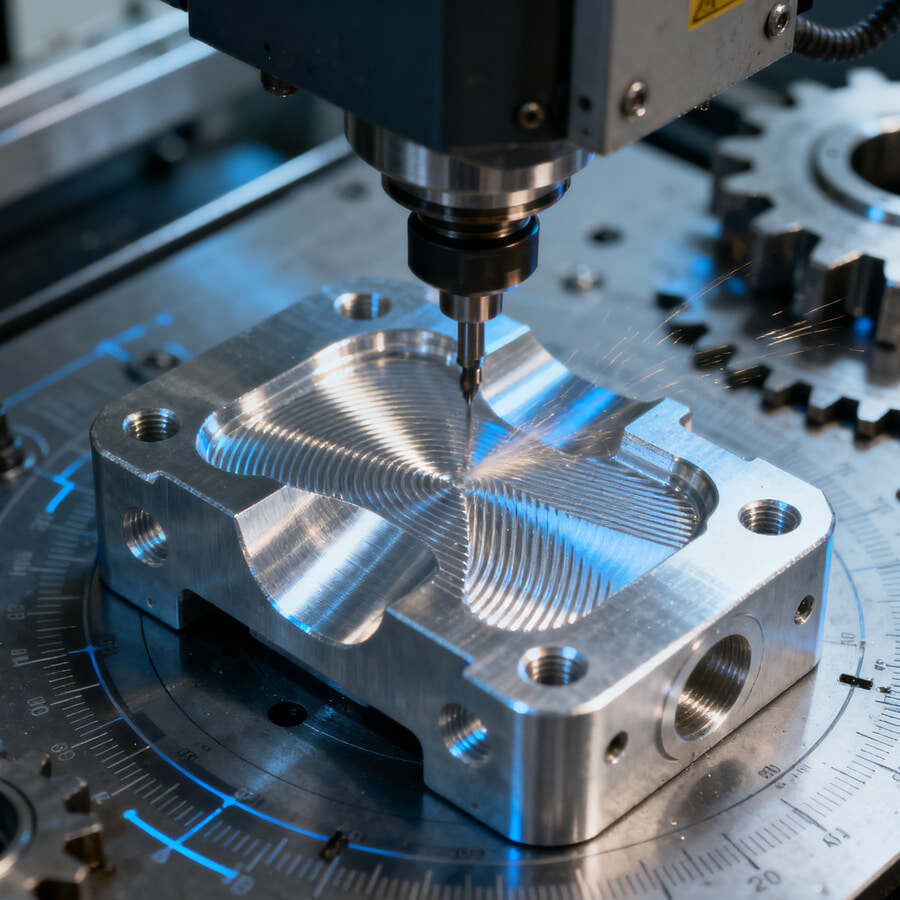
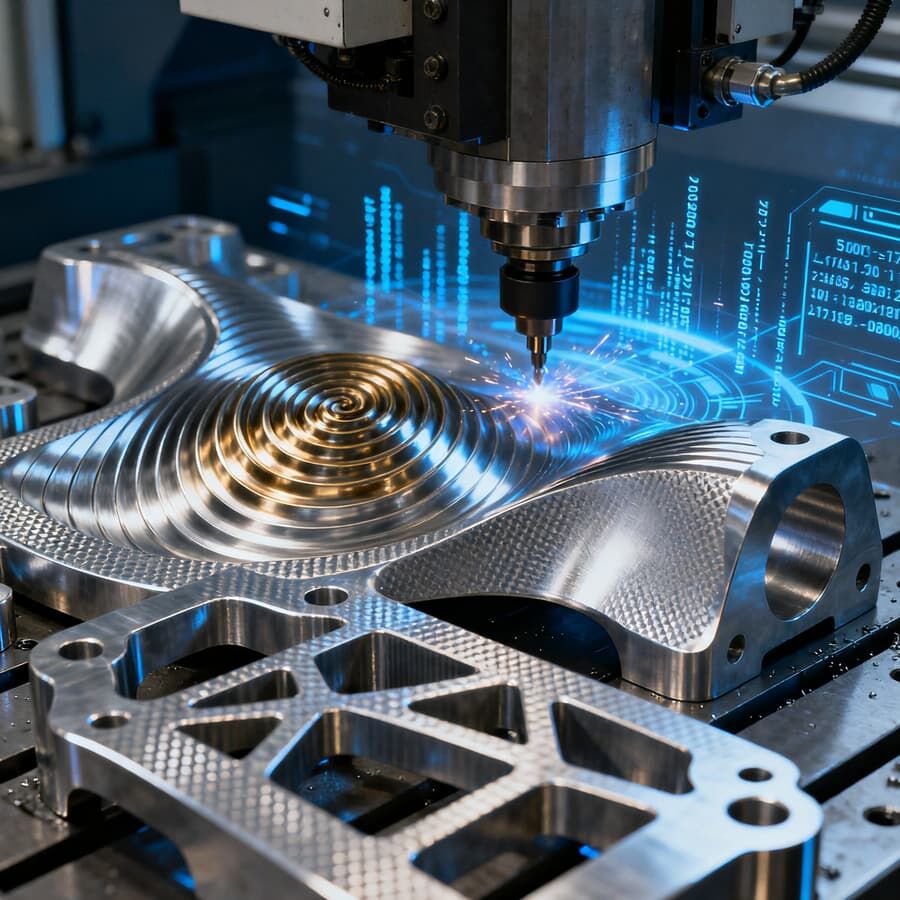
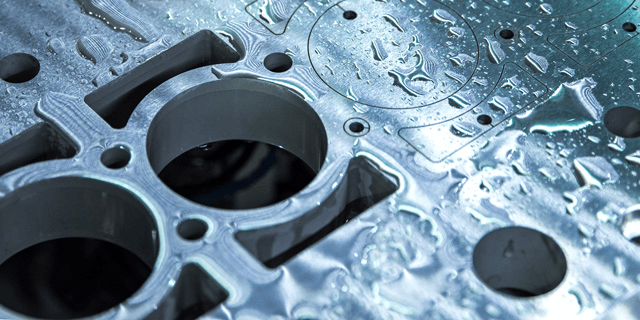
CNC milling aluminum parts represent a cornerstone of modern precision manufacturing, combining computer-controlled machining technology with the versatile properties of aluminum materials. This sophisticated manufacturing process utilizes computer numerical control systems to guide cutting tools with exceptional accuracy, creating complex geometries and precise dimensions in aluminum components. The cnc milling aluminum parts production method involves removing material from aluminum stock through rotary cutting tools, allowing manufacturers to achieve tight tolerances and superior surface finishes that meet demanding industrial specifications. The primary functions of cnc milling aluminum parts encompass structural support, mechanical transmission, thermal management, and aesthetic enhancement across diverse applications. These components serve as critical elements in aerospace assemblies, automotive systems, electronic housings, and medical devices where lightweight strength and corrosion resistance are paramount. Technological features distinguishing cnc milling aluminum parts include multi-axis machining capabilities, automated tool changes, real-time monitoring systems, and adaptive control mechanisms that optimize cutting parameters. Advanced CNC machines can execute complex operations including contouring, drilling, tapping, and surface texturing in single setups, minimizing handling errors and reducing production time. The integration of CAD/CAM software enables seamless transition from design concepts to finished cnc milling aluminum parts, ensuring geometric accuracy and dimensional consistency. Material properties of aluminum enhance the milling process through excellent machinability, thermal conductivity, and chip evacuation characteristics. Applications span industries requiring lightweight yet durable components, including aircraft structural elements, automotive engine blocks, electronic heat sinks, and precision instruments. The cnc milling aluminum parts manufacturing process accommodates various aluminum alloys, from soft pure aluminum to high-strength aerospace grades, each offering specific performance characteristics. Quality control systems integrated into CNC milling operations ensure cnc milling aluminum parts meet stringent specifications through coordinate measuring machines, surface roughness analyzers, and statistical process control methods.
New Product Releases

The advantages of cnc milling aluminum parts extend far beyond traditional manufacturing methods, delivering tangible benefits that directly impact production efficiency, cost management, and product quality. Precision stands as the foremost advantage, with cnc milling aluminum parts achieving tolerances as tight as plus or minus 0.0001 inches, ensuring perfect fit and function in critical assemblies. This exceptional accuracy eliminates the need for secondary operations and reduces assembly time significantly. Manufacturers benefit from reduced material waste since CNC programming optimizes tool paths and cutting strategies, maximizing material utilization while minimizing scrap generation. The automated nature of cnc milling aluminum parts production ensures consistent quality across large production runs, eliminating human error variations that plague manual machining processes. Speed represents another crucial advantage, with modern CNC machines completing complex cnc milling aluminum parts in fractions of the time required by conventional methods. High-speed spindles and advanced cutting tools enable rapid material removal while maintaining surface finish quality, accelerating time-to-market for new products. Flexibility in design modifications provides manufacturers with unprecedented adaptability, allowing engineering changes to be implemented through software updates rather than costly tooling modifications. This capability proves invaluable during prototyping phases and low-volume production runs where design iterations are common. Cost-effectiveness emerges through reduced labor requirements, with single operators managing multiple CNC machines simultaneously, dramatically improving productivity ratios. The repeatability of cnc milling aluminum parts ensures consistent quality standards, reducing inspection time and rejection rates while building customer confidence. Surface finish quality achieved through CNC milling often eliminates secondary finishing operations, further reducing production costs and lead times. Aluminum's inherent properties complement CNC milling advantages, providing excellent chip evacuation, minimal tool wear, and superior surface finishes. The combination creates cnc milling aluminum parts with enhanced mechanical properties, improved fatigue resistance, and extended service life compared to cast or formed alternatives. Environmental benefits include reduced energy consumption per part, minimal coolant usage, and recyclable aluminum chips, supporting sustainable manufacturing practices. Scalability allows manufacturers to adjust production volumes efficiently, accommodating market fluctuations without significant capital investment changes.

Tips And Tricks

The cleaning of precision components is crucial to ensuring their smoothness and functionality.

29

Nov

The cleaning of precision components is crucial to ensuring their smoothness and functionality.

View More
Methods to Improve the Efficiency of Precision Component Processing

29

Nov

Methods to Improve the Efficiency of Precision Component Processing

View More
Kindness Warms the Heart, Responsibility in Action

29

Nov

Kindness Warms the Heart, Responsibility in Action

View More
Design Knowledge for Shaft Pin Components

29

Nov

Design Knowledge for Shaft Pin Components

View More

Get a Free Quote

Our representative will contact you soon.
Email
Name
Company Name
WhatsApp
Message
0/1000

cnc milling aluminum parts

Exceptional Precision and Dimensional Accuracy

Exceptional Precision and Dimensional Accuracy

The precision capabilities of cnc milling aluminum parts set new standards in manufacturing excellence, delivering dimensional accuracy that surpasses traditional machining methods by significant margins. Advanced CNC machines equipped with linear encoders, thermal compensation systems, and vibration dampening technology achieve positioning accuracy within micrometers, ensuring cnc milling aluminum parts meet the most stringent specifications. This precision stems from computer-controlled servo motors that eliminate backlash and positioning errors common in manual operations. The closed-loop feedback systems continuously monitor tool position and make real-time corrections, maintaining accuracy throughout extended production runs. Surface roughness values of cnc milling aluminum parts regularly achieve Ra values below 0.8 micrometers, providing mirror-like finishes that eliminate the need for secondary polishing operations. The geometric accuracy extends to complex three-dimensional contours, with cnc milling aluminum parts maintaining profile tolerances within 0.005 inches across intricate surfaces. This precision proves critical in aerospace applications where component interface requirements demand perfect mating surfaces for proper assembly and function. Medical device manufacturers rely on this accuracy for cnc milling aluminum parts used in surgical instruments and implantable devices where patient safety depends on precise dimensions. The repeatability factor ensures every cnc milling aluminum parts produced matches the first article exactly, eliminating variation-induced assembly problems. Quality control integration through in-process measurement systems verifies dimensions during machining, catching deviations before completion and preventing costly rework. Tool wear compensation algorithms automatically adjust cutting parameters to maintain accuracy as tools gradually wear, extending tool life while preserving dimensional integrity. The precision advantage translates into reduced assembly time, eliminated shimming requirements, and improved product performance. Customers benefit from consistent quality, reduced inspection costs, and enhanced product reliability when specifying cnc milling aluminum parts for critical applications.
Superior Material Properties and Performance Characteristics

Superior Material Properties and Performance Characteristics

The material advantages of cnc milling aluminum parts derive from aluminum's unique combination of properties that enhance both manufacturing efficiency and end-use performance. Aluminum's excellent strength-to-weight ratio makes cnc milling aluminum parts ideal for weight-critical applications, providing structural integrity while reducing overall system mass by up to 60% compared to steel equivalents. The corrosion resistance inherent in aluminum ensures cnc milling aluminum parts maintain appearance and functionality in harsh environments without protective coatings, reducing maintenance requirements and lifecycle costs. Thermal conductivity properties of aluminum enable cnc milling aluminum parts to function effectively as heat sinks and thermal management components, dissipating heat efficiently in electronic and automotive applications. The machinability characteristics of aluminum allow for higher cutting speeds and feeds during production, reducing manufacturing time for cnc milling aluminum parts while extending tool life significantly. Chip formation during aluminum milling produces clean, continuous chips that evacuate easily from cutting zones, preventing built-up edge formation and maintaining surface finish quality. The work-hardening properties of aluminum can be controlled through proper machining parameters, allowing cnc milling aluminum parts to achieve enhanced surface properties through controlled plastic deformation. Aluminum's electromagnetic properties make cnc milling aluminum parts suitable for RF shielding applications where electrical conductivity and magnetic transparency are required. The recyclability of aluminum supports environmental sustainability goals, with cnc milling aluminum parts maintaining material value throughout multiple lifecycle phases. Aluminum alloy selection enables customization of cnc milling aluminum parts properties, from soft, formable grades to high-strength aerospace alloys exceeding 70,000 PSI tensile strength. The fatigue resistance of properly machined cnc milling aluminum parts surpasses many competing materials, providing extended service life in cyclic loading applications. Surface treatment compatibility allows cnc milling aluminum parts to accept anodizing, painting, or chemical conversion coatings for enhanced appearance or specialized performance requirements. The dimensional stability of aluminum minimizes thermal expansion issues in precision assemblies, ensuring cnc milling aluminum parts maintain accuracy across temperature variations.
Cost-Effectiveness and Production Efficiency

Cost-Effectiveness and Production Efficiency

The economic advantages of cnc milling aluminum parts extend throughout the entire manufacturing value chain, delivering cost savings that compound from initial production through end-use applications. Setup efficiency represents a primary cost advantage, with CNC programming enabling rapid changeovers between different cnc milling aluminum parts configurations without extensive tooling modifications or setup time. The elimination of dedicated fixtures for each part variation reduces capital investment requirements while accelerating production scheduling flexibility. Automated operation capabilities allow single operators to manage multiple CNC machines simultaneously, dramatically improving labor efficiency ratios and reducing per-part labor costs for cnc milling aluminum parts production. The consistency achieved through CNC automation eliminates costly rework and rejection rates associated with manual machining variations, ensuring first-pass success rates exceeding 98% for typical cnc milling aluminum parts. Material utilization optimization through advanced CAM programming minimizes waste generation, with nesting algorithms maximizing the number of cnc milling aluminum parts produced from standard aluminum stock sizes. The elimination of secondary operations provides substantial cost savings, as CNC milling produces cnc milling aluminum parts with finished surfaces and precise dimensions directly from the machine. Tool life extension results from aluminum's excellent machinability characteristics, with cutting tools lasting significantly longer when producing cnc milling aluminum parts compared to harder materials. Energy efficiency advantages emerge from aluminum's low cutting forces and excellent thermal conductivity, reducing spindle power requirements and coolant consumption during cnc milling aluminum parts production. Inventory reduction benefits arise from the ability to produce cnc milling aluminum parts on-demand rather than maintaining large finished goods inventories, improving cash flow and reducing storage costs. Quality consistency eliminates incoming inspection requirements for cnc milling aluminum parts, as statistical process control ensures dimensional conformance within specified tolerances. The scalability of CNC production enables efficient handling of volume fluctuations, allowing manufacturers to adjust cnc milling aluminum parts production rates without proportional increases in overhead costs. Reduced time-to-market advantages help customers capture market opportunities faster, with cnc milling aluminum parts prototypes transitioning seamlessly to production using identical processes and equipment.