custom aluminium machining
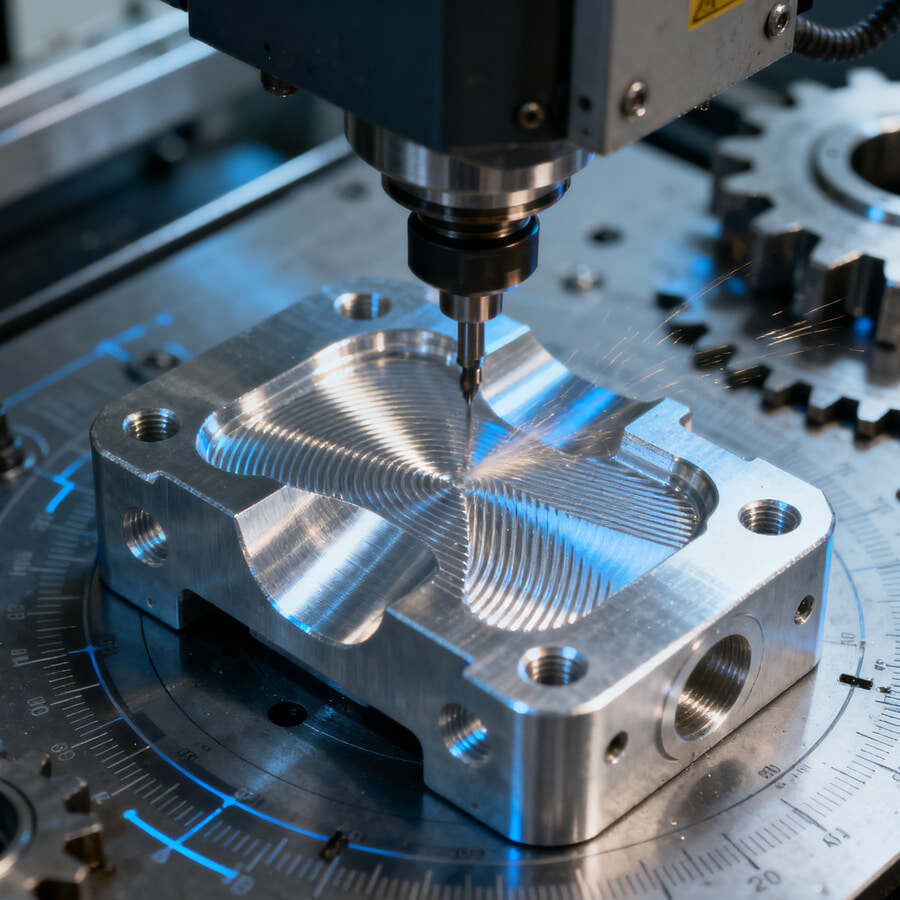
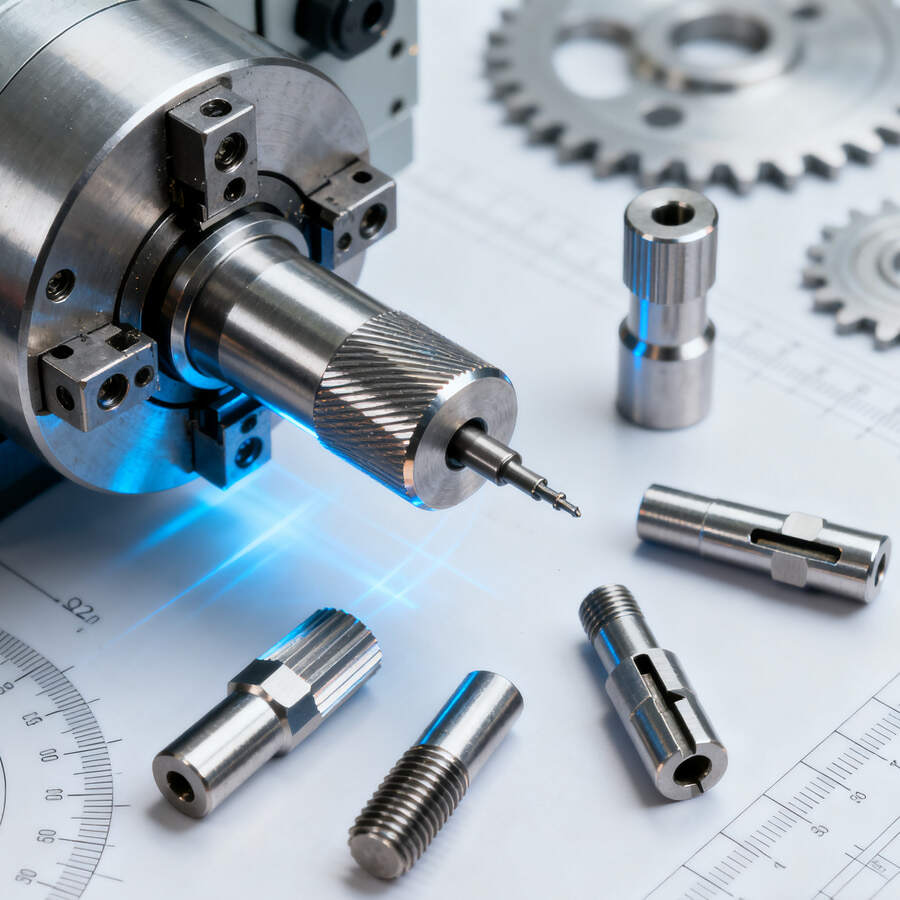
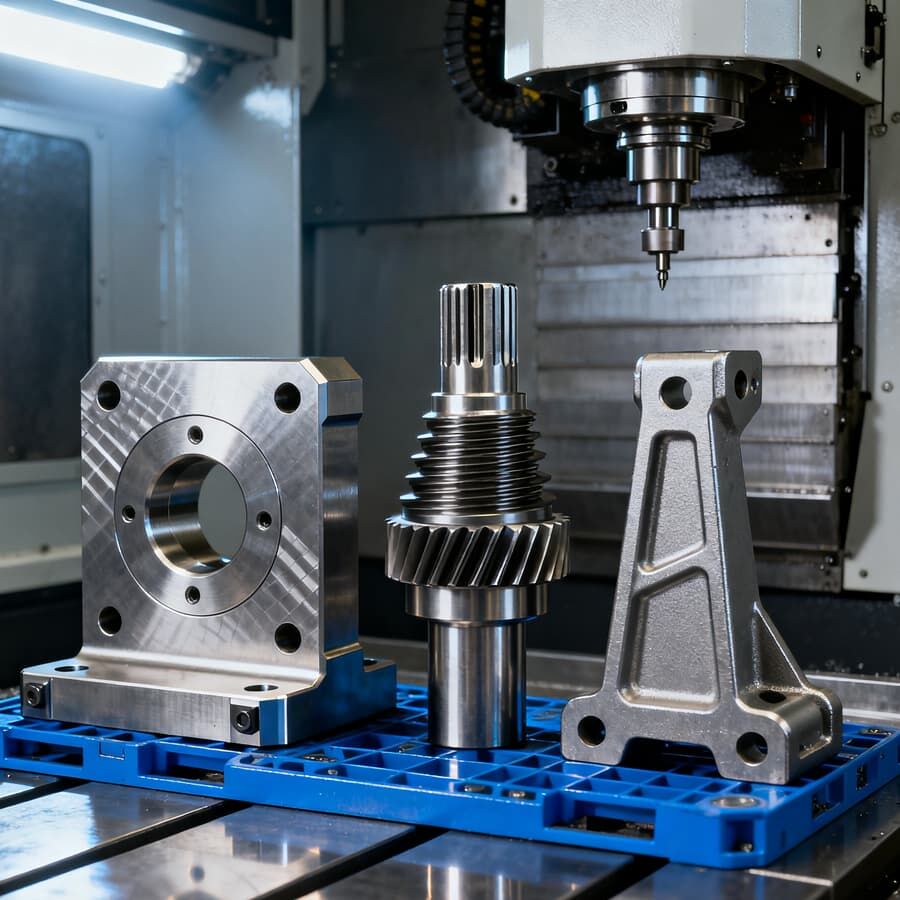
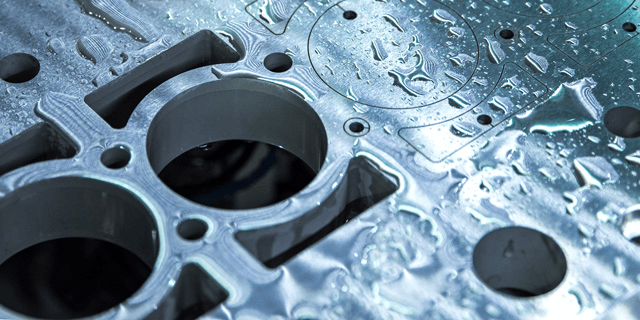
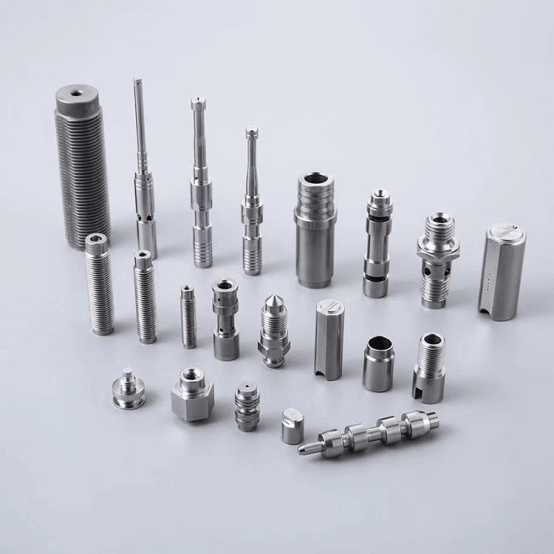
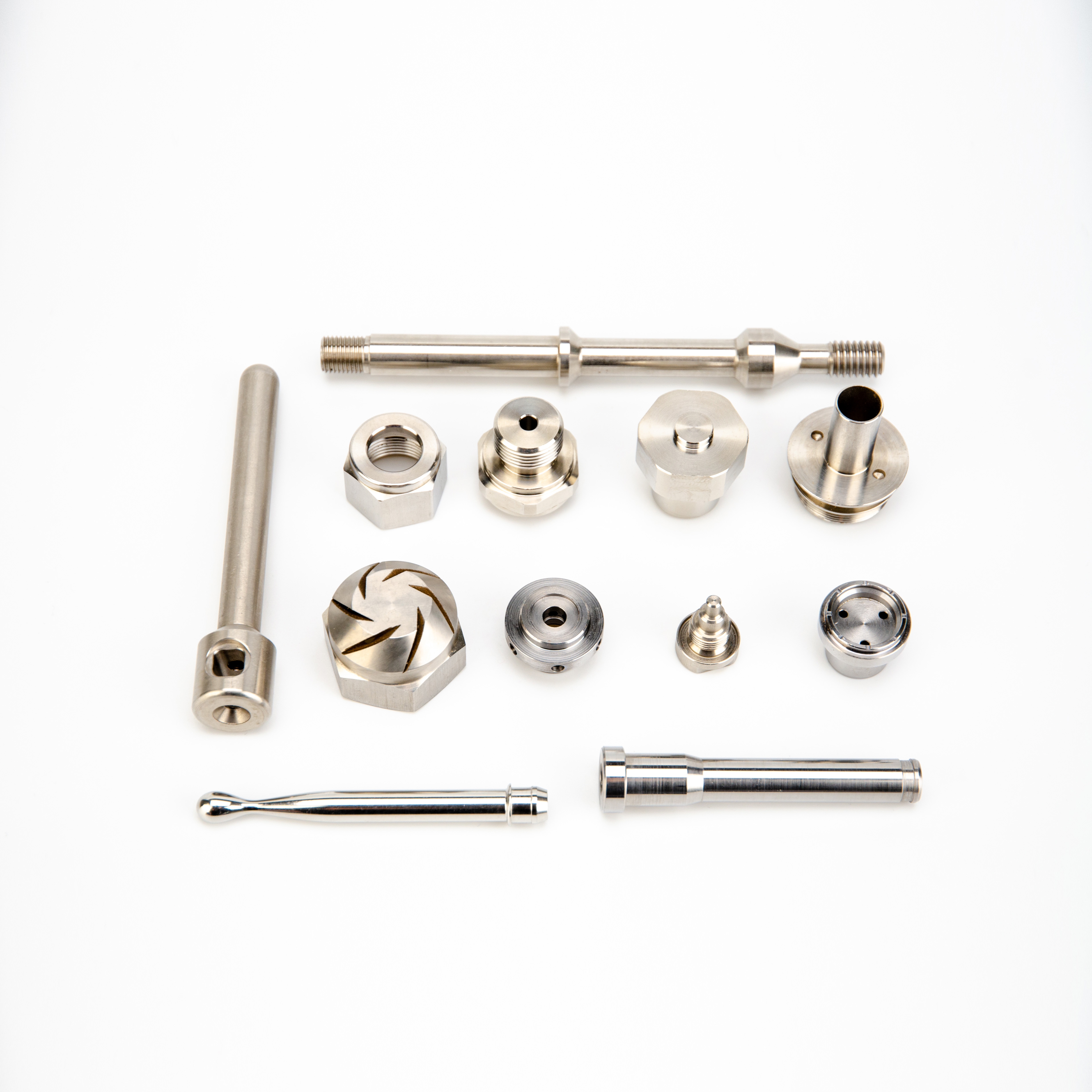
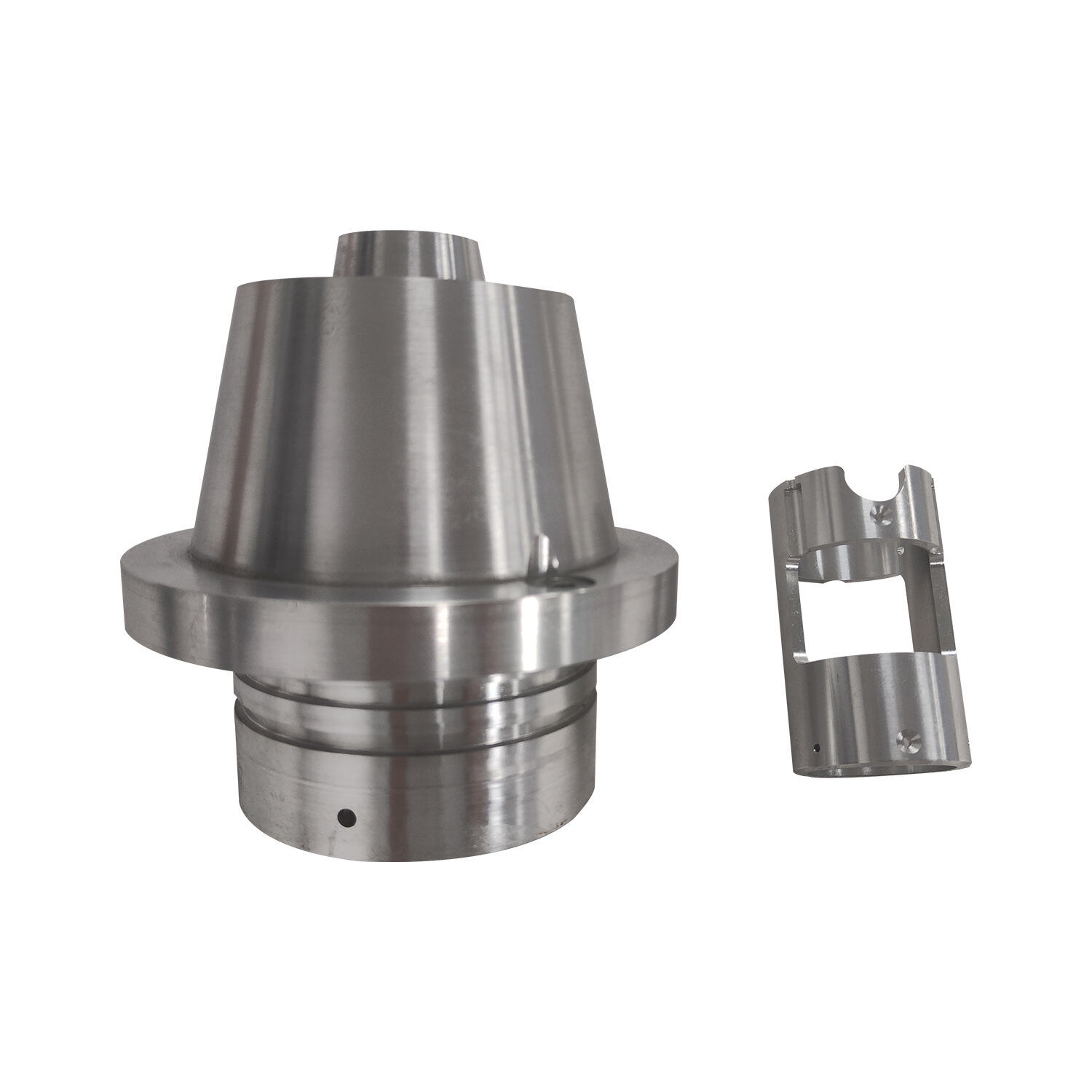
Custom aluminium machining represents a sophisticated manufacturing process that transforms raw aluminium materials into precisely engineered components according to specific customer requirements. This advanced manufacturing technique combines computer numerical control (CNC) technology with expert craftsmanship to produce high-quality parts that meet exact dimensional specifications and performance standards. The process involves cutting, drilling, milling, turning, and finishing aluminium workpieces using state-of-the-art machinery and tools designed for optimal precision and efficiency. Custom aluminium machining serves as a cornerstone technology in modern manufacturing, enabling the production of complex geometries and intricate designs that would be impossible to achieve through conventional manufacturing methods. The main functions of custom aluminium machining include material removal through controlled cutting operations, surface finishing to achieve desired textures and tolerances, and dimensional accuracy to ensure perfect fit and function in final applications. Technological features encompass multi-axis CNC machines capable of simultaneous operations, automated tool changing systems for continuous production, and real-time monitoring systems that ensure consistent quality throughout the manufacturing process. Advanced CAD/CAM software integration allows for seamless transition from design concepts to finished products, while sophisticated measurement and inspection equipment guarantees adherence to strict quality standards. Applications span across diverse industries including aerospace, automotive, electronics, medical devices, and architectural components. In aerospace applications, custom aluminium machining produces lightweight structural components, engine parts, and avionics housings that must withstand extreme conditions while maintaining minimal weight. Automotive manufacturers rely on this technology for producing engine blocks, transmission components, and chassis parts that require exceptional strength-to-weight ratios. The electronics industry utilizes custom aluminium machining for heat sinks, enclosures, and connector components that demand precise thermal management properties. Medical device manufacturing benefits from the biocompatible nature of aluminium and the precision achievable through custom machining processes.



 EN
EN