aluminum for machining
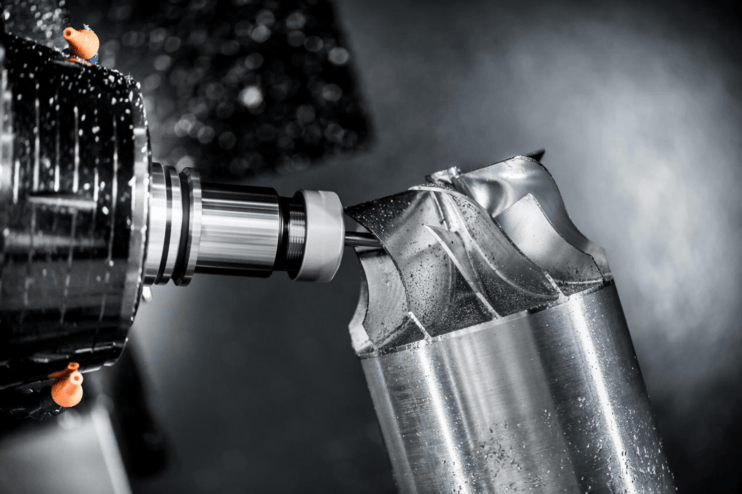
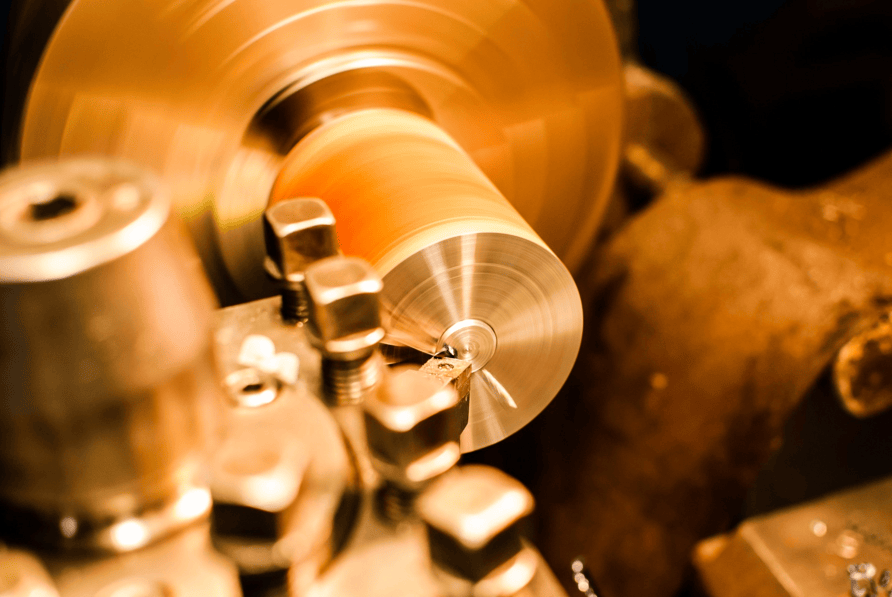
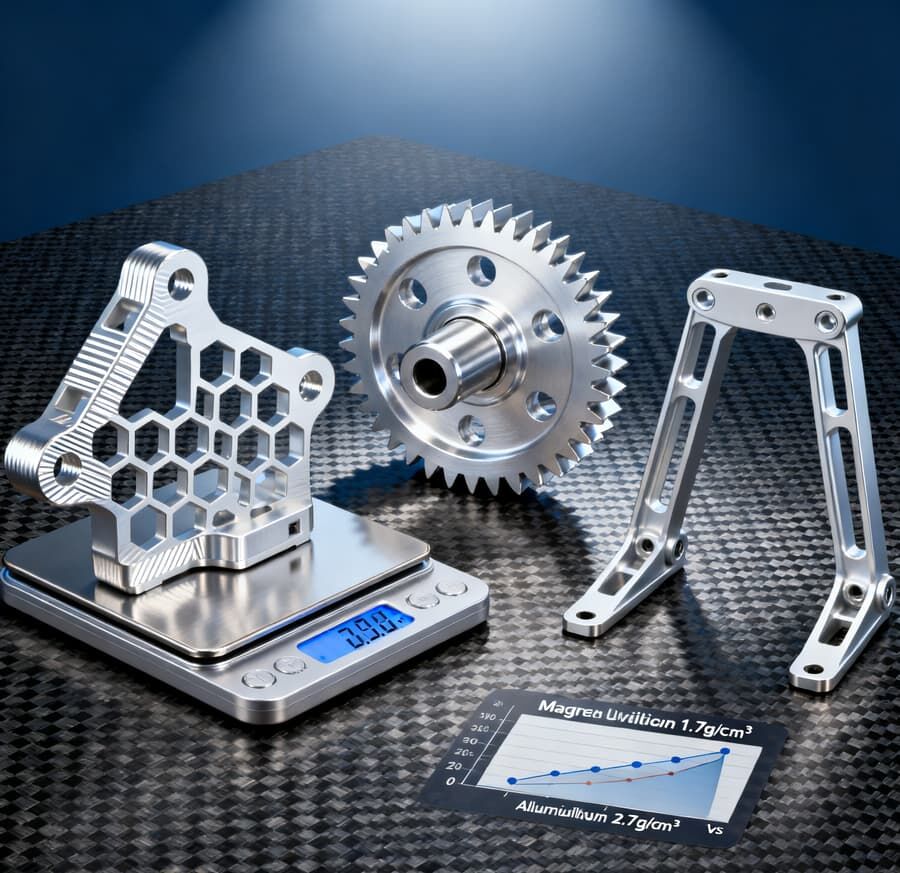
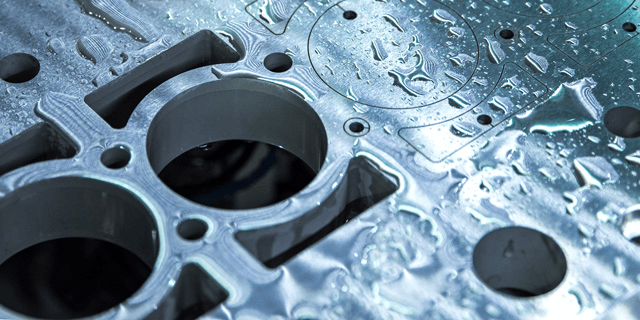
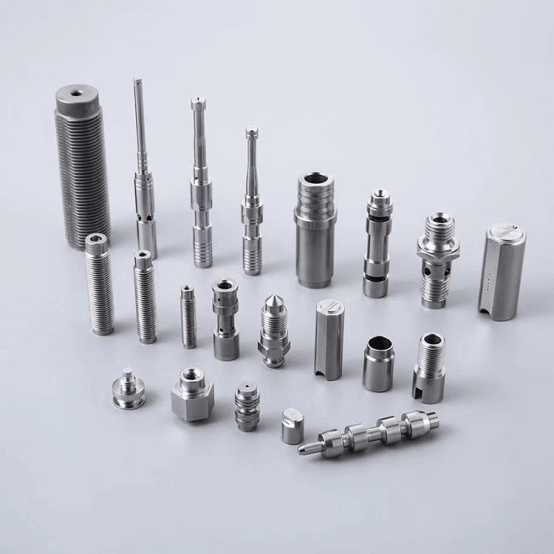
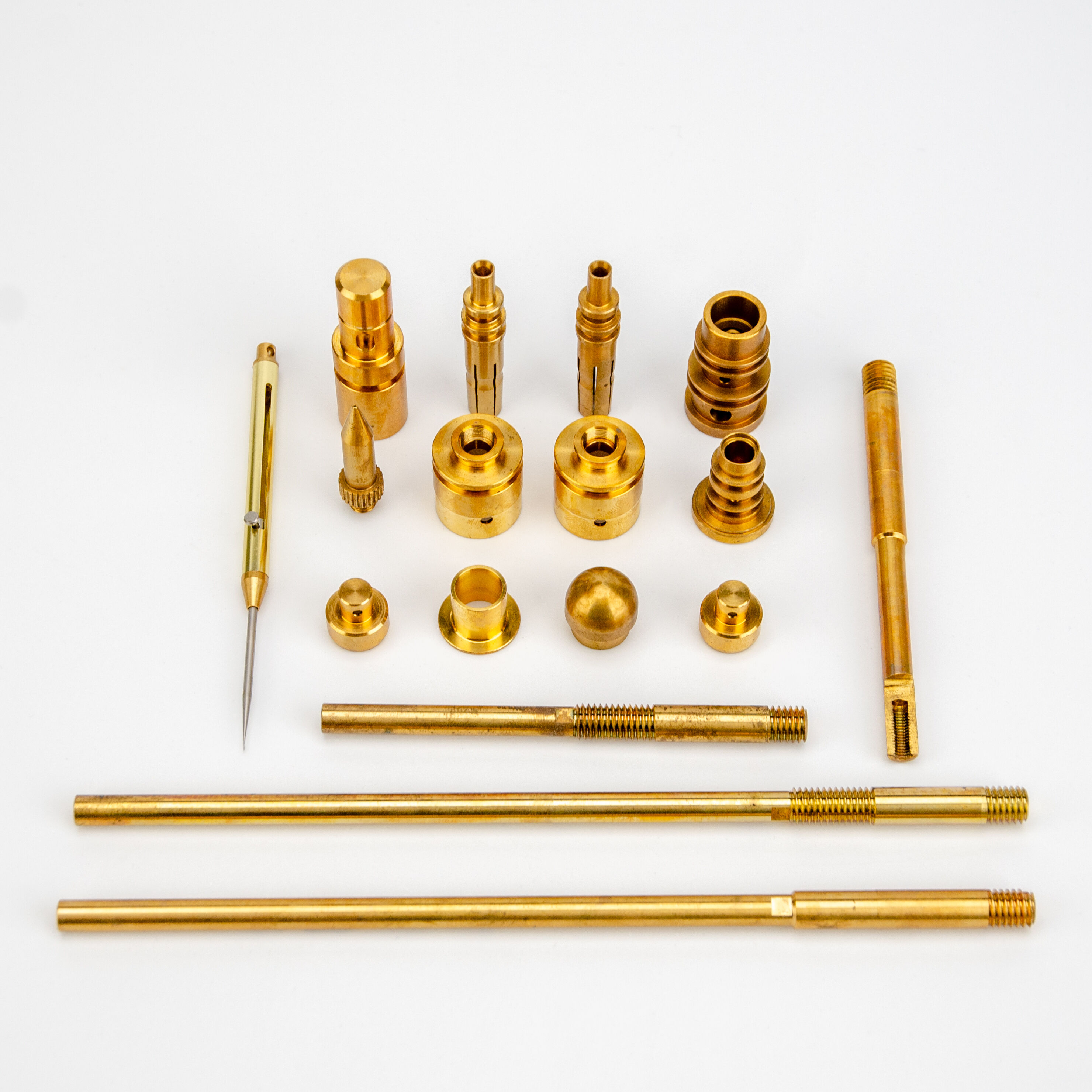
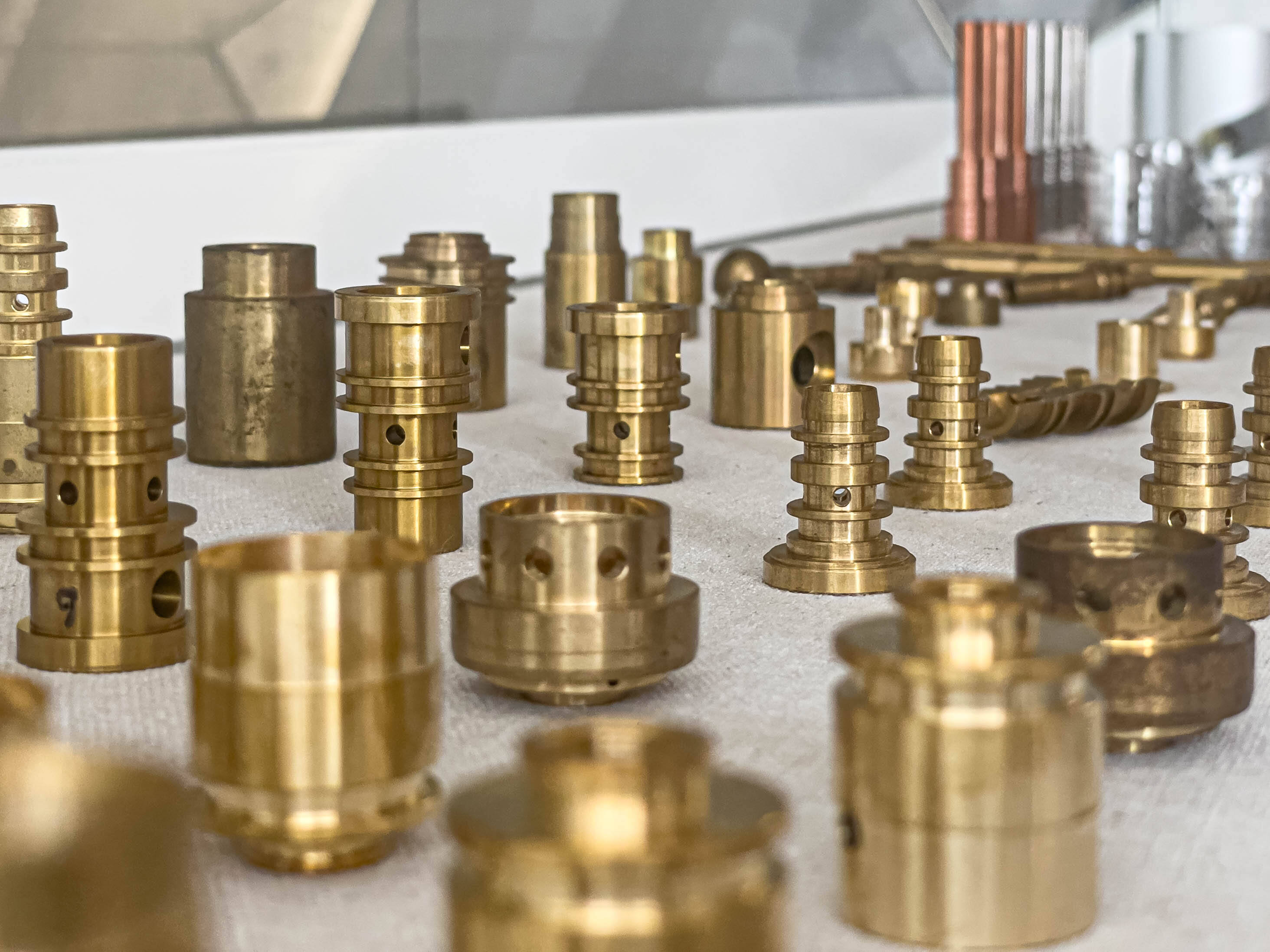
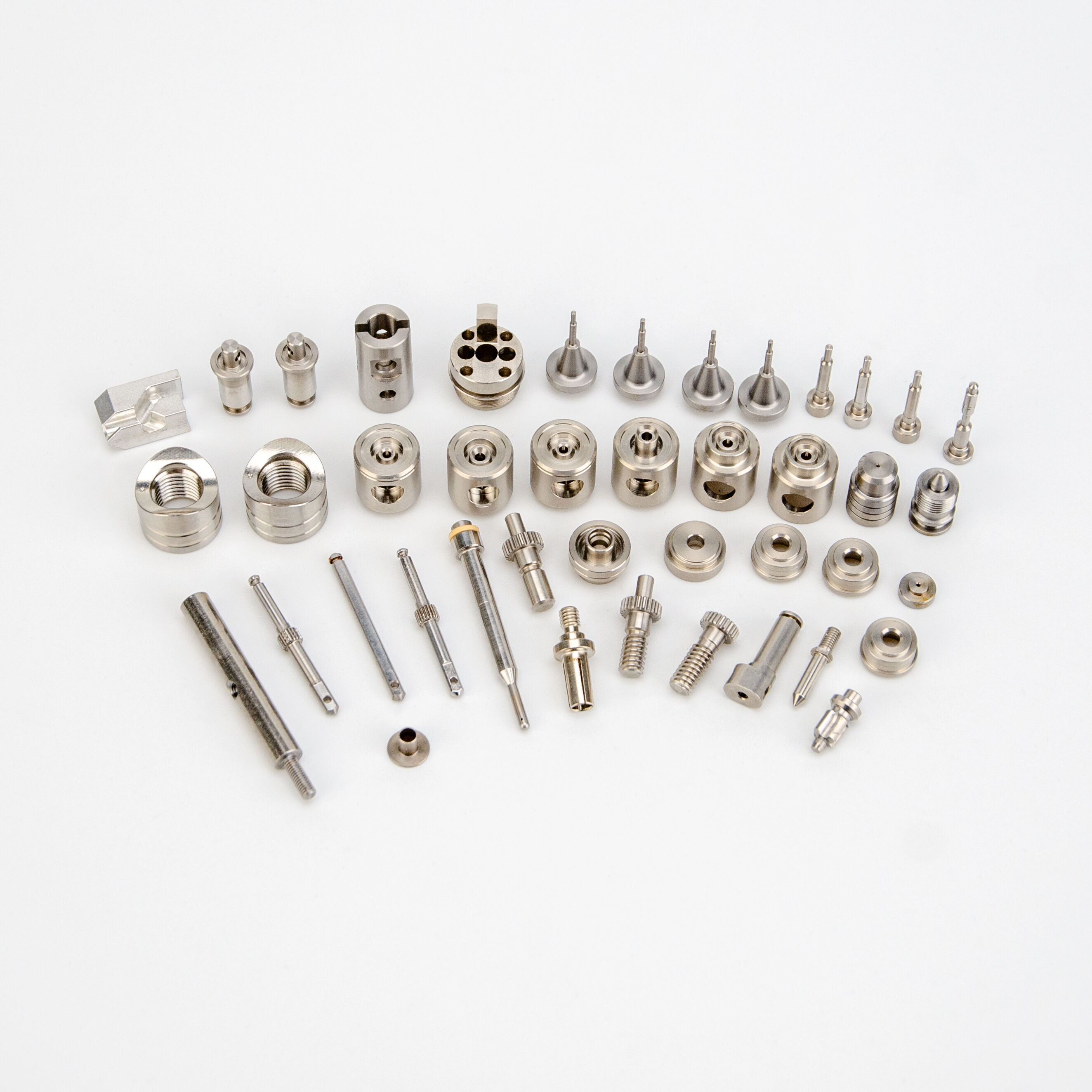
Aluminum for machining represents one of the most versatile and widely utilized materials in modern manufacturing processes. This specialized aluminum alloy is engineered specifically to deliver optimal performance during cutting, drilling, milling, and turning operations. The primary function of aluminum for machining centers on providing manufacturers with a lightweight yet durable material that maintains dimensional stability while offering excellent surface finish quality. The technological features of aluminum for machining include superior thermal conductivity, which helps dissipate heat generated during cutting operations, preventing tool wear and maintaining precision. The material exhibits exceptional chip formation characteristics, allowing for clean material removal and reducing the risk of built-up edge formation on cutting tools. Its homogeneous grain structure ensures consistent machining behavior across different sections of the workpiece. The corrosion resistance properties of aluminum for machining make it suitable for applications exposed to various environmental conditions. Modern aluminum for machining alloys incorporate advanced metallurgical processes that enhance machinability ratings significantly compared to standard aluminum grades. Applications span across aerospace components where weight reduction is critical, automotive parts requiring precise tolerances, electronics housings demanding thermal management, and medical devices needing biocompatibility. The material serves industries manufacturing heat sinks, structural components, precision instruments, and decorative elements. Manufacturing facilities utilize aluminum for machining in prototype development, small-batch production, and high-volume manufacturing scenarios. The versatility extends to both conventional and CNC machining operations, accommodating various cutting speeds and feed rates while maintaining surface integrity and dimensional accuracy throughout the production process.



 EN
EN