Professional Metal Machining Services - Precision Manufacturing Solutions

All Categories

metal machining services

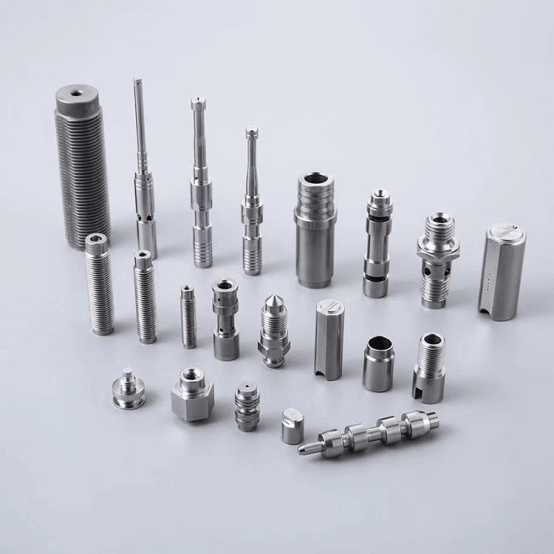
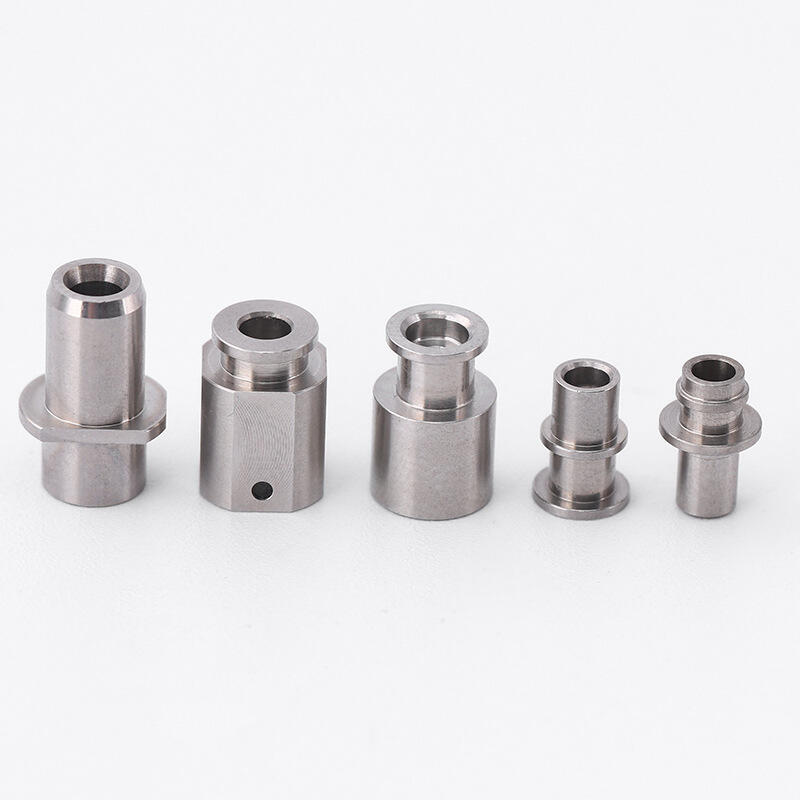
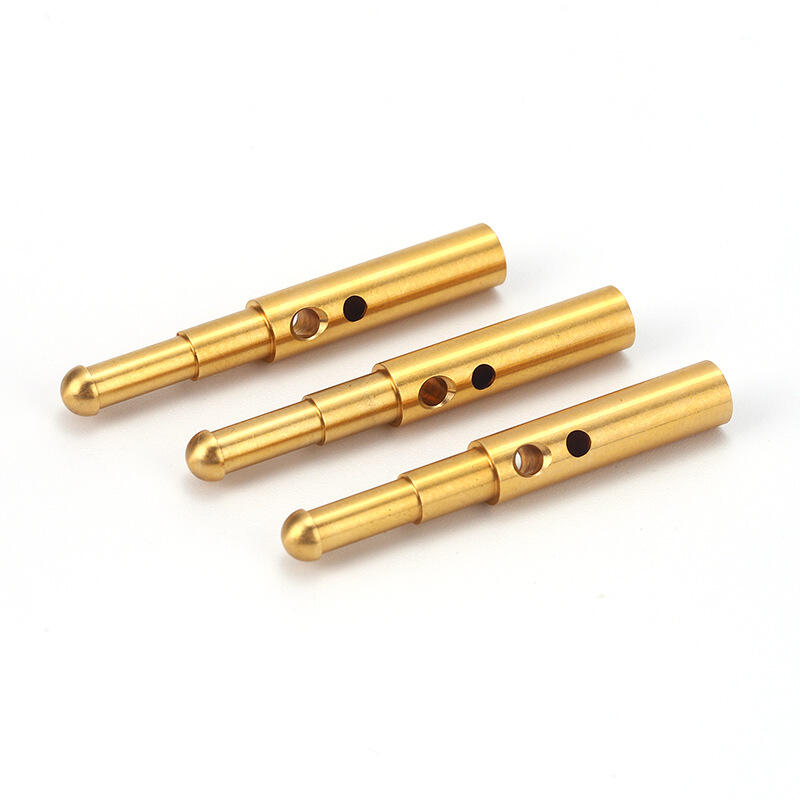
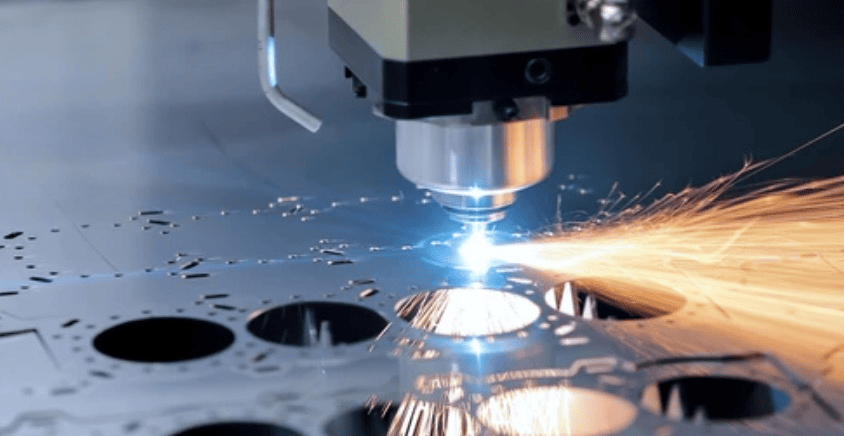
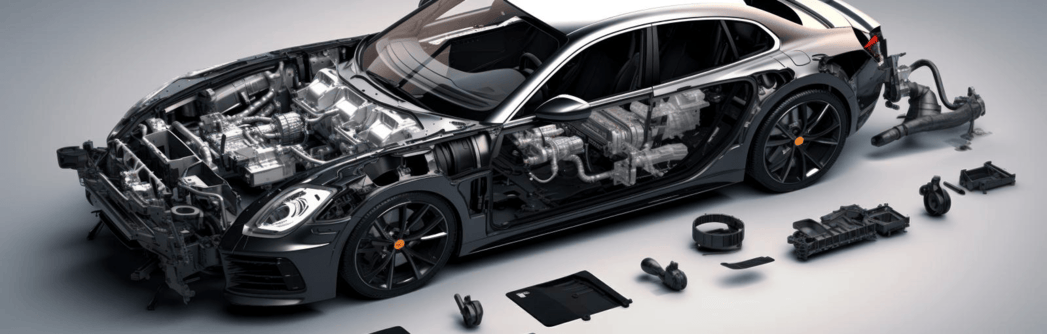
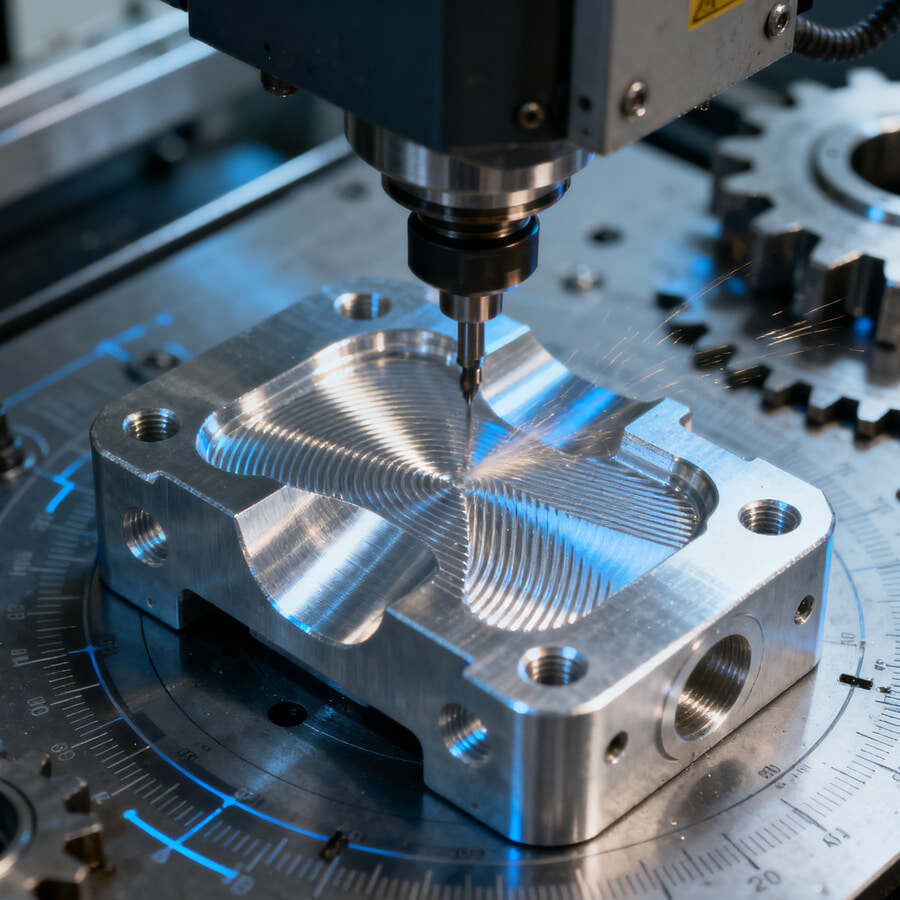
Metal machining services encompass a comprehensive range of manufacturing processes that transform raw metal materials into precisely engineered components and finished products. These specialized services utilize cutting-edge technology and skilled craftsmanship to remove material from metal workpieces through various mechanical operations, including turning, milling, drilling, grinding, and broaching. The primary function of metal machining services involves creating components with exact dimensional specifications, superior surface finishes, and tight tolerances that meet rigorous industrial standards. Modern metal machining facilities employ computer numerical control (CNC) machines, automated systems, and advanced tooling to ensure consistent quality and efficient production cycles. The technological features of contemporary metal machining services include multi-axis capabilities, real-time monitoring systems, and adaptive control mechanisms that optimize cutting parameters for different materials and geometries. These services work with diverse metal alloys, including aluminum, steel, titanium, brass, copper, and exotic materials used in specialized applications. Quality assurance protocols integrate coordinate measuring machines, surface roughness testers, and statistical process control to maintain exceptional accuracy throughout production runs. Metal machining services find extensive applications across automotive manufacturing, aerospace engineering, medical device production, energy sector components, electronics housings, and precision instrumentation. The versatility of these services enables manufacturers to produce everything from simple brackets and fasteners to complex turbine blades and surgical instruments. Advanced metal machining services also incorporate value-added operations such as heat treatment, surface coating, assembly, and packaging to provide complete manufacturing solutions. Environmental considerations drive the adoption of sustainable practices, including coolant recycling, chip recovery, and energy-efficient operations that minimize waste generation while maintaining production excellence.
New Product Releases

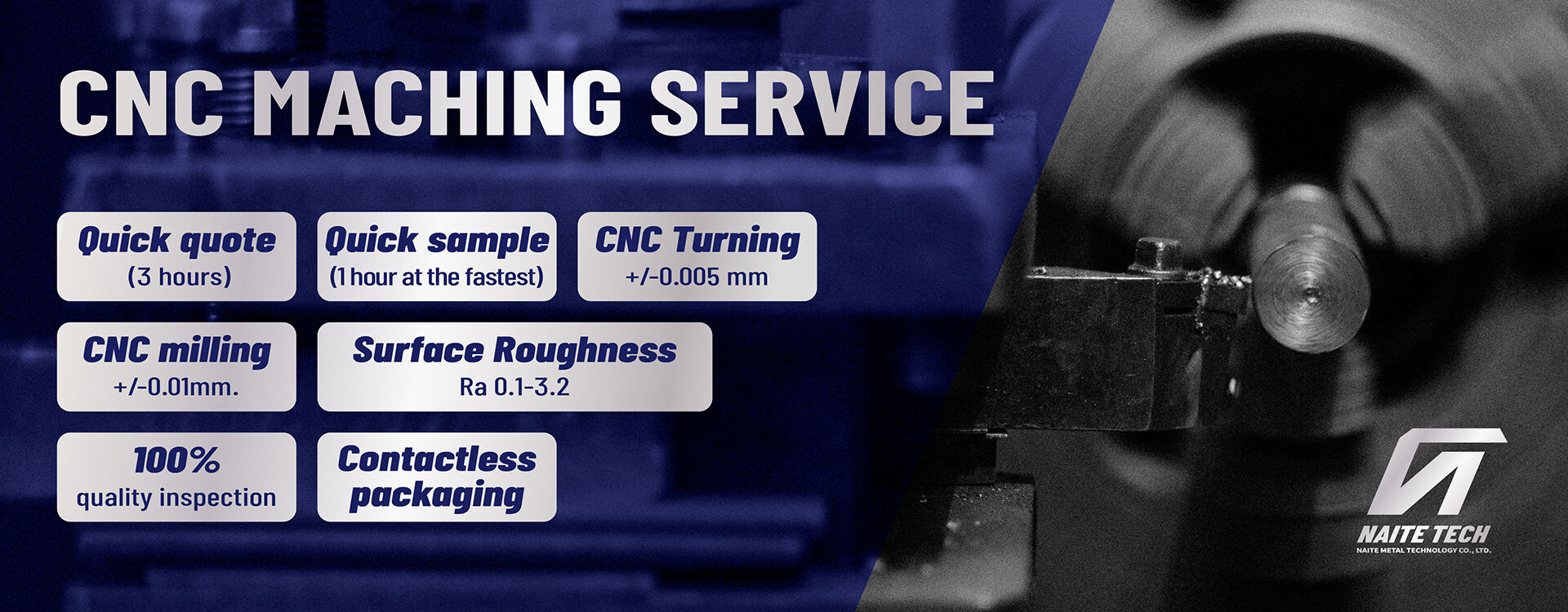
Metal machining services deliver exceptional precision that ensures components meet exact specifications required for critical applications. The advanced equipment and skilled operators achieve tolerances as tight as plus or minus 0.0001 inches, which proves essential for industries where precision directly impacts safety and performance. This level of accuracy eliminates costly rework, reduces assembly issues, and enhances overall product reliability. Manufacturing flexibility represents another significant advantage, as metal machining services can efficiently handle both prototype development and large-scale production runs. Companies can quickly adapt to changing market demands, modify designs without extensive retooling costs, and respond rapidly to customer requirements. The versatility extends to material compatibility, enabling fabrication of components from virtually any machinable metal or alloy. Cost-effectiveness emerges through reduced material waste, optimized production processes, and elimination of secondary operations. Metal machining services maximize material utilization through precise cutting strategies and minimize scrap generation, directly impacting project budgets. The ability to complete multiple operations in single setups reduces handling time, labor costs, and potential errors while accelerating delivery schedules. Quality consistency stands as a cornerstone advantage, with metal machining services maintaining uniform standards across entire production batches. Statistical process control and continuous monitoring ensure every component meets identical specifications, reducing variability and enhancing product performance. This consistency proves particularly valuable for industries requiring interchangeable parts and standardized assemblies. Time efficiency benefits customers through streamlined workflows, automated processes, and optimized production scheduling. Metal machining services can compress lead times significantly compared to traditional manufacturing methods while maintaining superior quality standards. The integration of advanced software systems enables real-time production tracking, predictive maintenance, and proactive quality management. Technical expertise provided by experienced machinists and engineers adds substantial value through design optimization recommendations, material selection guidance, and process improvement suggestions. This collaborative approach helps customers enhance product designs, reduce manufacturing costs, and improve overall component performance while ensuring manufacturability and compliance with industry standards.

Latest News

The cleaning of precision components is crucial to ensuring their smoothness and functionality.

29

Nov

The cleaning of precision components is crucial to ensuring their smoothness and functionality.

View More
Methods to Improve the Efficiency of Precision Component Processing

29

Nov

Methods to Improve the Efficiency of Precision Component Processing

View More
Kindness Warms the Heart, Responsibility in Action

29

Nov

Kindness Warms the Heart, Responsibility in Action

View More
Design Knowledge for Shaft Pin Components

29

Nov

Design Knowledge for Shaft Pin Components

View More

Get a Free Quote

Our representative will contact you soon.
Email
Name
Company Name
WhatsApp
Message
0/1000

metal machining services

Advanced CNC Technology and Automation Integration

Advanced CNC Technology and Automation Integration

Metal machining services leverage state-of-the-art computer numerical control technology that revolutionizes precision manufacturing capabilities and production efficiency. Modern CNC systems incorporate sophisticated software platforms that translate complex three-dimensional designs into precise machine movements, enabling the creation of intricate geometries that would be impossible through conventional machining methods. These advanced systems feature multi-axis capabilities, including simultaneous five-axis machining that allows cutting tools to approach workpieces from multiple angles within a single setup, dramatically reducing production time and improving dimensional accuracy. The integration of automation extends beyond basic machine operation to encompass material handling, tool changing, and quality inspection processes. Robotic loading systems and automated workpiece transfer mechanisms minimize human intervention while maximizing throughput and consistency. Predictive maintenance algorithms monitor machine performance in real-time, identifying potential issues before they affect production quality or cause unexpected downtime. The technological sophistication includes adaptive control systems that automatically adjust cutting parameters based on real-time feedback from sensors monitoring cutting forces, temperature, and vibration. This intelligent responsiveness ensures optimal cutting conditions throughout the machining process, extending tool life and maintaining superior surface finishes. Advanced metal machining services also utilize artificial intelligence and machine learning algorithms to optimize toolpath strategies, predict optimal cutting speeds and feeds, and continuously improve process efficiency. The benefits extend to customers through enhanced precision, reduced lead times, and improved cost-effectiveness. The automation integration eliminates human error factors while enabling 24-hour production capabilities that can accommodate urgent delivery requirements. The technological advancement also supports complex design requirements that push the boundaries of traditional manufacturing limitations, enabling customers to innovate without compromising on quality or feasibility.
Comprehensive Quality Assurance and Precision Control

Comprehensive Quality Assurance and Precision Control

Metal machining services implement rigorous quality assurance protocols that ensure every manufactured component meets or exceeds specified requirements through systematic inspection, testing, and documentation procedures. The comprehensive approach begins with incoming material verification using advanced testing equipment to confirm chemical composition, mechanical properties, and dimensional accuracy of raw materials before processing begins. Throughout the manufacturing process, in-process inspection stations utilize coordinate measuring machines, optical comparators, and precision gauges to monitor dimensional accuracy and detect potential deviations before they affect final product quality. Statistical process control methodologies track key parameters and identify trends that might indicate process variations, enabling proactive adjustments that maintain consistent quality standards. The quality infrastructure includes climate-controlled inspection rooms equipped with high-precision measuring instruments calibrated to national and international standards, ensuring measurement accuracy and traceability. Surface finish analysis equipment monitors texture parameters and ensures compliance with specified roughness requirements for functional and aesthetic purposes. Material certification documentation accompanies every shipment, providing complete traceability from raw material source through final inspection results. Non-destructive testing capabilities, including penetrant inspection and magnetic particle testing, verify internal integrity without compromising component usability. The quality assurance advantage extends to regulatory compliance support for industries with stringent certification requirements, including aerospace AS9100, medical device ISO 13485, and automotive IATF 16949 standards. Documentation systems maintain comprehensive records of all quality data, enabling rapid response to customer inquiries and supporting continuous improvement initiatives. The precision control benefits customers by reducing incoming inspection requirements, minimizing assembly issues, and eliminating costly field failures. The systematic approach to quality management provides confidence in component reliability and supports lean manufacturing principles by delivering consistent, defect-free products that integrate seamlessly into customer operations.
Rapid Prototyping and Custom Manufacturing Solutions

Rapid Prototyping and Custom Manufacturing Solutions

Metal machining services excel in rapid prototyping capabilities that accelerate product development cycles and enable innovative design validation through quick turnaround of functional prototype components. The agile manufacturing approach combines advanced programming techniques with flexible machine setups to produce prototype parts within days rather than weeks, supporting compressed development schedules and competitive time-to-market requirements. Experienced programmers and machinists collaborate closely with design engineers to optimize manufacturability while maintaining design intent, often suggesting improvements that enhance functionality or reduce production costs. The prototyping expertise extends to complex assemblies requiring multiple components with precise fit and function characteristics, enabling comprehensive testing of complete systems before committing to production tooling or volume manufacturing. Custom manufacturing solutions address unique customer requirements that standard manufacturing approaches cannot accommodate, including specialized materials, unusual geometries, or extremely tight tolerances. The flexibility encompasses small-batch production runs for limited-edition products, replacement parts for obsolete equipment, and specialized components for research and development applications. Advanced metal machining services maintain extensive material inventories and established supplier relationships that enable rapid sourcing of exotic alloys or specialized grades required for custom applications. The engineering support includes design for manufacturability consultation, material selection guidance, and process optimization recommendations that help customers achieve optimal results while minimizing costs and lead times. Value engineering services identify opportunities to reduce material usage, simplify manufacturing processes, or improve component performance through design modifications that maintain functional requirements while enhancing efficiency. The custom manufacturing advantage provides customers with a single-source solution for complex projects requiring multiple manufacturing operations, assembly services, and comprehensive quality documentation. This integrated approach reduces coordination complexity, minimizes potential communication errors, and ensures consistent quality standards throughout all project phases while providing complete accountability for project success and customer satisfaction.