Premium CNC Components: Precision Manufacturing Solutions for Industrial Applications

All Categories

cnc components

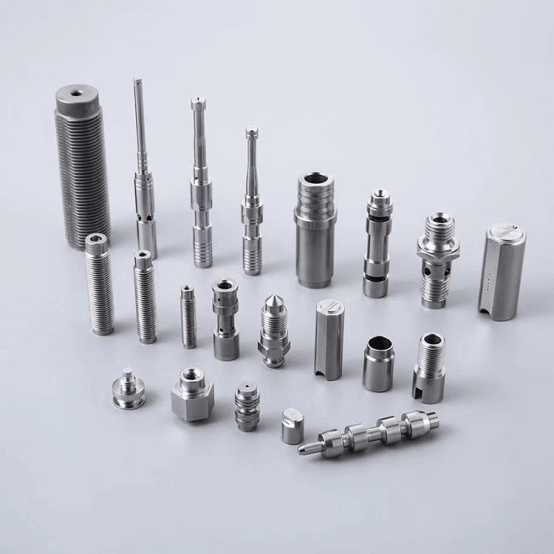
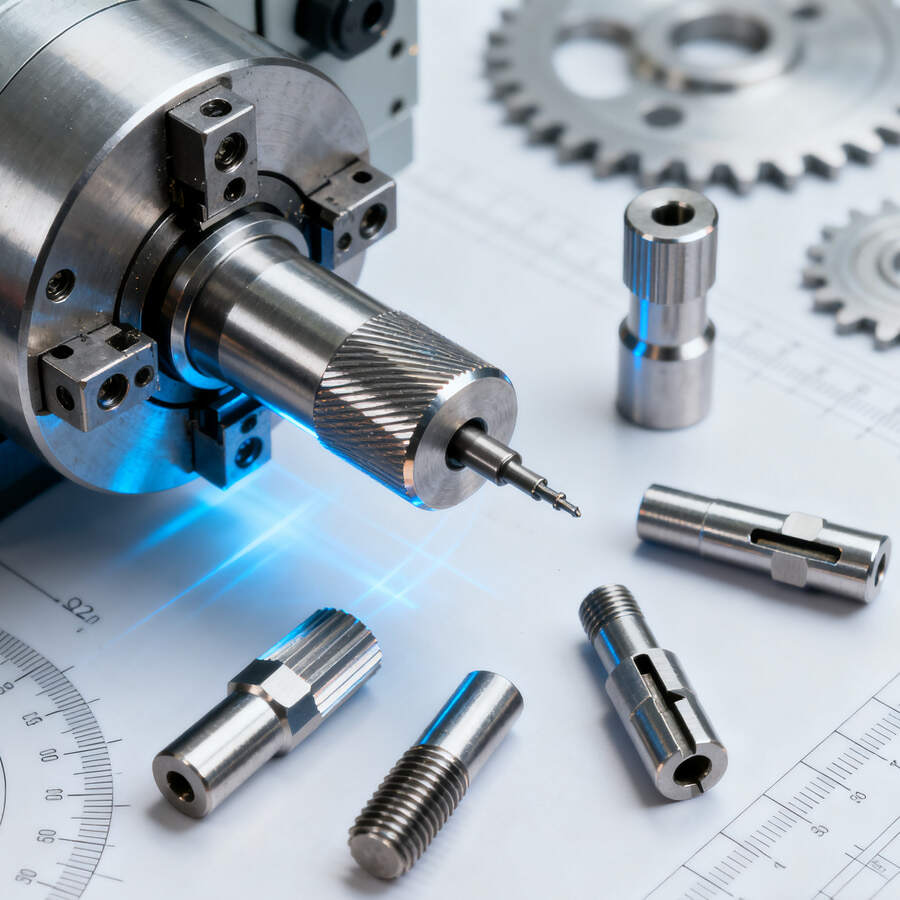
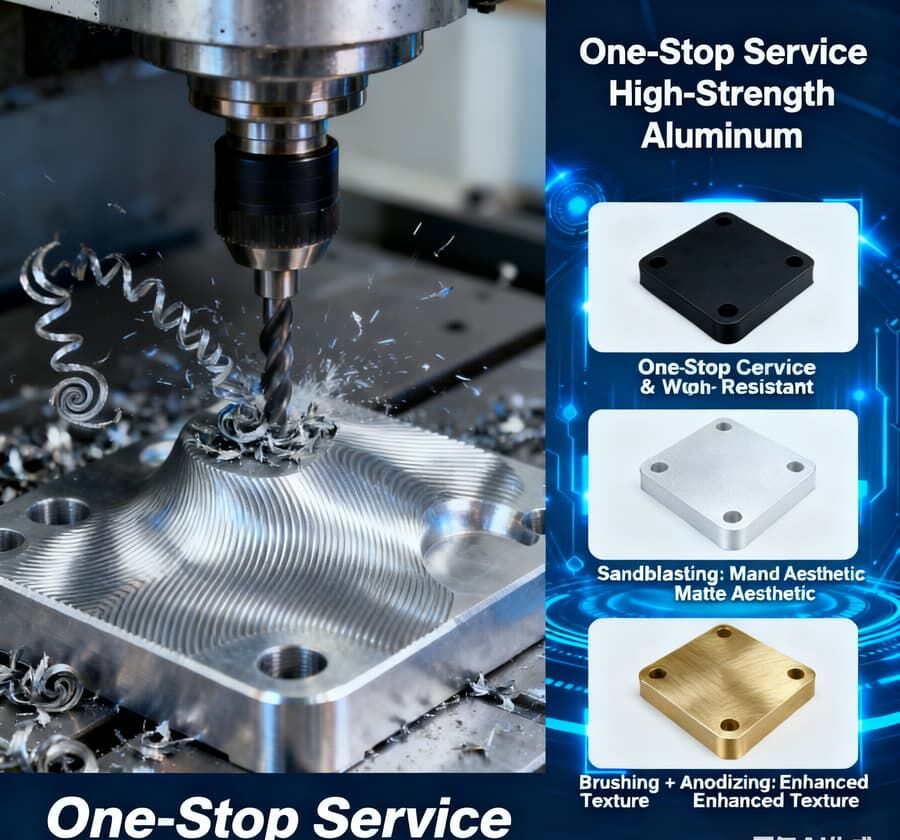
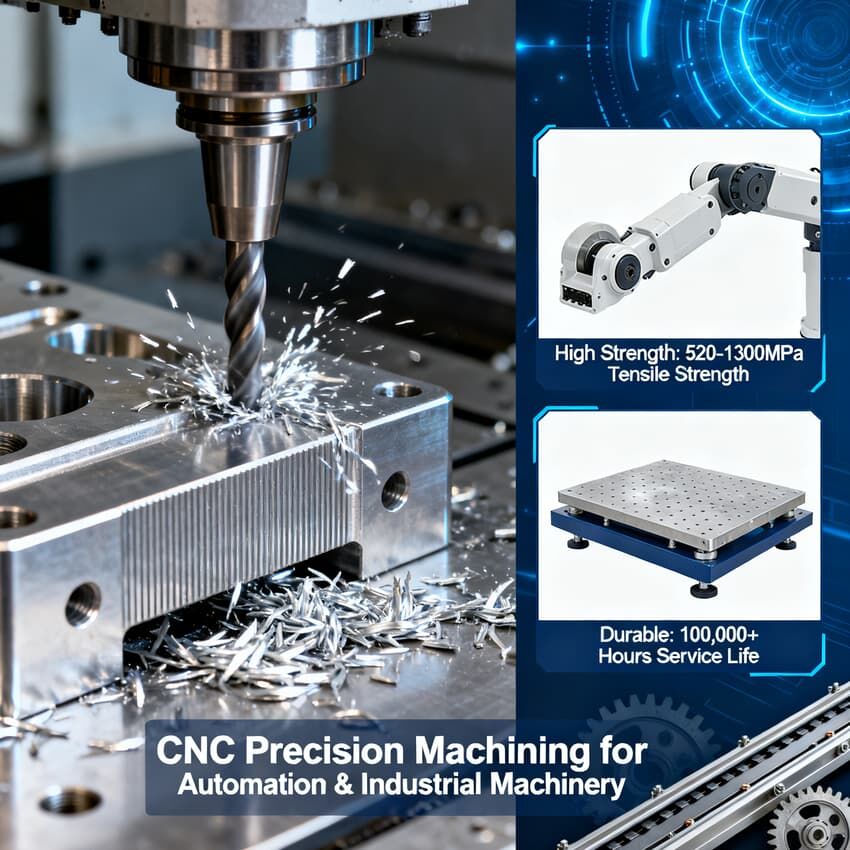
CNC components represent the fundamental building blocks that enable precision manufacturing through computer-controlled machining systems. These sophisticated parts work together to create automated production capabilities that transform raw materials into finished products with exceptional accuracy and consistency. The primary functions of CNC components encompass motion control, tool positioning, material cutting, and process monitoring throughout manufacturing operations. Modern CNC components integrate advanced servo motors, precision ball screws, linear guides, spindles, and control systems that collectively deliver superior performance in industrial applications. Technological features of these components include high-resolution encoders for exact positioning, robust construction materials that withstand continuous operation, and intelligent feedback systems that maintain optimal performance parameters. The servo motors within CNC components provide precise rotational control with exceptional torque characteristics, while linear actuators ensure smooth translation movements along multiple axes. Advanced spindle systems incorporate variable speed capabilities and automatic tool changing mechanisms that enhance operational flexibility. Control electronics feature sophisticated processors that execute complex machining programs with microsecond timing precision. CNC components find applications across diverse industries including aerospace manufacturing, automotive production, medical device fabrication, and precision tooling. These systems excel in producing complex geometries, maintaining tight tolerances, and delivering repeatable results across large production runs. The integration of smart sensors and monitoring systems within CNC components enables predictive maintenance and real-time quality control. Modern designs incorporate energy-efficient technologies that reduce operational costs while maintaining performance standards. The modular nature of contemporary CNC components allows for customizable configurations that meet specific manufacturing requirements and production volumes.
New Product Releases

CNC components deliver substantial benefits that revolutionize manufacturing processes and enhance operational efficiency across industrial applications. These advanced systems significantly reduce production time by automating complex machining operations that would otherwise require extensive manual intervention and skilled labor. The precision capabilities of CNC components eliminate human error and deliver consistent results with tolerances measured in micrometers, ensuring every manufactured part meets exact specifications. This level of accuracy directly translates to reduced material waste, lower rejection rates, and improved overall product quality. Manufacturing facilities experience increased productivity through continuous operation capabilities, as CNC components can run unattended for extended periods while maintaining consistent performance standards. The automation features built into these systems allow operators to focus on higher-value tasks while the equipment handles routine machining operations efficiently. Cost savings emerge from multiple sources including reduced labor requirements, minimized material waste, decreased rework needs, and improved energy efficiency compared to traditional manufacturing methods. CNC components adapt easily to design changes and product variations without requiring extensive retooling or setup modifications, providing manufacturers with enhanced flexibility to respond to market demands quickly. The repeatability of CNC components ensures consistent quality across large production runs, eliminating variations that commonly occur with manual machining processes. Advanced monitoring capabilities within these systems provide real-time feedback on performance metrics, enabling proactive maintenance scheduling and preventing costly downtime. Safety improvements result from reduced operator exposure to moving machinery and cutting tools, as CNC components operate within enclosed environments with comprehensive safety interlocks. The scalability of CNC component systems allows businesses to expand production capacity incrementally without major infrastructure changes. Integration capabilities with existing manufacturing systems and enterprise software platforms streamline workflow management and production planning processes. Quality control benefits include automated measurement functions, statistical process control integration, and documentation capabilities that support compliance requirements across regulated industries.

Practical Tips

The cleaning of precision components is crucial to ensuring their smoothness and functionality.

29

Nov

The cleaning of precision components is crucial to ensuring their smoothness and functionality.

View More
Methods to Improve the Efficiency of Precision Component Processing

29

Nov

Methods to Improve the Efficiency of Precision Component Processing

View More
Kindness Warms the Heart, Responsibility in Action

29

Nov

Kindness Warms the Heart, Responsibility in Action

View More
Design Knowledge for Shaft Pin Components

29

Nov

Design Knowledge for Shaft Pin Components

View More

Get a Free Quote

Our representative will contact you soon.
Email
Name
Company Name
WhatsApp
Message
0/1000

cnc components

Precision Control Technology for Superior Manufacturing Accuracy

Precision Control Technology for Superior Manufacturing Accuracy

CNC components incorporate cutting-edge precision control technology that sets new standards for manufacturing accuracy and repeatability in industrial applications. This sophisticated system combines high-resolution feedback devices, advanced motion control algorithms, and precision mechanical components to achieve positioning accuracies that exceed traditional manufacturing capabilities. The servo motor systems within these CNC components utilize advanced encoder technology that provides position feedback with resolutions reaching nanometer levels, ensuring every movement is precisely controlled and monitored. The closed-loop control system continuously compares commanded positions with actual positions, making real-time corrections to maintain exact positioning throughout the entire machining process. This precision control technology eliminates cumulative positioning errors that commonly plague traditional manufacturing equipment, resulting in consistently accurate parts regardless of production volume or complexity. The advanced interpolation algorithms built into the control systems enable smooth motion profiles that reduce vibration and improve surface finish quality on manufactured components. Ball screw assemblies with precision-ground threads and preloaded nut systems eliminate backlash and provide exceptional positioning accuracy across the entire travel range. Linear guide systems incorporate precision-machined raceways and recirculating ball bearings that maintain consistent motion characteristics throughout millions of operating cycles. The thermal compensation features within these control systems automatically adjust for temperature variations that could affect dimensional accuracy, ensuring consistent results across varying environmental conditions. Dynamic motion control capabilities enable these systems to optimize acceleration and deceleration profiles based on load characteristics and desired precision requirements. The integration of multiple feedback systems including position, velocity, and current feedback creates a comprehensive control loop that maintains optimal performance under varying operating conditions. This precision control technology directly translates to improved part quality, reduced scrap rates, and enhanced customer satisfaction through consistent delivery of products that meet exact specifications.
Advanced Automation Capabilities for Enhanced Operational Efficiency

Advanced Automation Capabilities for Enhanced Operational Efficiency

CNC components feature sophisticated automation capabilities that transform manufacturing operations by eliminating manual intervention requirements and optimizing production workflows for maximum efficiency. These automated systems incorporate intelligent programming interfaces that allow operators to create complex machining sequences through intuitive graphical interfaces, reducing the technical expertise required for system operation. The automatic tool changing mechanisms within these components enable unattended operation across multiple machining processes, significantly reducing setup times and increasing productive machine utilization. Advanced workpiece handling systems integrate seamlessly with CNC components to create fully automated manufacturing cells that can process parts from raw material to finished product without human intervention. The adaptive control features continuously monitor cutting conditions and automatically adjust feed rates, spindle speeds, and tool paths to maintain optimal performance while protecting tooling and workpieces from damage. Integrated quality control systems perform automated measurements and inspections during the machining process, identifying potential issues before they result in defective parts. The predictive maintenance capabilities built into modern CNC components analyze operating data to predict when maintenance will be required, allowing facilities to schedule maintenance activities during planned downtime rather than experiencing unexpected failures. Remote monitoring and control capabilities enable operators to oversee multiple machines from centralized locations, improving labor efficiency and enabling rapid response to operational issues. The automated documentation systems capture detailed production data including cycle times, tool usage, and quality measurements, providing valuable insights for process optimization and regulatory compliance. Energy management features automatically optimize power consumption based on operational requirements, reducing facility energy costs while maintaining performance standards. The modular automation architecture allows for easy integration of additional automated features as production requirements evolve, protecting equipment investments while enhancing capabilities. These automation capabilities collectively reduce labor costs, improve consistency, and enable manufacturers to compete effectively in global markets through enhanced productivity and quality.
Robust Construction and Reliability for Long-Term Performance

Robust Construction and Reliability for Long-Term Performance

CNC components demonstrate exceptional durability through robust construction methodologies and premium materials that ensure reliable long-term performance in demanding industrial environments. The structural foundations of these systems utilize precision-machined cast iron or steel bases that provide exceptional dimensional stability and vibration dampening characteristics essential for maintaining accuracy over extended operating periods. High-grade bearing systems incorporate precision-manufactured components with advanced lubrication systems that extend service life and maintain smooth operation throughout millions of cycles. The electrical components within CNC systems feature industrial-grade construction standards that resist environmental factors including temperature variations, humidity, and electromagnetic interference commonly encountered in manufacturing facilities. Advanced protective coatings on critical surfaces provide corrosion resistance and wear protection, ensuring consistent performance even in challenging operating environments. The thermal management systems built into these components include sophisticated cooling circuits that maintain optimal operating temperatures for critical components, preventing thermal expansion issues that could affect accuracy. Quality control processes during manufacturing ensure every component meets stringent performance standards before assembly, resulting in systems that deliver consistent performance from initial installation throughout their operational lifespan. The modular design philosophy enables easy replacement of individual components without requiring complete system rebuilds, reducing maintenance costs and minimizing downtime for service activities. Comprehensive diagnostic systems continuously monitor component health and performance parameters, providing early warning of potential issues before they impact production. The robust construction extends to protective enclosures that shield sensitive components from environmental contaminants while providing safe access for maintenance activities. Premium sealing systems prevent contamination of precision components while allowing for necessary lubrication and cooling functions. The proven reliability of these CNC components results in higher equipment availability, reduced maintenance costs, and improved return on investment for manufacturing operations. Extensive testing protocols validate performance under various operating conditions, ensuring reliable operation across diverse applications and environments.