Professional CNC Parts Manufacturer - Precision Machining Services & Custom Components

All Categories

cnc parts manufacturer

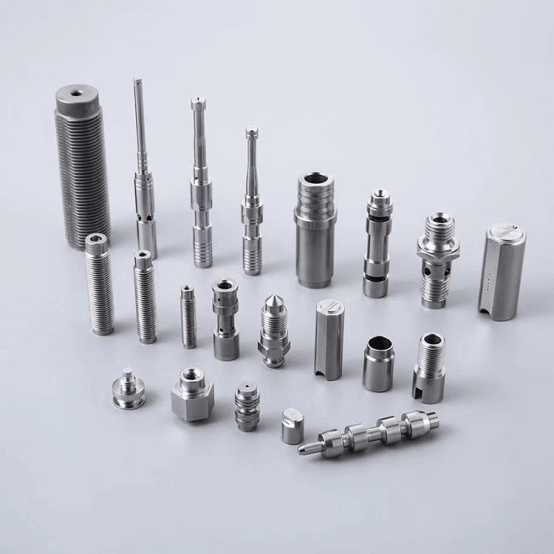
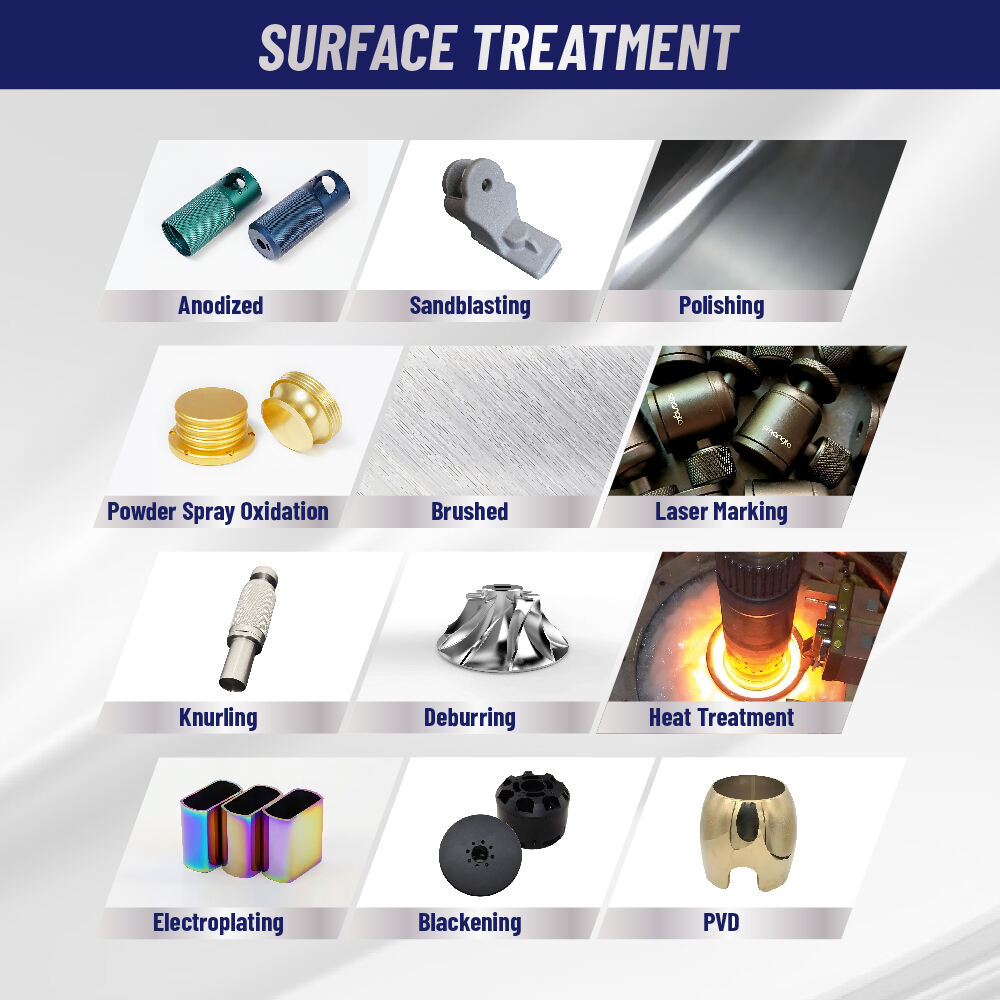
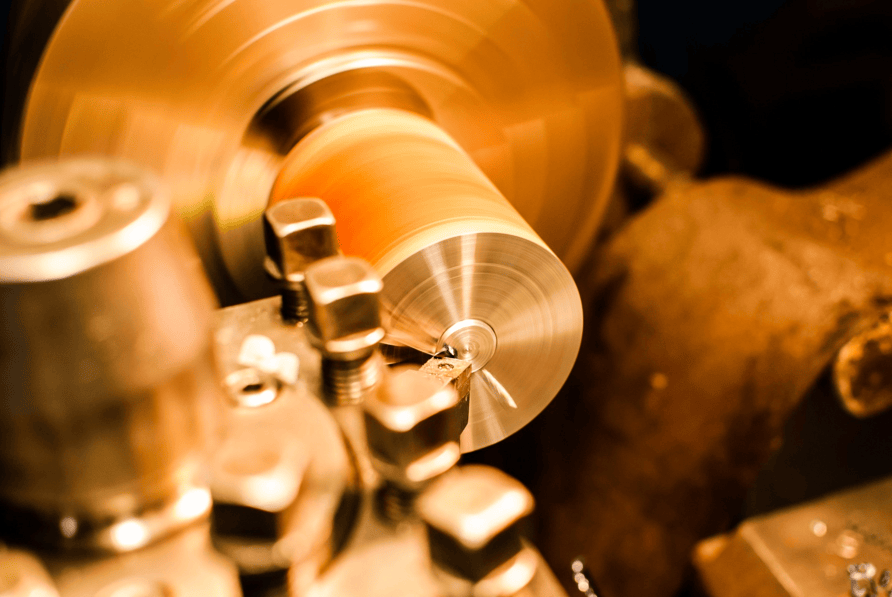
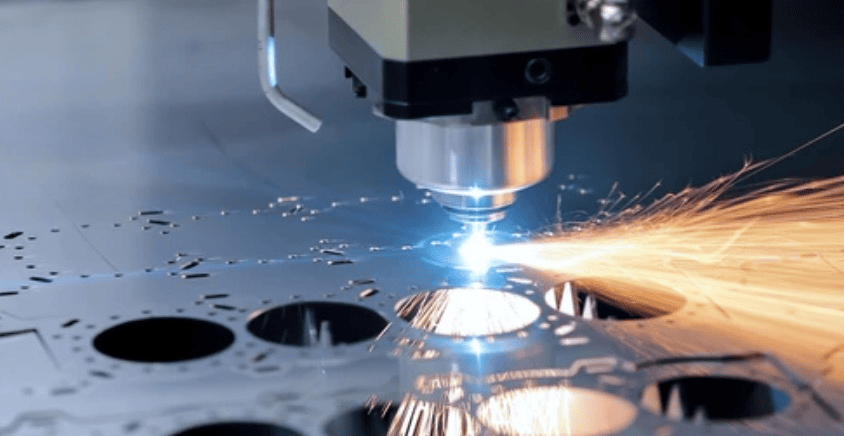
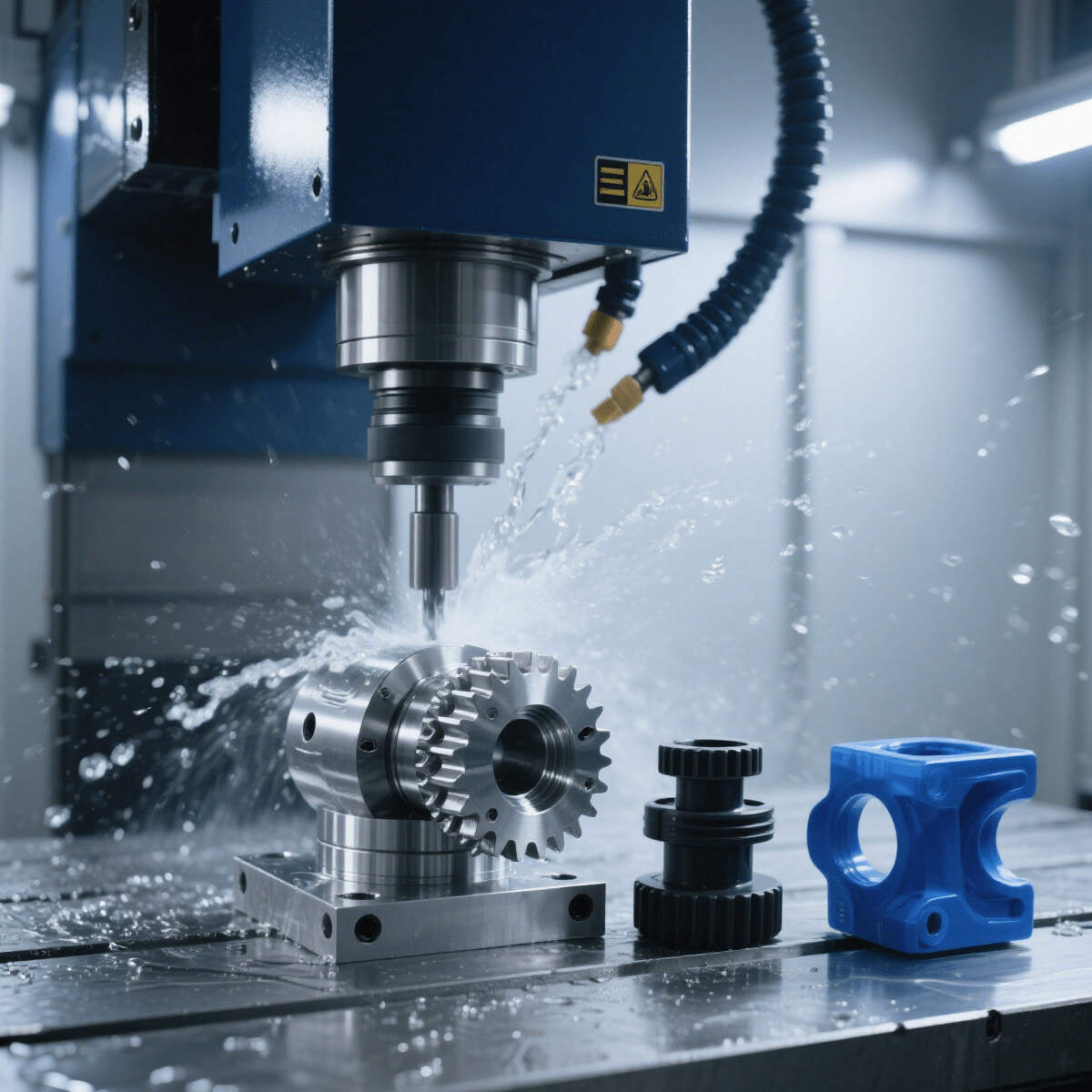
A cnc parts manufacturer represents a specialized industrial company that utilizes computer numerical control technology to produce precision-engineered components across diverse industries. These manufacturers operate sophisticated machining centers equipped with advanced CNC machinery, including milling machines, lathes, grinders, and multi-axis machining systems. The primary function of a cnc parts manufacturer involves transforming raw materials such as aluminum, steel, titanium, brass, and engineering plastics into highly accurate finished components according to exact customer specifications. The technological foundation relies on computer-controlled automation systems that interpret digital design files, typically CAD drawings, and translate them into precise machining instructions. This digital workflow enables consistent repeatability, exceptional dimensional accuracy, and complex geometries that would be impossible to achieve through traditional manual machining methods. Modern cnc parts manufacturers incorporate cutting-edge technologies including 5-axis simultaneous machining, high-speed spindles, automated tool changing systems, and real-time quality monitoring equipment. These facilities often feature climate-controlled environments to maintain thermal stability during precision operations. The manufacturing process typically begins with material procurement and inspection, followed by programming and setup procedures, actual machining operations, quality control inspections, and final finishing treatments. Applications span numerous sectors including aerospace, automotive, medical devices, electronics, defense, energy, and consumer products. Aerospace components require exceptional precision and material traceability, while automotive parts demand high-volume production capabilities. Medical device manufacturing necessitates biocompatible materials and stringent quality standards. The cnc parts manufacturer serves as a critical link in modern supply chains, enabling companies to outsource complex manufacturing requirements while maintaining quality standards and cost efficiency.
Popular Products

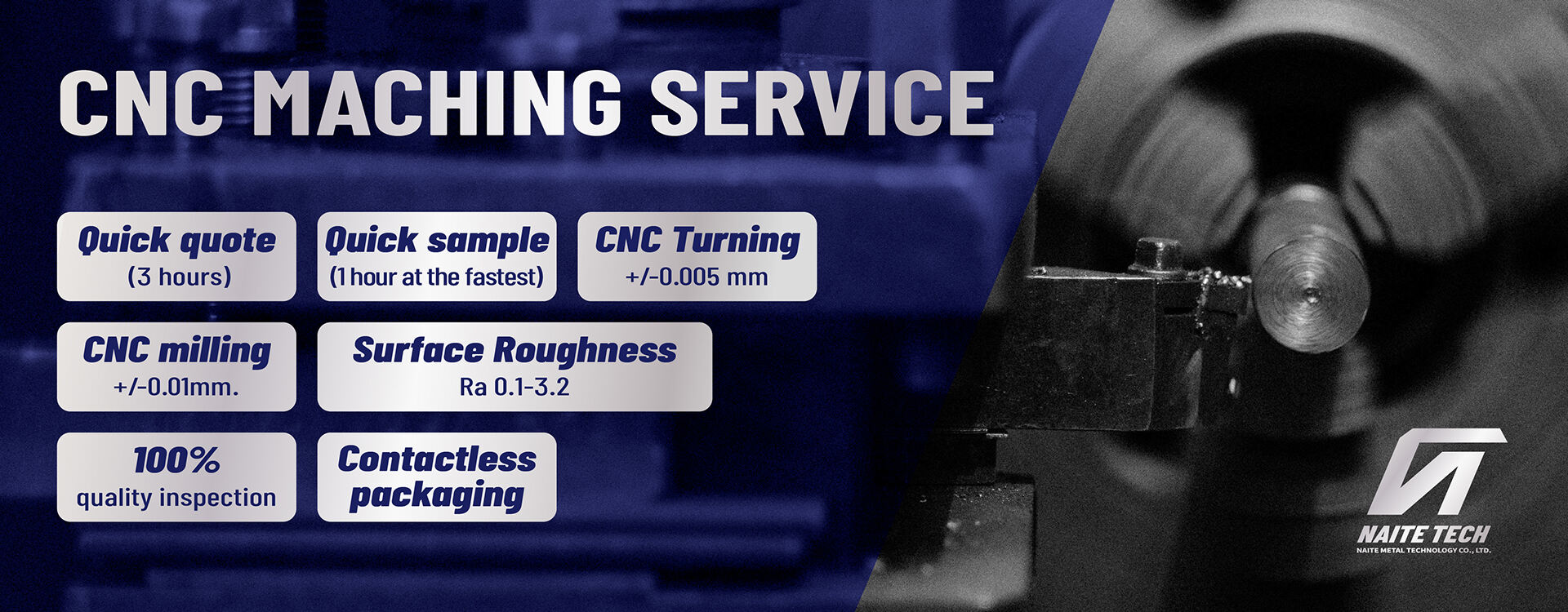
The primary advantage of partnering with a professional cnc parts manufacturer lies in accessing advanced manufacturing capabilities without substantial capital investment in expensive machinery and skilled personnel. These specialized facilities offer economies of scale that dramatically reduce per-unit costs compared to in-house production, particularly for complex geometries or small to medium production runs. Quality consistency represents another significant benefit, as cnc parts manufacturers maintain rigorous quality control systems, certified processes, and experienced technicians who ensure every component meets exact specifications. The precision achievable through professional CNC manufacturing typically ranges from ±0.0001 to ±0.005 inches, depending on material and complexity requirements. Time efficiency becomes crucial in competitive markets, and established cnc parts manufacturers possess streamlined workflows, optimized tooling strategies, and parallel processing capabilities that significantly reduce lead times compared to traditional manufacturing approaches. Material expertise constitutes another valuable advantage, as these manufacturers maintain relationships with certified suppliers and possess deep knowledge of material properties, machining characteristics, and appropriate applications for different alloys and composites. Risk mitigation represents a substantial benefit, particularly for companies lacking internal manufacturing expertise, as professional cnc parts manufacturers carry appropriate insurance, maintain safety certifications, and implement proven quality management systems. Scalability offers tremendous flexibility, allowing customers to adjust production volumes based on market demand without worrying about capacity constraints or workforce management. Technology access ensures customers benefit from the latest manufacturing innovations, including advanced CAM software, high-speed machining capabilities, and automated inspection systems that would be cost-prohibitive for individual companies to acquire. Supply chain optimization becomes possible through strategic partnerships with cnc parts manufacturers who can coordinate multiple operations, manage inventory levels, and provide just-in-time delivery schedules. Cost predictability improves business planning, as reputable manufacturers provide detailed quotations, transparent pricing structures, and consistent delivery schedules that enable accurate financial forecasting and budget management.

Practical Tips

The cleaning of precision components is crucial to ensuring their smoothness and functionality.

29

Nov

The cleaning of precision components is crucial to ensuring their smoothness and functionality.

View More
Methods to Improve the Efficiency of Precision Component Processing

29

Nov

Methods to Improve the Efficiency of Precision Component Processing

View More
Kindness Warms the Heart, Responsibility in Action

29

Nov

Kindness Warms the Heart, Responsibility in Action

View More
Design Knowledge for Shaft Pin Components

29

Nov

Design Knowledge for Shaft Pin Components

View More

Get a Free Quote

Our representative will contact you soon.
Email
Name
Company Name
WhatsApp
Message
0/1000

cnc parts manufacturer

Advanced Multi-Axis Machining Capabilities

Advanced Multi-Axis Machining Capabilities

The sophisticated multi-axis machining capabilities offered by leading cnc parts manufacturers represent a revolutionary advancement in precision manufacturing technology that delivers unprecedented geometric flexibility and surface finish quality. Modern 5-axis simultaneous machining centers enable the production of incredibly complex components in single setups, eliminating the need for multiple fixtures and reducing accumulative tolerances that typically occur during traditional 3-axis operations. This advanced capability allows manufacturers to machine intricate contours, undercuts, and complex angular features that would be impossible or extremely costly to achieve through conventional methods. The simultaneous movement of all five axes during cutting operations results in superior surface finishes, reduced cycle times, and enhanced dimensional accuracy across all component features. Professional cnc parts manufacturers invest in state-of-the-art machining centers from renowned manufacturers like DMG Mori, Haas, Mazak, and Okuma, ensuring customers receive components produced on the most advanced equipment available. These sophisticated machines incorporate high-speed spindles capable of achieving rotational speeds exceeding 20,000 RPM, enabling efficient machining of difficult materials while maintaining exceptional surface quality. The integration of advanced CAM software systems allows manufacturers to optimize toolpaths, minimize cycle times, and predict potential machining challenges before actual production begins. This technological sophistication translates directly into cost savings for customers through reduced secondary operations, improved material utilization, and faster delivery schedules. The ability to maintain tight tolerances across complex geometries means that customers can design more innovative products without compromising manufacturability or increasing production costs. Furthermore, the advanced multi-axis capabilities enable the production of lightweight components with internal channels, organic shapes, and optimized material distribution that enhance product performance while reducing overall weight and material consumption.
Comprehensive Quality Assurance and Certification Systems

Comprehensive Quality Assurance and Certification Systems

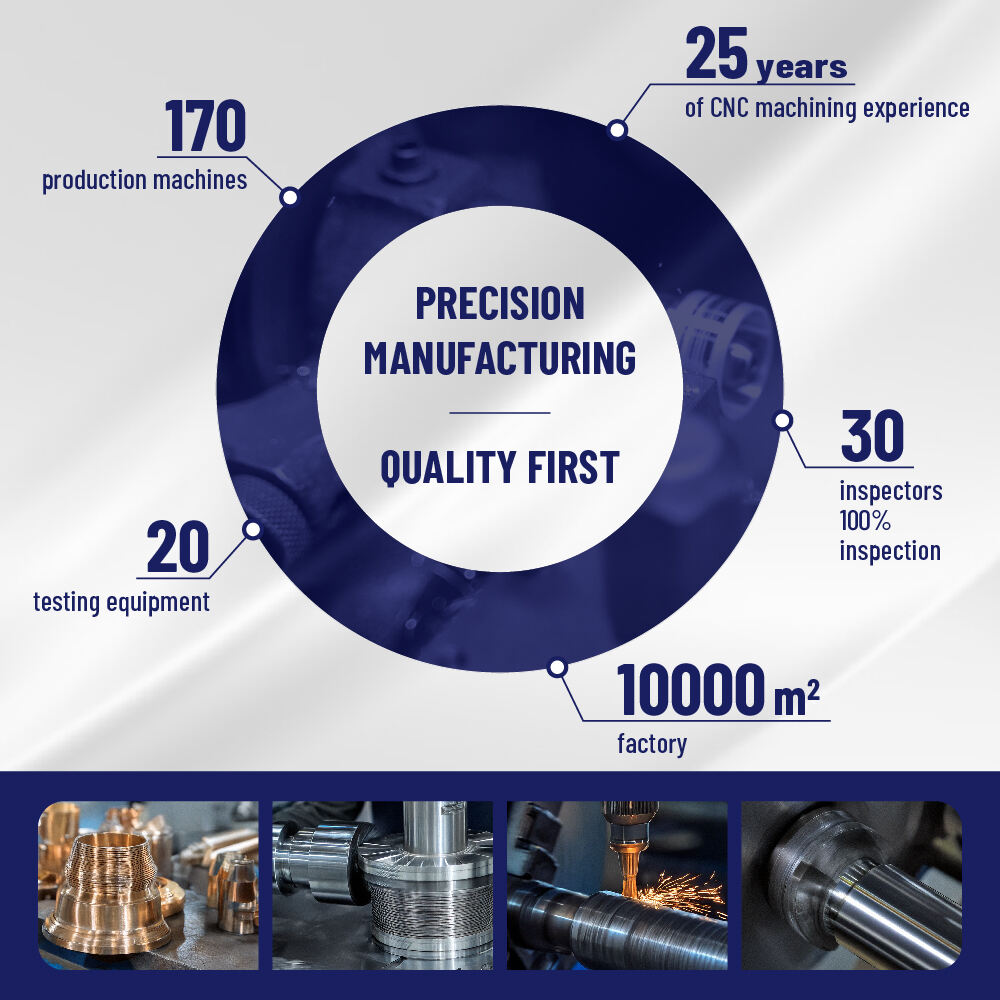
Exceptional quality assurance represents the cornerstone of professional cnc parts manufacturer operations, encompassing rigorous inspection protocols, advanced metrology equipment, and comprehensive documentation systems that ensure every component meets or exceeds customer specifications. Leading manufacturers implement ISO 9001:2015 quality management systems as the foundation for continuous improvement processes, while specialized industries require additional certifications such as AS9100 for aerospace applications, ISO 13485 for medical devices, and IATF 16949 for automotive components. The quality infrastructure typically includes climate-controlled inspection rooms equipped with coordinate measuring machines (CMMs), optical comparators, surface roughness testers, and specialized gauging systems that provide measurement accuracies within micron ranges. Statistical process control (SPC) methodologies enable real-time monitoring of production processes, allowing immediate corrections when variations approach specification limits and preventing the production of non-conforming parts. Comprehensive material traceability systems track every component from raw material receipt through final delivery, maintaining detailed records of material certifications, heat treatment processes, machining parameters, and inspection results. This documentation capability proves essential for regulated industries where complete traceability and material pedigree documentation are mandatory requirements. Professional cnc parts manufacturers typically maintain calibrated inspection equipment with traceable standards to national institutes, ensuring measurement accuracy and reliability. The implementation of first article inspection (FAI) protocols guarantees that initial production runs meet all dimensional, material, and functional requirements before full production authorization. Advanced manufacturers utilize automated inspection systems that can perform 100% dimensional verification on critical features, eliminating human error and ensuring consistent quality throughout production runs. Quality engineers work closely with customers during the design review process, identifying potential manufacturing challenges and recommending design modifications that improve producibility while maintaining functional requirements. This proactive approach prevents costly design changes during production phases and ensures optimal manufacturing efficiency from project inception.
Flexible Production Scheduling and Supply Chain Integration

Flexible Production Scheduling and Supply Chain Integration

The flexible production scheduling and comprehensive supply chain integration capabilities offered by professional cnc parts manufacturers provide customers with strategic advantages in today's dynamic market environment, enabling rapid response to changing demands while maintaining cost efficiency and quality standards. Modern manufacturers utilize advanced enterprise resource planning (ERP) systems that integrate customer requirements, material procurement, production scheduling, quality control, and delivery logistics into seamless workflows that optimize resource utilization and minimize lead times. This sophisticated planning capability allows manufacturers to accommodate rush orders, adjust production volumes, and coordinate multiple projects simultaneously without compromising delivery commitments or quality standards. The implementation of lean manufacturing principles, including just-in-time production methodologies and cellular manufacturing concepts, enables efficient material flow and reduces work-in-process inventory while maintaining flexibility to respond to customer needs. Professional cnc parts manufacturers maintain strategic relationships with certified material suppliers, enabling rapid procurement of specialized alloys, exotic materials, and standard grades while ensuring material quality and traceability requirements. The integration of automated material handling systems, including robotic loading systems and automated storage and retrieval systems (AS/RS), enhances production efficiency while reducing labor costs and improving worker safety. Advanced scheduling algorithms consider machine capabilities, tooling requirements, setup times, and quality inspection schedules to optimize production sequences and maximize throughput. Many manufacturers offer vendor-managed inventory (VMI) programs where they maintain finished goods inventory based on customer consumption patterns, enabling immediate shipment when orders are received and reducing customer inventory carrying costs. The implementation of electronic data interchange (EDI) systems facilitates seamless communication between customer systems and manufacturer planning systems, enabling automatic order processing, real-time production status updates, and electronic delivery confirmations. Supply chain visibility tools provide customers with real-time access to production schedules, quality status, and shipment tracking information, enabling better planning and coordination of downstream operations. This comprehensive integration capability transforms cnc parts manufacturers from simple suppliers into strategic manufacturing partners who contribute to customer success through operational excellence and responsive service delivery.