Precision CNC Turning Parts Manufacturing - Custom Components & Machining Services

All Categories

cnc turning parts

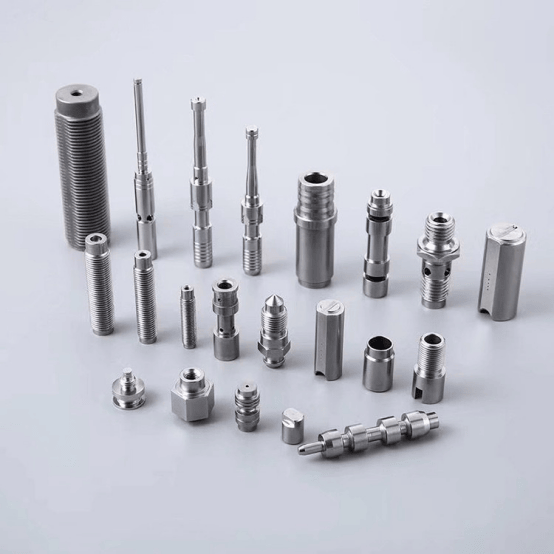
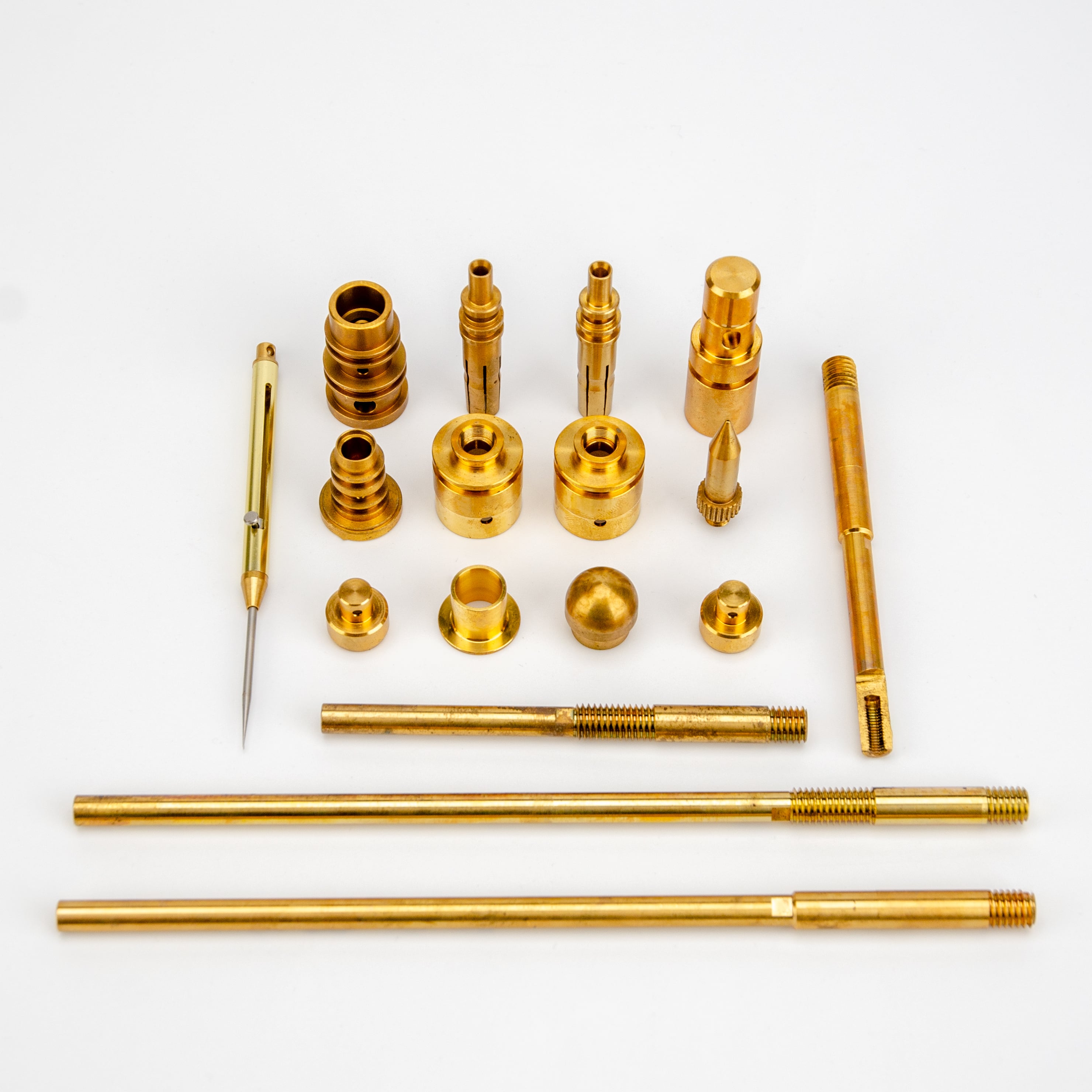
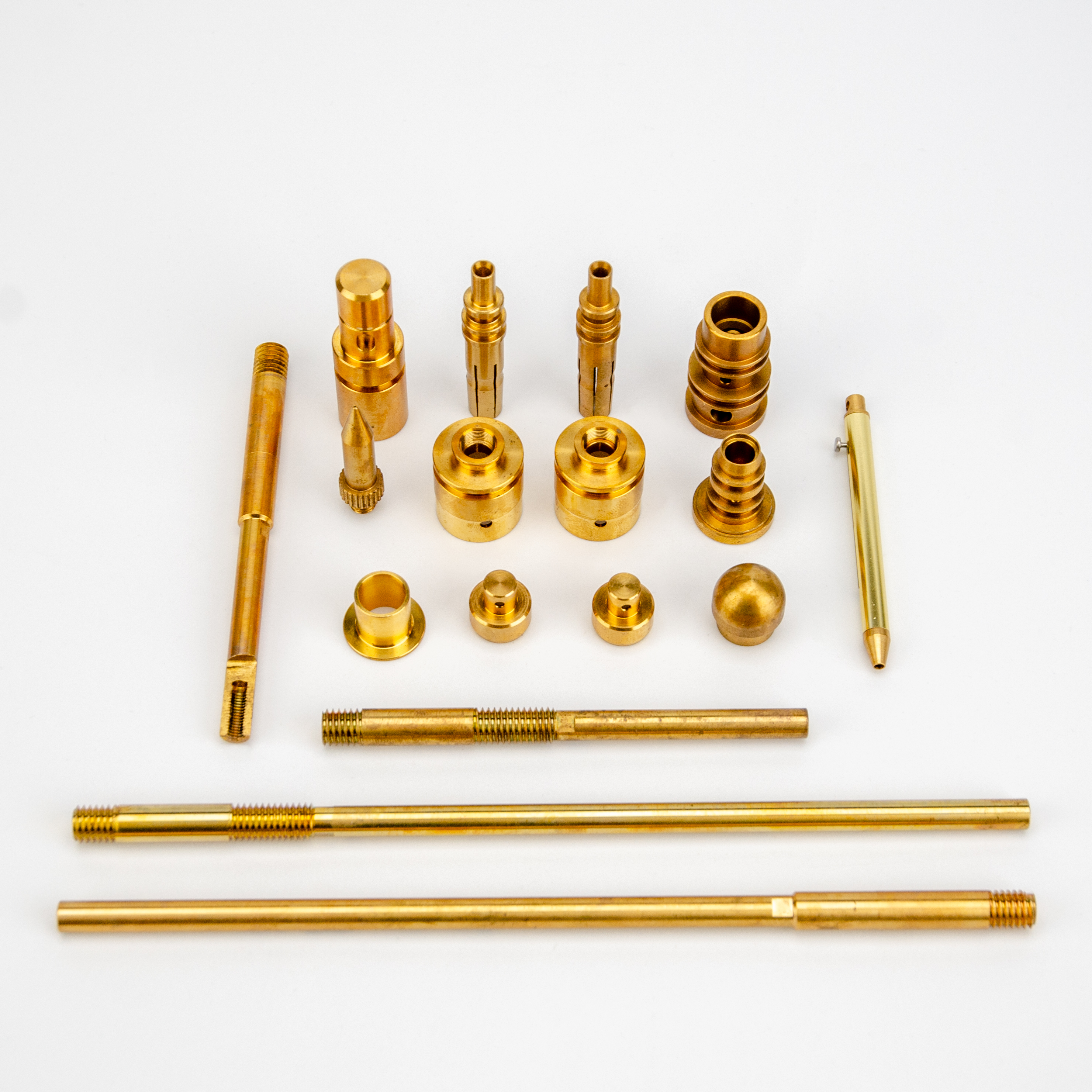
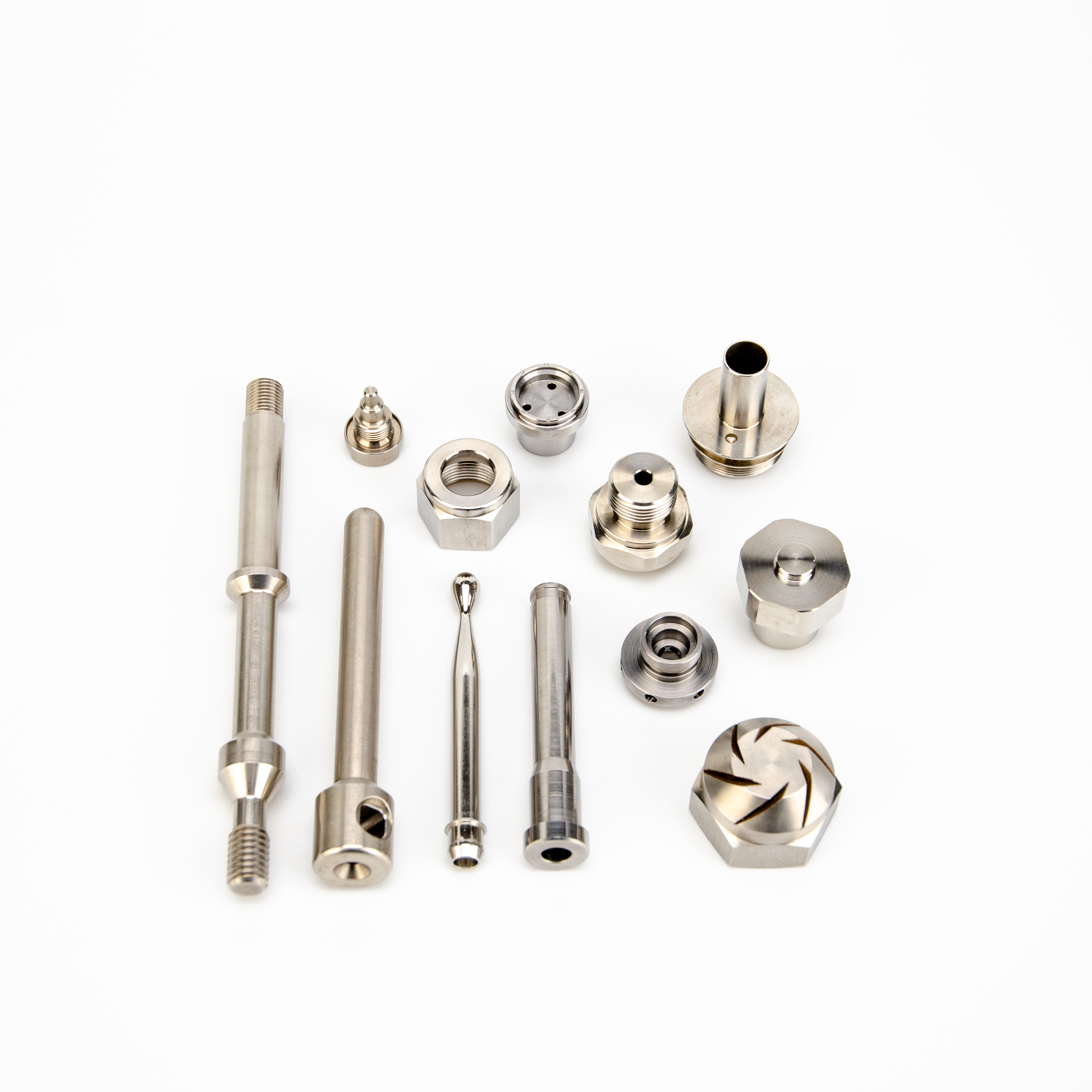
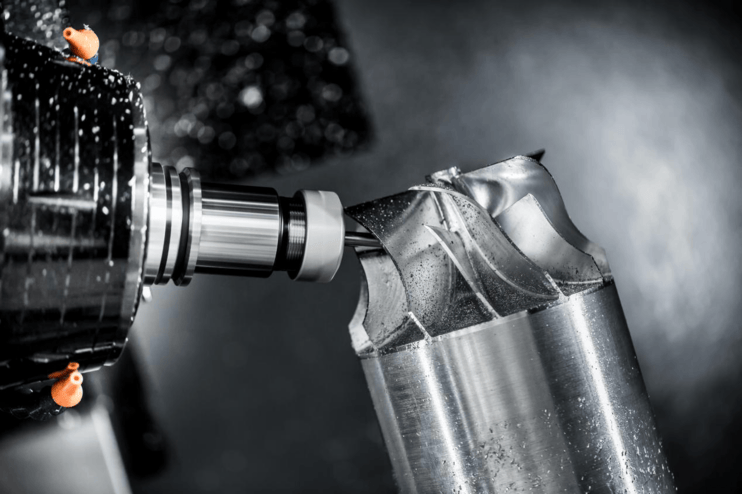
CNC turning parts represent a cornerstone of modern manufacturing, combining computer-controlled precision with traditional lathe operations to create cylindrical components with exceptional accuracy. These parts are produced using Computer Numerical Control (CNC) lathes that rotate workpieces while cutting tools shape them into desired specifications. The primary function of cnc turning parts involves transforming raw materials into finished components through subtractive manufacturing processes, where material is systematically removed to achieve precise dimensions and surface finishes. The technological features of cnc turning parts production include multi-axis capabilities that allow for complex geometries, automatic tool changing systems that enhance efficiency, and real-time monitoring systems that ensure consistent quality throughout production runs. Advanced CNC turning centers can execute intricate operations such as threading, grooving, drilling, and contouring in single setups, significantly reducing production time and improving dimensional accuracy. The applications for cnc turning parts span numerous industries, from automotive and aerospace to medical devices and electronics. In automotive manufacturing, these parts form critical engine components, transmission elements, and suspension systems. Aerospace applications utilize cnc turning parts for turbine components, landing gear elements, and structural fittings that demand superior strength-to-weight ratios. Medical device manufacturers rely on cnc turning parts for surgical instruments, implants, and diagnostic equipment components that require biocompatible materials and precise tolerances. Electronics industries utilize these parts for connectors, heat sinks, and housing components. The versatility of cnc turning parts extends to custom prototyping, where engineers can quickly iterate designs and test functionality before committing to large-scale production. Modern CNC turning operations can work with diverse materials including stainless steel, aluminum, titanium, brass, plastics, and exotic alloys, making them suitable for virtually any application requiring cylindrical or rotational symmetry components.

Popular Products

The advantages of cnc turning parts provide manufacturers with compelling reasons to choose this manufacturing method for their production needs. Precision stands as the most significant benefit, with modern CNC lathes achieving tolerances as tight as plus or minus 0.0001 inches, ensuring that every part meets exact specifications consistently. This level of accuracy eliminates the variability associated with manual machining processes and reduces the need for secondary operations or quality corrections. Speed represents another major advantage, as cnc turning parts can be produced at rates significantly faster than conventional methods. Automated tool changes, optimized cutting parameters, and continuous operation capabilities allow manufacturers to complete projects in shorter timeframes, meeting tight delivery schedules and reducing lead times for customers. Cost-effectiveness becomes apparent when considering the reduced labor requirements and minimized material waste associated with cnc turning parts production. The computer-controlled nature of the process eliminates human error, reduces scrap rates, and maximizes material utilization, directly impacting the bottom line for both manufacturers and their clients. Repeatability ensures that every part produced matches the specifications of the first, regardless of batch size or production timeline. This consistency is crucial for industries where component interchangeability is essential, such as automotive and aerospace applications. Flexibility allows manufacturers to switch between different part designs quickly, accommodating custom orders and prototype development without extensive setup changes. The programmable nature of cnc turning parts production means that complex geometries can be achieved without specialized fixtures or tooling for each unique design. Quality control becomes more manageable with built-in measurement systems and statistical process control capabilities that monitor dimensional accuracy throughout production runs. Surface finish quality consistently meets or exceeds customer expectations, often eliminating the need for additional finishing operations. The ability to work with challenging materials expands design possibilities, allowing engineers to specify optimal materials for their applications without compromising manufacturability. Documentation and traceability features provide complete records of production parameters, material certifications, and quality measurements, supporting compliance requirements in regulated industries.

Practical Tips

The cleaning of precision components is crucial to ensuring their smoothness and functionality.

29

Nov

The cleaning of precision components is crucial to ensuring their smoothness and functionality.

View More
Methods to Improve the Efficiency of Precision Component Processing

29

Nov

Methods to Improve the Efficiency of Precision Component Processing

View More
Kindness Warms the Heart, Responsibility in Action

29

Nov

Kindness Warms the Heart, Responsibility in Action

View More
Design Knowledge for Shaft Pin Components

29

Nov

Design Knowledge for Shaft Pin Components

View More

Get a Free Quote

Our representative will contact you soon.
Email
Name
Company Name
WhatsApp
Message
0/1000

cnc turning parts

Unmatched Precision and Dimensional Accuracy

Unmatched Precision and Dimensional Accuracy

The precision capabilities of cnc turning parts set new standards for manufacturing excellence, delivering dimensional accuracy that surpasses traditional machining methods by significant margins. Modern CNC turning centers utilize advanced servo motors, precision ball screws, and high-resolution encoders to achieve positioning accuracies measured in microns, translating directly to finished parts that consistently meet the most demanding tolerance requirements. This precision advantage stems from the elimination of human variables that traditionally introduced inconsistencies in manual machining operations. Computer-controlled movements ensure that cutting tools follow predetermined paths with mathematical precision, while real-time feedback systems continuously monitor and adjust for any deviations from programmed specifications. The thermal compensation systems integrated into modern CNC lathes account for temperature variations that could affect dimensional accuracy, automatically adjusting machine parameters to maintain consistent part dimensions throughout extended production runs. Quality inspection systems built into the turning process provide immediate feedback on dimensional compliance, enabling operators to make real-time adjustments before producing non-conforming parts. This precision capability proves particularly valuable in industries such as aerospace and medical devices, where component failures due to dimensional variations can have catastrophic consequences. The repeatability of cnc turning parts production ensures that precision levels are maintained across entire production batches, regardless of quantity or complexity. Advanced interpolation capabilities allow these machines to generate smooth surface finishes while maintaining tight dimensional control, often eliminating the need for secondary finishing operations that add cost and time to production schedules. The precision advantage extends to complex geometries that would be difficult or impossible to achieve through conventional methods, opening new design possibilities for engineers and product developers.
Superior Material Versatility and Processing Capabilities

Superior Material Versatility and Processing Capabilities

The material versatility of cnc turning parts production provides manufacturers with unprecedented flexibility in material selection, accommodating everything from common metals to exotic alloys and advanced engineering plastics. This capability stems from the programmable nature of CNC systems that can automatically adjust cutting parameters, tool selections, and processing strategies based on specific material properties. Stainless steel variants, including 304, 316, and 17-4 PH grades, are routinely processed to produce components for food processing, marine, and medical applications where corrosion resistance is paramount. Aluminum alloys ranging from 6061 to 7075 are efficiently machined to create lightweight components for aerospace and automotive applications, taking advantage of aluminum's excellent strength-to-weight ratio. Titanium processing capabilities enable the production of high-performance components for aerospace, medical implants, and racing applications where superior strength, corrosion resistance, and biocompatibility are required. The ability to process hardened steels allows for the creation of wear-resistant components without the need for post-machining heat treatment, reducing production time and maintaining dimensional accuracy. Engineering plastics such as PEEK, Delrin, and nylon can be precisely machined to create components for electronic enclosures, automotive interiors, and medical devices where metal alternatives would be unsuitable. Brass and bronze processing capabilities support the production of electrical components, marine hardware, and decorative elements that require excellent machinability and corrosion resistance. The adaptive nature of cnc turning parts production allows for real-time optimization of cutting parameters based on material feedback, ensuring optimal surface finishes and dimensional accuracy regardless of material selection. This material versatility eliminates the need for multiple manufacturing processes or specialized equipment for different materials, streamlining production workflows and reducing capital equipment requirements for manufacturers serving diverse markets.
Exceptional Production Efficiency and Cost-Effectiveness

Exceptional Production Efficiency and Cost-Effectiveness

The production efficiency advantages of cnc turning parts manufacturing revolutionize traditional approaches to component production, delivering significant cost savings and timeline reductions that benefit both manufacturers and their customers. Automated operation capabilities allow CNC lathes to run continuously with minimal human intervention, maximizing equipment utilization and reducing labor costs associated with traditional machining methods. Advanced tool management systems automatically select and change cutting tools based on programmed sequences, eliminating manual tool changes that consume valuable production time and introduce opportunities for human error. The ability to complete multiple operations in single setups reduces handling time, improves dimensional accuracy by maintaining consistent work holding, and minimizes the risk of damage during part transfers between machines. Statistical process control systems integrated into modern cnc turning parts production monitor cutting forces, tool wear, and dimensional accuracy in real-time, enabling predictive maintenance schedules that prevent unexpected downtime and maintain consistent production output. Optimized cutting parameters programmed into CNC systems ensure maximum material removal rates while maintaining tool life and part quality, directly impacting production costs and delivery schedules. The scalability of cnc turning parts production allows manufacturers to efficiently handle both prototype quantities and large production runs without significant setup changes or tooling investments. Material utilization optimization through precise programming minimizes waste, reducing raw material costs and supporting environmental sustainability initiatives. Quality assurance integration throughout the production process reduces inspection time and eliminates the costs associated with producing non-conforming parts. The flexibility to quickly switch between different part programs enables manufacturers to respond rapidly to changing customer demands without the lengthy setup times associated with conventional machining methods. Reduced secondary operations requirements, achieved through superior surface finishes and dimensional accuracy, eliminate additional processing steps that add cost and time to traditional manufacturing workflows, making cnc turning parts an economically superior choice for precision component production.