Advanced CNC Turning Milling Solutions - Precision Multi-Axis Machining Technology

All Categories

cnc turning milling

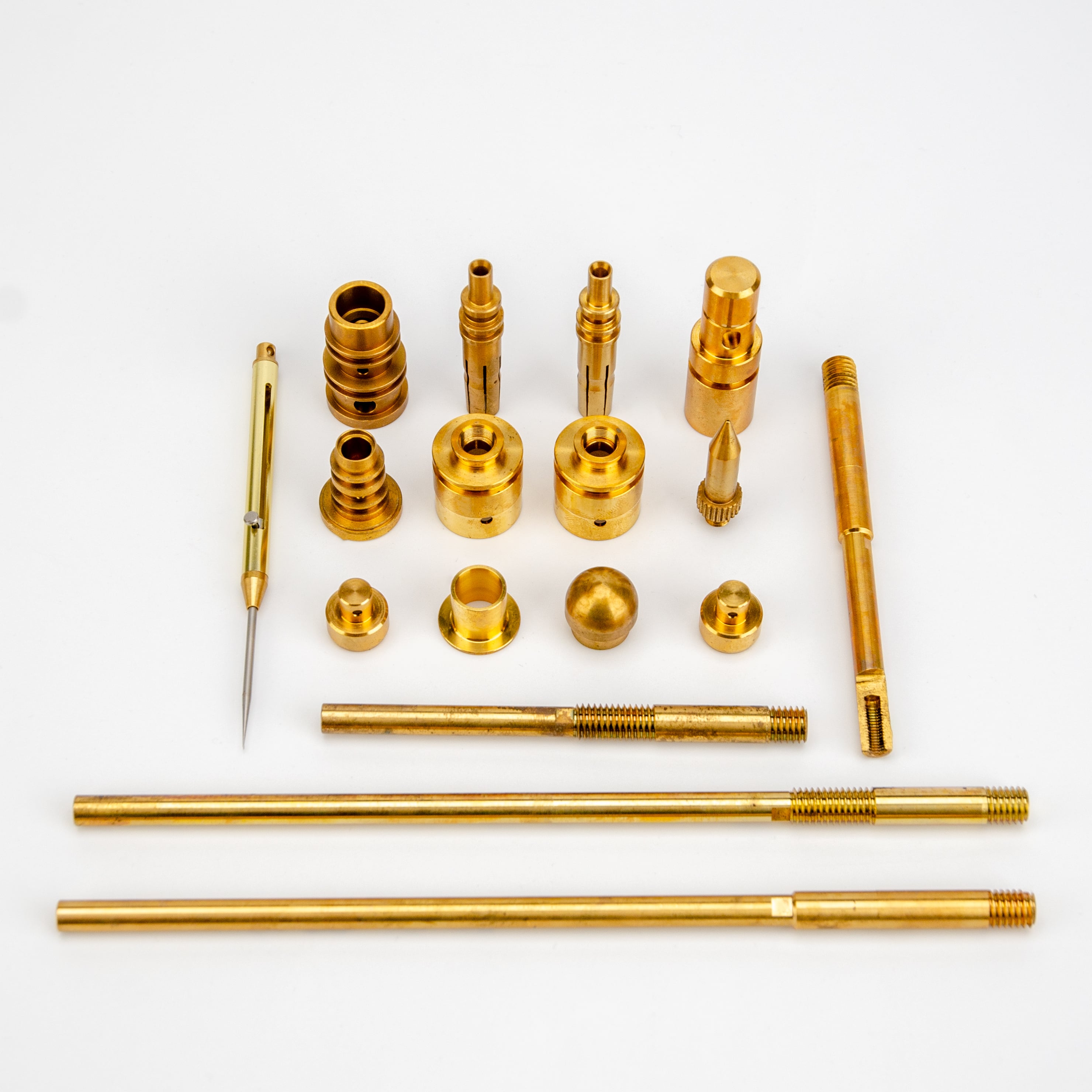
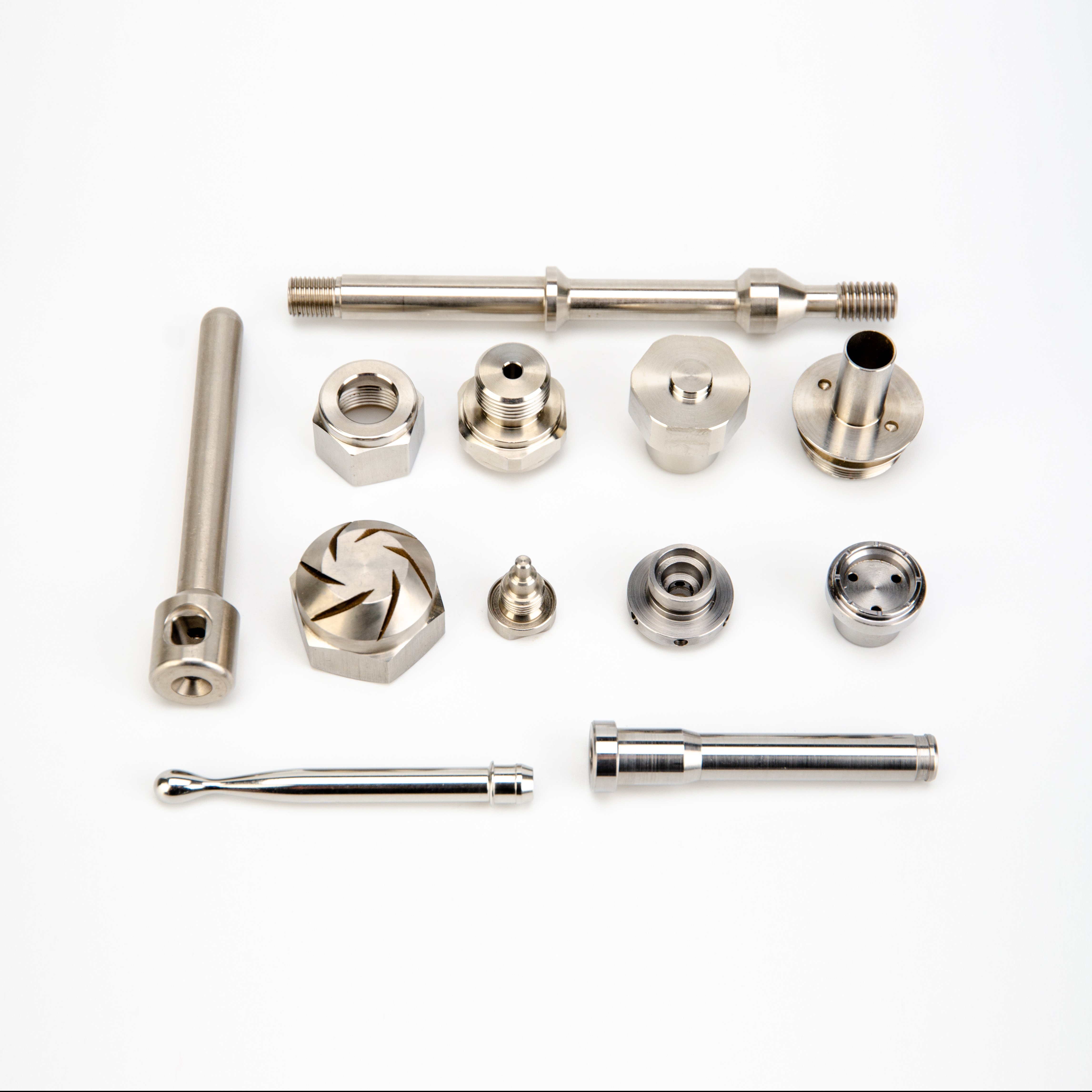
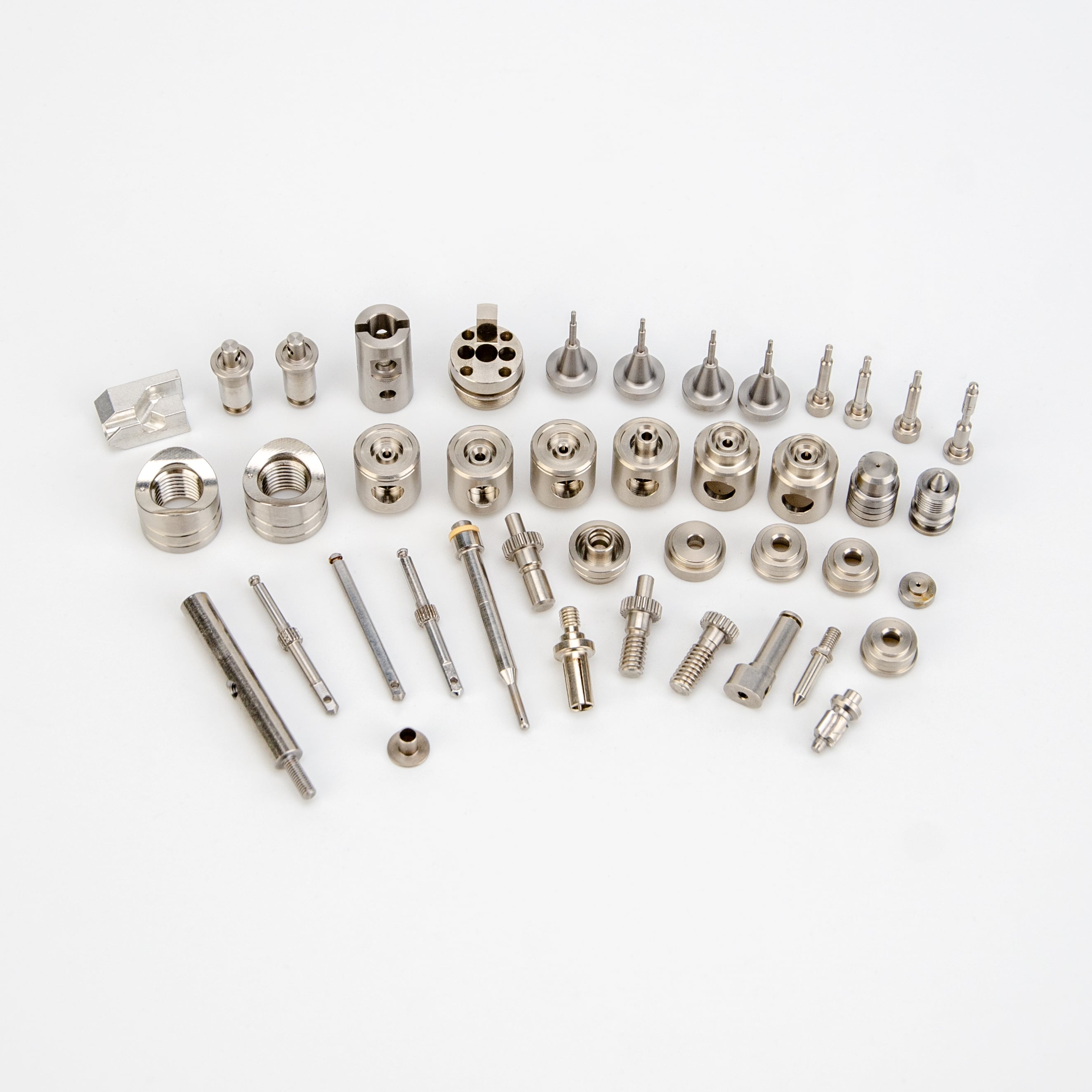
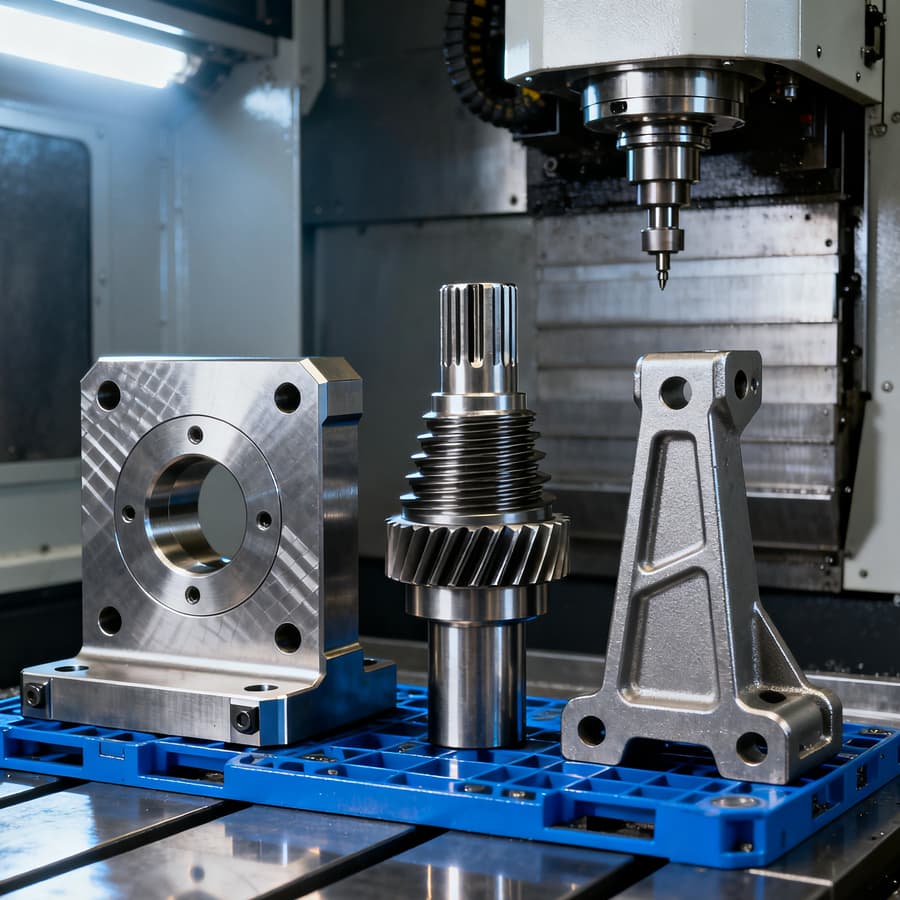
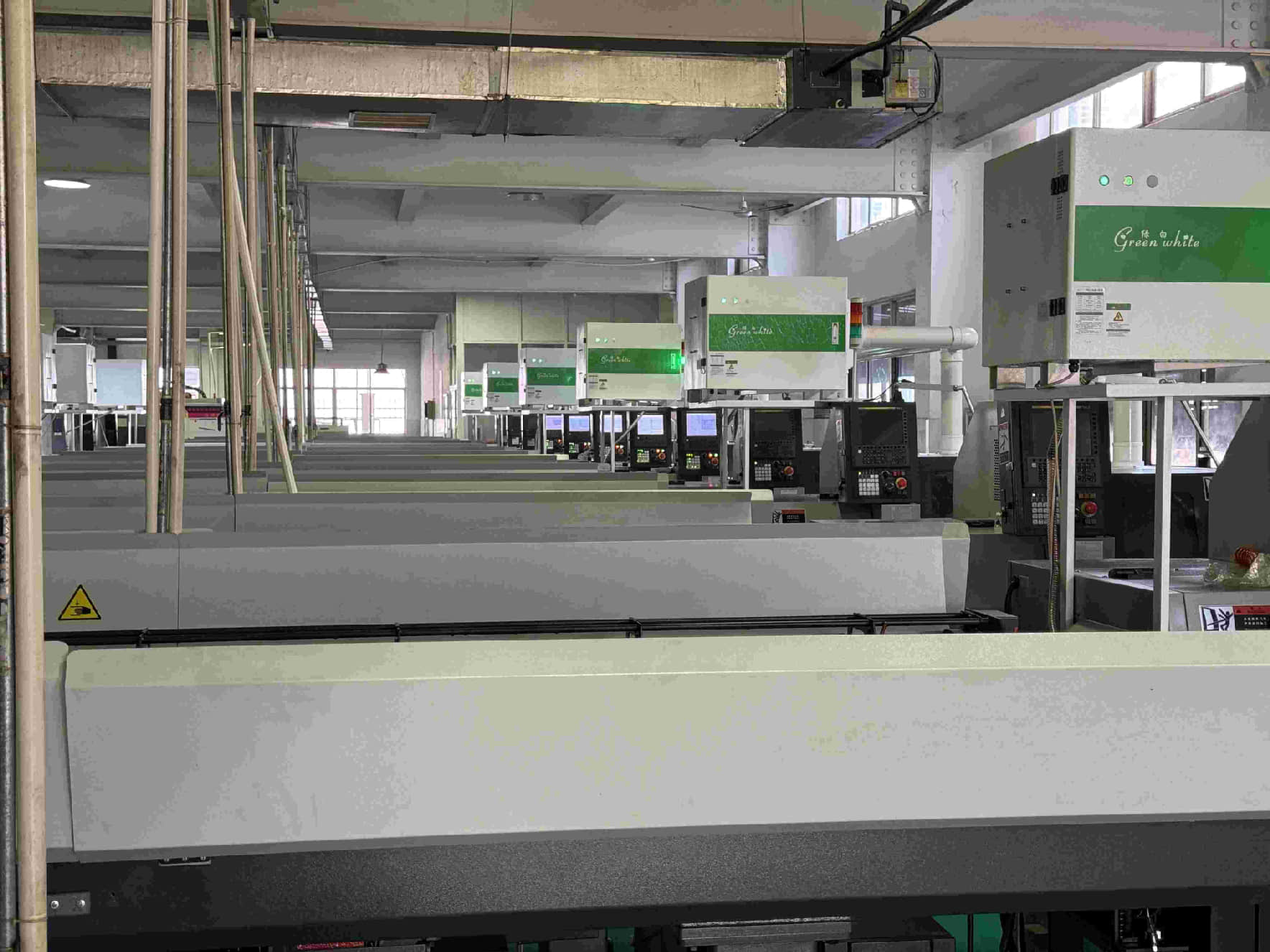
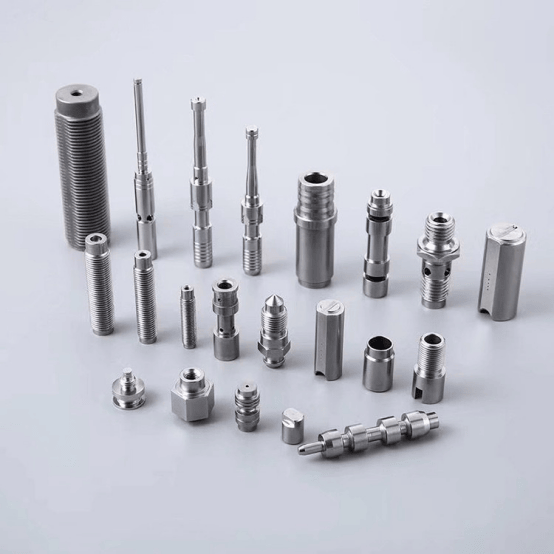
CNC turning milling represents a revolutionary advancement in modern manufacturing technology, combining the precision of computer numerical control with the versatility of both turning and milling operations in a single sophisticated machine. This integrated machining solution transforms raw materials into finished components through automated processes that deliver exceptional accuracy, consistency, and efficiency. The cnc turning milling system operates by securing workpieces in rotating chucks while cutting tools move along multiple axes to shape, drill, bore, and surface materials according to programmed specifications. The main functions of cnc turning milling encompass cylindrical turning operations, face milling, drilling, threading, grooving, and complex contouring work. The machine executes these operations through computerized controls that interpret digital blueprints and translate them into precise tool movements. Technological features include multi-axis control systems, automatic tool changers, live tooling capabilities, and advanced spindle designs that accommodate both turning and milling functions seamlessly. The integration of servo motors, linear guides, and feedback systems ensures micron-level precision throughout the machining process. Modern cnc turning milling centers incorporate sophisticated software interfaces that enable operators to program complex geometries, simulate machining operations, and optimize cutting parameters for maximum efficiency. The applications for cnc turning milling span numerous industries including aerospace, automotive, medical device manufacturing, energy production, and precision instrumentation. These machines excel at producing components such as engine parts, transmission components, surgical instruments, valve bodies, pump housings, and intricate mechanical assemblies. The ability to perform multiple operations in a single setup reduces handling time, minimizes errors, and improves dimensional accuracy across complex part geometries. Manufacturing facilities utilize cnc turning milling for both prototyping and high-volume production runs, making it an essential technology for competitive manufacturing operations seeking to maintain quality standards while reducing production costs and lead times.

New Products

The advantages of cnc turning milling provide substantial benefits that transform manufacturing operations and deliver measurable returns on investment for businesses across diverse industries. Enhanced precision stands as the primary advantage, with cnc turning milling systems achieving tolerances within thousandths of an inch consistently across production runs. This precision eliminates costly rework, reduces material waste, and ensures parts meet stringent quality specifications required in critical applications. The technology significantly reduces production time by combining multiple machining operations in a single setup, eliminating the need to transfer workpieces between different machines. This consolidation reduces handling errors, maintains better dimensional relationships between features, and accelerates overall throughput. Labor efficiency improves dramatically as cnc turning milling requires fewer skilled operators compared to conventional machining methods, with one operator capable of managing multiple machines simultaneously through automated operation cycles. The consistency of automated processes eliminates human error variables, producing identical parts regardless of operator skill levels or shift changes. Cost reduction emerges through multiple channels including reduced setup times, lower tooling requirements, decreased inspection needs, and minimized scrap rates. The versatility of cnc turning milling enables manufacturers to produce complex geometries that would require multiple machines and setups using traditional methods. This capability expands production possibilities while reducing floor space requirements and capital equipment investments. Flexibility in production scheduling allows manufacturers to switch between different part programs quickly, accommodating both high-volume runs and small batch custom orders efficiently. The digital nature of cnc turning milling enables rapid design changes, immediate implementation of engineering modifications, and seamless integration with computer-aided design systems. Quality improvements result from consistent cutting conditions, programmable inspection routines, and real-time monitoring capabilities that detect deviations before they affect finished parts. The technology supports lean manufacturing principles by reducing work-in-process inventory, shortening lead times, and enabling just-in-time production strategies. Manufacturers gain competitive advantages through faster time-to-market for new products, improved customer satisfaction rates, and enhanced ability to meet demanding delivery schedules while maintaining superior quality standards throughout their operations.

Practical Tips

The cleaning of precision components is crucial to ensuring their smoothness and functionality.

29

Nov

The cleaning of precision components is crucial to ensuring their smoothness and functionality.

View More
Methods to Improve the Efficiency of Precision Component Processing

29

Nov

Methods to Improve the Efficiency of Precision Component Processing

View More
Kindness Warms the Heart, Responsibility in Action

29

Nov

Kindness Warms the Heart, Responsibility in Action

View More
Design Knowledge for Shaft Pin Components

29

Nov

Design Knowledge for Shaft Pin Components

View More

Get a Free Quote

Our representative will contact you soon.
Email
Name
Company Name
WhatsApp
Message
0/1000

cnc turning milling

Advanced Multi-Axis Integration Technology

Advanced Multi-Axis Integration Technology

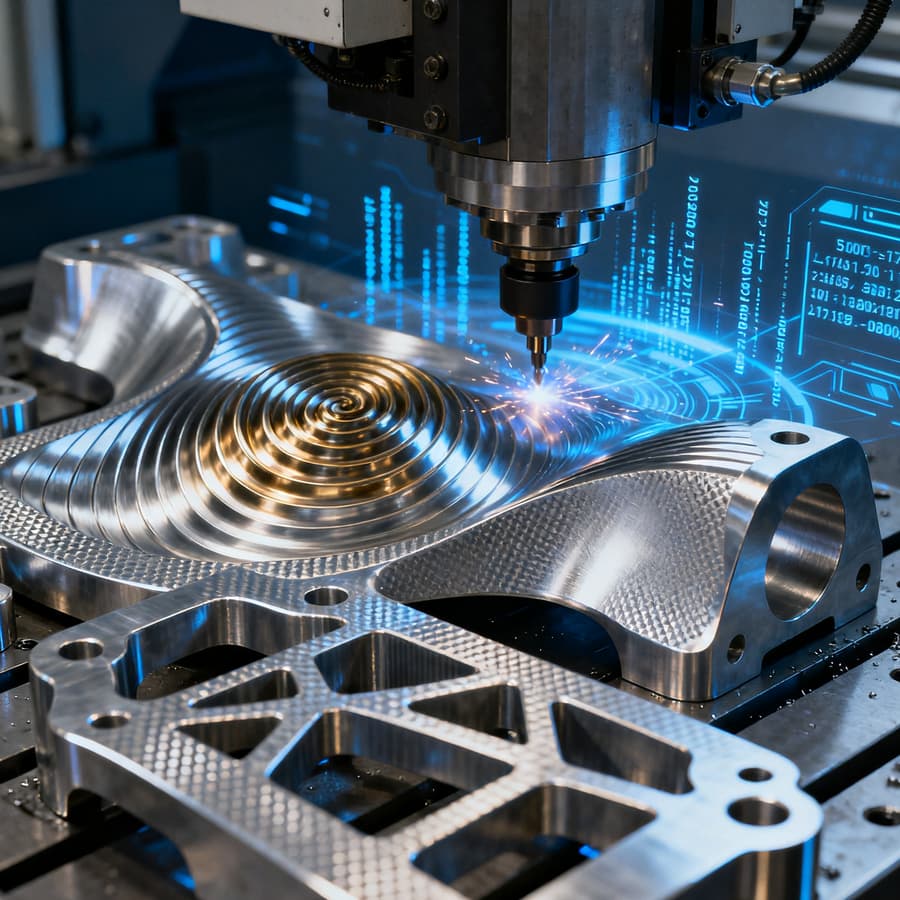
The advanced multi-axis integration technology in cnc turning milling represents a groundbreaking achievement that revolutionizes how complex components are manufactured in modern production environments. This sophisticated system combines traditional turning operations with milling capabilities through seamless axis coordination, enabling the production of intricate geometries that were previously impossible or extremely challenging to achieve. The multi-axis configuration typically includes X, Y, Z linear axes plus rotational C-axis and sometimes B-axis capabilities, providing unprecedented flexibility in tool positioning and workpiece manipulation. This integration allows manufacturers to perform turning, milling, drilling, tapping, and contouring operations without removing the workpiece from the machine, maintaining perfect alignment and dimensional accuracy throughout the entire machining process. The technology eliminates the accumulation of tolerances that occurs when transferring parts between multiple machines, resulting in superior finished component quality. The simultaneous control of multiple axes enables complex interpolated movements that create smooth surface finishes on challenging geometries such as helical grooves, cam profiles, and eccentric features. Advanced cnc turning milling systems utilize sophisticated control algorithms that optimize tool paths across all axes, reducing machining time while maintaining surface quality standards. The integration technology supports live tooling capabilities, where powered tools can rotate independently while the workpiece spins, enabling operations like cross-drilling, side milling, and gear cutting in a single setup. This capability dramatically expands the range of features that can be machined, from simple cylindrical parts to complex assemblies with multiple angles, pockets, and intersecting holes. The multi-axis integration also enables the machine to automatically orient the workpiece to optimal cutting angles, reducing cutting forces and extending tool life while improving surface finishes. Manufacturers benefit from reduced floor space requirements, lower capital investment costs, and simplified workflow management when utilizing this integrated approach compared to traditional multi-machine setups.
Precision Control and Monitoring Systems

Precision Control and Monitoring Systems

Precision control and monitoring systems in cnc turning milling establish the foundation for exceptional manufacturing accuracy and consistent quality output that exceeds traditional machining capabilities. These sophisticated systems incorporate high-resolution encoders, advanced servo drives, and real-time feedback mechanisms that maintain precise control over every aspect of the machining process. The control architecture features closed-loop positioning systems that continuously monitor and adjust tool positions with sub-micron accuracy, ensuring dimensional consistency across entire production runs. Temperature compensation algorithms automatically adjust for thermal expansion effects on both the machine structure and workpieces, maintaining accuracy even during extended operation periods or varying environmental conditions. The monitoring systems continuously track spindle performance, cutting forces, vibration levels, and tool wear patterns, providing early warning indicators that prevent quality issues before they occur. Advanced sensors monitor coolant flow, temperature variations, and chip evacuation effectiveness, optimizing cutting conditions for maximum tool life and surface quality. The precision control extends to feed rates, spindle speeds, and axis acceleration profiles, with the system automatically adjusting parameters based on material properties, cutting tool specifications, and programmed finishing requirements. Real-time adaptive control features detect changes in cutting conditions and automatically modify parameters to maintain optimal performance throughout the machining cycle. The monitoring capabilities include statistical process control functions that track dimensional variations, surface roughness measurements, and cycle time consistency, providing comprehensive quality documentation for regulatory compliance and continuous improvement initiatives. Predictive maintenance algorithms analyze machine performance data to schedule maintenance activities before problems occur, minimizing unplanned downtime and extending equipment service life. The integration of these control and monitoring systems enables lights-out manufacturing operations where cnc turning milling machines operate unattended for extended periods while maintaining quality standards. Manufacturers gain unprecedented visibility into their machining processes, enabling data-driven decisions that optimize productivity, reduce costs, and improve overall equipment effectiveness ratings across their production facilities.
Versatile Material Processing Capabilities

Versatile Material Processing Capabilities

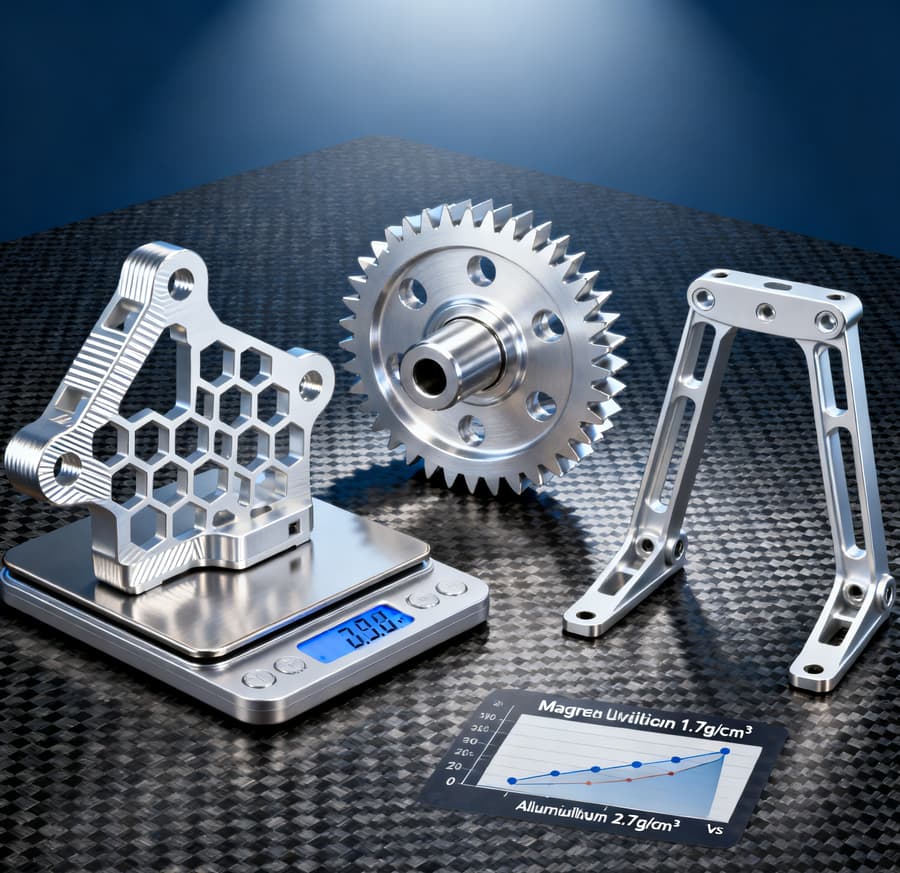
Versatile material processing capabilities distinguish cnc turning milling technology as an essential manufacturing solution capable of handling an extensive range of materials with exceptional results across diverse industrial applications. This adaptability stems from sophisticated spindle designs, variable speed ranges, and programmable cutting parameters that optimize performance for each specific material type and application requirement. The technology successfully processes ferrous metals including various steel grades, stainless steels, and cast irons, delivering precise dimensional control and superior surface finishes through optimized cutting speeds and feed rates tailored to material properties. Non-ferrous metals such as aluminum alloys, brass, copper, and titanium are machined with exceptional efficiency, taking advantage of the material-specific programming capabilities that maximize removal rates while maintaining tight tolerances. Advanced cnc turning milling systems excel at processing exotic materials including Inconel, Hastelloy, and other superalloys commonly used in aerospace and energy applications, where traditional machining methods often struggle with work hardening and tool wear issues. The technology accommodates plastic materials ranging from standard thermoplastics to high-performance engineering polymers, utilizing specialized cutting tools and parameters that prevent melting, chipping, or dimensional distortion during processing. Composite materials benefit from the precise control and consistent cutting forces available in cnc turning milling operations, enabling clean cuts without delamination or fiber pullout that compromise structural integrity. The versatility extends to hardened materials that can be finish-machined after heat treatment, eliminating secondary grinding operations while achieving surface finishes and dimensional accuracy previously requiring specialized equipment. Programmable coolant systems adapt to material requirements, providing flood cooling for heat-sensitive materials, high-pressure coolant for difficult-to-machine alloys, or minimal quantity lubrication for environmentally sensitive applications. The material processing versatility enables manufacturers to consolidate multiple machining operations and equipment types into single cnc turning milling setups, reducing facility complexity while improving workflow efficiency. This capability proves particularly valuable for job shops and contract manufacturers who must accommodate diverse customer requirements and material specifications within their production capabilities, providing competitive advantages through enhanced flexibility and reduced setup complexity across their entire range of manufacturing services.