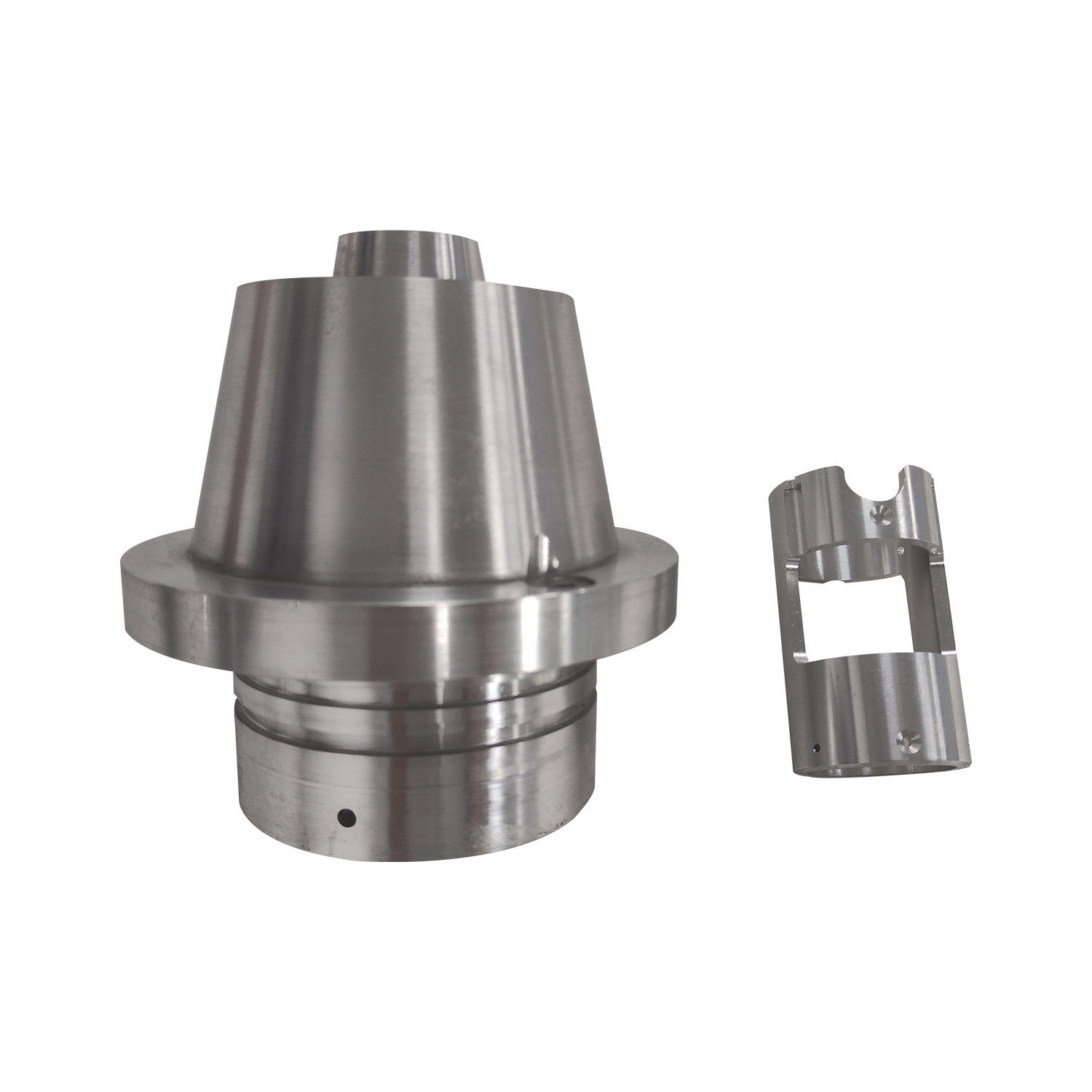
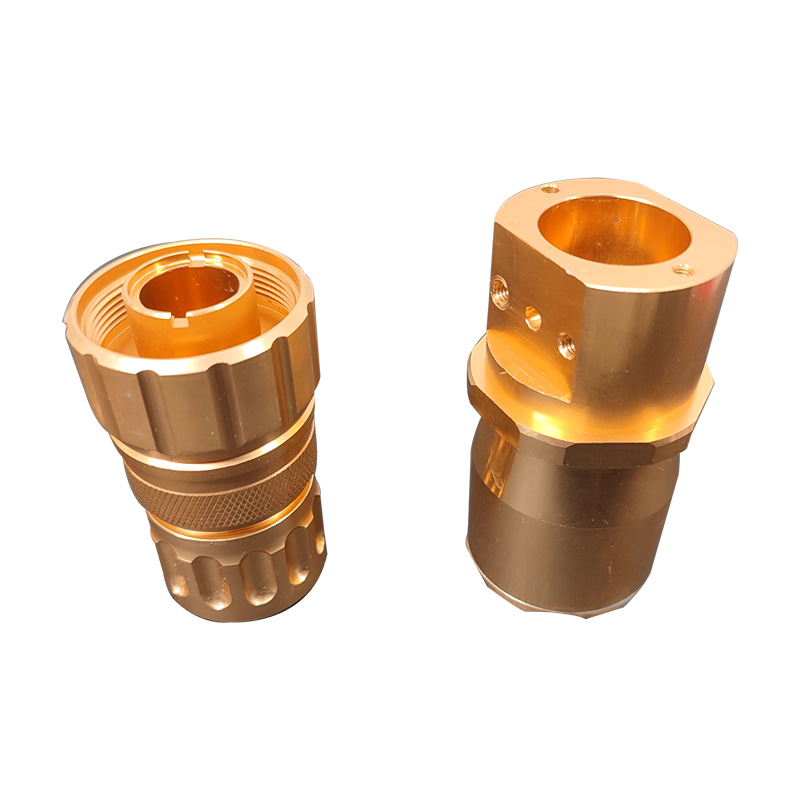
steel milling
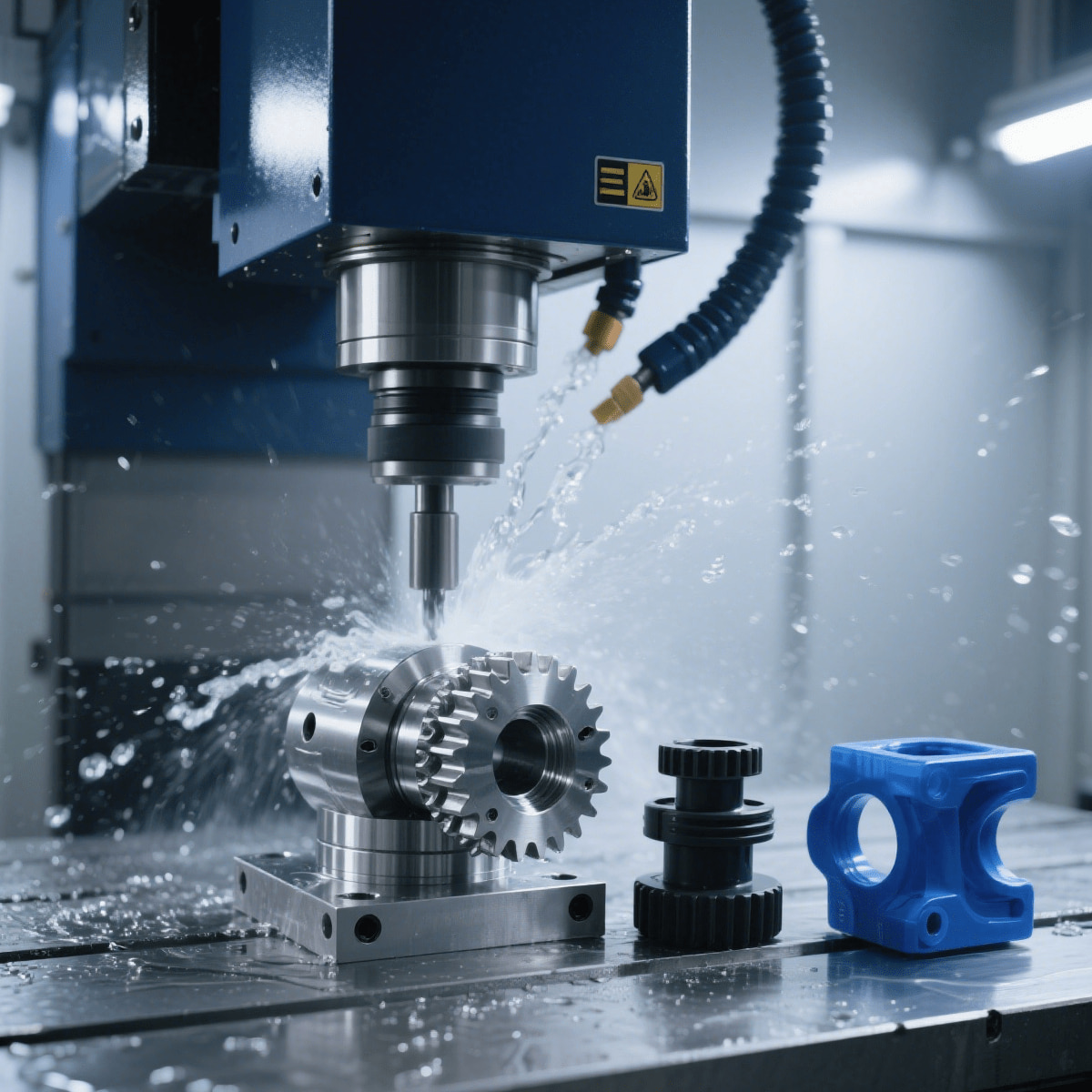
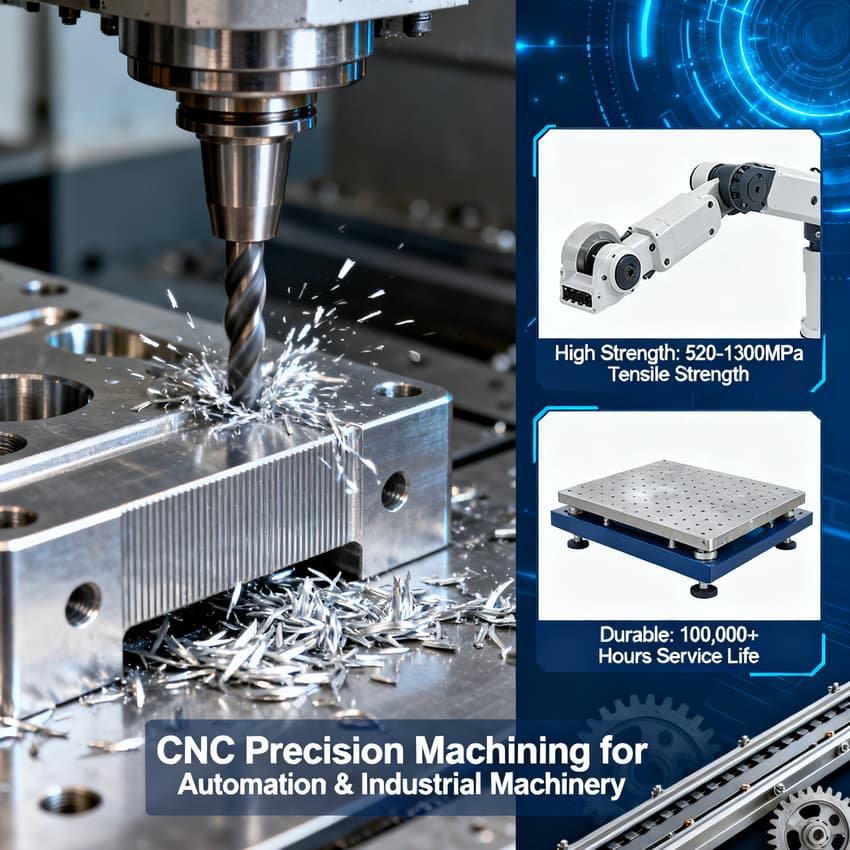
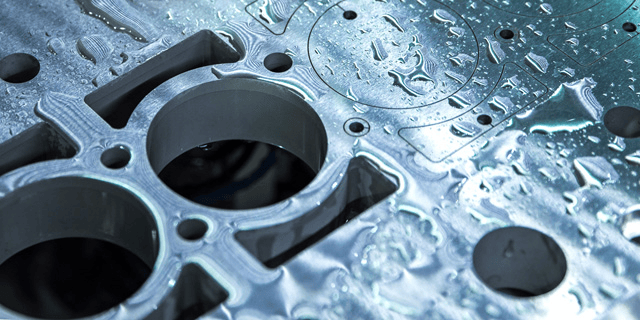
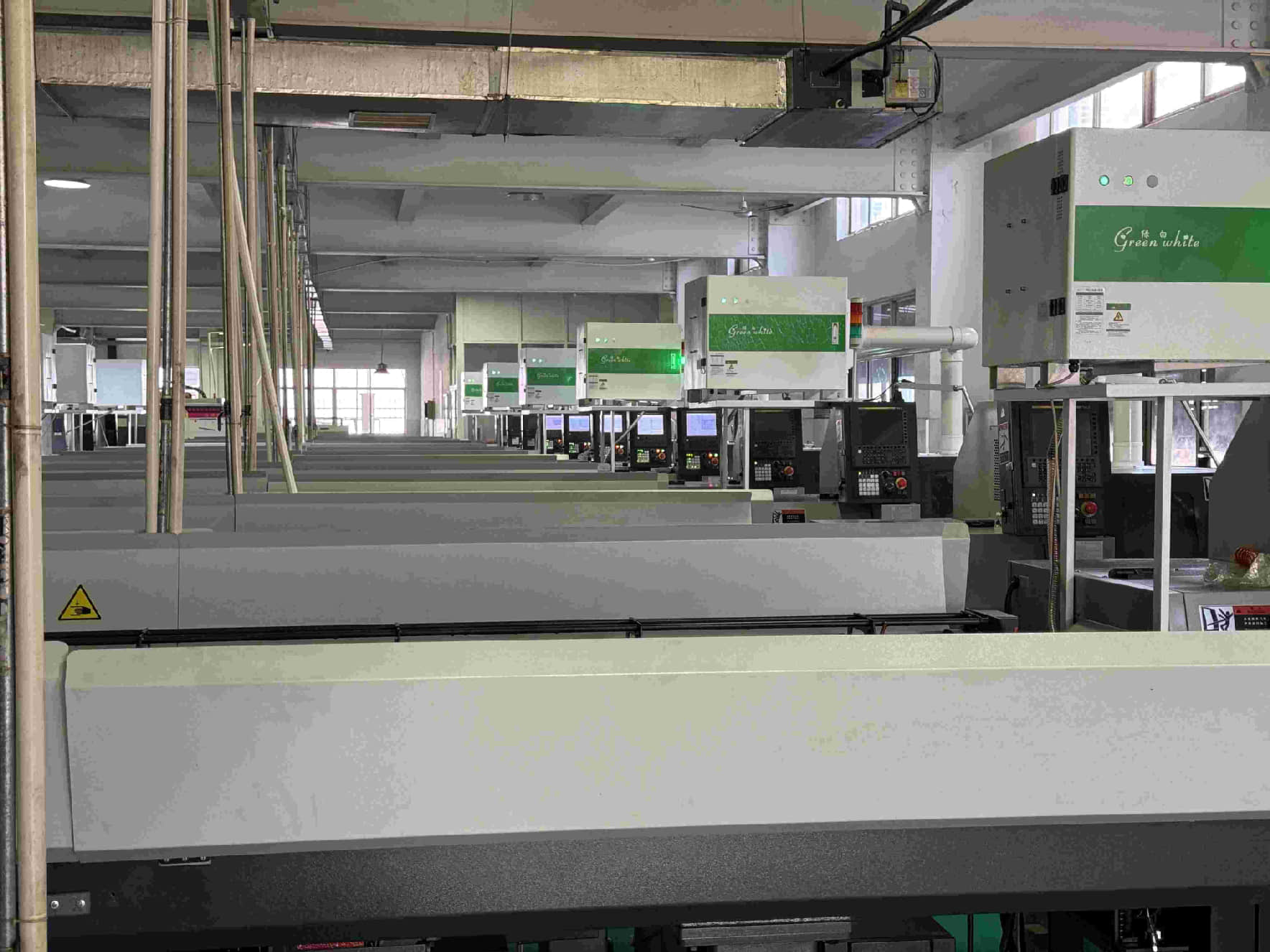
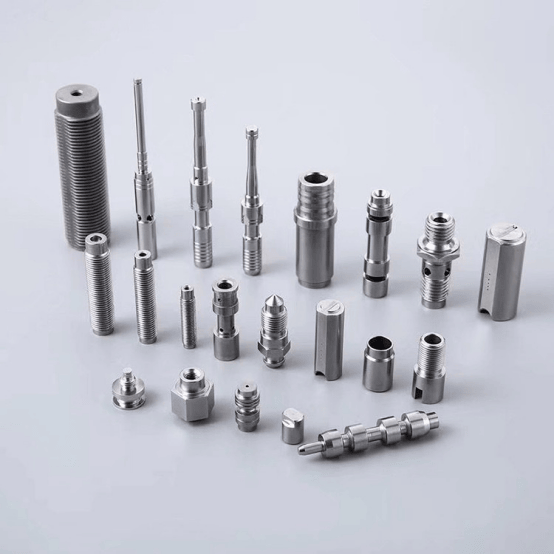
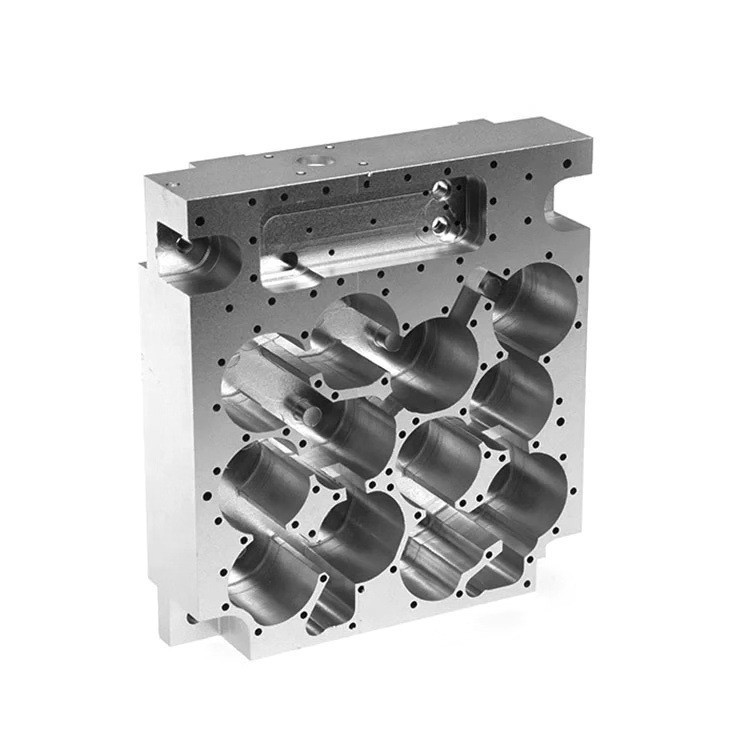
Steel milling represents a critical manufacturing process that transforms raw steel into precision components and finished products. Steel milling involves the use of advanced machinery to cut, shape, and refine steel materials according to exact specifications. The primary function of steel milling is to remove material from steel workpieces through rotating cutting tools, creating components with precise dimensions and surface finishes. Modern steel milling operations utilize computer numerical control technology, enabling operators to produce complex geometries with exceptional accuracy. Steel milling encompasses various techniques including face milling, end milling, and slot milling, each designed for specific applications and material requirements. The technological features of contemporary steel milling equipment include multi-axis capability, automated tool changers, and real-time monitoring systems that ensure consistent quality throughout production. These systems integrate advanced software that optimizes cutting parameters, reducing production time while maintaining superior tolerances. Steel milling finds extensive application across diverse industries including automotive, aerospace, medical devices, and industrial equipment manufacturing. The versatility of steel milling makes it indispensable for producing engine blocks, structural components, precision shafts, and intricate mechanical assemblies. Industries rely on steel milling to achieve the tight tolerances and superior surface quality required for critical applications where performance and reliability are paramount concerns.

 EN