Exceptional Material Versatility and Adaptability
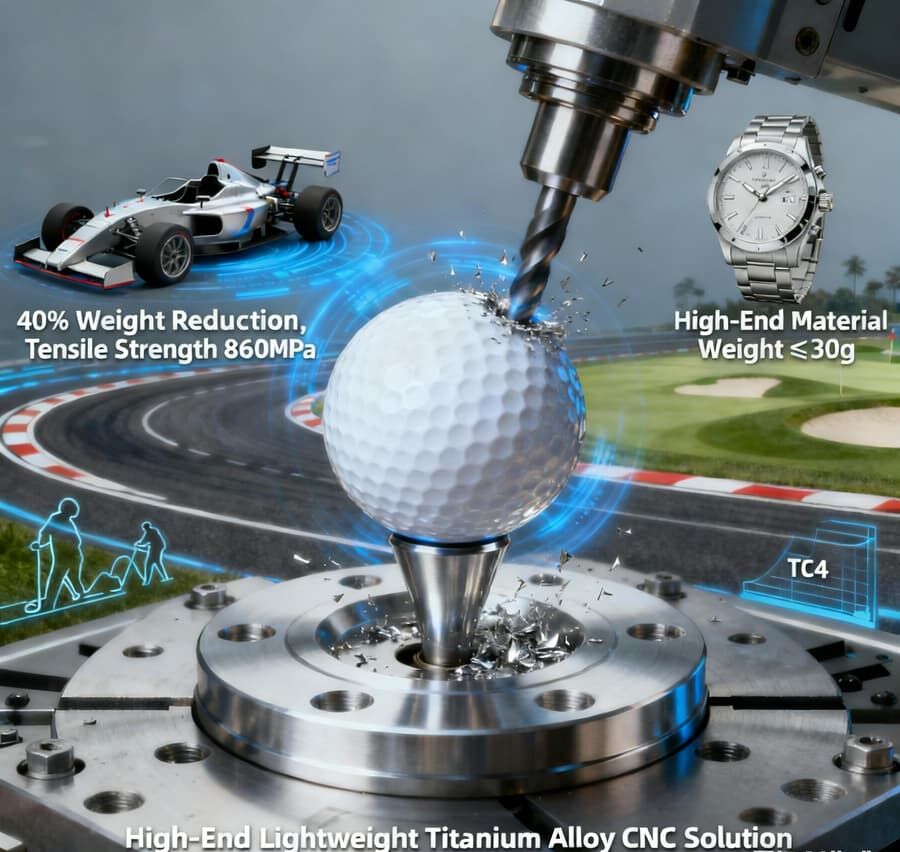
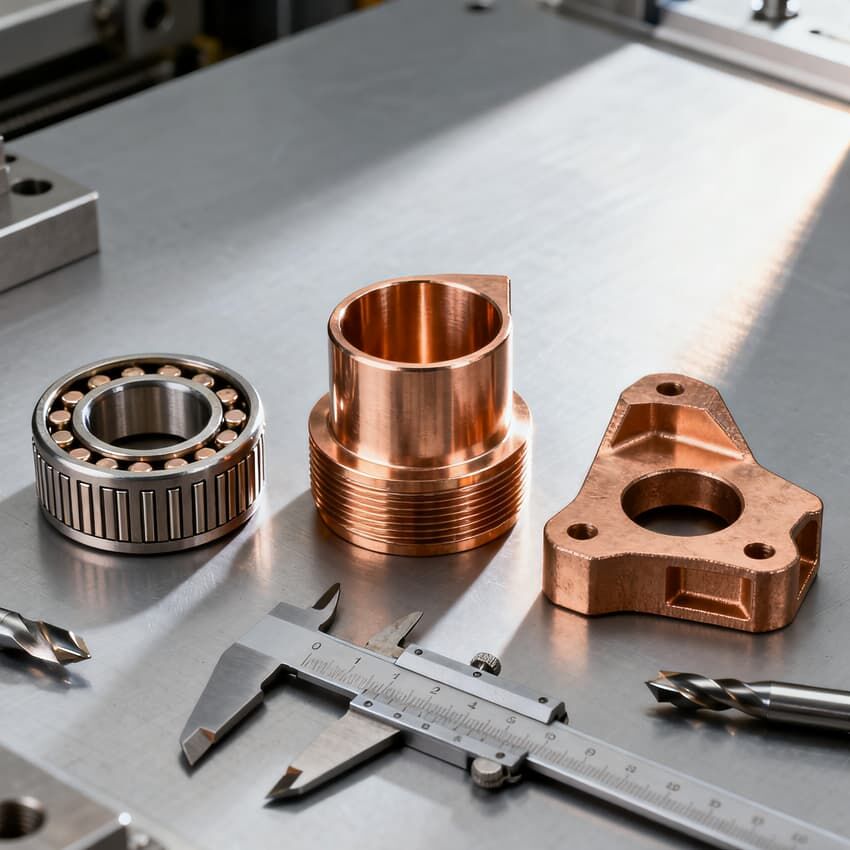
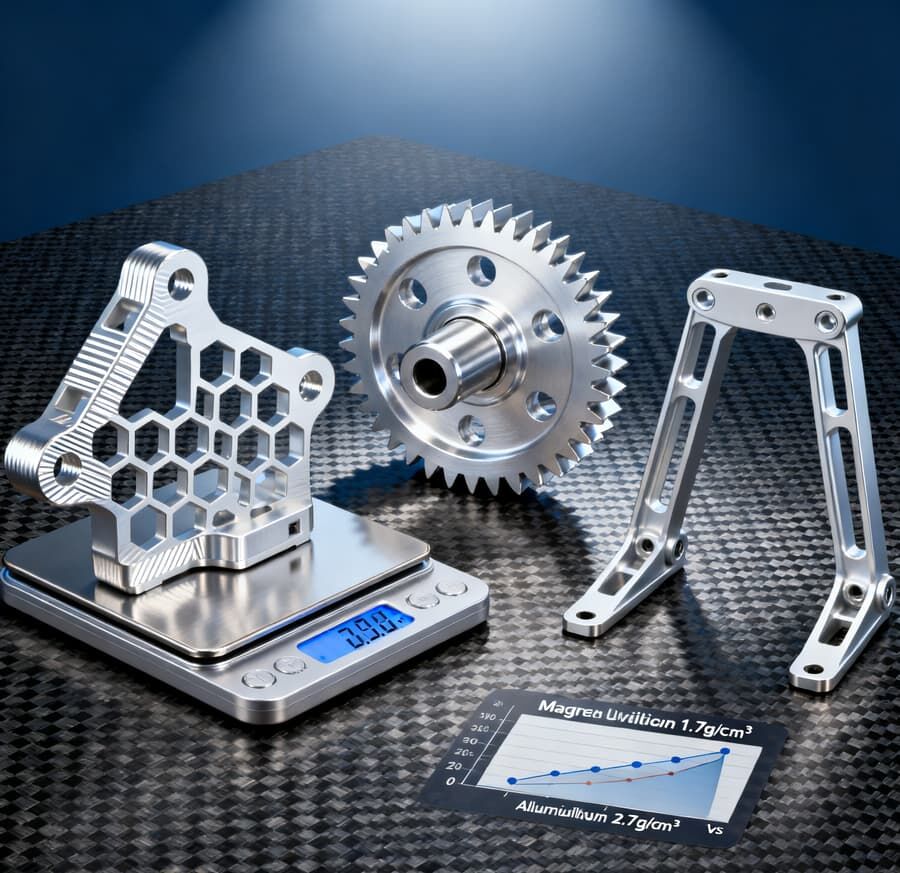
The remarkable material versatility demonstrated by rapid prototyping sheet metal systems enables manufacturers to work with an extensive range of metals and alloys, each presenting unique characteristics and application-specific advantages. Aluminum processing capabilities extend from thin decorative sheets to structural-grade plates, accommodating both aesthetic requirements and functional demands across aerospace, automotive, and consumer electronics applications. The systems handle various aluminum alloys including 6061, 5052, and 3003 specifications, each offering distinct properties for corrosion resistance, formability, and strength characteristics. Stainless steel processing encompasses grades from 304 to 316L and specialty variants, supporting medical device manufacturing, food processing equipment, and architectural applications where hygiene and durability are paramount. Carbon steel capabilities range from mild steel suitable for structural applications to high-carbon variants required for tool manufacturing and specialized industrial components. The adaptability extends to exotic materials including titanium alloys for aerospace applications, Inconel for high-temperature environments, and copper alloys for electrical conductivity requirements. Thickness versatility spans from ultra-thin foils measuring 0.1mm to heavy plates exceeding 25mm, accommodating diverse application requirements within single production facilities. Surface treatment compatibility allows processing of pre-finished materials including anodized aluminum, powder-coated steel, and specialty plated surfaces without compromising coating integrity or appearance quality. The systems accommodate materials with varying thermal properties and cutting characteristics, automatically adjusting process parameters to optimize cut quality and minimize heat-affected zones that could compromise material properties. Hybrid material processing enables combination cutting operations where different materials are processed sequentially or simultaneously, supporting complex assemblies requiring multiple material types. The material handling systems adapt to various sheet sizes and weights, from small precision components to large architectural panels, ensuring consistent positioning accuracy regardless of material dimensions or characteristics. Quality control systems verify material identification and specifications before processing begins, preventing costly errors and ensuring compliance with application requirements and industry standards.



 EN
EN