rapid cnc prototyping
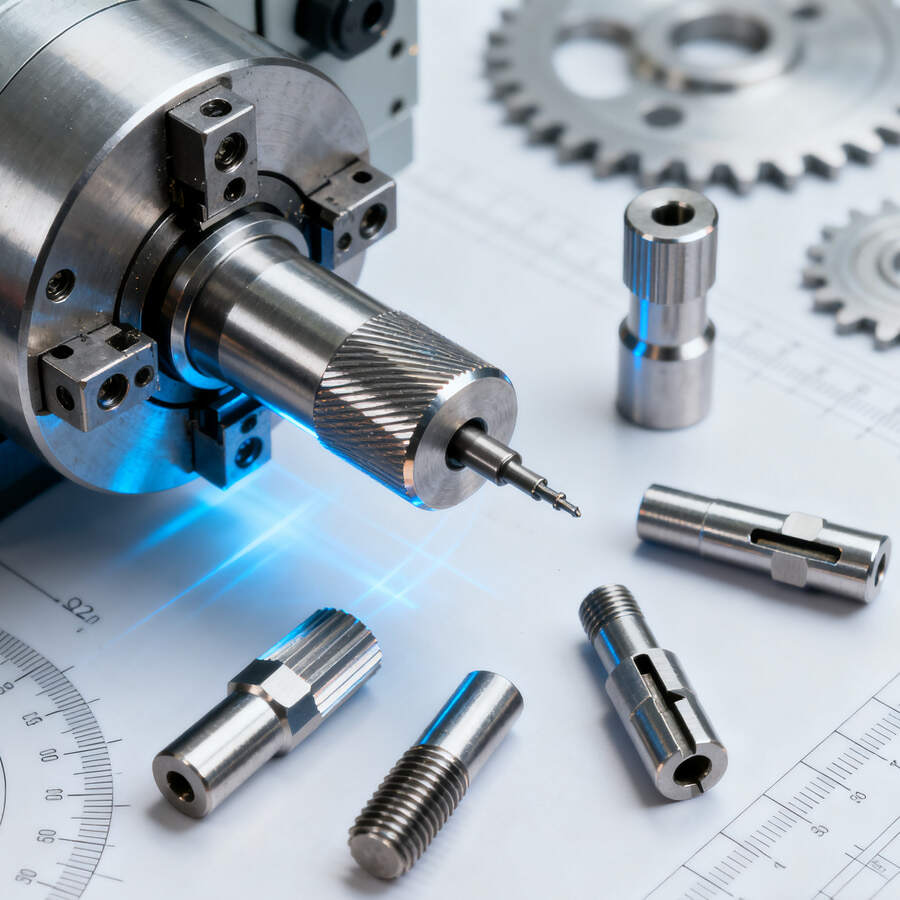
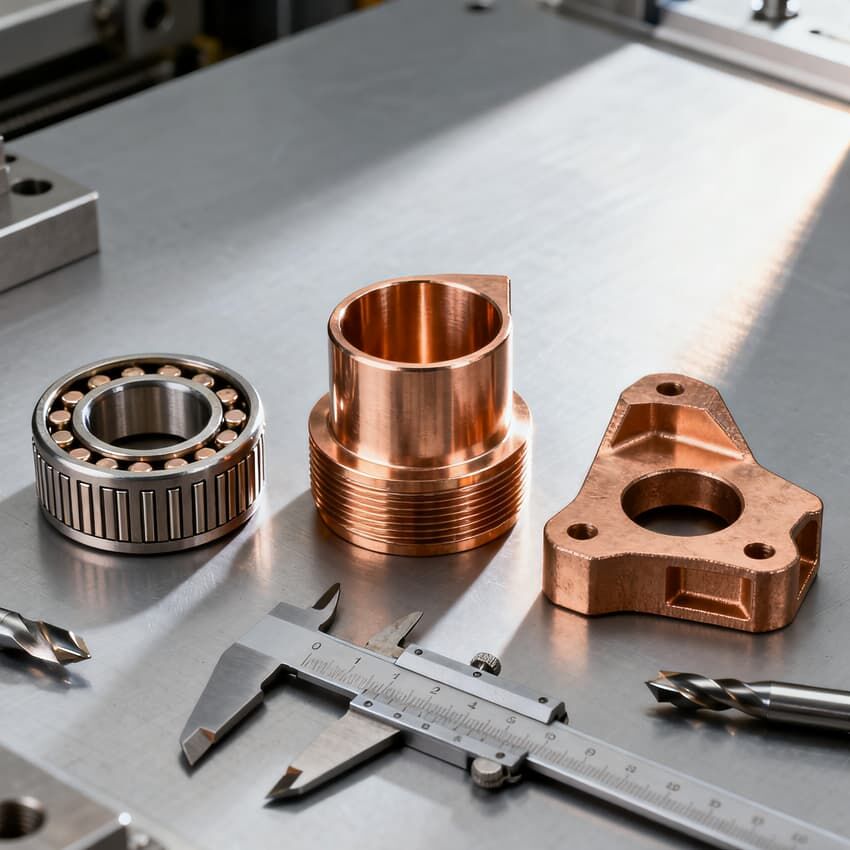
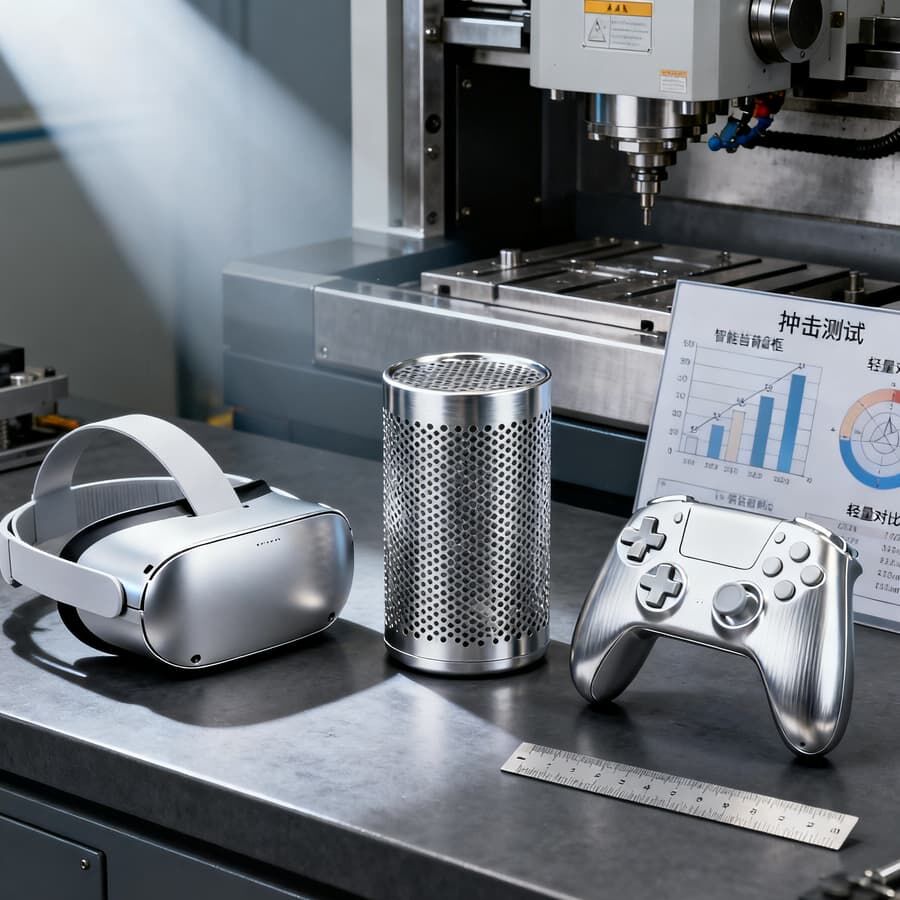
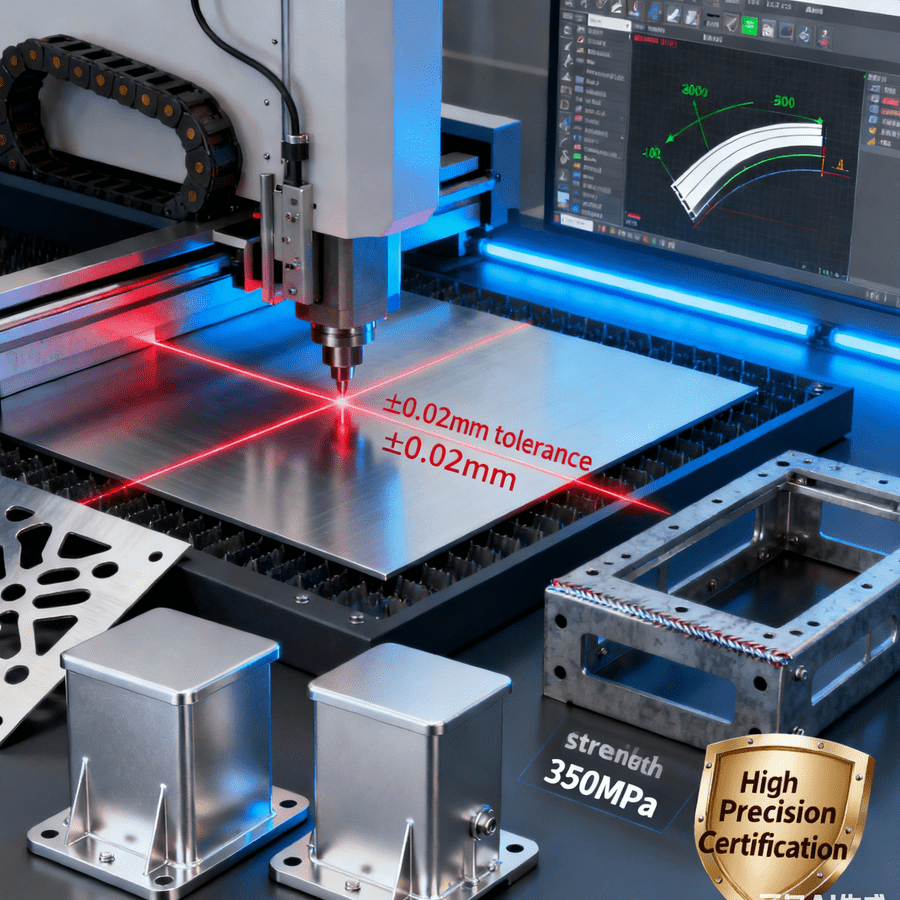
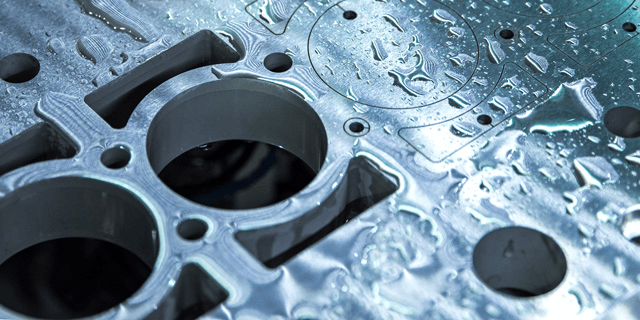
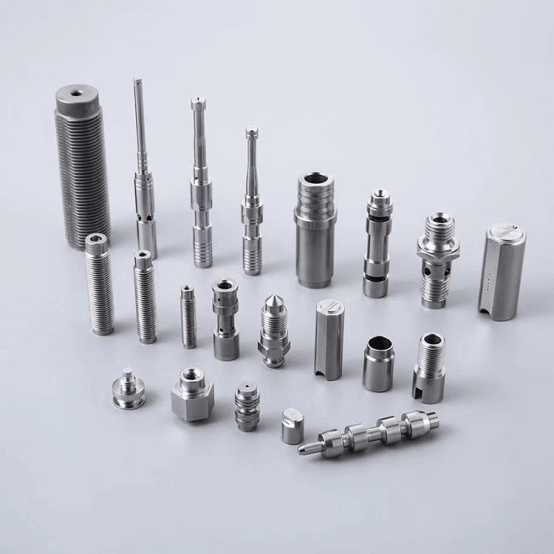
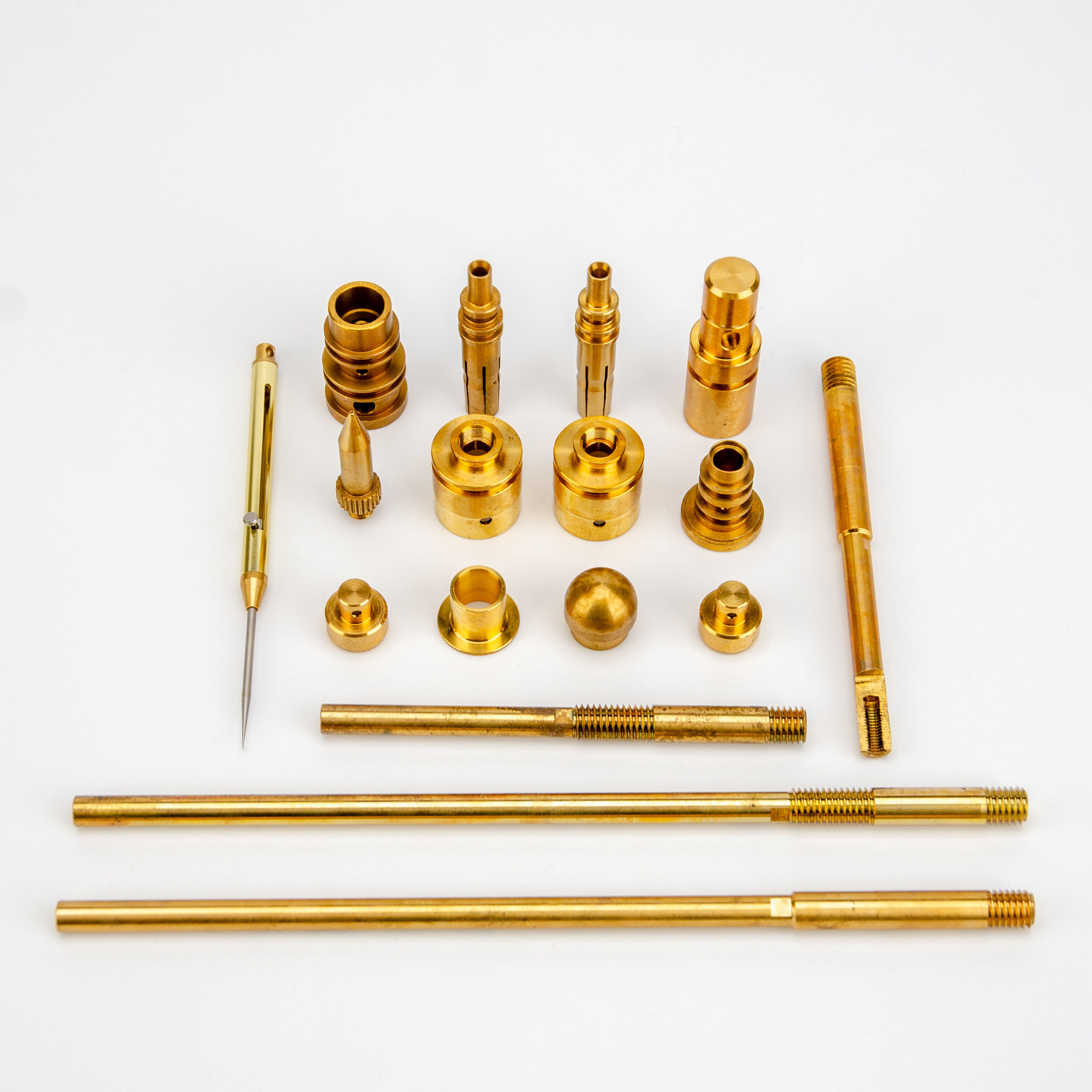
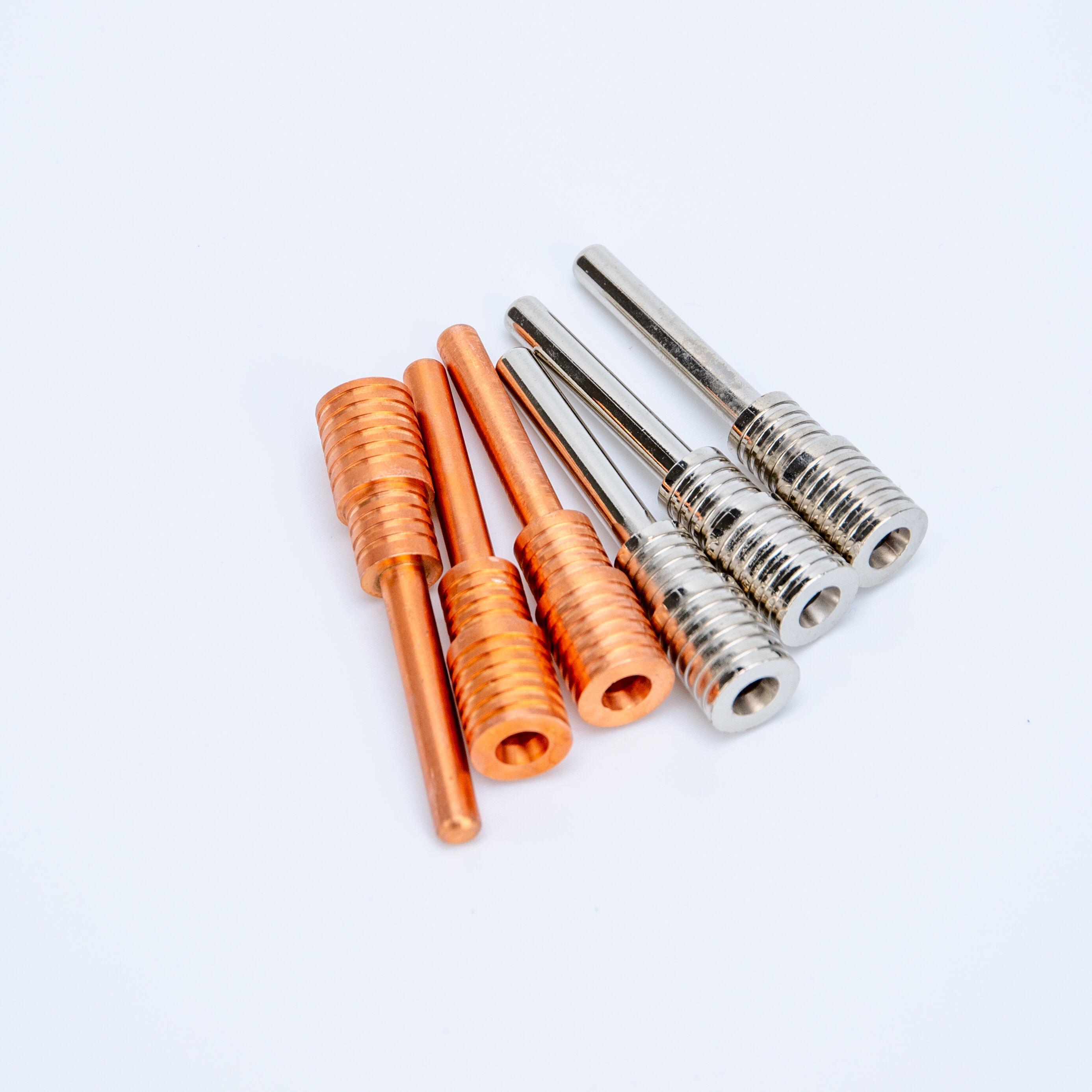
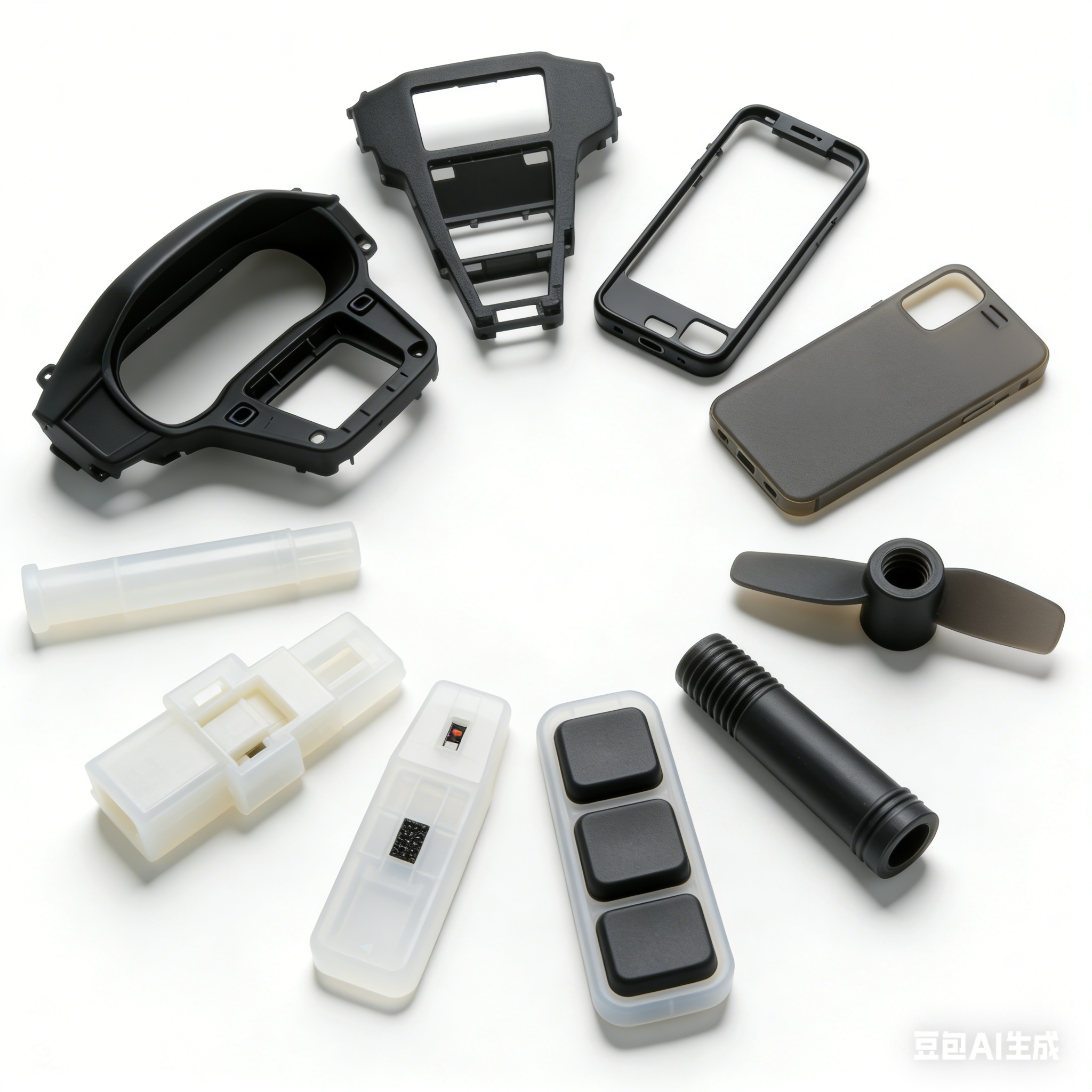
Rapid CNC prototyping represents a transformative manufacturing approach that combines computer numerical control machining with accelerated production timelines to deliver precise prototypes in record time. This advanced manufacturing process utilizes sophisticated CNC machines equipped with multi-axis capabilities to transform digital designs into tangible prototypes using various materials including aluminum, steel, plastics, and composite materials. The core functionality of rapid CNC prototyping centers on its ability to interpret CAD files and execute precise cutting, drilling, and shaping operations with exceptional accuracy, typically achieving tolerances within ±0.01mm. The technological backbone of rapid CNC prototyping incorporates state-of-the-art software integration that seamlessly translates three-dimensional models into executable machine code, enabling automated tool path generation and optimized cutting strategies. Modern rapid CNC prototyping systems feature adaptive machining capabilities that automatically adjust cutting parameters based on material properties and geometric complexity, ensuring consistent quality across diverse prototype requirements. The applications for rapid CNC prototyping span numerous industries including automotive, aerospace, medical devices, consumer electronics, and industrial equipment manufacturing. In automotive applications, rapid CNC prototyping enables engineers to create functional engine components, transmission parts, and chassis elements for testing and validation purposes. Aerospace manufacturers leverage rapid CNC prototyping to produce lightweight structural components, brackets, and specialized fixtures that meet stringent industry standards. Medical device companies utilize rapid CNC prototyping to develop custom surgical instruments, implant prototypes, and diagnostic equipment components with biocompatible materials. The versatility of rapid CNC prototyping extends to creating complex geometries, internal channels, and intricate surface features that would be challenging or impossible to achieve through traditional manufacturing methods, making it an indispensable tool for innovation-driven organizations seeking to accelerate their product development cycles.



 EN
EN