Rapid CNC Machining Services - High-Speed Precision Manufacturing Solutions

All Categories

rapid cnc machining

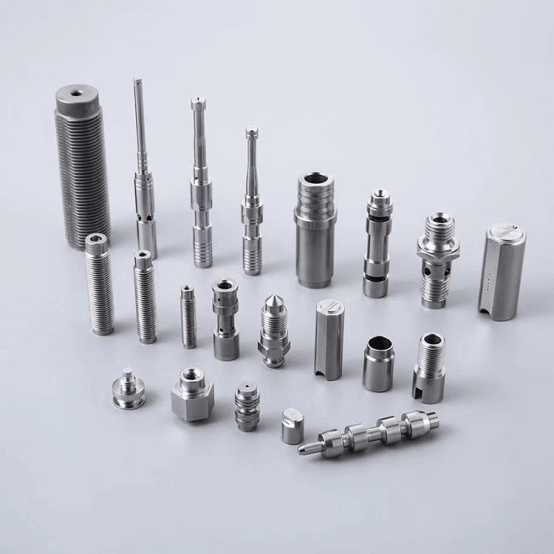
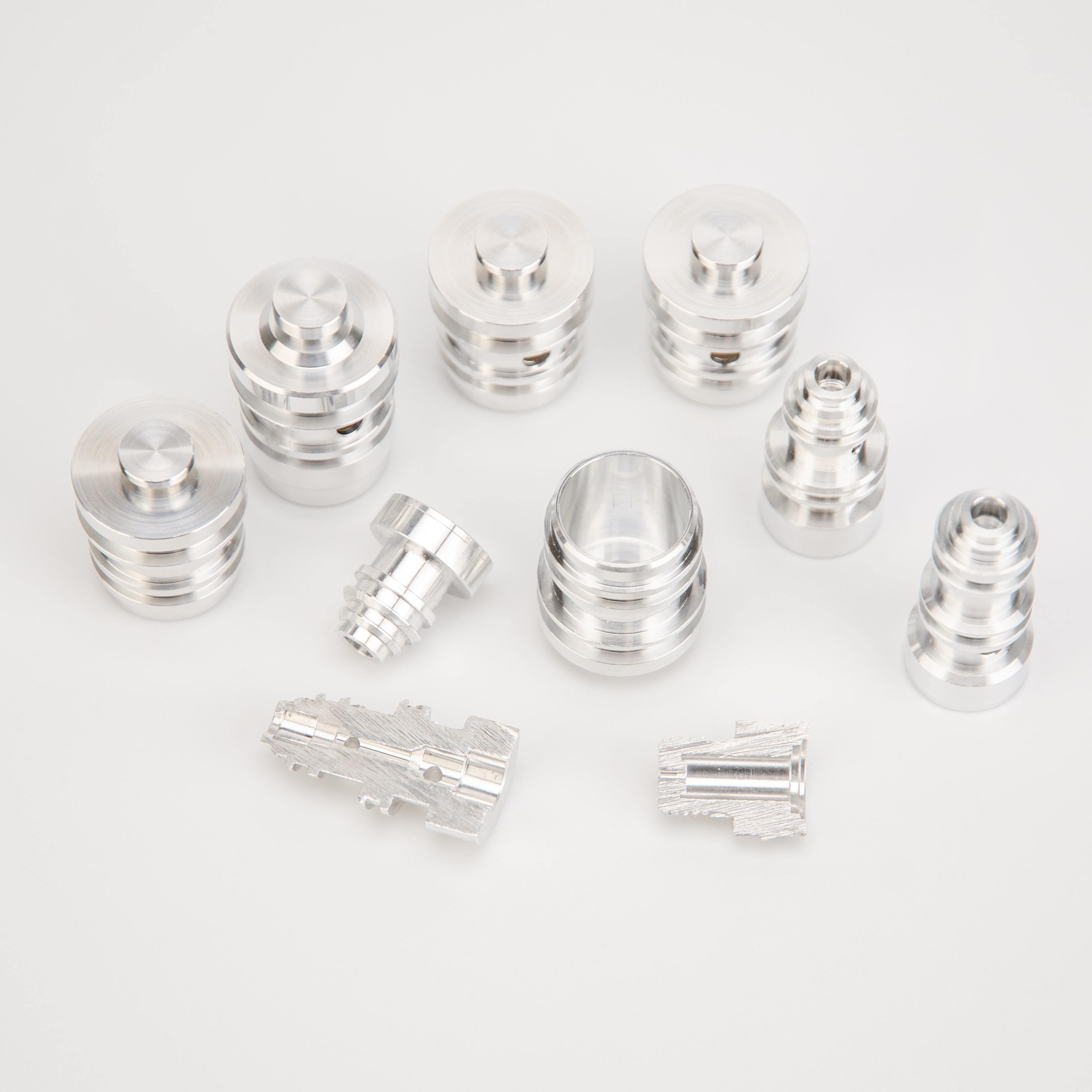
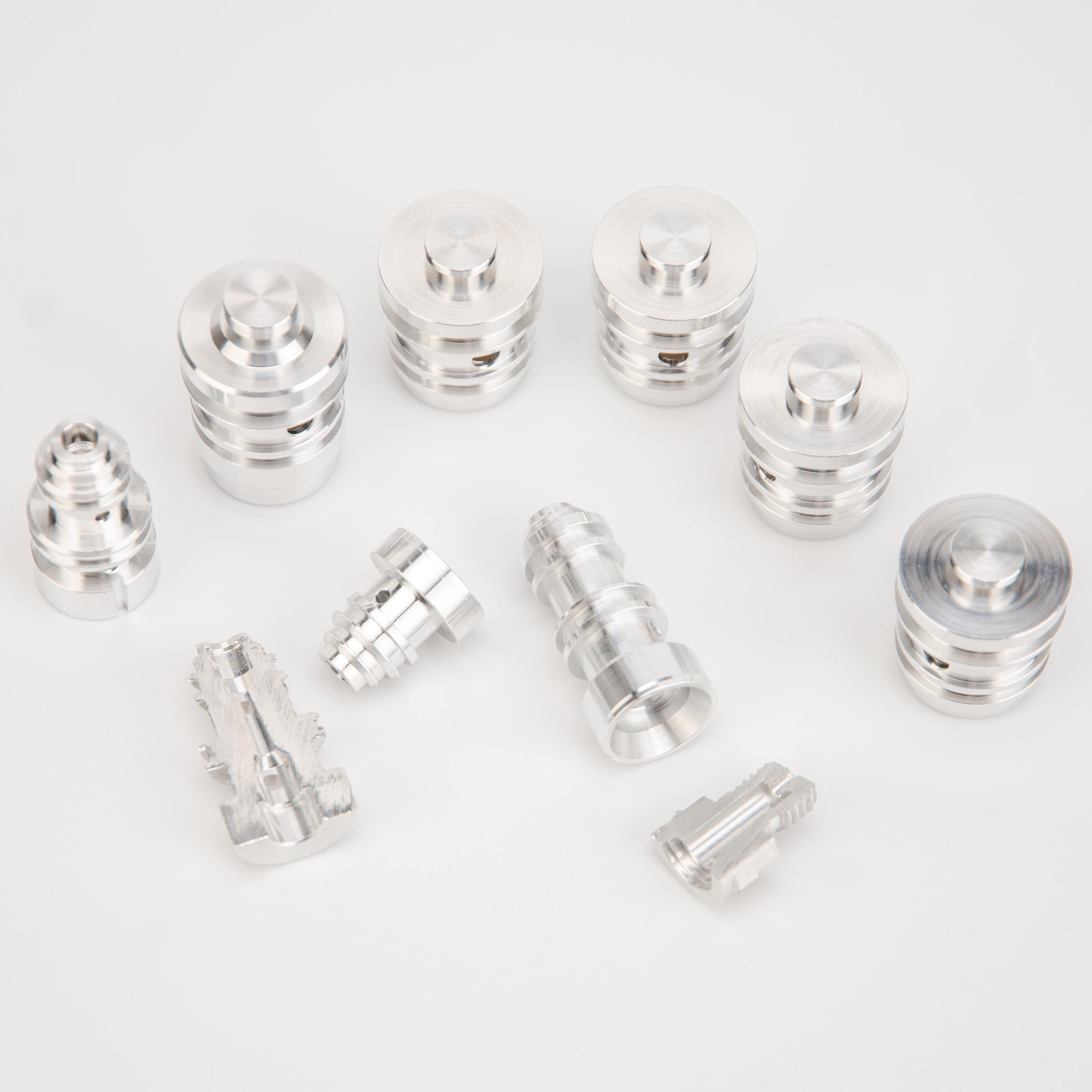
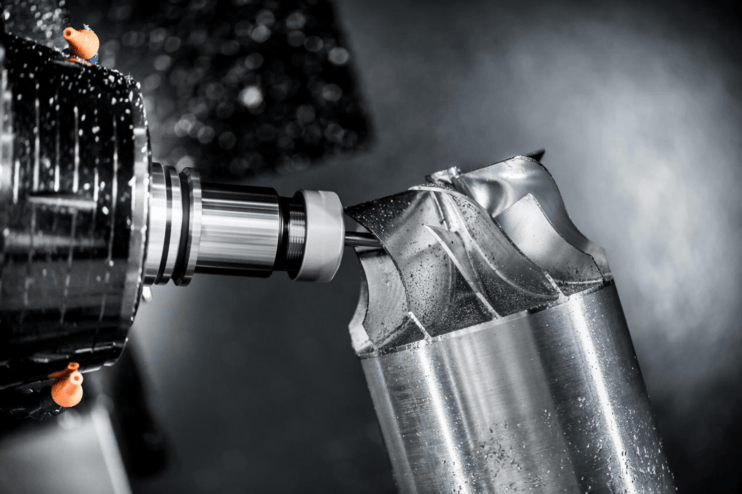
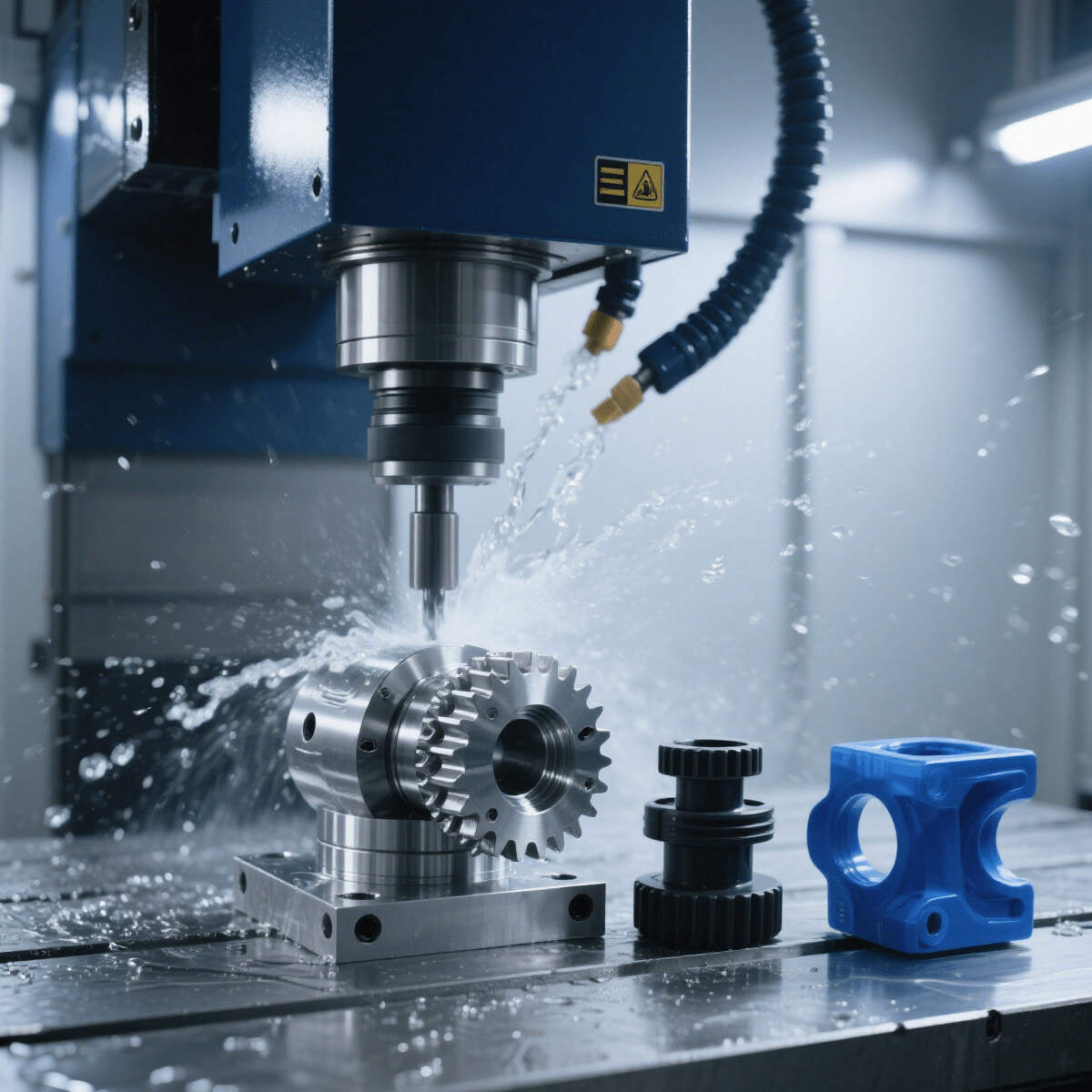
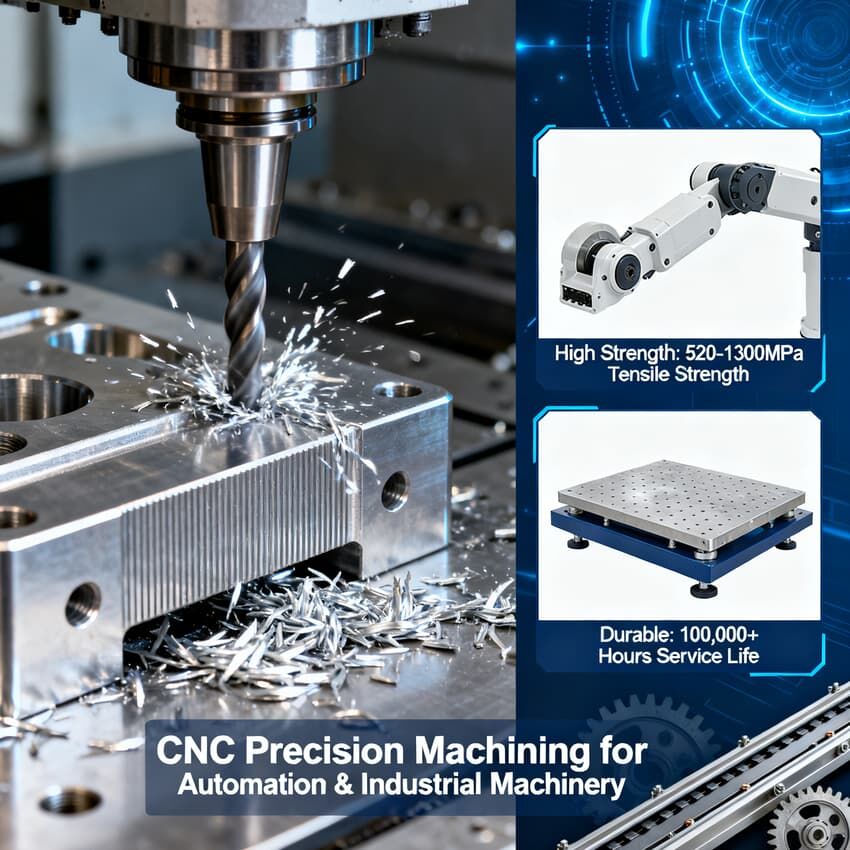
Rapid CNC machining represents a revolutionary manufacturing technology that combines computer numerical control systems with high-speed production capabilities to deliver precision-engineered components at unprecedented speeds. This advanced manufacturing process utilizes sophisticated computer-controlled machine tools to cut, shape, and form materials with exceptional accuracy while maintaining significantly reduced production timeframes compared to traditional machining methods. The core functionality of rapid CNC machining centers on its ability to interpret digital design files, typically CAD models, and translate them into precise tool movements that create complex geometries from various materials including metals, plastics, ceramics, and composites. The technological foundation of rapid CNC machining incorporates multi-axis capabilities, allowing simultaneous movement across multiple planes to achieve intricate cuts and complex surface finishes in a single setup. Modern rapid CNC machining systems feature adaptive control systems that continuously monitor cutting forces, tool wear, and material properties to optimize machining parameters in real-time. These systems employ advanced tooling technologies, including high-performance carbide cutters, ceramic inserts, and diamond-coated tools that enable faster cutting speeds while maintaining superior surface quality. The integration of automated tool changers, workpiece handling systems, and continuous coolant delivery ensures uninterrupted production cycles. Applications for rapid CNC machining span diverse industries including aerospace, automotive, medical devices, electronics, and prototyping sectors. In aerospace manufacturing, rapid CNC machining produces critical flight components with tight tolerances and exceptional surface finishes required for safety-critical applications. Automotive manufacturers leverage this technology for engine components, transmission parts, and custom tooling production. Medical device companies utilize rapid CNC machining for surgical instruments, implants, and diagnostic equipment that demand biocompatible materials and precise specifications. The electronics industry relies on rapid CNC machining for circuit board fabrication, heat sinks, and precision enclosures that require exact dimensional accuracy and smooth finishes.
New Product Recommendations

Rapid CNC machining delivers substantial time savings that directly translate to faster product development cycles and quicker market entry for businesses across various industries. Companies can reduce their production lead times by up to seventy percent compared to conventional machining processes, enabling them to respond rapidly to changing market demands and customer requirements. This speed advantage becomes particularly valuable in competitive markets where being first to market often determines commercial success. The technology eliminates lengthy setup procedures and reduces manual intervention requirements, allowing production to continue around the clock with minimal supervision. Quality consistency represents another major benefit of rapid CNC machining, as computer-controlled precision ensures every manufactured part meets exact specifications without human error variations. This reliability reduces waste, minimizes rework costs, and enhances customer satisfaction through consistent product quality. Manufacturing facilities achieve significant cost reductions through improved material utilization rates, as rapid CNC machining optimizes cutting paths to minimize waste generation. The process reduces labor costs by automating complex operations that previously required skilled manual machinists, while simultaneously increasing overall productivity per operator. Flexibility stands as a key advantage, allowing manufacturers to switch between different product designs quickly without extensive retooling or setup modifications. This adaptability enables efficient small-batch production runs and custom manufacturing solutions that meet specific customer requirements. Rapid CNC machining accommodates complex geometries that would be impossible or extremely difficult to achieve through traditional manufacturing methods, opening new possibilities for product innovation and design optimization. The technology supports a wide range of materials, from soft plastics to hardened steels, providing manufacturers with versatility in material selection based on application requirements. Energy efficiency improvements result from optimized cutting parameters and reduced cycle times, contributing to lower operational costs and environmental sustainability goals. Quality control benefits include real-time monitoring capabilities that detect potential issues before they affect product quality, preventing costly production delays and material waste. The scalability of rapid CNC machining allows businesses to increase production volumes efficiently without proportional increases in labor or facility requirements, supporting business growth objectives.

Latest News

The cleaning of precision components is crucial to ensuring their smoothness and functionality.

29

Nov

The cleaning of precision components is crucial to ensuring their smoothness and functionality.

View More
Methods to Improve the Efficiency of Precision Component Processing

29

Nov

Methods to Improve the Efficiency of Precision Component Processing

View More
Kindness Warms the Heart, Responsibility in Action

29

Nov

Kindness Warms the Heart, Responsibility in Action

View More
Design Knowledge for Shaft Pin Components

29

Nov

Design Knowledge for Shaft Pin Components

View More

Get a Free Quote

Our representative will contact you soon.
Email
Name
Company Name
WhatsApp
Message
0/1000

rapid cnc machining

Unmatched Speed and Efficiency in Modern Manufacturing

Unmatched Speed and Efficiency in Modern Manufacturing

Rapid CNC machining transforms manufacturing timelines through revolutionary speed capabilities that redefine industry expectations for production efficiency. This technology achieves remarkable cycle time reductions by implementing advanced machining strategies that optimize tool paths, cutting parameters, and material removal rates simultaneously. High-speed spindles operating at speeds exceeding 40,000 RPM enable rapid material removal while maintaining exceptional surface quality standards that often eliminate secondary finishing operations. The integration of sophisticated CAM software calculates optimal cutting paths that minimize air time and maximize material engagement, resulting in continuous productive cutting throughout the machining cycle. Advanced control systems monitor real-time conditions and automatically adjust feed rates, spindle speeds, and cutting depths to maintain peak performance while preventing tool damage or workpiece defects. Multi-axis capabilities allow simultaneous machining operations across different surfaces, eliminating the need for multiple setups and reducing overall production time significantly. Automated tool changing systems equipped with large capacity tool magazines enable continuous operation without manual intervention, supporting lights-out manufacturing scenarios that maximize facility utilization. The implementation of adaptive control technology continuously optimizes machining parameters based on real-time feedback from cutting force sensors, vibration monitors, and temperature measurements. This intelligent control approach prevents machine overload conditions while pushing performance boundaries to achieve maximum material removal rates safely. Workpiece handling automation further enhances efficiency by eliminating manual loading and unloading time, allowing operators to focus on value-added activities while machines operate independently. The speed advantages extend beyond individual part production to encompass entire project timelines, as rapid CNC machining reduces time-to-market for new products and enables faster response to customer requirements. Manufacturing facilities report productivity improvements of up to 300 percent when transitioning from traditional machining methods to rapid CNC machining systems, demonstrating the transformative impact of this technology on operational efficiency.
Exceptional Precision and Quality Consistency

Exceptional Precision and Quality Consistency

Rapid CNC machining delivers unparalleled precision capabilities that consistently achieve tolerances within micrometers, setting new standards for manufacturing accuracy across diverse applications. The foundation of this precision lies in rigid machine construction featuring thermally stable structures that minimize thermal expansion effects during extended operation periods. Advanced linear encoders and rotary encoders provide position feedback with nanometer resolution, ensuring precise tool positioning throughout the machining process. Sophisticated vibration dampening systems eliminate external disturbances that could affect cutting accuracy, while high-precision spindle bearings maintain tool runout within submicron tolerances. The implementation of advanced metrology systems enables in-process measurement and automatic compensation for tool wear, thermal drift, and machine deflection to maintain consistent accuracy throughout production runs. Closed-loop control systems continuously monitor and correct positioning errors in real-time, ensuring dimensional accuracy remains within specified tolerances regardless of varying cutting loads or environmental conditions. Temperature-controlled environments and thermal compensation algorithms account for machine thermal growth, maintaining precision even during high-speed operation cycles that generate significant heat. The quality consistency achieved through rapid CNC machining eliminates variation between parts, ensuring every component meets identical specifications without quality degradation over time. Statistical process control integration tracks dimensional variations and provides early warning indicators for potential quality issues before they affect production output. Surface finish quality consistently achieves requirements that often eliminate secondary finishing operations, reducing overall production costs while maintaining superior aesthetic and functional characteristics. Precision tooling systems featuring sub-micron tool holders and balanced cutting tools contribute to exceptional surface quality and dimensional accuracy. The technology accommodates complex geometric tolerances including position, parallelism, perpendicularity, and concentricity requirements that challenge conventional machining capabilities. Quality documentation systems automatically record dimensional measurements and process parameters for complete traceability and compliance with industry quality standards.
Versatile Material Compatibility and Design Freedom

Versatile Material Compatibility and Design Freedom

Rapid CNC machining demonstrates remarkable versatility through its ability to process an extensive range of materials while accommodating complex design geometries that expand creative possibilities for engineers and designers. This comprehensive material compatibility encompasses everything from soft polymers and composites to exotic superalloys and hardened tool steels, providing manufacturers with unlimited material selection flexibility based on application requirements. Advanced tooling strategies and cutting parameters optimize performance for each material type, ensuring efficient processing regardless of material properties such as hardness, thermal conductivity, or chemical reactivity. The technology successfully machines challenging materials including titanium alloys, Inconel, carbon fiber composites, and medical-grade stainless steels that demand specialized cutting approaches and precise process control. Ceramic cutting tools and diamond-coated implements enable efficient processing of abrasive materials while maintaining tool life and surface quality standards. The design freedom offered by rapid CNC machining eliminates many traditional manufacturing constraints, allowing engineers to optimize part geometry for performance rather than manufacturing limitations. Complex internal passages, intricate cooling channels, and organic surface contours become achievable through multi-axis machining capabilities that access workpiece features from multiple angles simultaneously. Undercut features, deep pockets, and thin-walled sections can be machined with confidence using specialized tooling and adaptive machining strategies that prevent deflection and vibration issues. The technology supports additive manufacturing integration, enabling hybrid processes that combine 3D printing with precision machining to create components with internal geometries impossible through conventional methods. Material property optimization occurs through controlled machining parameters that minimize work hardening, residual stress, and microstructural changes that could affect component performance. Specialty coatings and surface treatments integrate seamlessly with rapid CNC machining processes to enhance corrosion resistance, wear characteristics, and aesthetic properties. The versatility extends to prototype development, where rapid CNC machining enables functional testing with production materials and geometries, ensuring design validation accurately represents final product performance characteristics.