cnc machining on demand
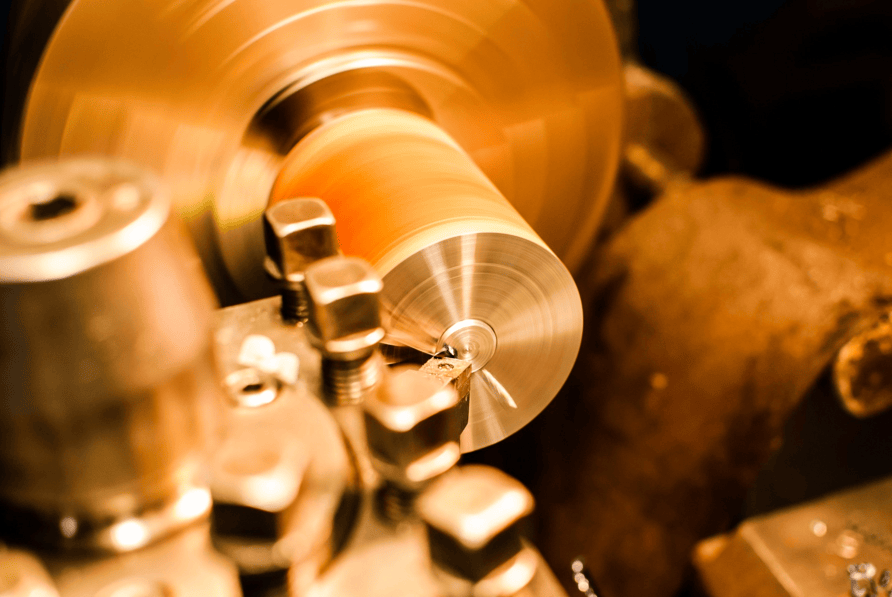
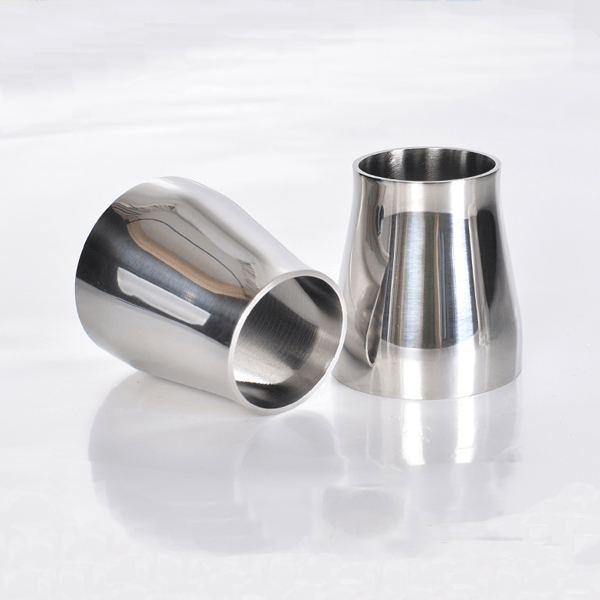
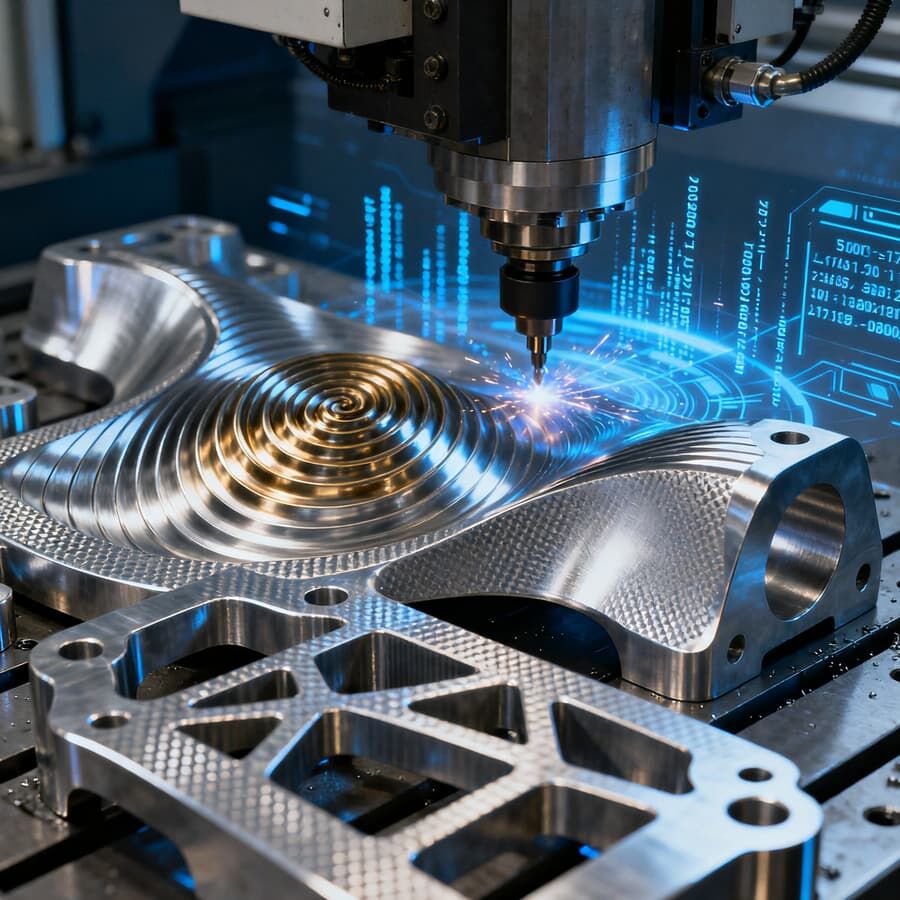
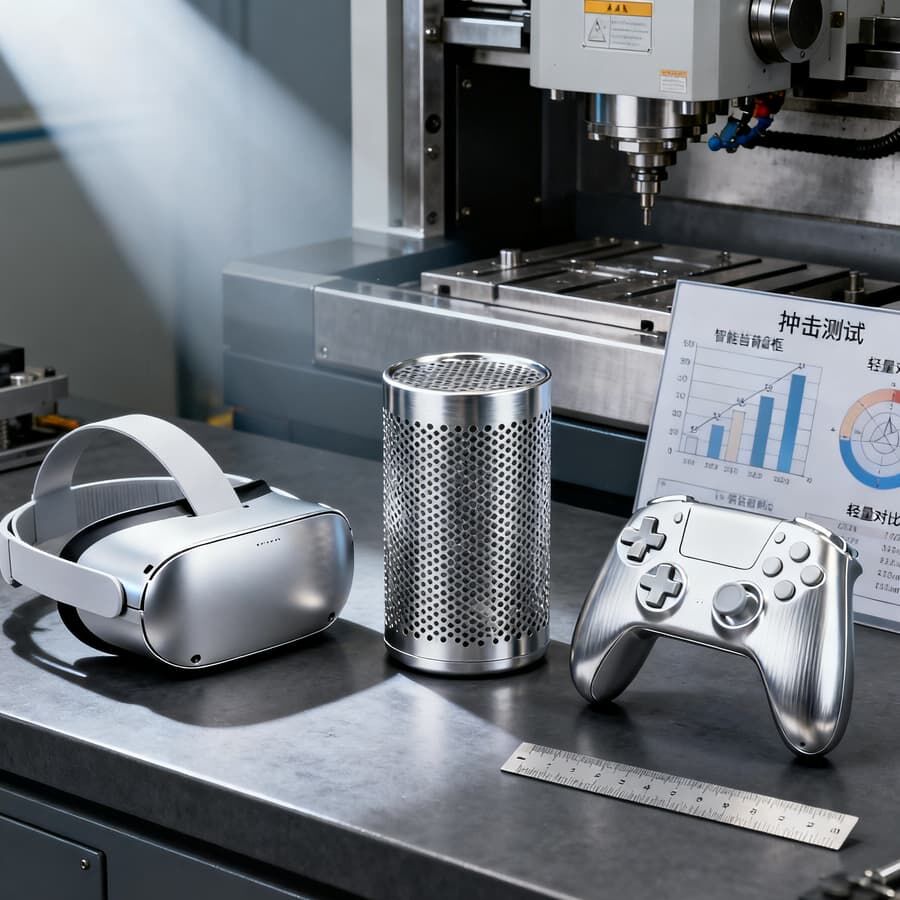
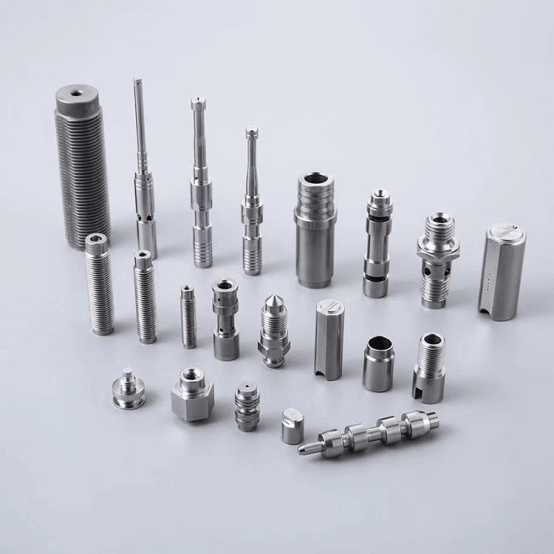
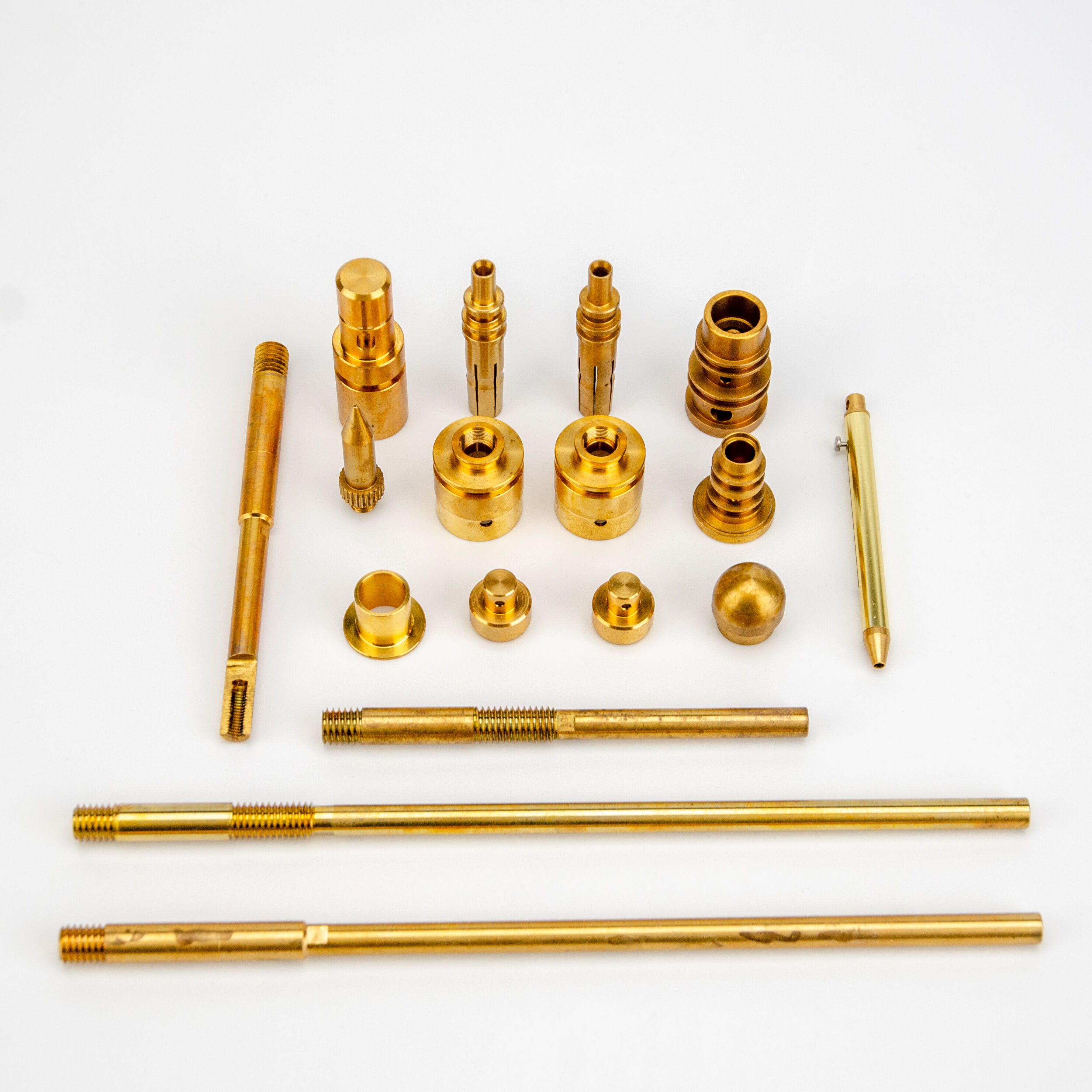
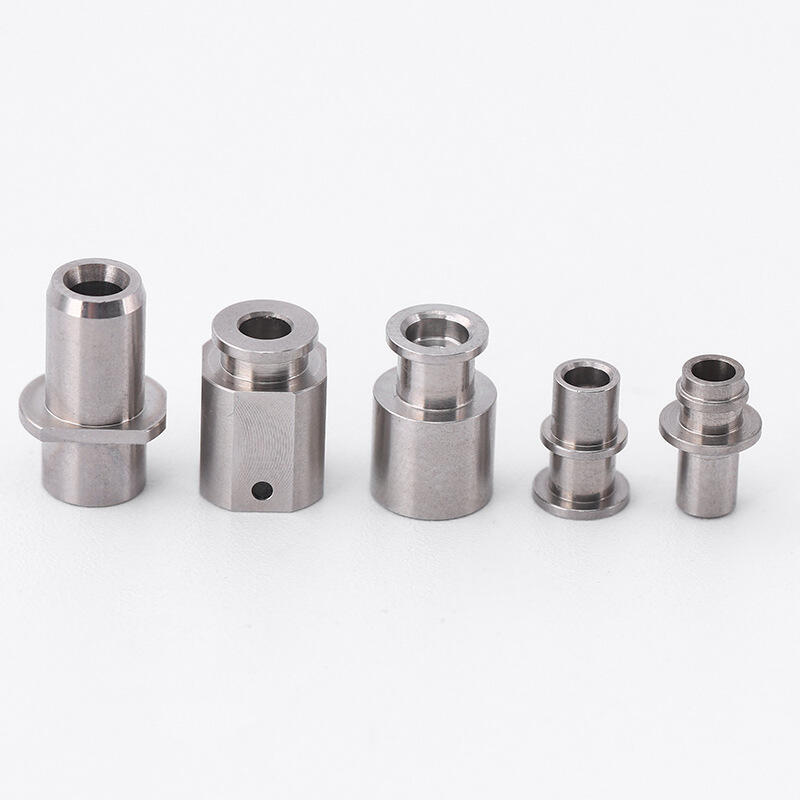
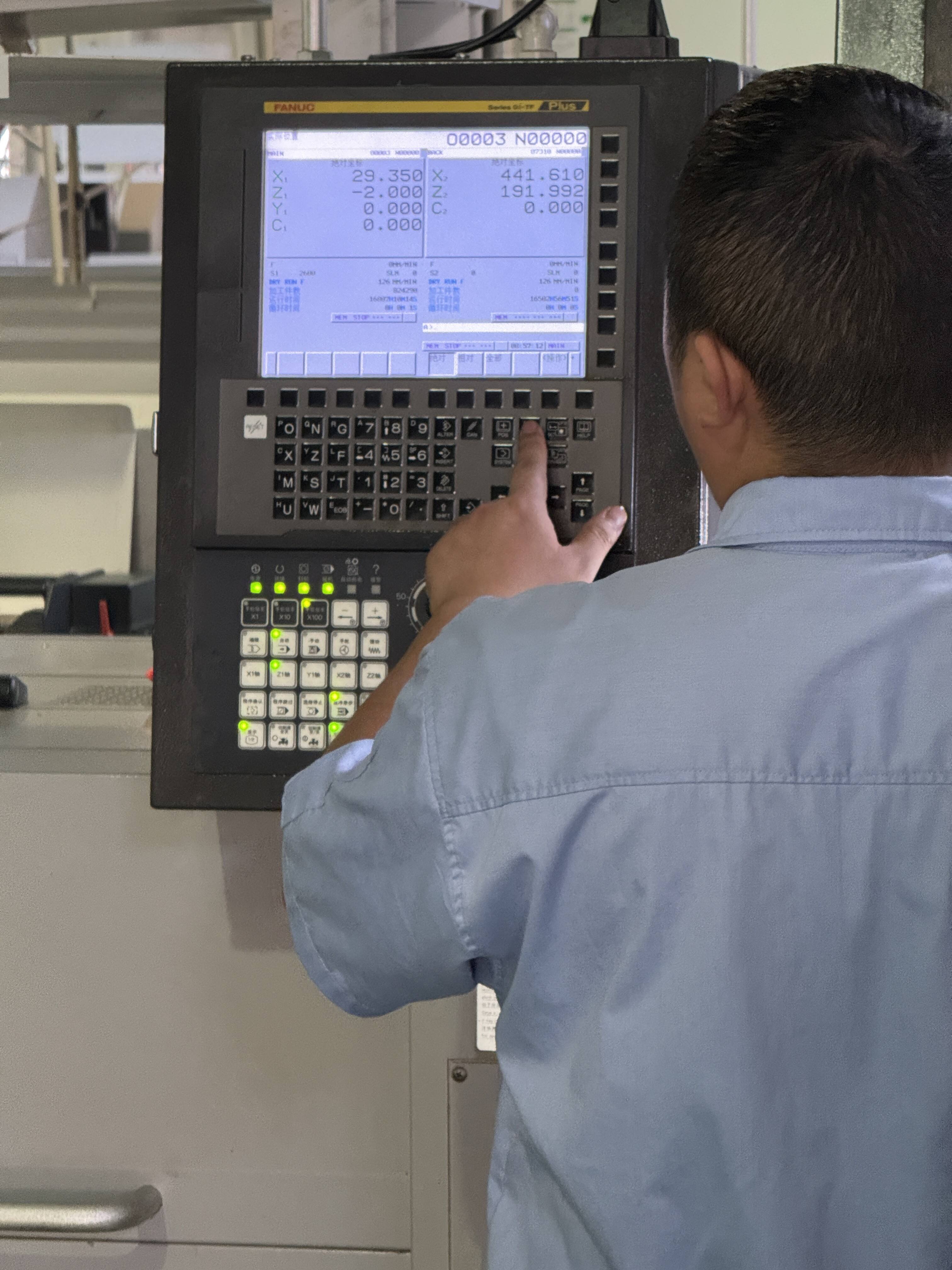
CNC machining on demand represents a revolutionary approach to precision manufacturing that combines computer numerical control technology with flexible production services. This innovative manufacturing solution enables businesses to order custom machined parts without maintaining expensive in-house equipment or dedicated manufacturing facilities. The core functionality of cnc machining on demand centers around automated cutting, drilling, milling, and turning operations controlled by sophisticated computer programs that execute precise movements with exceptional accuracy. The technological infrastructure supporting cnc machining on demand relies on advanced CAD/CAM software integration, high-precision servo motors, and multi-axis machine tools capable of producing complex geometries from various materials including metals, plastics, and composites. Modern cnc machining on demand services utilize state-of-the-art equipment featuring real-time monitoring systems, adaptive control mechanisms, and quality assurance protocols that ensure consistent dimensional accuracy and surface finish quality. The applications for cnc machining on demand span numerous industries including aerospace, automotive, medical devices, electronics, defense, and consumer products manufacturing. Companies leverage cnc machining on demand for prototype development, low-volume production runs, replacement parts manufacturing, and specialized component fabrication where traditional mass production methods prove economically unfeasible. The service model typically encompasses design consultation, material selection guidance, manufacturing process optimization, and post-processing finishing services. Digital workflow integration allows customers to upload 3D models, receive instant quotes, track production progress, and coordinate delivery schedules through user-friendly online platforms. Quality control measures within cnc machining on demand services include coordinate measuring machine verification, statistical process control monitoring, and comprehensive documentation that meets industry-specific certification requirements such as AS9100, ISO 13485, and IATF 16949 standards.




 EN
EN