Professional POM Machining Services | Precision Polyoxymethylene CNC Manufacturing

All Categories

pom machining services

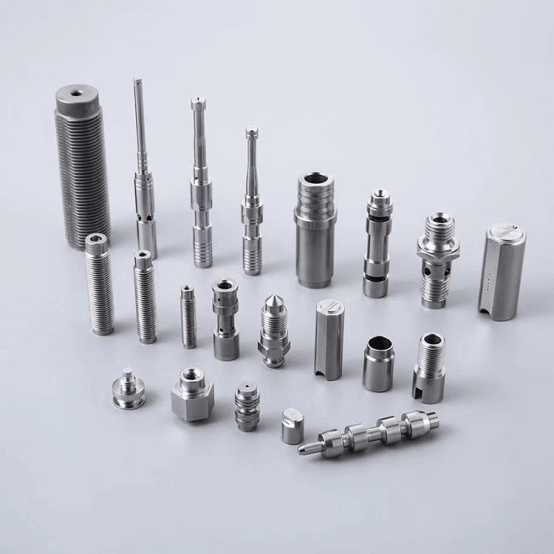
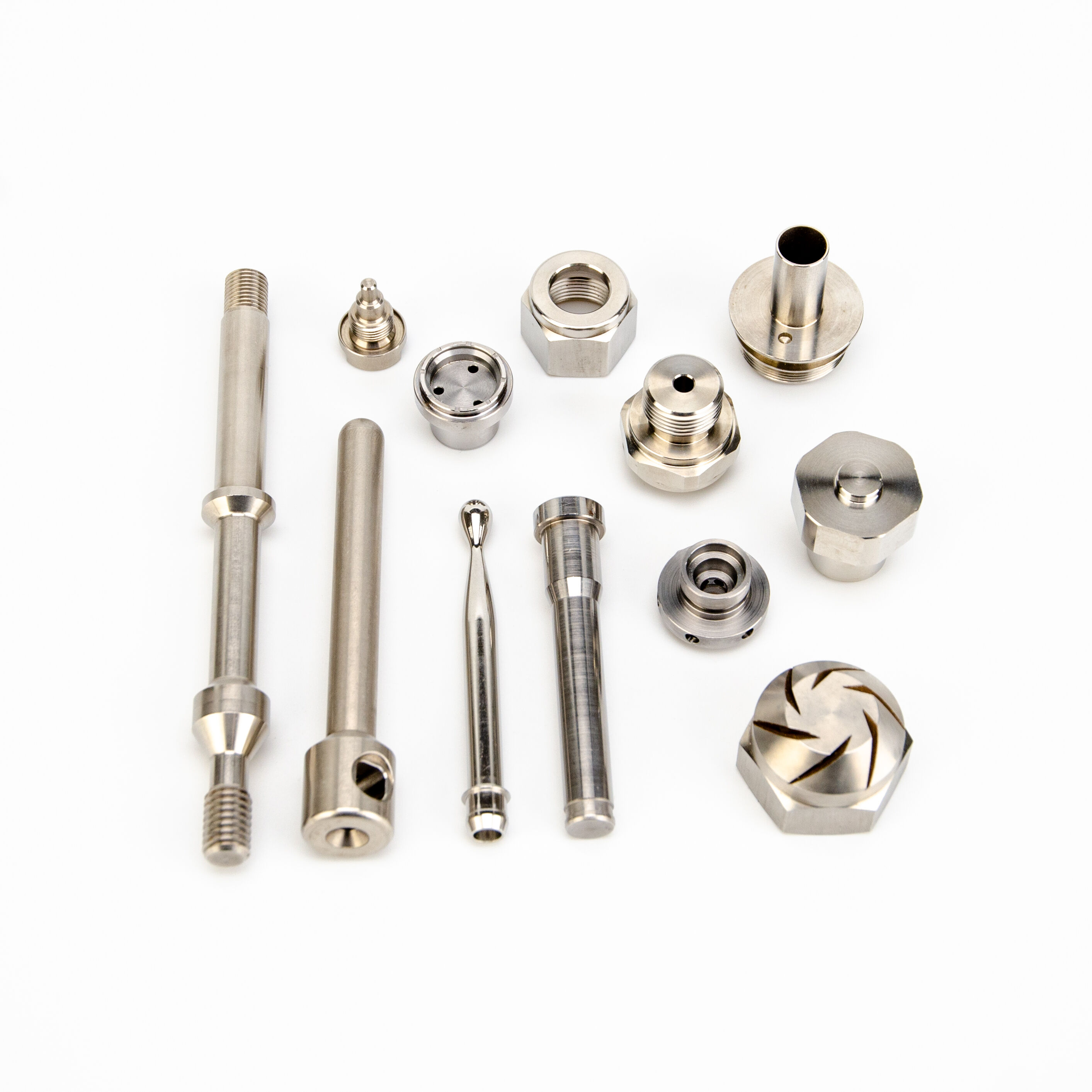
POM machining services represent a specialized manufacturing solution designed to work with polyoxymethylene, commonly known as POM or Delrin. This advanced plastic material offers exceptional dimensional stability, low friction properties, and outstanding chemical resistance, making it ideal for precision components across various industries. POM machining services utilize state-of-the-art CNC equipment and specialized tooling to transform raw POM materials into highly accurate finished parts that meet exacting specifications. The main functions of POM machining services encompass turning, milling, drilling, threading, and surface finishing operations. These processes enable manufacturers to create complex geometries, tight tolerances, and smooth surface finishes that are essential for critical applications. The technological features include computer-controlled machining centers equipped with carbide cutting tools specifically designed for thermoplastic materials. Temperature control systems prevent material degradation during processing, while advanced cooling methods ensure dimensional accuracy throughout the machining cycle. POM machining services find extensive applications in automotive components such as fuel system parts, gears, and bushings due to their excellent wear resistance. Medical device manufacturers rely on these services for creating sterile, biocompatible components including surgical instruments and diagnostic equipment housings. Electronics industry benefits from POM machining for producing insulating components, connector housings, and precision mechanical parts. Consumer products utilizing POM machined components include appliance parts, sports equipment, and household items requiring durability and dimensional stability. The aerospace sector employs POM machining services for lightweight, corrosion-resistant components in non-critical applications. Food processing equipment manufacturers choose POM machined parts for their FDA compliance and resistance to cleaning chemicals, ensuring safe food contact surfaces throughout production environments.
New Products

POM machining services deliver substantial cost savings compared to alternative manufacturing methods by eliminating expensive tooling requirements associated with injection molding for small to medium production runs. Customers benefit from rapid prototype development capabilities that accelerate product development cycles and reduce time-to-market significantly. The precision achievable through POM machining services ensures consistent quality across all produced components, minimizing assembly issues and reducing warranty claims for end products. Material waste reduction represents another key advantage, as CNC machining optimizes material utilization while recycling capabilities allow for environmentally responsible manufacturing practices. POM machining services provide exceptional flexibility in design modifications without requiring costly tooling changes, enabling customers to implement engineering improvements quickly and efficiently. The superior surface finish quality achieved through specialized POM machining techniques eliminates secondary operations, reducing overall production costs and delivery times for customers. Dimensional accuracy maintained throughout the machining process ensures proper fit and function in assembly applications, reducing quality control requirements and inspection time. POM machining services accommodate both prototype quantities and production volumes, allowing customers to scale manufacturing according to market demand without significant capital investment. The chemical resistance properties of machined POM components provide long-term reliability in harsh operating environments, reducing maintenance costs and extending service life for customer applications. Faster turnaround times compared to traditional molding processes enable customers to respond quickly to market opportunities and customer demands. POM machining services eliminate minimum order quantities typically associated with injection molding, providing cost-effective solutions for specialized applications requiring small batch sizes. The ability to machine complex internal features and undercuts that would be impossible or expensive to mold gives customers greater design freedom and functionality options. Quality assurance programs integrated into POM machining services ensure consistent part quality and dimensional compliance, reducing incoming inspection requirements for customers.

Practical Tips

The cleaning of precision components is crucial to ensuring their smoothness and functionality.

29

Nov

The cleaning of precision components is crucial to ensuring their smoothness and functionality.

View More
Methods to Improve the Efficiency of Precision Component Processing

29

Nov

Methods to Improve the Efficiency of Precision Component Processing

View More
Kindness Warms the Heart, Responsibility in Action

29

Nov

Kindness Warms the Heart, Responsibility in Action

View More
Design Knowledge for Shaft Pin Components

29

Nov

Design Knowledge for Shaft Pin Components

View More

Get a Free Quote

Our representative will contact you soon.
Email
Name
Company Name
WhatsApp
Message
0/1000

pom machining services

Advanced CNC Technology Integration

Advanced CNC Technology Integration

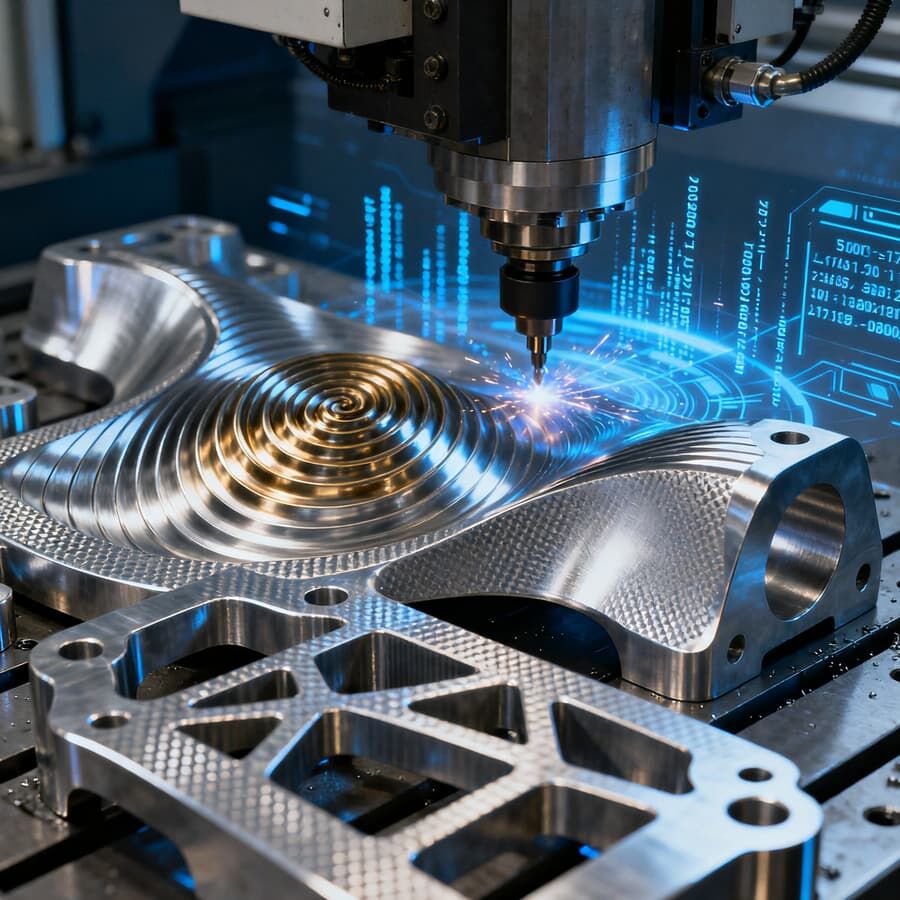
POM machining services leverage cutting-edge computer numerical control technology specifically calibrated for thermoplastic materials to deliver unprecedented precision and consistency. The integration of multi-axis CNC machines enables complex part geometries that would be challenging or impossible to achieve through conventional manufacturing methods. These sophisticated systems utilize specialized software algorithms that optimize cutting parameters, feed rates, and spindle speeds specifically for POM materials, ensuring optimal surface finish and dimensional accuracy. The advanced tooling systems incorporate carbide cutting tools with specialized coatings designed to minimize heat generation and prevent material degradation during the machining process. Real-time monitoring systems continuously track machining parameters, automatically adjusting cutting conditions to maintain consistent quality throughout production runs. The technology integration includes advanced workholding systems that secure POM materials without deformation, ensuring accurate positioning and repeatability across multiple setups. Automated tool changing capabilities reduce cycle times while maintaining precision, allowing for efficient production of complex components requiring multiple machining operations. The CNC systems feature adaptive control technology that compensates for material variations and tool wear, maintaining tight tolerances throughout extended production runs. Quality control integration includes in-process measurement systems that verify dimensional accuracy during machining, preventing non-conforming parts from progressing through production. The advanced programming capabilities allow for simulation and optimization of machining strategies before actual production, reducing setup time and minimizing material waste. Temperature monitoring systems ensure optimal cutting conditions, preventing thermal expansion that could affect dimensional accuracy. The integration of these advanced technologies results in superior part quality, reduced lead times, and enhanced cost-effectiveness for customers requiring precision POM components across diverse applications.
Material Expertise and Specialized Processing

Material Expertise and Specialized Processing

POM machining services excel through deep understanding of polyoxymethylene material characteristics and specialized processing techniques developed specifically for this advanced engineering plastic. The expertise encompasses comprehensive knowledge of POM grades, including homopolymer and copolymer variants, enabling optimal material selection for specific application requirements. Processing specialists understand the unique thermal properties of POM materials and implement controlled cooling strategies that prevent warpage and maintain dimensional stability throughout machining operations. The specialized techniques include optimized cutting parameters that account for POM's tendency toward built-up edge formation, utilizing specific tool geometries and cutting speeds that minimize this phenomenon. Material handling expertise ensures proper storage and conditioning of POM stock materials, preventing moisture absorption that could affect machining quality and dimensional accuracy. The processing knowledge extends to understanding POM's anisotropic properties, allowing for strategic grain orientation that optimizes mechanical properties in finished components. Specialized fixture design accommodates POM's thermal expansion characteristics, maintaining secure workholding without inducing stress concentrations that could lead to part distortion. The expertise includes advanced surface finishing techniques specifically developed for POM materials, achieving mirror-like finishes when required for optical applications or ultra-smooth surfaces for low-friction applications. Process validation procedures ensure consistent results across different POM grades and lot variations, maintaining quality standards regardless of material supply fluctuations. The specialized knowledge encompasses compatibility assessment for secondary operations such as ultrasonic welding, adhesive bonding, and chemical treatments that may be required in customer applications. Environmental control measures address POM's sensitivity to certain chemicals and UV exposure, implementing protective measures during processing and storage. This comprehensive material expertise translates into superior part performance, extended service life, and reduced failure rates for customer applications requiring reliable POM components.
Comprehensive Quality Assurance Programs

Comprehensive Quality Assurance Programs

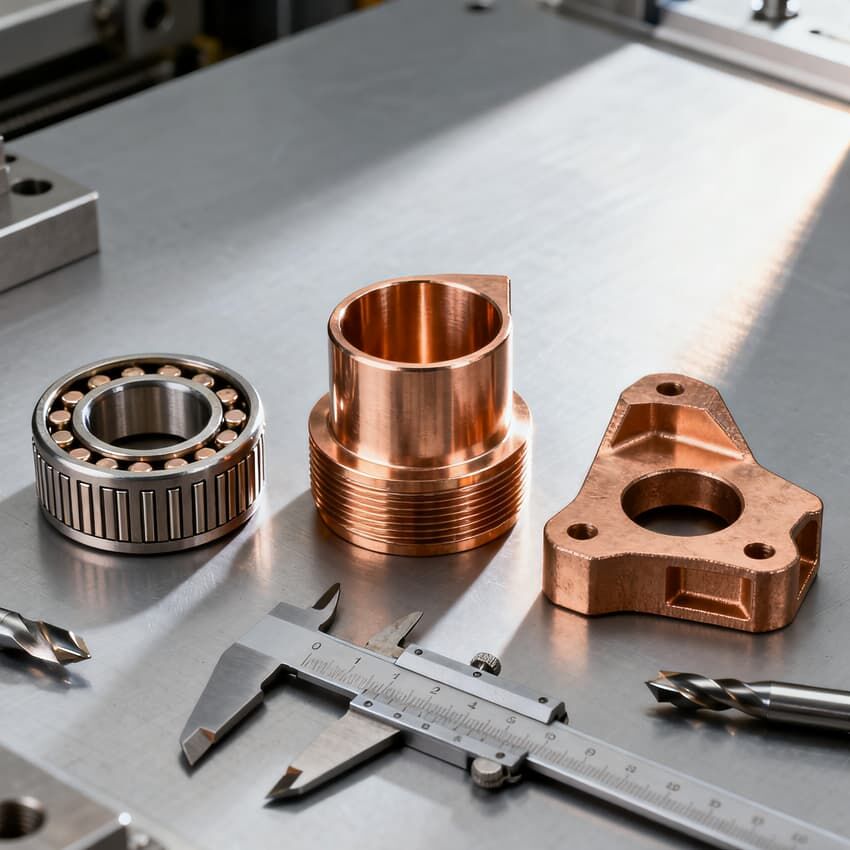
POM machining services implement rigorous quality assurance programs that ensure every component meets or exceeds customer specifications through systematic inspection protocols and advanced measurement techniques. The comprehensive approach begins with incoming material inspection, verifying POM raw material properties, dimensions, and certifications to ensure consistent starting material quality. Statistical process control methods monitor key machining parameters throughout production, identifying trends and variations before they impact part quality. Advanced coordinate measuring machines equipped with specialized probes for plastic materials provide accurate dimensional verification of complex geometries and critical features. The quality programs include environmental testing protocols that validate POM component performance under various temperature, humidity, and chemical exposure conditions relevant to intended applications. Traceability systems maintain complete documentation of material sources, processing parameters, and inspection results for each component, enabling rapid issue resolution and continuous improvement initiatives. First article inspection procedures verify setup accuracy and process capability before production begins, preventing non-conforming parts and reducing waste. In-process monitoring utilizes automated inspection systems that check critical dimensions during machining, stopping production if measurements drift outside acceptable tolerances. Surface finish verification employs specialized equipment calibrated for plastic materials, ensuring consistent texture and appearance across all produced components. The quality assurance programs incorporate customer-specific requirements including industry standards such as ISO 9001, AS9100, and medical device regulations where applicable. Calibration programs ensure all measurement equipment maintains accuracy and traceability to national standards, supporting confidence in inspection results. Final inspection protocols include functional testing where appropriate, verifying that machined POM components perform correctly in simulated application conditions. Documentation systems provide comprehensive certificates of compliance, material certifications, and dimensional reports that support customer quality requirements and regulatory compliance needs. Continuous improvement initiatives analyze quality data to identify optimization opportunities, enhancing both part quality and production efficiency for ongoing customer benefit.